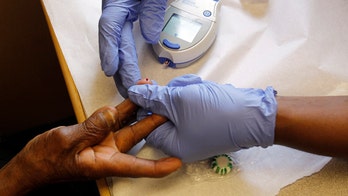
African Americans at higher dementia risk than other racial groups Dementia afflicts black people and American Indians more than other racial groups in the U.S., according to a recent study highlighting dramatic disparities in the prevalence of the disease.
Years of taking popular diabetes drug tied to risk of B12 deficiency People taking metformin, a common type 2 diabetes medication, for several years may be at heightened risk of vitamin B12 deficiency and anemia, according to a new analysis of long-term data.
Scientists find 'good' cholesterol can sometimes be bad So-called "good" cholesterol may actually increase heart attack risks in some people, researchers said on Thursday, a discovery that casts fresh doubt on drugs designed to raise it.
Can bright light at night lead to obesity? Obesity rates may surge in places where artificial lights blaze all night compared to communities where people tend to live in darkness after the sun goes down, a recent study suggests.
Women lag men as lead authors in top medical journals Women are more apt to be lead authors of research in major medical journals today than they were a generation ago, but they still lag significantly behind men, a recent study suggests.
Dancing may reduce risk of dying from heart disease Moderate intensity dancing, like moderate intensity walking, is tied to a lower risk of dying from cardiovascular disease, according to a new study.
'Overdosing' on exercise may be toxic to the heart Slackers, rejoice! You knew you were right all along, didn't you? Extreme exercise may be toxic to your heart, according to a provocative review of studies set to appear in an upcoming issue of the Canadian Journal of Cardiology
Philadelphia radio host's on-air hiccups leads to AFib diagnosis For one sports radio host, a recent bout of hiccups turned from a joke into serious diagnosis.
Happy events can spur 'broken heart syndrome' A rare condition known as "broken heart syndrome" is usually brought on by an emotionally devastating or stressful event.
Prolonged aspirin use tied to reduced colon cancer risk People who regularly take aspirin over several years may be less likely to develop colon cancer, researchers say.