June 21, 2016 Americans drinking less soda, eating more whole grains and nuts Americans are adding more whole grains, nuts and seeds to their diets and cutting back on sodas and sugary drinks, a U.S. study suggests.
June 20, 2016 Experts list proven benefits of exercise for postmenopausal women - Following an exercise program during and after menopause can both reduce menopausal symptoms and preserve heart, muscle, bone and brain health, according to a panel of experts in Spain.
June 17, 2016 Mediterranean diet with olive oil, nuts linked to weight loss Extra "good fats" from nuts and olive oil in a Mediterranean diet may help older adults lose weight, or at least avoid gaining it, a Spanish study suggests.
June 17, 2016 Single motherhood tied to slightly raised heart disease risk Working single mothers may have a higher risk of heart disease and stroke than their married peers, a study suggests.
June 16, 2016 7 foods and drinks that are bad for your blood pressure In the United States, nearly one out of every three adults has high blood pressure.
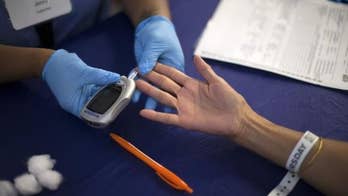
June 16, 2016 With diabetes, losing weight lowers heart risks, even if you regain it A large weight loss, even if regained, may help overweight people with type 2 diabetes improve their blood sugar control and cholesterol and lower high blood pressure long-term, a new study suggests.
June 13, 2016 Prescription habits predict compliance with breast cancer pills The likelihood that a woman will take pills to keep her breast cancer from coming back is higher if she tended to consistently take medications as directed in the past, a new study found.
June 10, 2016 Combination of marijuana and tobacco in pregnancy may compound risks Smoking both marijuana and tobacco during pregnancy may create greater health risks than cigarettes alone, according to a recent U.S. study.
June 8, 2016 Middle-aged African-Americans more likely than whites to die of stroke In middle age, black Americans are four times more likely to die of stroke than whites, a U.S. study suggests.
June 8, 2016 4 preventive health services that could save for your life Preventive care can save lives.