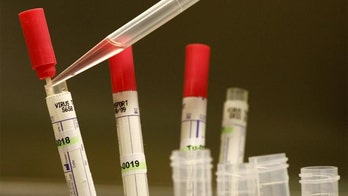
Many people don't know own blood pressure or cholesterol levels People who go online to check their risk for cardiovascular disease often don't know two key numbers for assessing heart health: blood pressure and cholesterol levels, a U.K. study suggests.
Absent parent tied to smoking and drinking before adolescence Kids that have an absent parent may be more likely than other children to start drinking and smoking before they reach their teens, a U.K. study suggests.
Women's brains grow a bit during menstrual cycle Women's brains may change slightly every month, in sync with their menstrual cycles, a new study finds.
Promising Ebola drug ZMapp: The real lessons of an inconclusive study In the midst of the 2014 Ebola outbreak, a drug called ZMapp was one of the most promising treatments for the disease.
An accidental shooting kills a child every other day Hours earlier, he was a happy 4-year-old who loved Ironman and the Hulk and all the Avengers.
Blue Bell: Testing helps create safe treats post-2015 recall In the wake of another recall of its ice cream products, Blue Bell has stood firm in its belief that a "robust" testing program it implemented following last year's listeria contamination is helping the company create safe treats.
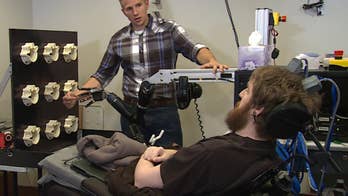
Paralyzed man feels touch through mind-controlled robot hand A paralyzed man is regaining a sense of touch while using a mind-controlled robotic hand, feeling subtle pressure in his own fingers when the artificial ones are touched.
Contaminated machines in ORs linked to patient infections Health officials are warning that small outbreaks of infections spread by contaminated operating room machinery during open-heart surgery could be more widespread than first thought.
World's deadliest mushroom may have killed 3-year-old Twenty years ago, residents of British Columbia in northwestern Canada didn't have to worry about the deadliest mushroom in the world.
Women who choose abortion are certain of the decision Women seeking an abortion tend to be more certain of their choice, even after the procedure, than people making other healthcare decisions, according to a new U.S. study.