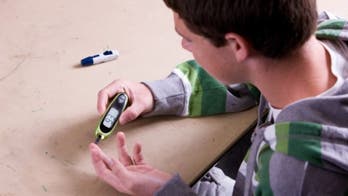
March 23, 2016 Sleep-deprived teens may have more diabetes risk factors Teens who sleep less than eight hours at night are more likely to have fat around the midsection and to be resistant to insulin, which can eventually lead to type 2 diabetes, according to a new study.
March 22, 2016 US heart disease rates decline Over the last 40 years, heart disease rates have dropped in the U.S. overall, but the changes varied widely by region, with the highest rates of the disease shifting from the Northeast to the South, researchers say.
March 17, 2016 Healthy heart may also mean healthy brain If you eat right, exercise and take care of your heart, you may also be doing good things for your brain, a U.S. study suggests.
March 17, 2016 Air pollution not just bad for your lungs Exposure to air pollution for just a month or two may still be enough to increase the risk of developing diabetes, especially for obese people, a recent U.S. study suggests.
March 14, 2016 Skimping on sleep may activate the 'munchies' Getting too little sleep may activate the same chemical pathways in the brain that are involved in heightened attraction to and enjoyment of junk food associated with marijuana use - also known as "the munchies" - according to a small U.S. study.
March 12, 2016 10 charity races that'll get you sweating for a cause With spring right around the corner (hallelujah!), this is the perfect time to sign up—and start training—for a charity run or walk.
March 11, 2016 Reading from a tablet before bed may affect sleep quality - People who read from an iPad for 30 minutes before going to sleep felt less sleepy and had different electrical activity in the brain during sleep than those who read from a physical book, a recent study found.
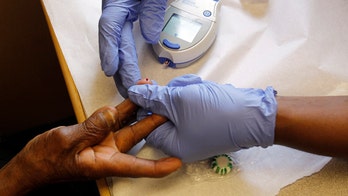
March 10, 2016 Years of taking popular diabetes drug tied to risk of B12 deficiency People taking metformin, a common type 2 diabetes medication, for several years may be at heightened risk of vitamin B12 deficiency and anemia, according to a new analysis of long-term data.
March 10, 2016 Can bright light at night lead to obesity? Obesity rates may surge in places where artificial lights blaze all night compared to communities where people tend to live in darkness after the sun goes down, a recent study suggests.
March 10, 2016 Good match not always needed for living donor kidney transplant Transplanting a mismatched kidney from a living donor may lower the risk of death more than not doing a transplant at all, according to a new study that could open the door to more operations.