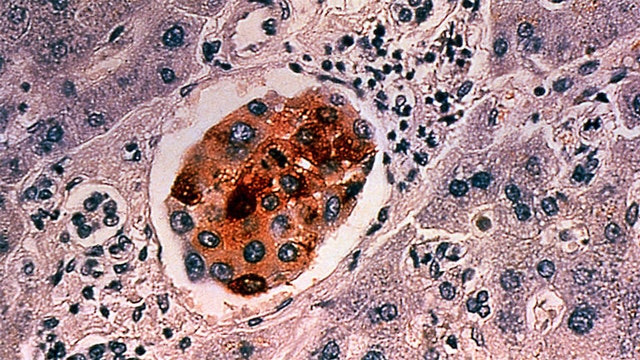
Indoor pesticide exposure tied to childhood cancers A new analysis of existing research finds that kids exposed to pesticides indoors are at higher risk for childhood cancers.
Many with early breast cancer have too many imaging tests Nearly nine in 10 women with early breast cancer have imaging exams to see if the cancer has spread, despite official recommendations against such tests, a new study suggests.
Surgical tool simplified hysterectomies, but had hidden cancer risk The women's health-care community got a shock to the system in December, when leading U.S. hospitals abruptly began acknowledging that a commonly used surgical tool risked killing some women.
Hot Dogs, Bacon Not Linked to Pancreatic Cancer There are no clear signs that eating cured meats like ham, bacon or hot dogs could increase the odds of getting pancreatic cancer, according to a new study
Patriots’ Nate Solder reveals testicular cancer treatment in 2014 New England Patriots left tackle Nate Solder recently told ESPN that he was treated for testicular cancer in April 2014, and that he hopes the revelation will encourage other young men to get tested for the disease, Fox Sports reported.
Dying 25-year-old fights for compassionate use access to cancer treatment Two years after they tied the knot, Keith Knapp and his high school sweetheart, Mikaela, 25, were faced with a devastating diagnosis: Mikaela had a rare form of kidney cancer that had metastasized to her bones and brain.
Family history may not impact breast cancer survival odds In younger women with breast cancer, having a family history of the disease may not worsen their survival odds, a new study suggests.
Possible cure for melanoma? Researchers at a Utah cancer institute may have found a cure for melanoma -- one of the deadliest types of cancer.
Pet pig Nemo's lymphoma treatment makes research history When George Goldner went to feed his six pet pigs earlier this year, his 730-pound (331-kg) companion Nemo was acting strangely. Nemo had suddenly stopped eating and laid in the mud.
FDA approves Pfizer drug to treat very rare lung disease The U.S. Food and Drug Administration on Thursday approved the first drug to treat a rare, progressive lung disease that mainly affects women of childbearing age.