US 'right to try' laws may not help dying get unapproved drugs So-called "right to try" laws, intended to expand dying patients' access to experimental treatments, may not work as expected - and might strip patients of federal safety protections, some experts say.
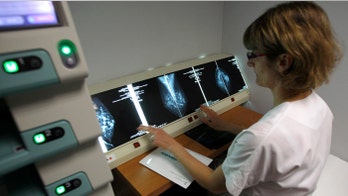
Cancer screenings: Too many mammograms, too few colonoscopies There seems to be a mismatch between the cancer screening tests that people actually undergo and what experts recommend, doctors say.
'It can catch cancer before it becomes hopeless': How a colonoscopy saved one woman from a potentially fatal diagnosis After three of her family members died from colon cancer, one California woman pushed to have herself screened early— which may have saved her life.
Tomatoes may reduce prostate cancer risk, study says Eating tomatoes may lower your risk for prostate cancer by nearly 20 percent, according to a U.K. study
Double mastectomy doesn't boost survival for most, study says Removing both breasts to treat cancer affecting only one side doesn't boost survival chances for most women, compared with surgery that removes just the tumor, a large study suggests.
The scary thing sugar does to your breasts New research finds a link between the sweet stuff and an important breast cancer risk factor.
Ovary removal may improve breast cancer survival with gene mutation Women with a gene mutation that puts them at a high risk of breast and ovarian cancers have better survival odds if their ovaries and fallopian tubes are removed soon after a breast cancer diagnosis, suggests a new study from Canada.
Link found between breast-cancer genes, prostate cancer Mutations in two genes well known for increasing the risk of breast and ovarian cancer may also play an important role in advanced prostate cancer, researchers said, an unexpected discovery that could lead to new treatments for some men with the disease.
Study casts doubt on whether extra vitamin D prevents disease Researchers cast doubt on the prevailing wisdom that vitamin D supplements can prevent conditions like cancer, diabetes and heart disease, saying on Friday low vitamin D may be a consequence, not a cause, of ill health.
US cases of invasive cancer drop slightly Rates of new cancer cases in the United States have fallen slightly in recent years, according to a new report from the Centers for Disease Control and Prevention