'Cancer made me broke' Deadly as cancer may be to a person’s health, it also wreaks havoc on one’s finances.
FDA approves Merck's lung cancer drug as first-line treatment Merck & Co Inc on Monday said the U.S. Food and Drug Administration has approved its immunotherapy Keytruda for use in certain previously untreated lung cancer patients, making it the only approved first-line treatment.
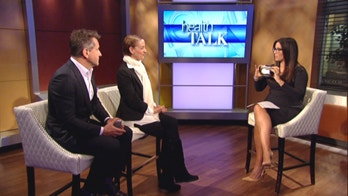
'Shark Tank' star touts virtual reality chemotherapy for kids To improve cancer care, ‘Shark Tank’ star Robert Herjavec has set out to unveil innovations from rising entrepreneurs. He sits down with Fox’s Julie Banderas to share what he discovered
‘Shark Tank’ judge unveils new cancer care inventions Virtual reality goggles for pediatric cancer patients
FDA seeks to improve hospital reporting of device injuries The U.S. Food and Drug Administration is seeking to improve hospital reporting of injuries and deaths associated with medical devices after inspections at 17 hospitals revealed widespread under-reporting of such events.
One-fourth of US cancer deaths linked with 1 thing: smoking Cigarettes contribute to more than 1 in 4 cancer deaths in the U.S. The rate is highest among men in southern states where smoking is more common and tobacco control policies are less strict.
Terminally ill mom denied treatment coverage— but gets suicide drug approved Stephanie Packer wants to be the face of a Right to Live movement — for as long as she draws breath.
Brittany Maynard's widower fights back after mother-in-law releases memoir Before 29-year-old Brittany Maynard chose to end her life in November 2014 amid a battle with terminal, incurable brain cancer, she made a specific request to her husband: She wanted him, and no one else, to tell her story after she died.
Family tragedy: Woman killed while visiting relatives for sister-in-law's funeral Police say a South Carolina woman was fatally shot as she gathered with family inside a home the night before her sister-in-law's funeral.
Secondhand smoke linked to higher risk of stroke The increased risk of stroke that comes with smoking may extend to nonsmokers who live in the same household and breathe in secondhand smoke, a U.S. study suggests.