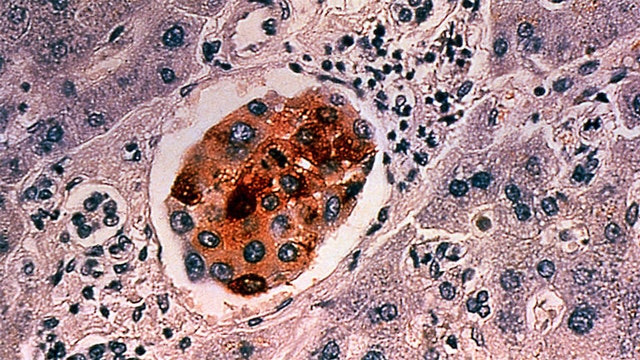
Dying 25-year-old fights for compassionate use access to cancer treatment Two years after they tied the knot, Keith Knapp and his high school sweetheart, Mikaela, 25, were faced with a devastating diagnosis: Mikaela had a rare form of kidney cancer that had metastasized to her bones and brain.
Family history may not impact breast cancer survival odds In younger women with breast cancer, having a family history of the disease may not worsen their survival odds, a new study suggests.
Possible cure for melanoma? Researchers at a Utah cancer institute may have found a cure for melanoma -- one of the deadliest types of cancer.
Pet pig Nemo's lymphoma treatment makes research history When George Goldner went to feed his six pet pigs earlier this year, his 730-pound (331-kg) companion Nemo was acting strangely. Nemo had suddenly stopped eating and laid in the mud.
FDA approves Pfizer drug to treat very rare lung disease The U.S. Food and Drug Administration on Thursday approved the first drug to treat a rare, progressive lung disease that mainly affects women of childbearing age.
What you must know about the chemicals in your sunscreen You probably don’t need to be told (again) how important wearing sunscreen is for reducing your risk of skin cancer, not to mention sunburns and signs of premature aging (think wrinkles).
Location, extent of Carter's cancer will govern his options Surgery, drugs, radiation, comfort care. What's next for Jimmy Carter depends on how widely his cancer has spread and where, and how aggressively the 90-year-old former president wants to fight it.
Thousands respond to young cancer survivor’s wish for Christmas cards An 11-year-old cancer survivor says this Christmas will be one to remember after thousands responded to his wish to cover his entire wall in holiday cards.
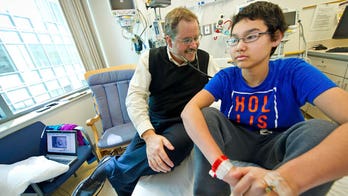
Disabled HIV virus used to treat common childhood leukemia Scientists at the Children’s Hospital of Philadelphia (CHOP) have invented an immunotherapy that has successfully treated children diagnosed with a highly aggressive form of acute lymphoblastic leukemia (ALL).
The real importance of getting a pap smear and pelvic exam In 2012, I was shocked to learn that new guidelines issued by the The American College of Obstetricians and Gynecologists stated that women should wait three to five years between pap smears, which are the primary method of screening for cervical cancer.