














ABUJA, Nigeria – A team of U.N. weapons experts and observers examined a seized Iranian weapons shipment found at Nigeria's biggest port, authorities said Tuesday, a step toward possible new international sanctions against Iran.
The nine-member panel first met in Abuja, Nigeria's capital, before traveling to Lagos to see the shipment still being held at Lagos' busy Apapa Port, said Nigerian Foreign Minister Odein Ajumogobia. The minister said the panel, led by Georgia's former foreign minister Salome Zourabichvili, would offer a report to the world body about the shipment.
"The presence of the U.N. panel ... is to highlight the danger international communities face in keeping the world reasonably safe," Ajumogobia said in a statement released to journalists.
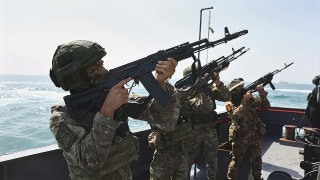
Inside 13 cargo containers marked as building materials, inspectors in October found 107 mm artillery rockets, rifle rounds and other arms. Those rockets can accurately hit targets more than 5 miles (8.5 kilometers) away with a 40-foot (12-meter) killing radius. Insurgents in Afghanistan and Iraq have used similar rockets against U.S. troops. China, the United States, and Russia manufacture versions of the rocket, as does Iran.
Authorities have said that the shipment originated in Iran and passed through the port in Lagos destined for Abuja, the nation's capital. The shipment later was redirected to Gambia before the seizure.
Nigerian authorities said the shipment may have been destined for Nigerian politicians planning violence if they lose in upcoming April elections. Others believe the weapons were destined to Gambia, a tiny country wedged into Senegal.
Investigative files seen by The Associated Press in November say the plot was masterminded by Iranians Azimi Agajany and Sayed Akbar Tahmaesebi, who entered Nigeria after Nigerian authorities received a letter of recommendation from Iran's foreign ministry saying he would "provide administrative support." Tahmaesebi, who authorities said had diplomatic immunity, left Nigeria. Agajany and three Nigerians face trial on charges over the shipment on Jan 31.
The U.N. experts will submit their findings to the world body, which could issue new sanctions against the Middle East nation already hurting economically from several rounds of sanctions. In a 2007 resolution stepping up sanctions on Iran over its nuclear program, the U.N. Security Council banned Iranian arms exports, forbidding the sale or supply of weapons by Iran, whether directly or indirectly. It requires nations to prevent any such transfers and prevent their citizens from obtaining any weapons from Iran.
