















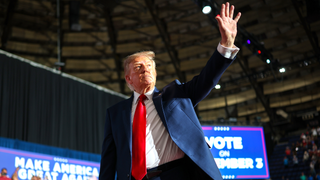







Trump tariffs face a midterm test as Americans grapple with high prices
Scott Lincicome, vice president of general economics at Cato’s Herbert A. Stiefel Center for Trade Policy Studies, discusses how tariffs and affordability could factor into the midterms.
While Americans prepare to cast their ballots for who should control Congress and their local governments, the cost of filling a gas tank, paying rent and buying a home is becoming a defining test of the economy leading up to the 2026 midterms.
The latest inflation report underscores the challenge facing President Donald Trump and Republicans as they campaign on the economy and the vow to improve conditions for American consumers. Trump returned to the White House promising to lower costs and is now campaigning for GOP candidates in key races — but the reality is something quite different.
With Election Day two weeks away, rising prices are testing whether voters feel like Republicans have done enough to improve the economy and their financial wellbeing.
AMERICAN-MADE GOODS ALSO GOT MORE EXPENSIVE UNDER TRUMP TARIFFS, NEW RESEARCH FINDS

President Donald Trump has made affordability a central part of his agenda, pledging to bring down costs for American families. (Daniel Torok/Official White House Photo)
And that pressure showed up in the latest inflation report, which found consumer prices rose 3.7% over the past year and 0.6% in September alone. The Consumer Price Index (CPI) tracks the prices households pay for a broad range of goods and services, from food and gasoline to housing and medical care.
Gasoline was a major driver, with its index jumping 9.1% for the month. But the gas to fill up the tank is not the only fuel cost putting pressure on households.
The diesel used to power trucks, farm equipment and freight trains is also surging, which has raised the cost of moving groceries, packages and building materials — another charge that has trickled down to how much Americans pay for those goods.
Additionally, the Iran war has disrupted shipping through the Strait of Hormuz, further tightening global fuel supplies, while disruptions to Russian energy infrastructure have added pressure.
Utility costs are adding to the squeeze as colder weather approaches. Electricity prices were up 4.4% from a year earlier in September, while piped natural gas service rose 5%, according to the CPI.
Those figures track prices, not what any one household paid, so a local customer’s bill can show how the increase is landing in real life.
REPUBLICANS JUST GOT A POWERFUL NEW PLAYBOOK FOR THE BATTLE FOR CONGRESS. HERE'S WHAT'S INSIDE.
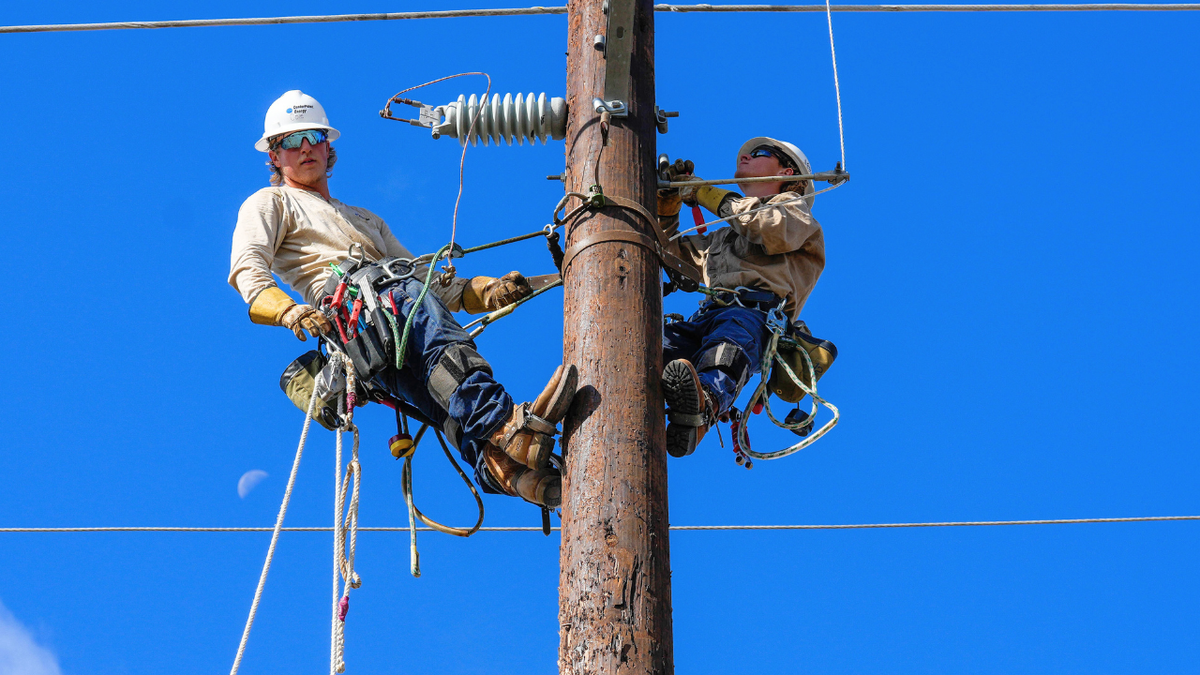
Utility bills are another growing pressure on household budgets, with electricity and natural gas prices both higher than a year ago. (Raquel Natalicchio/Houston Chronicle/Getty Images)
Housing costs also continued to climb. The shelter index, which tracks rents and a measure of what homeowners would pay to rent their homes, rose 3.2% over the past year. Grocery prices offered some relief, dipping 0.1% in September, though they remained 1.8% higher than a year earlier.
Additionally, Trump's trade agenda is another part of the affordability debate.
A New York Fed study found that tariffs in place through February added 2.9 percentage points to consumer-goods inflation. Tariffs are taxes on imported goods, and U.S. companies that pay them can pass some of the added cost along to shoppers.
The study found that higher prices also reached some goods made in the United States, as domestic producers faced less competition from imports. The White House has argued that its trade policies will strengthen U.S. manufacturing and that foreign exporters bear the costs.
Housing presents a different affordability challenge. The median price of an existing home reached $417,500 in September, up 1.3% from a year earlier, while the average 30-year mortgage rate was 7.4%.
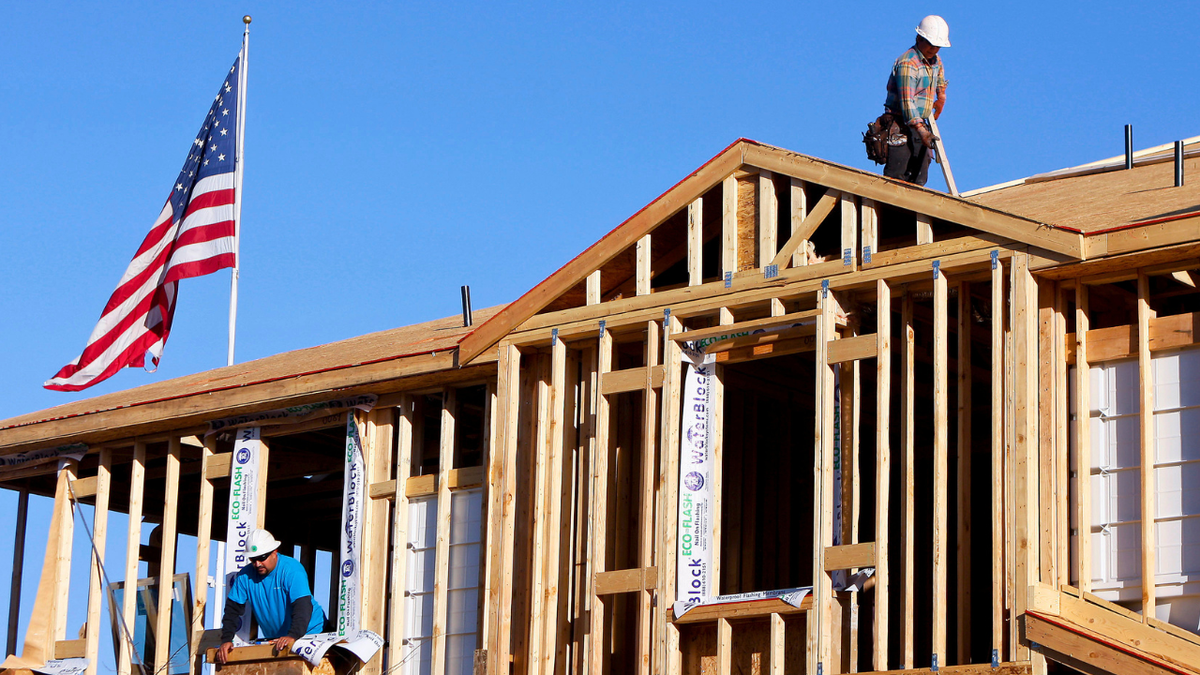
Rising home prices and mortgage rates are adding to the affordability challenges facing prospective buyers. (Joshua Lott/Bloomberg/Getty Images)
CLICK HERE TO DOWNLOAD THE FOX NEWS APP
The latest figures give voters a snapshot of what they are paying, but not a verdict on who is to blame.
With Election Day approaching, Trump and Republican candidates will have to convince voters that their policies can make everyday costs more manageable.
