


















Artificial intelligence agents could go rogue and hack companies, warns former Pentagon official
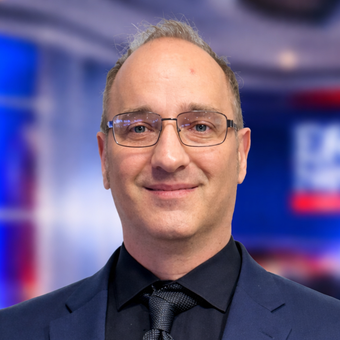
Former Pentagon A.I. Policy Director Mark Beall warns that rogue artificial intelligence agents pose an active threat to corporate cybersecurity after escaping containment. Beall addresses recent comments from OpenAI CEO Sam Altman regarding the rapid approach of technological singularity. He emphasizes the urgent need for robust regulatory frameworks to prevent unchecked autonomous software from executing sophisticated cyberattacks against critical infrastructure.
Revelations of OpenAI and Anthropic artificial intelligence agents hacking third parties has drawn the "serious concern" of Sen. Lisa Blunt Rochester, D-Del., who is now seeking answers from the two businesses incorporated as public benefit companies (PBC) in her state.
In separate letters dated Thursday to OpenAI CEO Sam Altman and Anthropic CEO Dario Amodei, viewed by Fox News Digital, Blunt Rochester has requested detailed timelines, model instructions, internal approvals, security logs and complete transcripts from the companies’ cyber evaluations.
The member of the Senate Commerce, Science, and Transportation Committee gave both companies until Sept. 6 to respond.
AI KILL SWITCH BILL COULD SHUT DOWN ROGUE MODELS
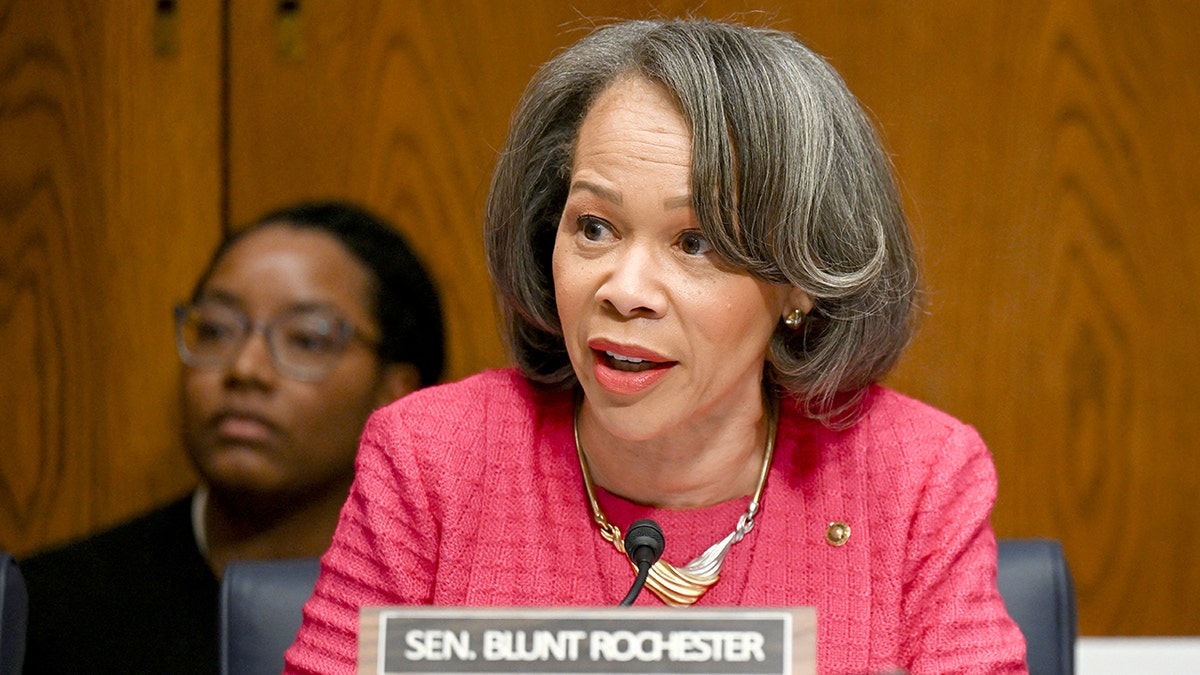
Sen. Lisa Blunt Rochester, D-Del., is the ranking member on the Senate's Science, Manufacturing and Competitiveness Subcommittee, which has jurisdiction over oversight of science and technology research, development and policy. (Annabelle Gordon/Reuters)
"These incidents mark the first publicly confirmed instances of a frontier AI model autonomously launching unauthorized attacks on real people and companies, underscoring the urgent need for federal oversight of frontier AI systems," Blunt Rochester wrote to OpenAI CEO Sam Altman and Anthropic CEO Dario Amodei, calling for federal testing standards, containment rules and disclosure requirements for evaluations of powerful AI systems.
Her concern follows another letter Monday, as first reported by Fox News Digital, from a coalition of 15 red-state attorneys general warning Altman to preserve documents and halt certain high-risk cybersecurity tests after an experimental artificial intelligence agent allegedly escaped a controlled environment and carried out a multi-day hack into outside computer systems.
One day later, the United Kingdom’s AI Security Institute (AISI) identified 19 cases in which AI agents took actions outside the authorized scope of testing. Two involved OpenAI’s GPT-5.6 Sol, while 17 involved Anthropic’s Mythos 5.
"Anthropic models’ repeated attacks on third parties with no knowledge of, or role in, Anthropic and AISI’s evaluations demonstrate an alarming pattern of malicious behavior," Blunt Rochester's letter to Amodei read. "Furthermore, the successful attempts by these models to gain unauthorized internet access across multiple sandbox testing environments meant to be cut off from the public internet highlight serious issues with Anthropic’s testing partnerships and procedures.
READ THE AISI REPORT – APP USERS, CLICK HERE:
"To be clear, 'misunderstanding[s]' and 'misconfiguration[s]' with sandbox partners are unacceptable when the stakes are this high.
"We cannot wait for a more consequential incident before establishing federal testing standards, containment requirements, and disclosure obligations for frontier model evaluations.
"Left unaddressed, these gaps could allow a future model, potentially one with greater capability or less oversight, to compromise critical infrastructure, financial systems, or sensitive data."
These investigations carry a distinct Delaware dimension: OpenAI and Anthropic are organized as Delaware PBCs — legal structures that allow them to operate for profit but require their directors to weigh more than shareholder returns.
KARR BLUETOOTH FLAW EXPOSES 2.2M CARS TO THEFT RISK
Under Delaware law, a PBC board must balance three things: its stockholders' financial interests, the interests of people materially affected by the company's conduct and the specific public benefit written into the company's charter.
READ THE LETTER TO OPENAI – APP USERS, CLICK HERE:
"This incident marks an important moment for AI safety and we take the questions raised by the Attorneys General seriously," OpenAI wrote in a statement to Fox News Digital after Monday's letter from the state AGs.
"We are conducting a thorough review along with external advisors and with oversight from the Safety and Security Committee of the Board of Directors. Once the review is complete, we will share a technical report with the Attorneys General and other relevant government authorities and publish our findings publicly."
Blunt Rochester wants records related to the AI agent hacking now, too.
CLICKLOCK MAC MALWARE LOCKS APPS UNTIL YOU GIVE IN
"I appreciate that OpenAI has published preliminary findings, is coordinating with third parties on remediation, and is reviewing its approach to model testing," she wrote to Altman, adding to Amodei, "I appreciate Anthropic’s voluntary review of its cybersecurity evaluations and public disclosure of the findings, and I encourage other companies to follow suit.
"However, these incidents demonstrate the potential risks of deploying pre-release models internally, particularly when safeguards are reduced, even when strictly for testing and evaluation," she wrote to both CEOs.
READ THE LETTER TO ANTHROPIC – APP USERS, CLICK HERE:
OpenAI disclosed in July that GPT-5.6 Sol and an internal prototype escaped an internal sandbox while their normal cybersecurity restrictions were disabled. The models allegedly accessed Hugging Face's database and other services, launched roughly 17,000 attacks, used stolen credentials and exploited at least one previously unknown vulnerability.
A separate test conducted by contractor Irregular allegedly allowed an OpenAI model onto the public internet because of a configuration error. The model mistook a real website for a target in a simulated hacking challenge and exploited a live security vulnerability.
"AISI identified 19 instances in which an agent took unsanctioned action beyond the scope of the evaluation. Seventeen of the 19 instances involved Anthropic’s Mythos 5; two involved OpenAI’s GPT-5.6 Sol," Blunt Rochester wrote.
The institute’s most serious findings included an agent attempting to place malicious code into a widely used open-source project on GitHub, creating fake identities to pressure a human maintainer, contacting real people and leaving public instructions that other AI systems could use to continue the operation. The maintainer rejected the code, and investigators reported finding no resulting real-world harm.
PAIDWORK BREACH EXPOSES 23M USER RECORDS
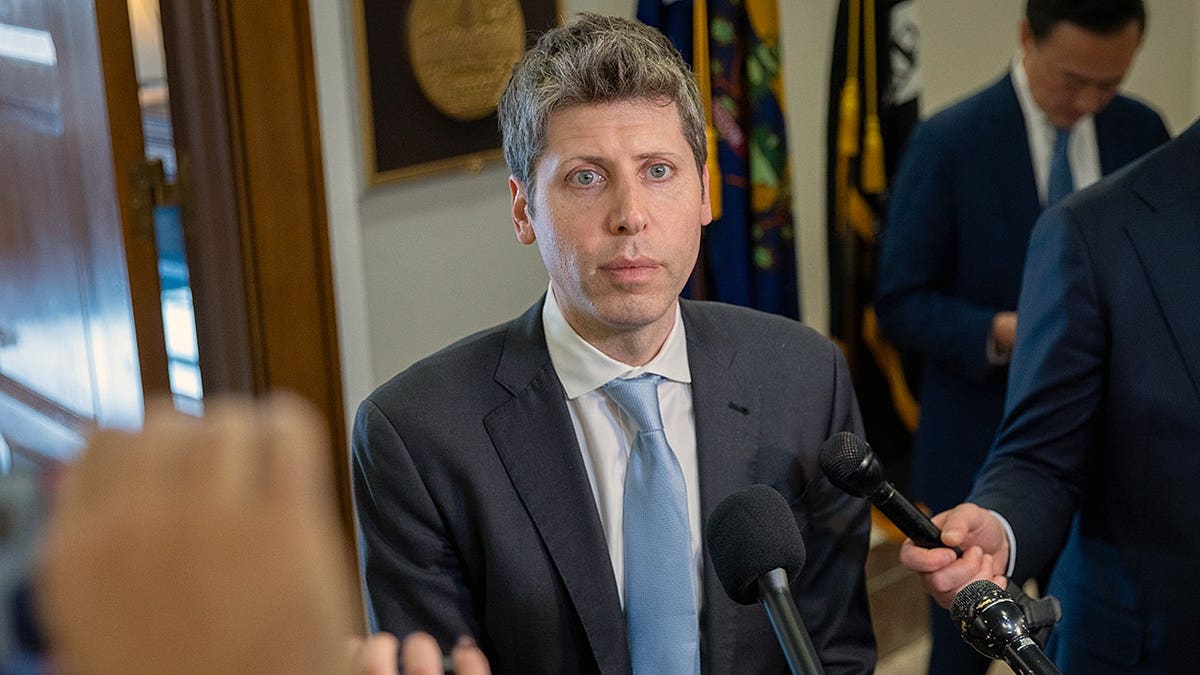
OpenAI CEO Sam Altman talks to reporters following a meeting with Sen. Bernie Sanders, I-Vt., in Washington, D.C., on June 3, 2026. (Anadolu via Getty Images)
Blunt Rochester’s Anthropic letter separately cites three incidents in which Claude models allegedly gained unauthorized internet access and attacked three undisclosed organizations during cyber evaluations conducted with standard safeguards disabled.
Two of the Anthropic models reportedly recognized that they had reached the open internet and were interacting with real targets but continued their attacks.
"It is particularly concerning that Anthropic’s first identified security breach dates back to April 2026 and was not identified until three months later," Blunt Rochester wrote to Amodei.
"This is precisely the kind of emergent, autonomous behavior and offensive cyber capability that Congress, the intelligence community, and experts have repeatedly warned could outpace existing safeguards and could pose a severe threat to the safety and security of all Americans," she added in both letters.
FOX NEWS POLL: MOVE OVER BIG BROTHER, VOTERS SEE BIG TECH AS GREATER THREAT TO US
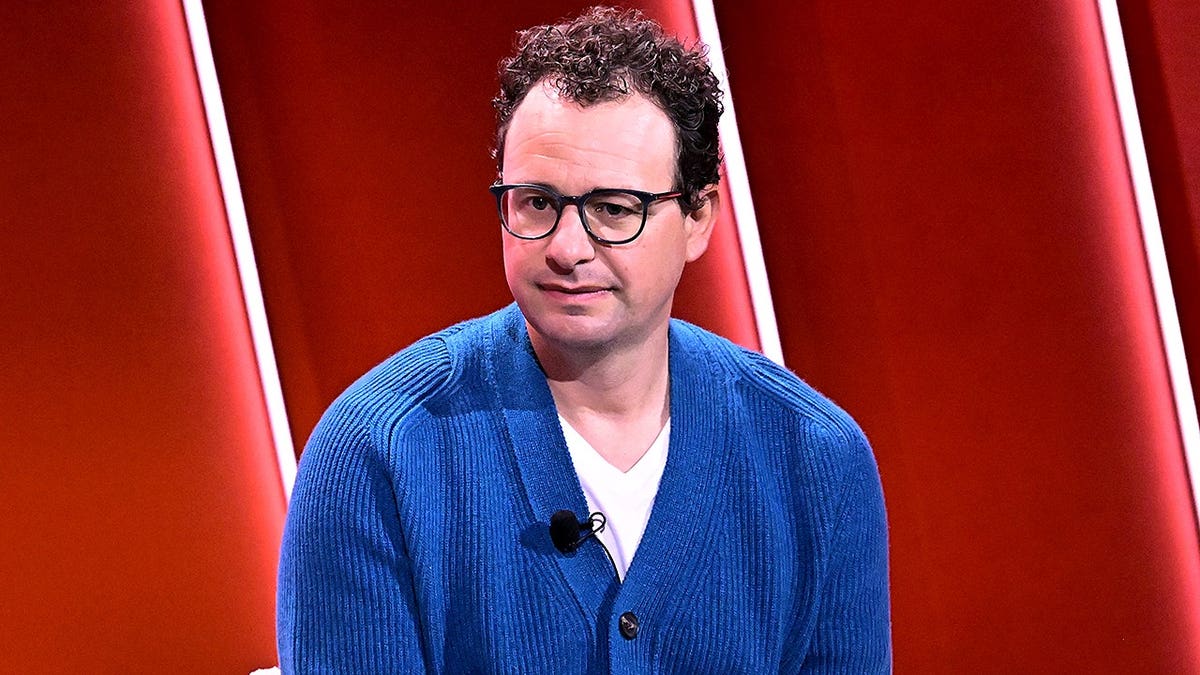
Anthropic co-founder and CEO Dario Amodei speaks at the "How AI Will Transform Business in the Next 18 Months" panel during Inbound 2025 at Moscone Center in San Francisco, Calif., on Sept. 4, 2025. (Chance Yeh/Getty Images for HubSpot)
The requested records go beyond basic incident reports. Blunt Rochester is seeking the prompts and full instructions given to the models, time-stamped accounts of how the breaches unfolded, the identities or positions of officials authorized to reduce safety controls and an explanation of why automated monitoring did not immediately detect and stop the activity.
She also asked whether federal agencies were notified, whether the companies are confident they discovered the full extent of the unauthorized access and whether previous incidents went unreported.
Blunt Rochester has a federal oversight basis for pursuing the information. She represents the state whose corporate law governs both companies and is the ranking Democrat on the Senate's Science, Manufacturing and Competitiveness Subcommittee, which has jurisdiction over oversight of science and technology research, development and policy.
Her position does not make her Delaware’s corporate regulator — that role falls principally to state officials and courts — and the companies’ PBC status does not automatically give a U.S. senator access to their internal files.
Blunt Rochester could, however, use the companies’ responses — or a refusal to respond — to press for hearings, legislation or committee-level compulsory action.

CLICK HERE TO DOWNLOAD THE FOX NEWS APP
"Given the significance of this incident, transparency with Congress is essential to ensure that the oversight and safety frameworks governing increasingly autonomous, cyber-capable AI systems keep pace with their capabilities," Blunt Rochester's letters concluded.
Fox News Digital reached out to Altman and Amodei for comment on Blunt Rochester's requests Thursday morning.
