

















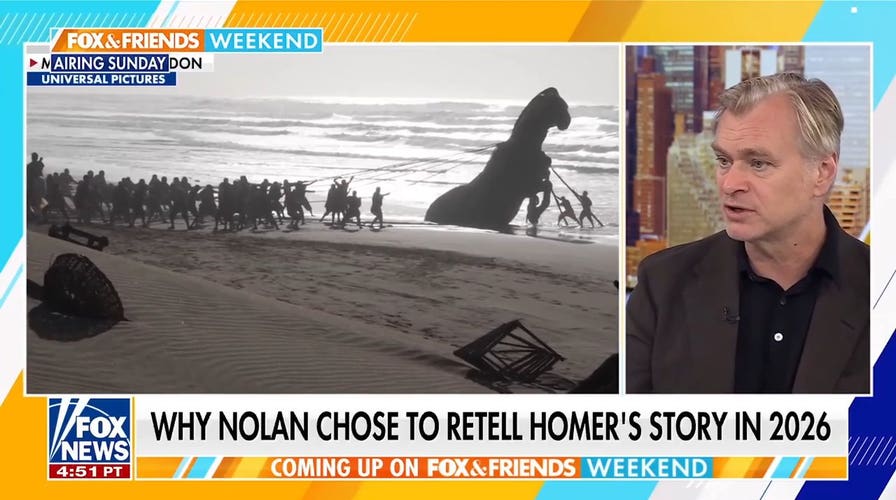
'The Odyssey' director Christopher Nolan sits down with 'Fox & Friends Weekend'
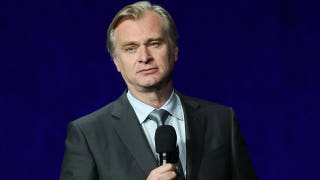
'Fox & Friends Weekend' co-host Griff Jenkins interviews renowned director Christopher Nolan about his latest film, 'The Odyssey,' reimagining Homer's epic. Nolan discusses bringing timeless Greek mythology to modern audiences, shot in IMAX.
The Odyssey is obviously a cultural lightning rod. There’s heated debate on all sides when it comes to questionable casting decisions, modernized dialogue, whether Hollywood’s biggest star, Christopher Nolan (yes, you heard that right), simply used Emily Wilson’s liberal, feminist translation of Homer’s epic as inspiration or directly pulled from it, and more heavily debated topics surrounding the film over the last few months.
Nolan called those criticisms "irrelevant" because the film hadn’t come out yet. But, now that the film is available to the general public, Nolan can’t use the same argument and I can present a well-informed review of his adaptation.
*WARNING: SPOILERS AHEAD*
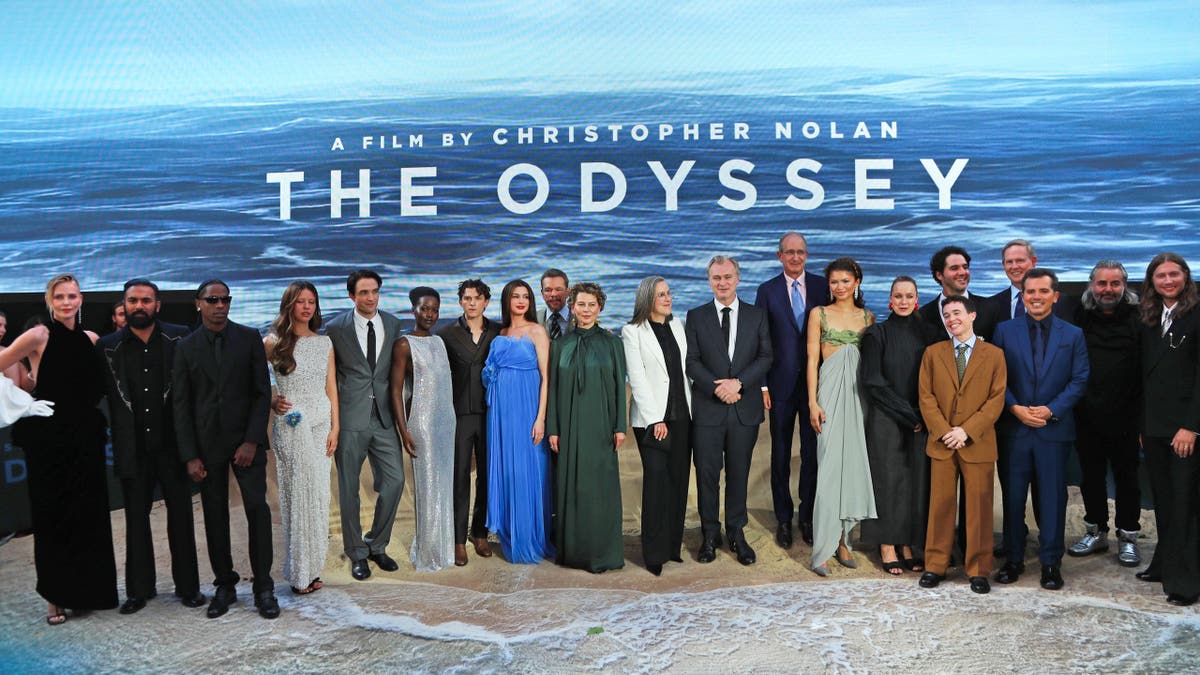
Charlize Theron, Himesh Patel, Travis Scott, Mia Goth, Robert Pattinson, Lupita Nyong'o, Tom Holland, Anne Hathaway, Matt Damon, Donna Langley, Emma Thomas, Christopher Nolan, Brian L. Roberts, Zendaya, Samantha Morton, Elliot Page, Benny Safdie, John Leguizamo, Hoyte van Hoytema and Ludwig Goransson attend the world premiere of "The Odyssey" at Odeon Luxe Leicester Square in London, England. (Grant Buchanan/Dave Benett/WireImage)
CHRISTOPHER NOLAN CONFIRMS BIZARRE 'THE ODYSSEY' CASTING CHOICES INCLUDING RAPPER TRAVIS SCOTT
To start, I’m a Nolan fan. Have been for many years. When he comes out with a movie, I’m in the queue for tickets as soon as they’re available. I’ve watched The Prestige, Inception, and The Dark Knight trilogy an ungodly amount of times. He’s earned the respect and admiration of millions of movie goers around the world. I obviously went into this film with gripes and major question marks, but I was willing to give him the benefit of the doubt that other directors would not have.
Unfortunately, that good will I graciously gave was stomped on, chewed up, and spit out like Odysseus’s soldiers in the Cyclope’s cave, in the first few minutes of the film.
A Rough Start
Travis Scott, another questionable casting decision based on his race and profession as a rapper, is the first face and voice you hear. He portrays the bard, a poet-singer in the halls of Odysseus’s castle in Ithaca, entertaining the suitors vying for a chance to marry the queen Penelope (Anne Hathaway), believing her husband Odysseus was dead. At this point, it’s been almost 20 years since Odysseus set sail for the battle of Troy, and almost a decade since the war ended and his sea voyage set sail for home. Scott’s poetic song feels out of place, more like a lackluster cosplay than an authentic portrayal of a classic character. This was the first of many subversive actions Nolan took in his adaptation. I’ll discuss later.
The very next scene included one of the two most controversial castings, Elliot Page (formerly known as Ellen Page). Page, a 5ft nothing, maybe 100 pound female, playing a male Greek warrior, is shown in a frantic scene where she portrays Sinon, a character that is neither in Homer’s Odyssey or The Iliad, running on the beach of Troy (quite awkwardly I may add) toward the wooden horse, which is almost half sunk in the sand. She is quickly disposed of by Trojan soldiers, but finds the ability to relay the message that the horse is a gift before her death. Obviously, the Trojans gladly accept thinking the war is over.
It’s impossible to watch a woman larping as a male Greek warrior, who is inserted into the story for what I believe to be nothing other than political messaging. Honestly, how can I be expected to take this story as a serious, faithful adaptation of an epic tale thousands of years old, when these are the first two impressions provided? Still, I tried giving Nolan whatever good will I could muster. This film is three hours long, I can’t give up a few minutes in.
I could give you a lengthy (like this movie), chronological breakdown of the plot, but I want to focus on topical critiques from this point and give Nolan his due for some of the things I enjoyed.
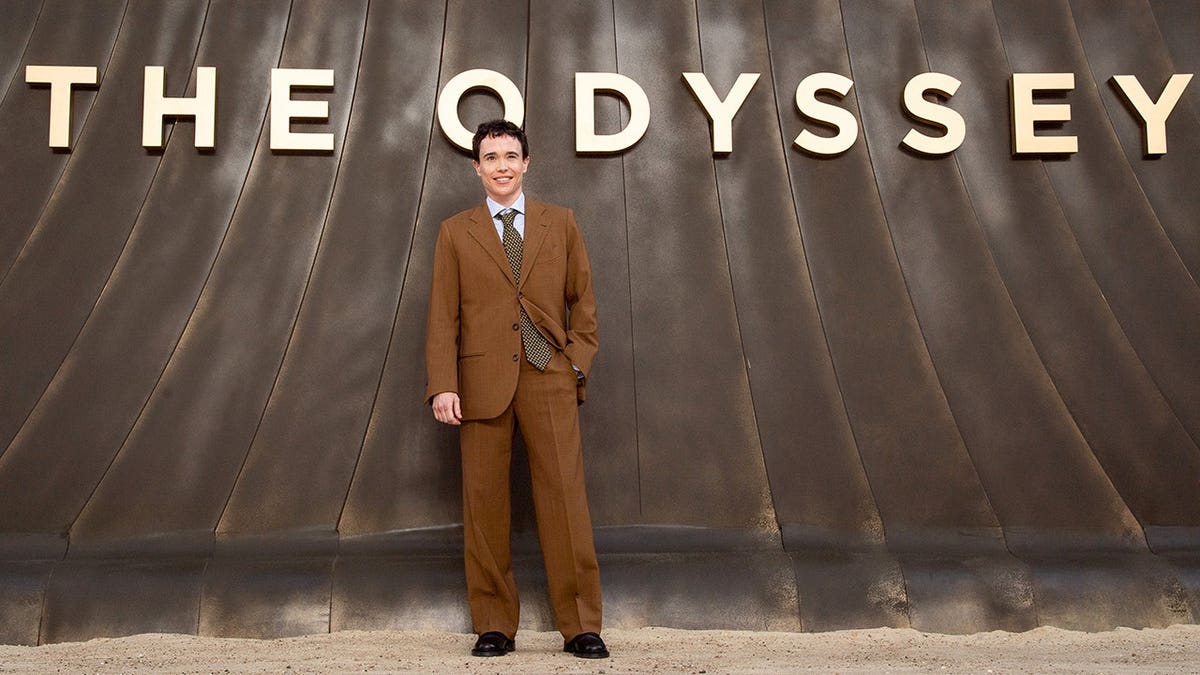
Elliot Page attends The Odyssey London Premiere at Odeon Luxe Leicester Square on July 6, 2026. (Jeff Spicer / Getty Images for Universal Pictures)
Subversion of the Source Material
One of the biggest issues in Hollywood, especially over the last decade, is subversion of the source material. Writers, directors, and studios have taken liberties with beloved intellectual properties, franchises, and books. They poke holes in the foundational and originally intended messaging, they bastardize characters with race-swaps, and more overtly political messaging meant to deconstruct a classic tale(s) for the sake of diversity, equity, inclusion, political correctness, female empowerment, and more modern nonsense.
I’m here to tell you that The Odyssey is far from a faithful adaptation. It is objectively a subversive, disjointed, inauthentic disappointment, that fails to honor one of western civilization’s greatest stories.
Character Deconstruction
Odysseus (Matt Damon), King of Ithaca, the main protagonist in The Odyssey, is no longer a cunning, wise, level-headed, kingly hero in this film, as we see in the books. In Nolan’s adaptation, he makes a lot of idiotic, knee-jerk decisions that seem out of character for such a skilled military tactician and the man that conjured up the genius idea of the Trojan Horse. Worst of all, Odysseus is not respected by his men. He comes across as more of a supervisor than a supreme leader.
One of the most subversive decisions with this character was the scene with the Cyclops.
Not only does Nolan refuse to show Odysseus using his intellect to help his group escape peril through his interactions with the beast like in the book, unfortunately cutting out the infamous "nobody" dialogue, Odysseus idiotically shoots an arrow at the Cyclops out of spite and arrogance, once the group had narrowly escaped the cave following the monster horrifically eating some of his men, after the Cyclops did not honor "Zeus’ Law" by showing xenia (Greek word for hospitality), a sacred custom where a traveler(s) could reasonably expect food, shelter, and gifts from a host like in the books,
This decision leads to angering the cyclops into blindly (literally) charging after Odysseus and his men all the way down the mountain to the beach, where they boarded their ships as quickly as possible. Multiple men die because of Odysseus’s selfish action and it leads to distrust from the crew. That’s not Odysseus from the source material.
This is just one of the many, ill-advised, reckless, witless decisions Odysseus makes throughout the film. Yes, in the books he is not infallible, and his pride can get in the way, but this adaptation seems similar to how Emily Wilson diminishes Odysseus’s heroism in her translation. He comes across as a deeply flawed leader, instead of a larger than life hero. Nolan might think that makes Odysseus more grounded and relatable, but I think it makes him almost a different character entirely.
Agamemnon, king of Mycenae, and supreme general of the Greek forces, is portrayed as a villain who is willing to sacrifice his child for "favorable winds" on his voyage to Troy. Nolan pulled from Greek tragedies written centuries later, rather than Homer’s source material for this reimagined character portrayal.
Are you seeing a pattern here?
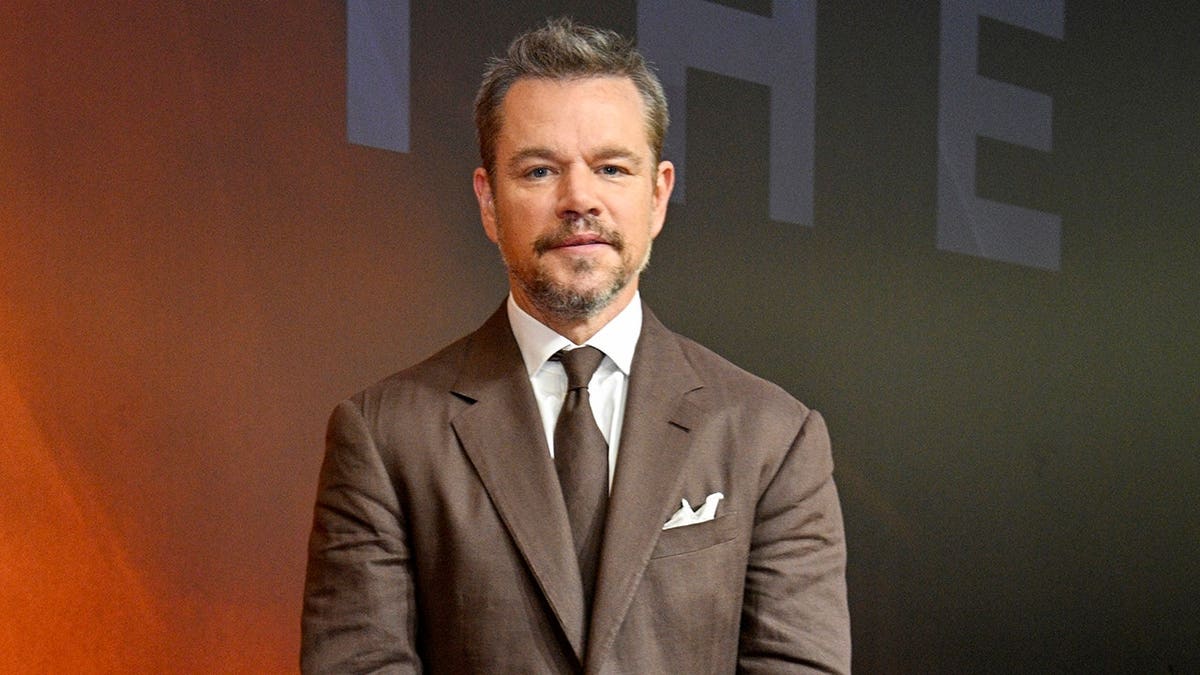
Matt Damon attends the Universal Pictures premiere of The Odyssey on July 11, 2026, in Mumbai, India. (Aalok Soni/Getty Images for Universal Pictures)
Clytemnestra, Agamemnon’s wife is no longer the the treacherous, villainous one, due to her affair with Aegisthus, a man from a rival branch of the royal family that plots to murder Agamemnon and take the throne, as he returns home from the Trojan War. She’s instead a victim. A grieving mother who enacts revenge for her husband killing their daughter. This creative decision by Nolan means we no longer see the powerful juxtaposition between the faithfulness of Penelope (Odysseus’ wife) and the power-hungry, conniving nature of Clytemnestra, like we read in the books.
In the books, Agamemnon tells Odysseus in Hades that he should not be too trusting with his wife Penelope as he was with Clytemnestra. While Nolan does a tremendous job portraying the Underworld (Hades), the omission of this warning and plotline misses the depth Penelope deserves. It would have helped set Penelope apart even more and emphasize why Odysseus can’t just walk through the doors of his castle and expect a heart-warming welcome home. It’s another reason why he needs to present himself as a beggar.
The Greek god Athena (Zendaya) is a confusing character in this film. Her unexplainable absences leads to a lack of hope, wisdom, and encouragement Odysseus desperately needs in peril. She is supposed to be an essential character, who Odysseus and Telemecus (Odysseus’ son played by Tom Holland) lean on. She seems to come and go, without explanation, and though she offers some encouragement and advice throughout the film, she is mostly an empathetic listening ear as Odysseus struggles to find his way home, instead of an overt guiding light.
There are many instances of what I believe to be character assassination, to some extent. The new stories being told in this film mostly feel like a cheap imitation, or complete betrayal of the source material that made so many of these characters worth investing in.
Plenty of characters are altered for the big screen, such as Aragorn in the Lord of the Rings trilogy, but their message and motivation remains intact and their portrayal honors the source material. I couldn’t say the same for this adaption.
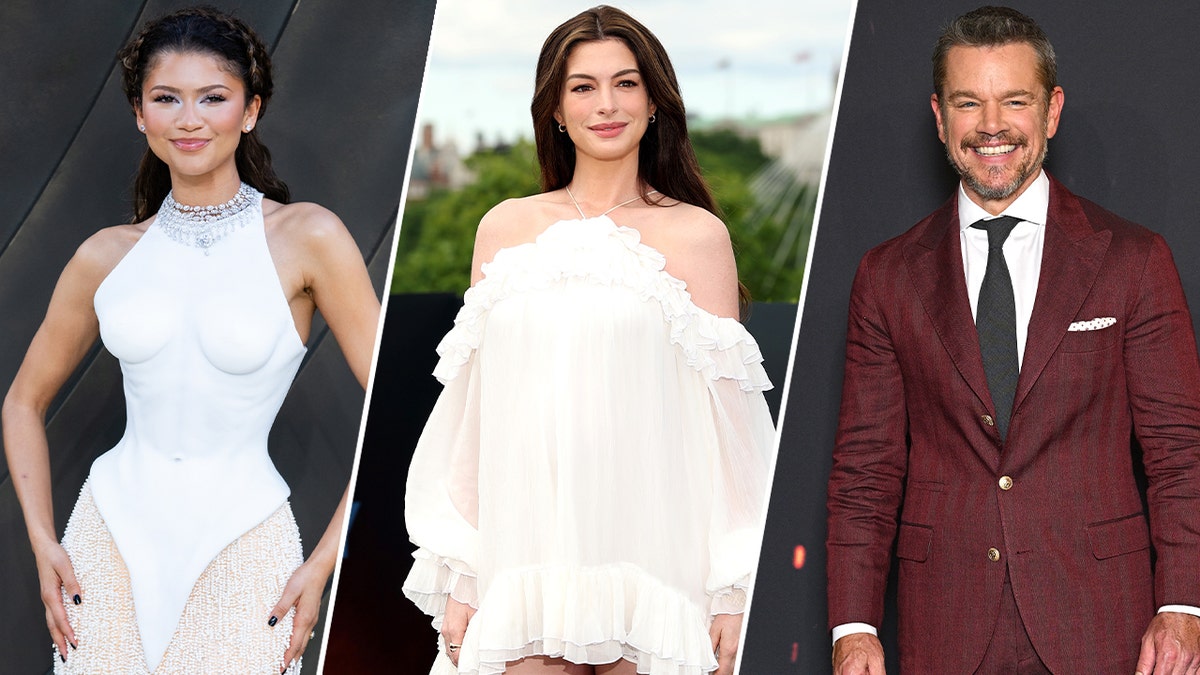
(Getty Images) (Getty Images)
Inauthentic
The diversity and inclusion castings took away from the viewing experience. I don’t believe they were the driving factor of my disappointment with this film, but they sure didn’t add to the experience.
Odysseus’s right hand man for example, Eurylochus (Himesh Patel) is Indian. Every time he interacted with Odysseus or had some prominent time on screen, I felt I was in a story that simply portrayed aspects of Ancient Greece, but didn’t care enough to make the audience believe we were truly in it.
There are black Greek soldiers in Odysseus's crew. Some suitors are black. Diversity is overflowing in Nolan's film.
The dialogue completely takes you out of the mindset and experience that it’s claiming to portray as well. This is supposed to be an ancient Greek epic, but the inclusion of racial diversity, and especially American English accents, along with modernized dialogue, make this film sound, and feel like fan fiction. This is supposed to be a period piece, adapting one of most beloved, foundational stories of all time. It’s been around for millennia. They may dress like ancient Greeks (that’s up for debate too) and the setting may be ancient Greece, but the accents and dialogue don’t transport you to Ancient Greece. They take you out of it.
Also, "F*** off!" is exclaimed (I’m not kidding) by another race-swapped character, Polybus (Corey Hawkins), as Odysseus returns home disguised as a beggar at a banquet for his son, asking the suitors to give him food. Again, it just feels so out of place and unnecessary.
The dialogue comes across as an afterthought compared to other elements of the film that get more care and attention.
Pacing is Frantic
The first two hours of the film felt disjointed. It gives you little to no chance to breathe, to soak in some character development. It’s a rollercoaster ride from one perilous situation to the next, splicing flashbacks to provide context, and stories from Ithaca’s tumultuous situation with the suitors partying in the palace night after night. It’s one thing after another. Cut scene to cut scene. Odysseus and his men get in some sort of trouble and then they run to the boats. Sail, land, experience danger and then run to the ships.
Black Helen of Troy & Elliot Page
One of the most widely discussed castings in the history of Hollywood is Lupita Nyong'o, who plays Helen of Troy. She is an African actress, with Kenyan parents. It’s another distracting, political choice by Nolan. Most movie goers know about Helen of Troy. They are aware she is one of the most beautiful women in the history of literature. They know she’s not black. It’s another subversive act for the sake of diversity and inclusion.
Her husband, Menelaus, calls her "the face that launched a thousand ships," as they sit down for a feast with Telemacus. The line comes across as a slap in the face to tradition and the source material. We hear what you’re saying, but we don’t believe what you’re saying. Helen’s face is shown to be disfigured as well, due to supposedly an attack in the Trojan War. I don’t know if I’m supposed to feel sympathy for her, or imagine that if half her face wasn’t messed up that I would agree with what Melelaus is proclaiming. It falls flat, regardless.
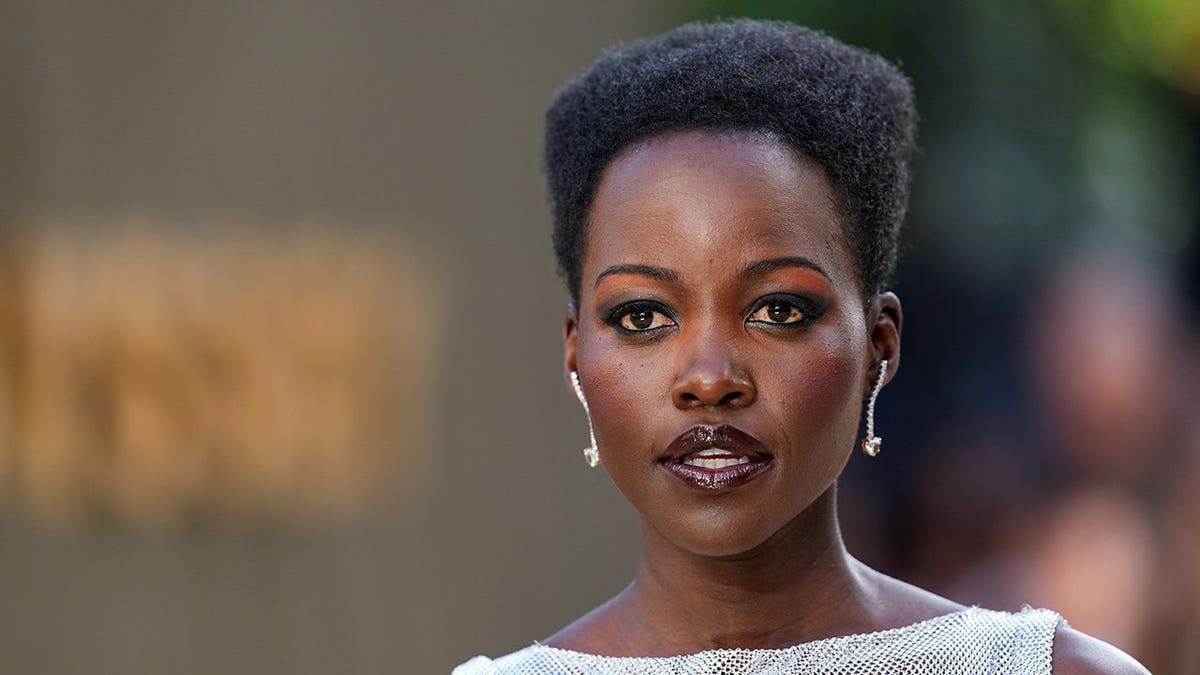
Lupita Nyong'o poses for photographers upon arrival at the premiere of the film 'The Odyssey' on Monday, July 6, 2026, in London. (Scott A Garfitt / AP)
Elliot Page’s Sinon may only get a few minutes of screen time, but the inclusion of this diversity hire, and character who plays no role or existence in Homer’s original work, is unfortunately, an essential character in Nolan’s The Odyssey. The character is adapted in this film as a boy, the brother of Antinous (Robert Pattinson), who grows up to be the most prominent and treacherous suitor, thrown into the war due to an unlucky fate by being chosen in the lottery in Ithaca to fight in the Trojan War. Sinon grows up as a young man off at war that is coerced by Odysseus to sacrifice themself at the hand of the Trojans, while convincing them into accepting the wooden horse as a gift.
Sinon also takes the place of the ghost of Achilles in Hades, a diversion from the books. Instead of a profound interaction where Achilles, "I would rather be a paid servant in a poor man's house and be above ground than king of kings among the dead," clearly agonizing over the bleakness of death. Instead of Odysseus talking to Achilles, one of the most feared and famous warriors in all of literature, about the glory of Achilles’ son’s exploits in the Trojan War bringing him joy in the midst of death, this film paints Odysseus as a leader that callously sacrificed Sinon so the Trojans would take the gift. Again, it’s a deconstruction of Odysseus, who does not seem to cherish the lives of his men and others like he does in the books. Sinon is treated as a means to an end and a motivation behind killing Antinous, to avenge him.
Sinon is not just an inconsequential character in this film. Sinon is a main character.
What I Liked
The practical effects were stunning. The cyclops was other-worldly and terrifying.
The trees shifting on the island of giants gave the scene a feeling that you were trying to dodge the swords and escape the trees with the soldiers.
The sound editing when the crew and Odysseus travel by the sirens, with only the crew putting wax in their ears was a nice touch.
Hades was the most well done, in my opinion. It provided a sense of uneasiness, dark magic, and a ticking time bomb. I say that because the moment the dead start to rise, it gives you the feeling that time is short and they aren’t meant to be there long.
Circe the witch (Samantha Morton) turning the crew into pigs was gross and impressive at the same time. It felt so violating.
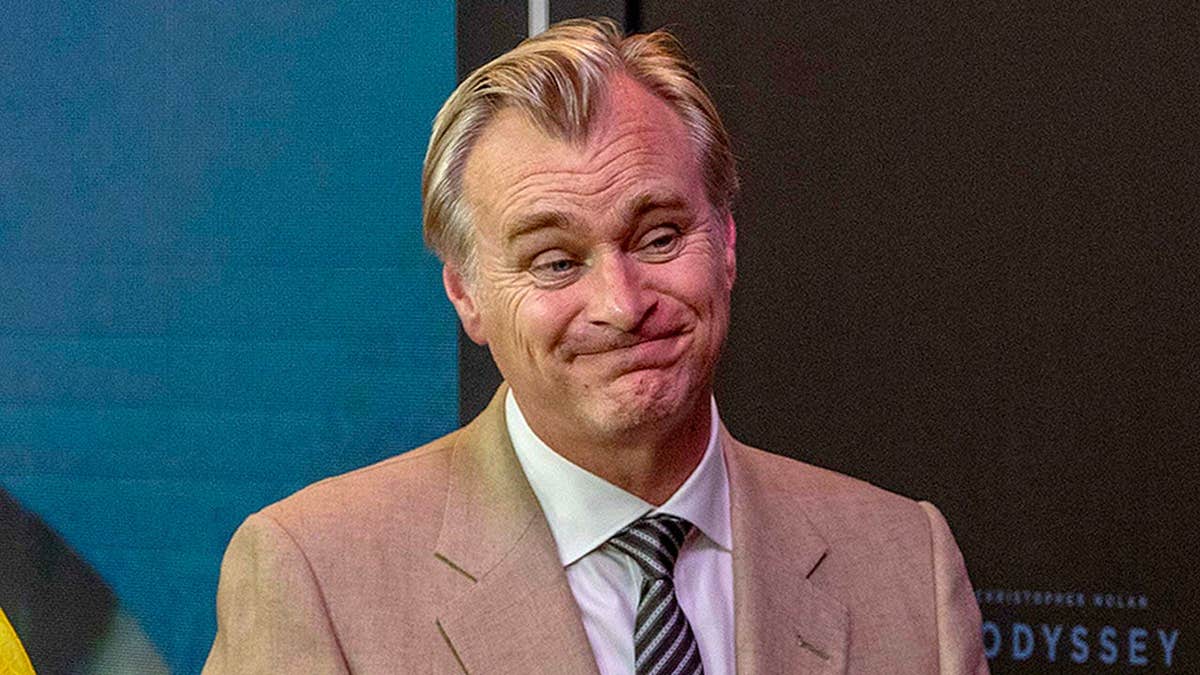
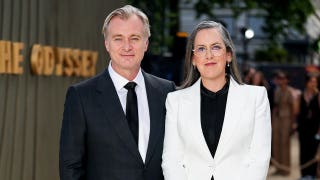
Christopher Nolan, Matt Damon and Emma Thomas walk the red carpet during the India premiere of "The Odyssey" in Mumbai, India, on July 11, 2026. (Satish Bate/Hindustan Times via Getty Images)
Rating
When it’s all said and done, I think this was a swing and a miss. For every moment I liked, there were three or four things I didn’t. For a movie with a star studded cast, I saw too much of the actors, and less of the characters. For a story seeped in mythology, it lacked religious and magical depth by omitting Hermes, and making it too grounded at the expense of the ethereal.
I found most fight scenes uninspiring that paled in comparison to other epic stories told on the silver screen. Matt Damon wasn't convincing as a bowman, sorry.
And my goodness, the sound mixing at times was rough. I had trouble hearing some dialogue because it was being drummed out by one of the worst scores I've heard. There was never a moment I felt the score carried the film like I've heard in Inception, Interstellar, Oppenheimer, and others.
I really don’t expect an adaptation to be completely faithful to the source material, and can accept some creative changes, but I expected a greater effort to faithfulness to the source material. If you don't want to be faithful to the period you're portraying, don't set the film in Ancient Greece.
Unfortunately, I don’t feel the need to see this movie again. Maybe I will and lighten up on a few of these critiques, but overall, I think this was one of Nolan’s weakest films.
Christopher Nolan's The Odyssey: 6/10
