






























Labor secretary announces fraud 'strike teams' heading to Minnesota
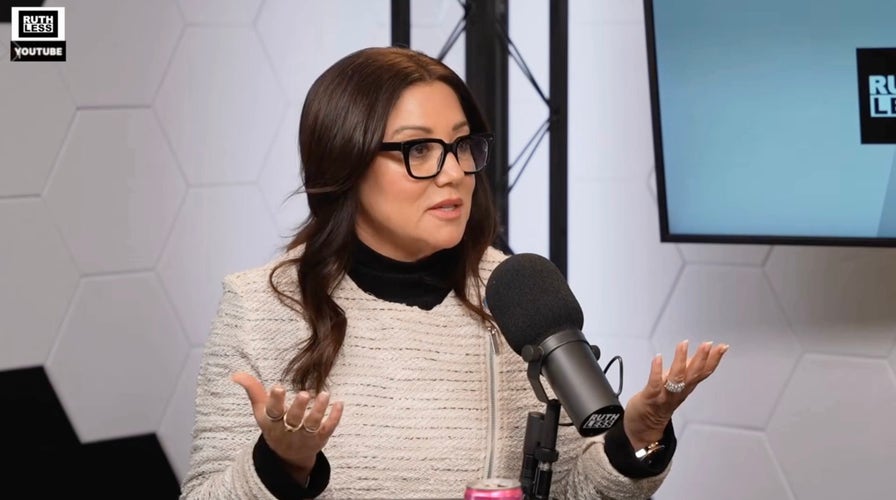
Secretary of Labor Lori Chavez-DeRemer joins the "Ruthless" podcast to discuss her team's investigations of rampant fraud in Minnesota. (12/16/25)
The U.S. welfare system is broken, and the Minnesota scandal is a blaring warning to that reality.
The failure of political leaders on many fronts bears some of the blame. But the main culprit is the massive federal welfare system that annually passes hundreds of billions of dollars down to states to dole out, with the philosophy that the more people on the rolls, the better.
The structure of the U.S. welfare system creates incentives for states to expand the rolls – and little incentive for them to ensure that money is going to those who truly need it. As welfare rolls expand, programs receive more money. It’s a system based on the Democratic perspective that government should provide more support to more people.
And the U.S. welfare system is massive. It consists of roughly 90 different programs that cost more than $1 trillion annually.
Because the majority of U.S. welfare funding comes from the federal government, states have reason to expand their rolls and little financial incentive to protect against waste and fraud.
And massive fraud is what happened in Minnesota.
The state’s welfare scandals went like this: non-profits, or alleged non-profits, claimed to be serving people in need. That enabled them to receive hundreds of millions in federal funding, or a mix of state and federal dollars. The scammers then took the money that was supposedly for the needy and pocketed it. Fraudsters used this playbook to steal money from a federal child nutrition program, a Medicaid housing program and a federal program for children with autism, to the tune of billions of dollars.
Over a few years — including the COVID years when government spent not only like drunken sailors, but drunken sailors on uppers — the number of "people" these Minnesota "non-profits" were serving skyrocketed, along with the taxpayer dollars they received to fund their "services." Because the alleged rolls were growing for these programs, government provided more dollars. And the scammers made off like bandits.
It's not that the blue state of Minnesota and its politicians are happy about the fraud that occurred or that they cheer welfare scammers. But when the mindset is that growing welfare rolls are a sign of success, and that people are entitled to benefits – and when welfare funding flows readily – the ground is fertile for exploitation.
Beyond the fraud and the unsustainable costs of the current U.S. welfare system, perhaps more tragically is that it fails to address the underlying causes of poverty. It is a system based on inputs rather than on promoting upward mobility.
LABOR SECRETARY ANNOUNCES 'STRIKE TEAM' GOING TO MINNESOTA TO INVESTIGATE RAMPANT FRAUD
After 60 years of the war on poverty, taxpayers are spending an ever-increasing amount of money on welfare programs. Yet poverty — or more accurately, self-sufficiency — in the U.S. has remained flat.

Government throws money at material poverty but fails to address deeper human needs that drive poverty, like lack of work and family breakdown. And sadly, the welfare system undermines or penalizes work and marriage, which are the greatest protectors against poverty.
The scandal in Minnesota should be a wake-up call on multiple fronts. One of the urgent calls should be the need for welfare reform. There are many ways the system should be reformed — work requirements for able-bodied adults, getting rid of marriage penalties and better prioritizing spending — but perhaps most relevant to the current scandal would be changing the funding structure and the way success is measured.
First, to better protect against fraud, states should be required to fund more of the welfare system themselves. Passing down dollars from the federal government to states creates a lack of accountability and makes it easier for fraud to occur. But this isn’t the only change. After all, not all the money scammed away in Minnesota was federal funding.
CLICK HERE FOR MORE FOX NEWS OPINION
Programs should also be funded based on whether they promote upward mobility, not based on the number of people they serve. Welfare reform in 1996 restructured the largest cash assistance program at the time, in part, by ending the structure of more money for larger welfare rolls.
Instead, states were provided a fixed funding stream and rewarded if they helped move people into work and off the roles. The 1996 reform worked to decrease poverty, even among some of the most vulnerable populations. More welfare programs should be designed like this.
CLICK HERE TO DOWNLOAD THE FOX NEWS APP
Another option would be a "pay-for-outcomes" structure, where programs are funded when they meet an agreed upon outcome: increasing graduation rates, boosting employment, raising participants’ income, etc. Rather than paying for inputs, a pay-for-outcomes model rewards a program after it proves itself.
These are just a few recommendations. But they would be a good start toward turning the broken welfare system into what it should be — a system that helps people improve their lives. These reforms would also help make sure that what happened in Minnesota never, ever happens again.
