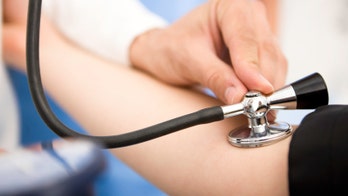
High blood pressure: How low should you go? People with hypertension are generally advised to lower their blood pressure to reduce their risk of having a heart attack or a stroke, but how low should they aim for? New research suggests it might not be necessary to lower the blood pressure all the way to normal levels to reduce the risk of serious problems
Could algae help repair damage after heart attack? Patients who suffer from severe heart attacks may find their source of future heart protection in lakes and ponds, new research suggests.
Researchers create protein patch that may reverse muscle damage from heart attack During a heart attack, cardiac muscle cells die due to a lack of blood flow, but researchers at Stanford University have identified a protein that can be administered via a patch to help repair that damage.
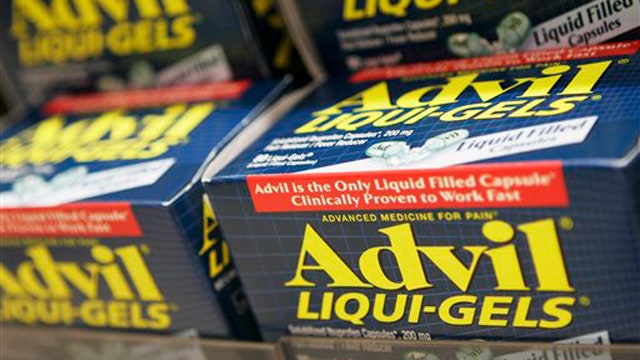
FDA strengthens heart safety warnings on popular pain relievers Federal health regulators are bolstering warning labels on popular pain relievers to reflect new information about their risks of heart attack and stroke.
Protective brain molecule may stave off Alzheimer's Scientists have long wondered why some people develop Alzheimer's disease while others have healthy brains throughout their lifetime.
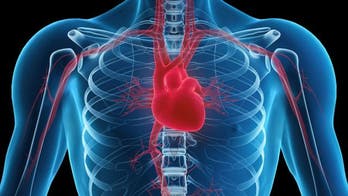
'Astonishing progress' made on heart disease, doctors say The rates of hospitalizations and deaths from heart disease and stroke in the U.S. have declined dramatically in the past two decades, a new study has found
Stress gene linked to higher risk for heart attack A gene linked to high stress levels has now been discovered to also increase a person’s risk of having a heart attack.
Tech-infused bed monitors heart rate, eases snoring If you think a bed that adjusts how firm or soft the mattress is is innovative, get this—now your bed can monitor your heart rate and sleep patterns, too.
Report Questions 'Offshoring' in U.S. Heart Studies Major U.S.-sponsored clinical trials on heart disease often turn to other countries to recruit patients and a new report questions whether that undermines the evidence they generate and the health of the American clinical trial system
New DNA blood test can better identify rejection after a heart transplant A new DNA blood test may reveal whether or not a heart transplant recipient will experience rejection from a donor organ.