






















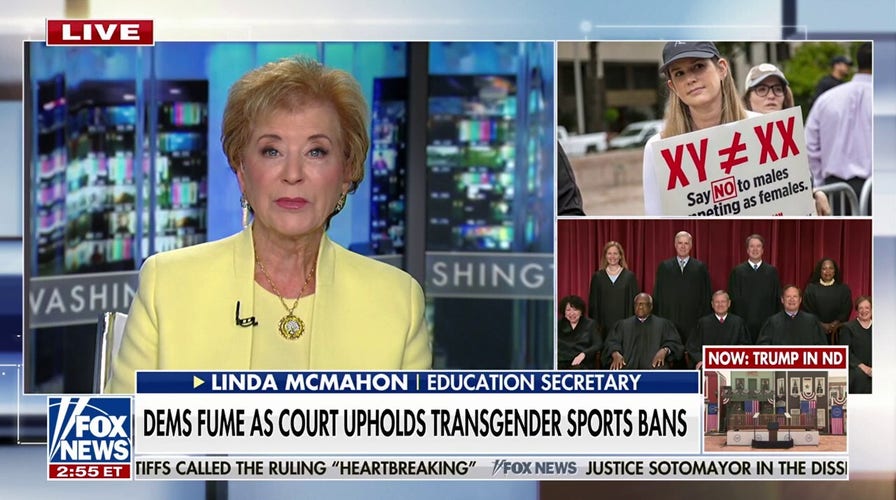
Linda McMahon slams Democrats for dismissing women's sports concerns
Education Secretary Linda McMahon discusses the Supreme Court's ruling upholding transgender sports bans, emphasizing the need to protect women's sports. McMahon highlights the impact on female athletes, addressing concerns about fairness, lost opportunities, and safety in locker rooms. She criticizes Democrats for their dismissal of these issues, reaffirming the Trump administration's commitment to defending women's rights under Title IX.
Virginia Gov. Abigail Spanberger's administration quietly rolled back proposed protections for girls' sports in the state, without announcing it to the public.
Spanberger’s administration withdrew a proposed regulation that would have prevented biological males from competing on female-only athletic teams and entering certain female-designated spaces, including locker rooms and bathrooms.
The withdrawal occurred July 30, 2026, but received little public attention until September. The administration did not issue a news release or publicly announce the decision.
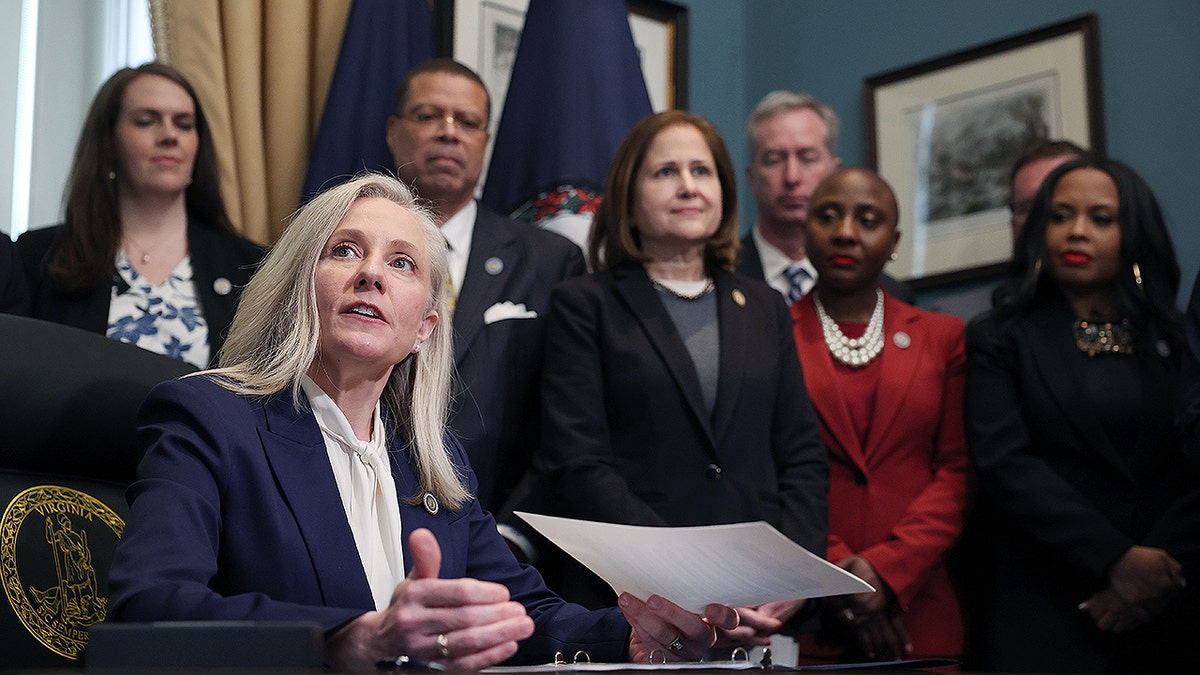
Virginia Gov. Abigail Spanberger signs executive orders. (Win McNamee/Getty Images)
The change appeared instead on the Virginia Regulatory Town Hall website, which lists the proposed regulations as having been "withdrawn on 07/30/2026 after the comment period had ended."
OutKick has reached out to Spanberger's office for an explanation, but has not received a response.
The proposal had not yet become a finalized regulation. Its withdrawal ended the rulemaking process initiated under former Republican Gov. Glenn Youngkin.
The effort began with a petition filed in April 2025 by female athletes Réka György, Lily Mullens and Carter Satterfield. The petition asked the Virginia State Board of Health to adopt regulations barring biological males from female-only athletic teams and competitions, as well as female spaces in which women and girls could be undressed.
The Virginia High School League changed its eligibility policy in February 2025 to restrict participation in girls’ sports to students whose biological sex is female. The organization oversees most public high school athletic competitions in Virginia.
Virginia’s Department of Education also issued model policies under Youngkin in 2023 directing public schools to generally separate athletic teams and intimate facilities on the basis of biological sex. Those policies state that school divisions should provide reasonable accommodations to students while preserving the availability of sex-separated bathrooms, locker rooms and other facilities.
SIGN UP FOR THE DAILY OUTKICK NEWSLETTER
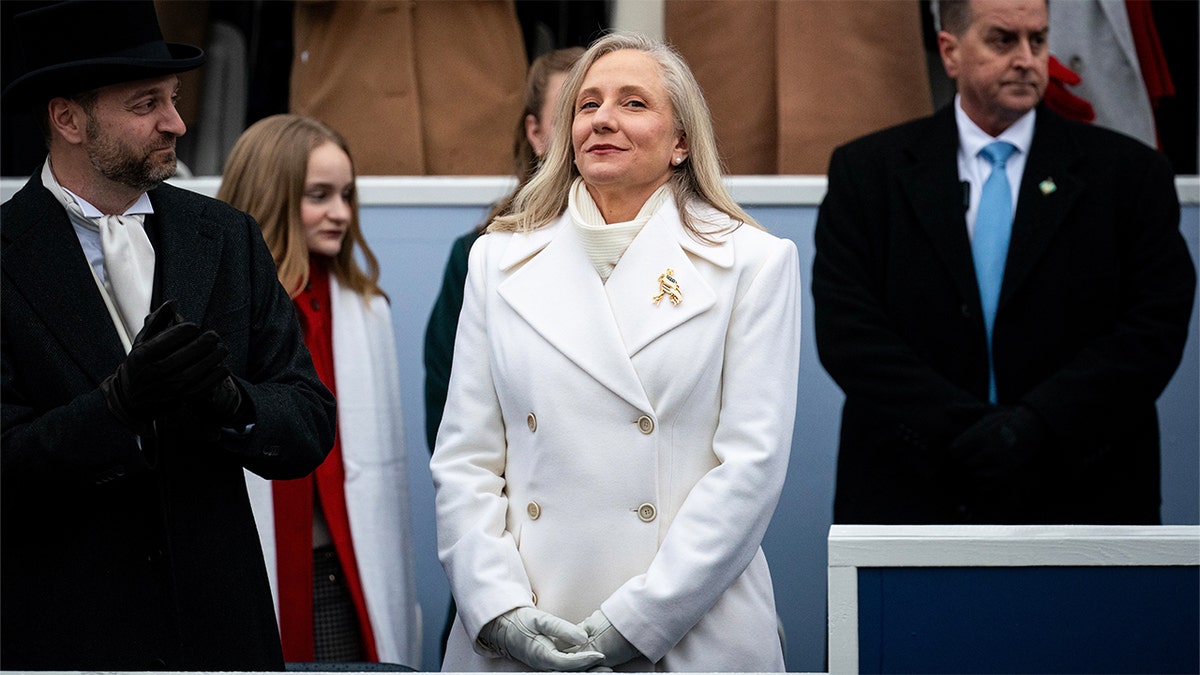
Abigail Spanberger, governor-elect of Virginia, during an inauguration ceremony at Capitol Square in Richmond, Virginia, US, on Saturday, Jan. 17, 2026. Democrat Abigail Spanberger was sworn in as governor of the Commonwealth of Virginia on Saturday, becoming the state's first female leader. (Al Drago/Bloomberg via Getty Images)
Implementation of the state’s model policies has varied among local school divisions, contributing to a prolonged dispute over transgender policies in Virginia schools. The issue has been especially contentious in Northern Virginia, where disagreements over bathrooms, locker rooms, pronouns and parental notification have prompted clashes between state officials and local school boards.
The withdrawn Board of Health action would have established a separate regulatory framework reaching organized female sports and sex-separated spaces across Virginia. With the July 30 withdrawal, there are no remaining actions listed under the proposed regulatory chapter. The athletes argued that the participation of biological males in women’s sports and their access to female-designated facilities created physical and psychological harms for women and girls.
In August 2025, the Board of Health unanimously approved the petition by a 14-0 vote and authorized the state to begin developing the regulations.
CLICK HERE TO DOWNLOAD THE FOX NEWS APP
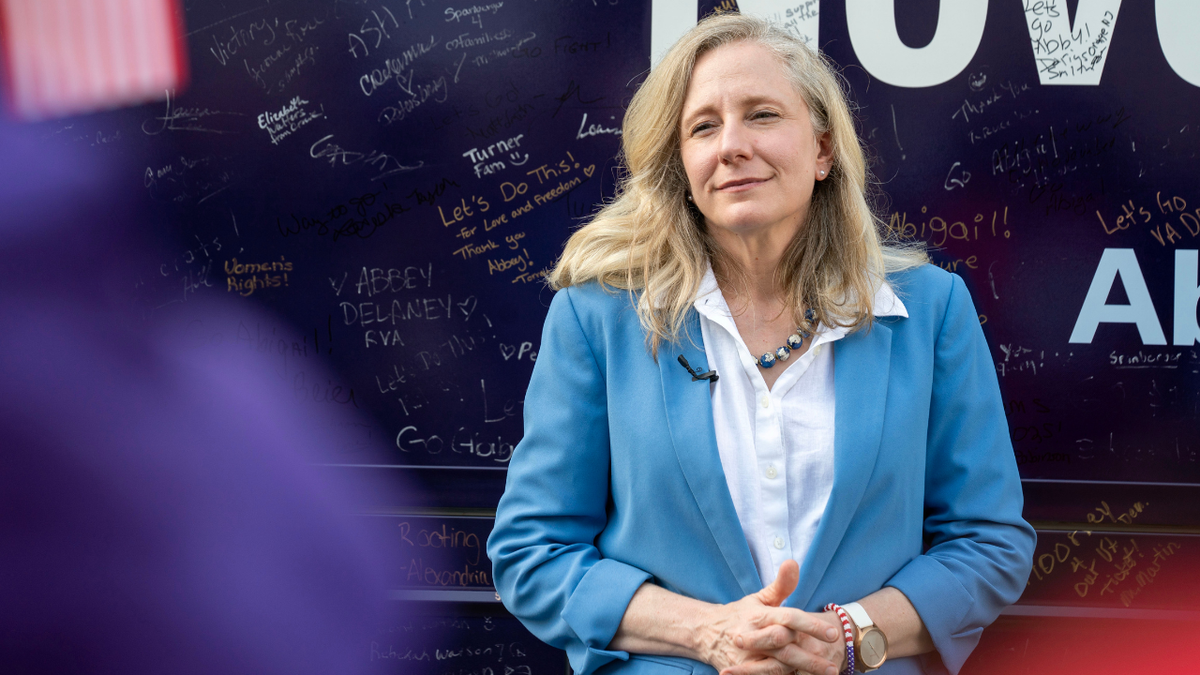
Democratic Gov. Abigail Spanberger pushed her party to pass the ballot initiative. (Maxine Wallace/The Washington Post/Getty Images)
According to the state’s regulatory website, the proposed rules were intended to "prevent biological males from participating in organized female-only athletic teams and competitions in Virginia" and from entering designated female spaces where women and girls were likely to be in a state of undress.
