








Sophie Cunningham doubles down on defense of girls’ sports
WNBA player Sophie Cunningham stirs debate by doubling down on her defense of women's sports, emphasizing the foundational role of Title IX. XX-XY Athletics founder and CEO Jennifer Sey champions Cunningham's stance, noting its alignment with widespread beliefs and legal precedents despite media backlash.
The WNBA media had every opportunity to show it could cover the league like a serious professional sport over All-Star Weekend in Chicago.
It blew it.
Reporters had access to the league’s biggest players and Commissioner Cathy Engelbert just days after Sophie Cunningham said biological males should not compete in girls' and women's sports. Yet not one public answer emerged from the weekend about whether the league’s stars agreed with her.
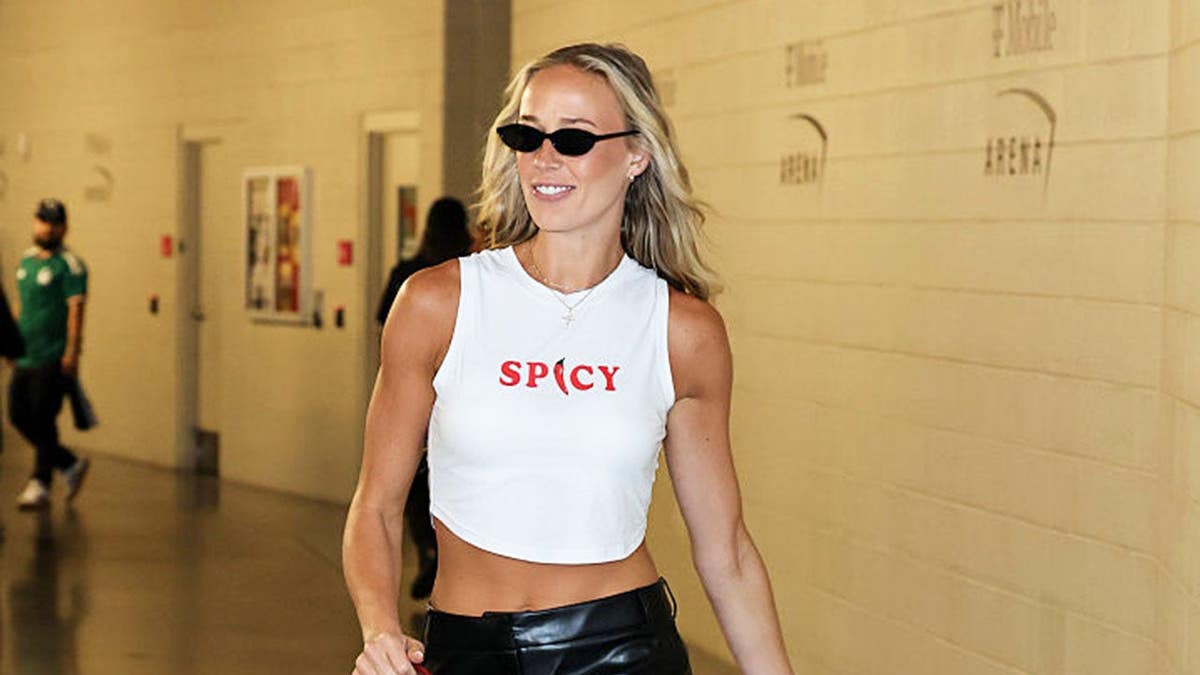
Indiana Fever guard Sophie Cunningham said protecting young girls in sports is "common sense." (Getty Images)
The outcome was, sadly, predictable.
Before the event, I wrote on X:
It did not.
One important disclosure: OutKick and Fox News Digital attempted to cover All-Star Weekend in person, and I planned to ask the players and Commissioner Cathy Engelbert about Cunningham’s comments (if given the chance). We applied for a credential through the NBA/WNBA credential portal, but the league denied the request because it was submitted 10 days after its June 16 deadline.
The portal was still open and accepted the application, which was submitted four weeks prior to the event.
I had not received the WNBA’s original credential advisory or either of the two reminder emails the league said it sent. We asked the league to reconsider, noting that OutKick and Fox News Digital were approved to cover last year's All-Star Game, but the WNBA stood by its decision.
So, no, OutKick did not ask the players in Chicago because we didn't have access to do so.
That left the job to the reporters who received credentials.
After reviewing the publicly available press conferences, interview videos, transcripts and coverage from All-Star Weekend, I could not find one instance of a WNBA All-Star or Commissioner Cathy Engelbert being asked about Cunningham’s statement.
Sophie Cunningham created an obvious story for WNBA reporters
Cunningham’s comments came in an ESPN profile published just before the All-Star break.
"I got a lot of negative feedback about me hating trans. And I’m like, ‘I never once said that,’" Cunningham said. "I think that I am here to extend love. But I also think with that love is truth, being honest. And I want to protect young girls in a locker room, or young girls in sport who shouldn’t have to go against biological men."
Reporters grilled Cunningham just before the break. She did not retreat.
"I said what I said. I think it’s kinda common sense," Cunningham said.
The story quickly moved beyond Cunningham.
Las Vegas Aces forward Brianna Turner publicly defended transgender participation in women’s sports. The White House backed Cunningham. The Associated Press identified the transgender-athlete debate as one of the major cultural issues hanging over All-Star Weekend.
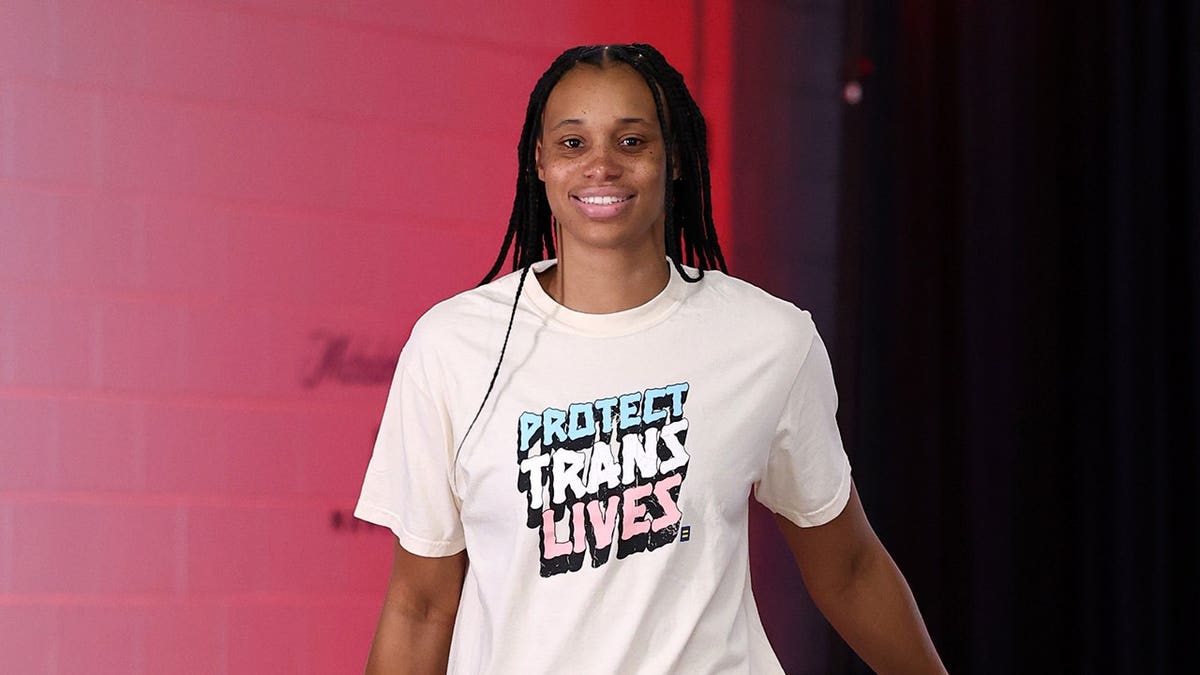
Brianna Turner of the Las Vegas Aces thinks biological males should be allowed to compete in women's sports and use women's locker rooms. (Getty Images)
In other words, this wasn't an obscure social media controversy that reporters could credibly claim they hadn't seen.
SOPHIE CUNNINGHAM SEES SUPPORT SURGE AFTER STAR PUTS CAREER ON LINE FOR GIRLS SPORTS
An active WNBA player had taken a clear position on one of the biggest debates in women’s sports. Her comments drew a response from another player and reached the White House. The league’s most prominent athletes were about to gather in the same city for several days of media availability.
The questions practically wrote themselves.
Do you agree with Cunningham?
Should women’s sports be reserved for biological females?
Do Cunningham’s comments conflict with the values of the WNBA?
Apparently, that was too much to ask.
WNBA All-Stars were available, but no one produced an answer
The WNBA assembled 22 All-Stars in Chicago, including Caitlin Clark, A’ja Wilson, Breanna Stewart, Paige Bueckers and Cunningham’s Indiana Fever teammates Kelsey Mitchell and Aliyah Boston. Players participated in practice interviews, informal scrums and official press conferences throughout the weekend.
There is always a chance that a reporter asked someone about Cunningham during a scrum that was not recorded or published. It is impossible to prove that the topic never came up once over the weekend.
But journalism is not a private conversation between a reporter and an athlete. The point is to provide information to the public.
No outlet appears to have produced an answer from an All-Star. No videos surfaced, no quote appeared in a story and no reporter posted a player’s response on social media.
If someone asked, the answer apparently was not important enough to publish. The practical result is the same.
The public still has no idea what the WNBA’s most prominent players think about trans-identifying biological males competing in women's sports and using women's locker rooms.
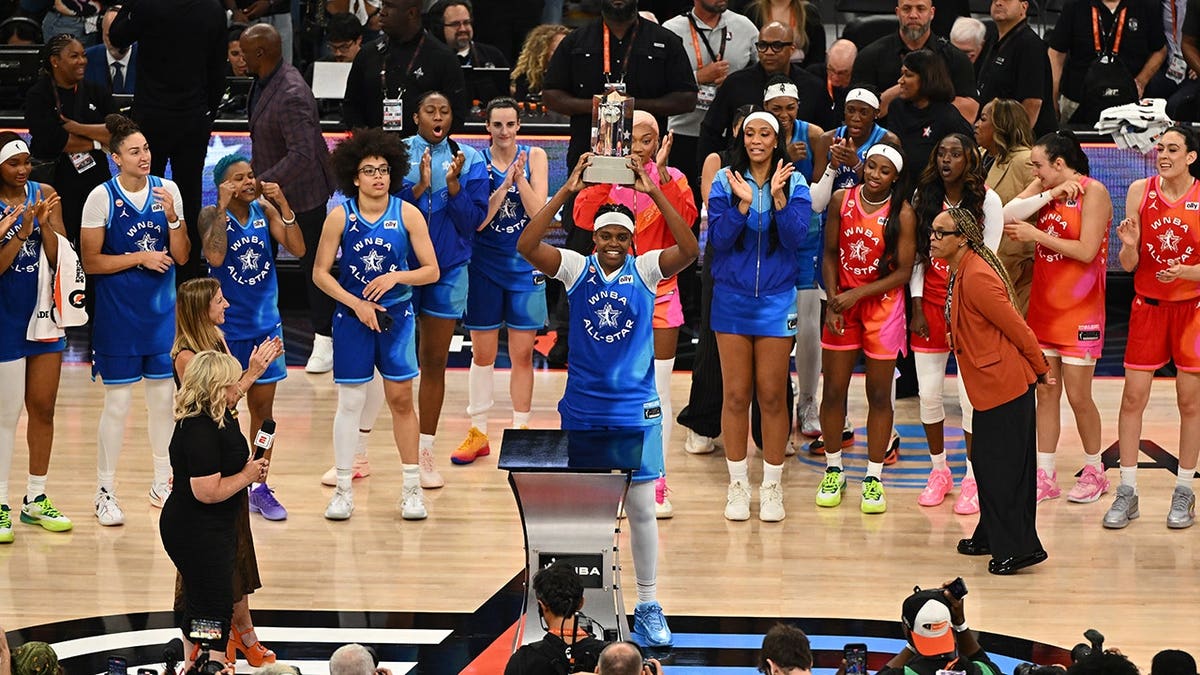
WNBA "reporters" don't appear to have asked a single All-Star about Sophie Cunningham's comments. (NBAE via Getty Images)
The irony is that All-Star Weekend included the inaugural WNBA Media & Innovation Summit. The event’s stated theme was "From Participation to Power," and organizers promoted it as a discussion about who will shape the future of women’s sports.
Evidently, asking female athletes whether women’s sports should be reserved for females didn't fit the program.
Cathy Engelbert was standing in front of the entire WNBA press corps
The failure to question Engelbert was particularly glaring.
The commissioner began her All-Star press conference by addressing racism, misogyny, homophobia, harassment and threats against players. She said the league is built on "inclusion and respect" and pledged to make every player feel safe and supported.
That provided a natural opening to ask about Cunningham.
Does the commissioner believe Cunningham’s comments are consistent with the WNBA’s values?
What is the league’s position on transgender eligibility?
Does Engelbert believe supporting a female-only athletic category is exclusionary?
No one asked.
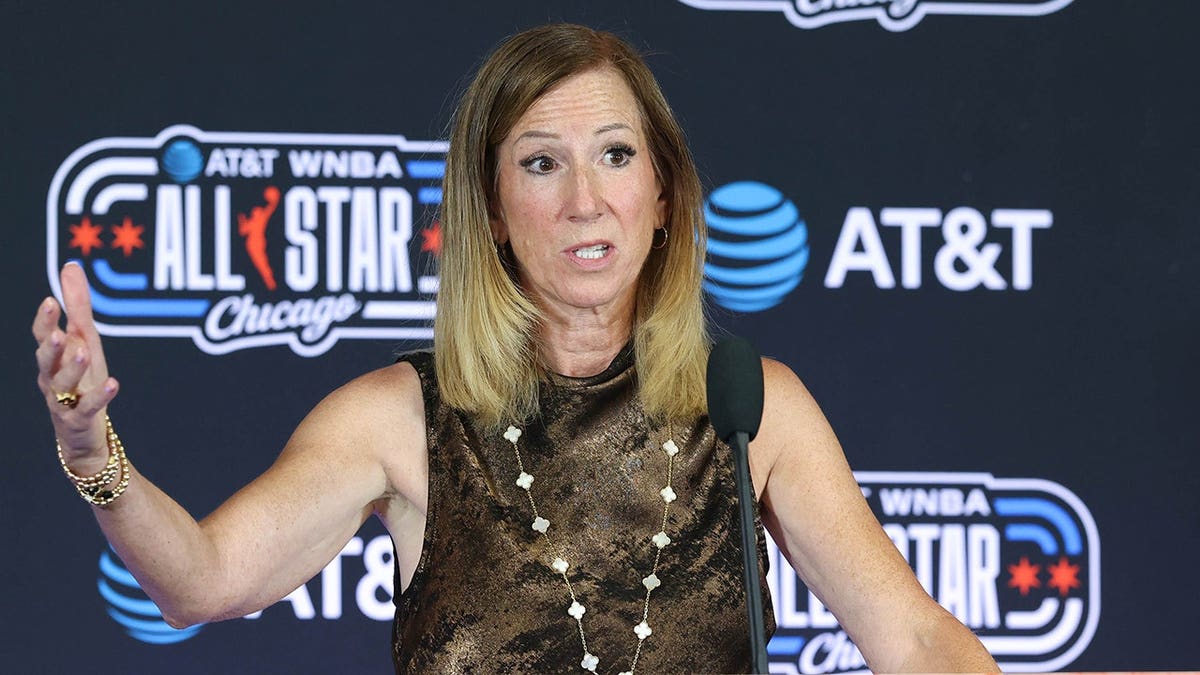
Not one WNBA "reporter" asked Commissioner Cathy Engelbert about Sophie Cunningham's stance on trans-identifying athletes. (TNS)
Instead, reporters questioned Engelbert about the new replay center, international games, the Las Vegas Aces investigation, the relationship between the league and its players, officiating, security, her future as commissioner, coaching diversity, HBCU internships and her communication style.
Several were legitimate questions. The problem is not that reporters asked about officiating or league operations. The problem is that the full press conference ended without anyone addressing the controversy involving one of Engelbert’s players.
Engelbert even talked about young girls viewing WNBA players as role models.
Cunningham’s entire argument was that young girls deserve protection in locker rooms and athletic competition. Still, no one in the room made the connection. Or, possibly, no one in the room wanted to make the connection.
WNBA media was comfortable judging Cunningham from a distance
Some reporters had plenty to say about Cunningham. They just didn’t appear interested in asking WNBA players about her.
The Guardian published an All-Star Weekend feature that characterized Cunningham’s comments as "transphobic language." The story included fresh quotes from Courtney Williams, Becky Hammon, Jessica Shepard and A’ja Wilson on other subjects.
Yet the published article contained no response from any of them about Cunningham’s comments.
That captures the problem with much of the media covering this league.
A reporter was comfortable delivering a moral judgment about Cunningham’s statement. Getting a prominent WNBA player on the record about that statement was apparently less important.
The Associated Press also included the controversy in its scene-setting story from Chicago. But the article relied on Cunningham’s previous ESPN quote and Turner’s social media comments rather than producing a response from an All-Star attending the weekend.
The media knew it was a story. They wrote about it. They just decided not to do any actual reporting.
This is what passes for WNBA journalism
None of this should be surprising.
In 2024, Caitlin Clark went through a massive media tour before entering the WNBA. Reporters asked her the same safe questions repeatedly, but no one asked the most influential young woman in American sports what she thought about transgender athletes competing against females.
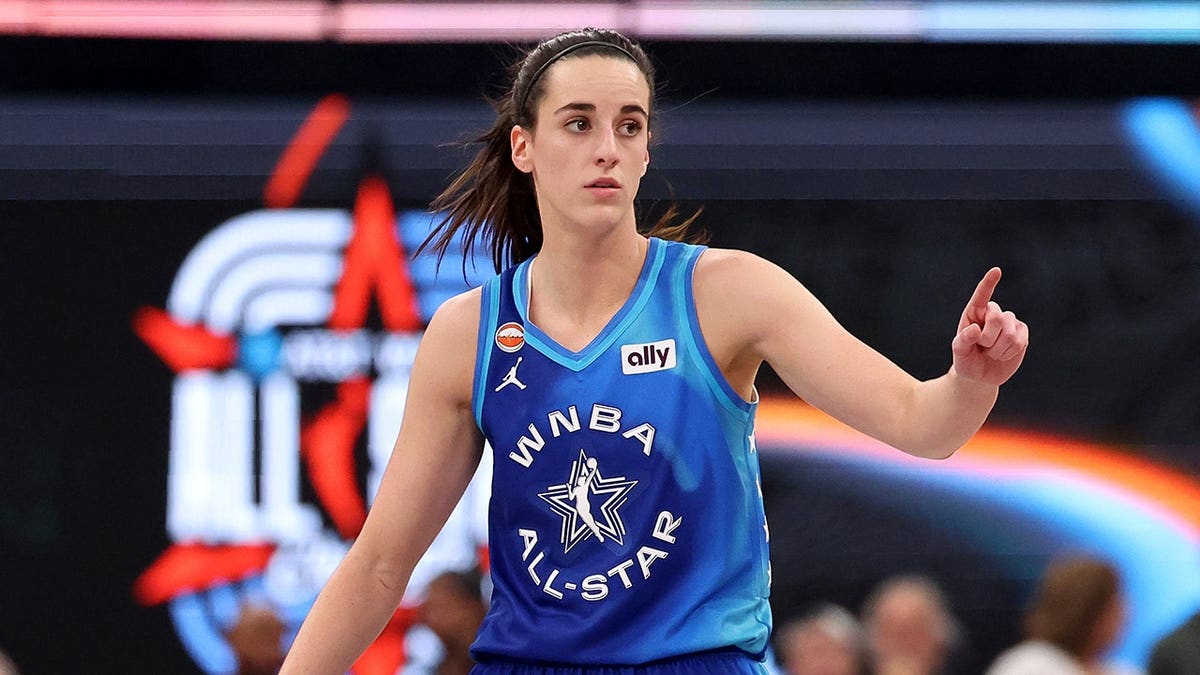
Like the other WNBA All-Stars, Caitlin Clark wasn't asked about her teammate's comments. (Getty Images)
Later that year, USA Today reporter Christine Brennan asked DiJonai Carrington whether she intentionally poked Clark in the eye. It was a completely reasonable question about something that happened during a basketball game.
The WNBA Players’ Association responded by calling on USA Today to discipline Brennan and suggesting that she should lose access.
Then came the Brittney Griner controversy last season. A viral video showed Griner saying something after fouling out against the Indiana Fever. Many viewers believed she made a racially charged remark.
For nearly three weeks, no WNBA reporter asked Griner what she said. OutKick sought credentials specifically to ask the question and was denied by multiple teams before the Washington Mystics eventually granted access.
When we finally asked Griner, she denied using the phrase attributed to her. The controversy largely died because an athlete finally answered the actual question.
That should have been a lesson for everyone covering the league.
Instead, All-Star Weekend showed that nothing has changed.
The WNBA and its players say they want the attention, revenue and stature afforded to major professional sports leagues. That comes with real media coverage. Sometimes athletes have to answer questions they would rather avoid.
A reporter didn't have to agree with Sophie Cunningham to ask about her comments. In fact, anyone who believed her statement was offensive or harmful had an even stronger reason to ask other players for their views.
CLICK HERE TO DOWNLOAD THE FOX NEWS APP
OutKick sought access because we intended to ask.
The league denied our credential request, and the reporters who were admitted apparently decided the answer was better left unknown.
The WNBA and its media cheerleaders spent All-Star Weekend celebrating the growth of women’s sports while avoiding the most basic question about who should be allowed to compete in them.
