 Print
Print
 Close
Close

Is farm-raised fish really worse than wild-caught seafood? Experts sound off
By Andrea Margolis
Published May 26, 2026

At seafood counters across the country, grocery shoppers are often confronted with a choice: Should they buy wild-caught or farm-raised fish?
Wild-caught fish is often seen as the premium choice — while farm-raised seafood is generally more affordable and accessible.
Some proponents of wild-caught fish claim that farm-raised fish is of a lower quality and worse for the environment, but farm-raised remains a popular option.
THE WORST FOODS TO BUY IN THE SUPERMARKET AND THE BETTER CHOICES INSTEAD
The debate is more nuanced than many consumers realize.
Two seafood experts spoke with Fox News Digital about the key differences between wild-caught and farm-raised fish. Here's what they said.

Wild-caught fish is often viewed as a premium seafood choice, while farm-raised fish remains widely available and more affordable. (iStock)
‘Markets for both’
The biggest misconception is that all farm-raised seafood is either good or bad, said Mark Frisch, the Florida-based executive vice president of seafood distributor BSF.
"Just like with any other protein, you have farms doing things certain ways, and you have other farms doing things certain ways — and there are markets for both," he told Fox News Digital.
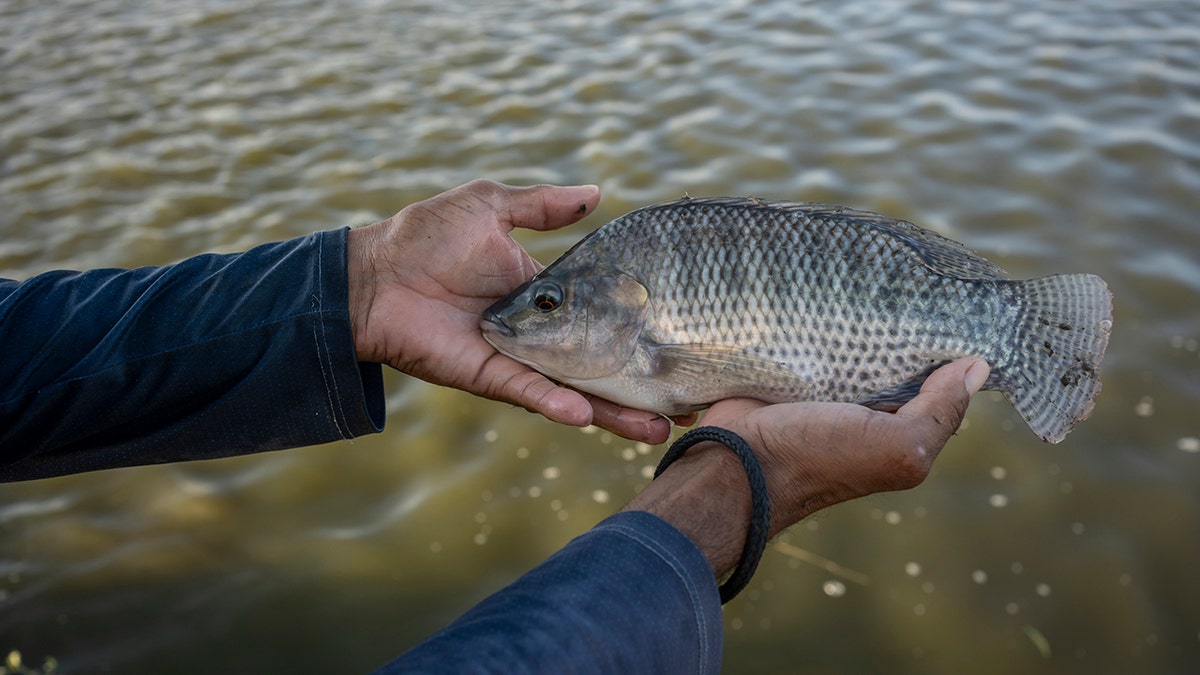
Experts say farm-raised seafood, seen above, can vary significantly depending on how individual farms manage feeding and environmental practices. (iStock)
"It comes down to trusting the source, trusting the provider that they're sourcing things the right way, and just doing a little bit of homework and educating yourself."
Consumers can have a difficult time navigating seafood choices, Frisch said, because of the wide variety of labels, certifications and species on the market.
COMMON GRILLING MISTAKE COULD STRIP FISH OF KEY NUTRIENTS AND RUIN YOUR MEAL, EXPERTS WARN
"If you compare [this] to how educated the consumer is around buying beef or chicken, where everything’s farmed, all they have to look for is: Is it USDA Choice or Prime?" he said.
"That's just a grade. They're not even looking at anything else in that respect. Is it antibiotic-free or not? Is it pasture raised?"

Consumers who are navigating seafood counters are often faced with competing claims about sustainability, nutrition and overall fish quality. (iStock)
That differs strongly with how Americans view seafood quality, he said.
"There's no easy equivalent," he said.
CLICK HERE FOR MORE LIFESTYLE STORIES
"We don't have a USDA organic standard to promote something like those other proteins do."
Health considerations
"Wild fish generally offer a better omega-3 to omega-6 ratio thanks to their natural diet," said Dr. Kristin Struble, an Arizona-based pediatrician.
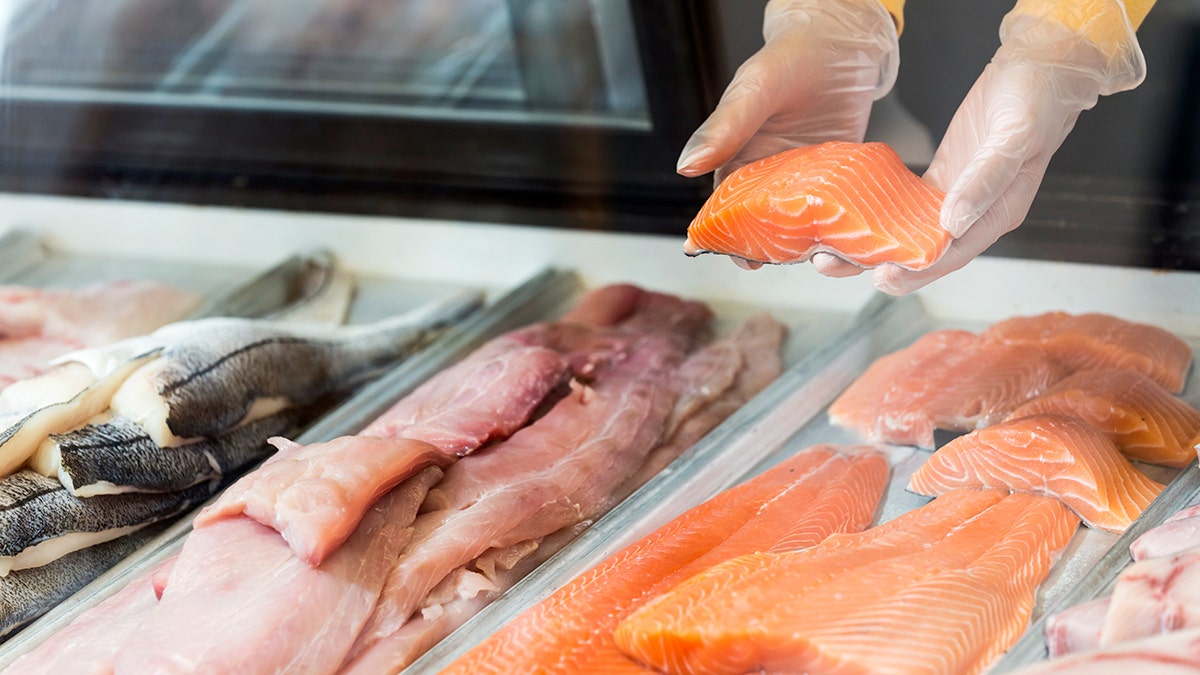
Seafood industry experts say there is no simple equivalent to USDA grading systems when evaluating seafood quality and sourcing. (iStock)
Farm-raised fish are often fed corn, soy and other plant-based feeds, she said.
They may also receive astaxanthin supplements to enhance their pink coloring.
CLICK HERE TO SIGN UP FOR OUR LIFESTYLE NEWSLETTER
"While astaxanthin is a natural antioxidant also found in wild salmon, the synthetic version used in farming is considered safe by the FDA," she told Fox News Digital.
CLICK HERE TO DOWNLOAD THE FOX NEWS APP
But Struble also cautioned consumers to be mindful of mercury levels in some wild fish, including bigeye tuna and swordfish.
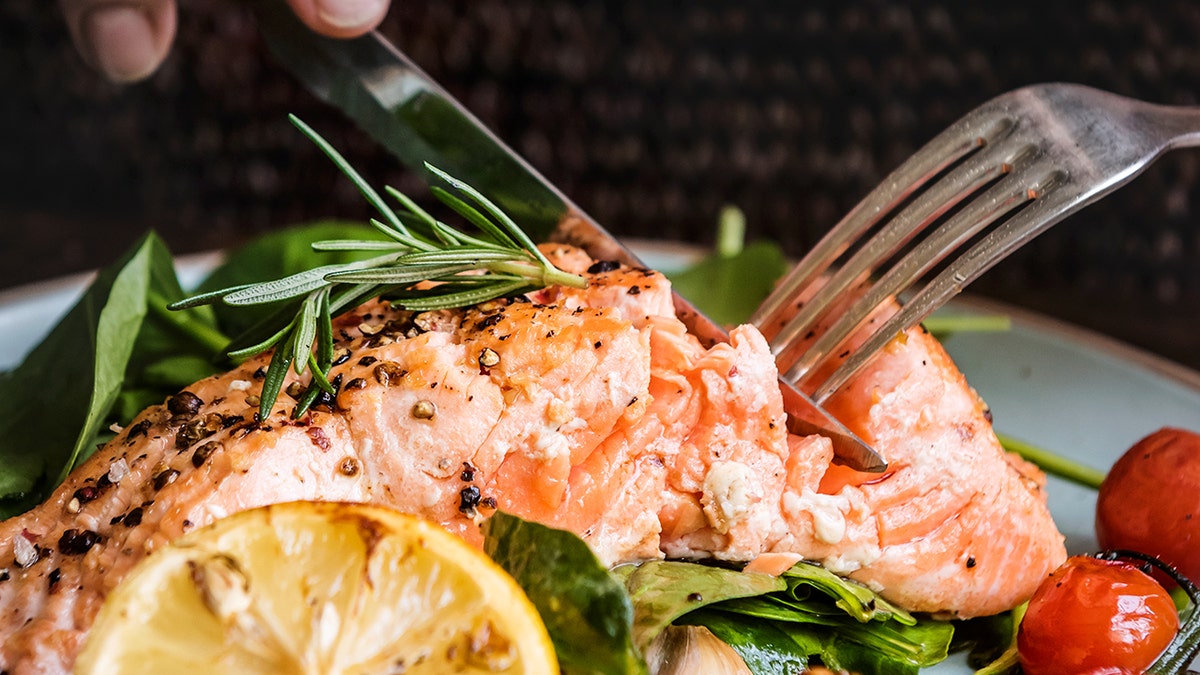
Salmon, whether wild or farmed responsibly, remains an excellent low-mercury seafood option, said one doctor. (iStock)
One fish that's low in mercury is salmon, she said.
TEST YOURSELF WITH OUR LATEST LIFESTYLE QUIZ
"Salmon, whether wild or well-managed farmed, is very low in mercury and an excellent choice," noted Struble.
https://www.foxnews.com/food-drink/farm-raised-fish-really-worse-than-wild-caught-seafood-experts-sounds-off