 Print
Print
 Close
Close

Older Americans are quitting GLP-1 weight-loss drugs for 4 key reasons
By Angelica Stabile
Published December 31, 2025
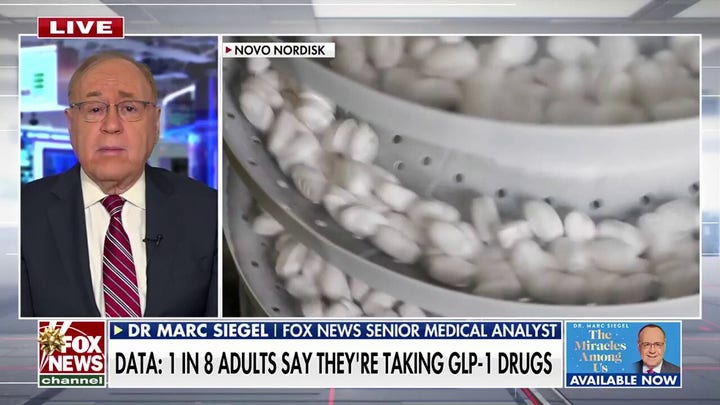
GLP-1 medications have dominated the weight-loss landscape this year — but some older Americans are reportedly kicking the trend to the curb.
A study published in JAMA in January 2025 — which looked at more than 125,000 overweight or obese people — found that nearly 47% of those with type 2 diabetes and 65% of those without diabetes stopped taking their prescribed GLP-1s within a year of starting them.
Dr. John Batsis, a geriatrician and obesity specialist at the University of North Carolina School of Medicine, told The New York Times in a recent report that people over 65 years old are "prime targets" for this medication, as obesity prevalence is about 40% in older adults.
4 ANTI-AGING APPROACHES REVEALED IN 2025 THAT MAY HELP AMERICANS LIVE LONGER
These drugs, which mimic a natural gut hormone called GLP-1 (glucagon-like peptide-1), are primarily used for type 2 diabetes and weight management. However, they have also been tested to target a variety of other conditions, like sleep apnea and cardiovascular events.
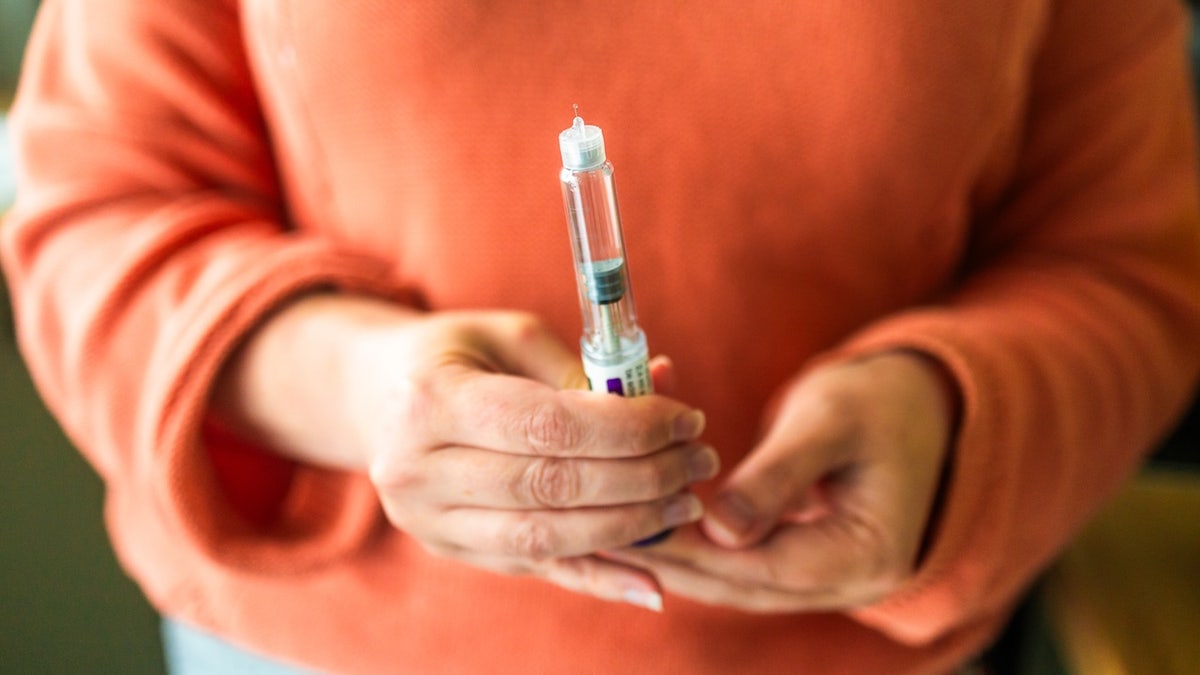
Older Americans have been discontinuing their use of GLP-1s for weight loss, according to studies. (iStock)
Starting and stopping these drugs often leads to weight regain, increased appetite and the loss of other associated health benefits, like redued blood pressure and cholesterol, according to Stamford Health and other experts. The risk for obesity-related conditions, such as heart disease and sleep apnea, may also increase.
GLP-1 WEIGHT-LOSS MEDICATIONS LINKED TO IMPROVED CANCER SURVIVAL IN CERTAIN PATIENTS
Despite the risks, some older Americans are reportedly abandoning their weight-loss medications for a variety of reasons, from intense side effects to climbing costs.
Below are four of the main reasons seniors might not stick to their GLP-1 prescriptions.
No. 1: Cost
The price of GLP-1 medications is a major factor in keeping up with treatment, especially as shortages threaten availability.
The New York Times shared the story of 75-year-old Mary Bucklew, a public transit retiree living in Delaware, who had been paying just a $25 monthly co-pay through her health insurance plan to receive Ozempic for weight loss.
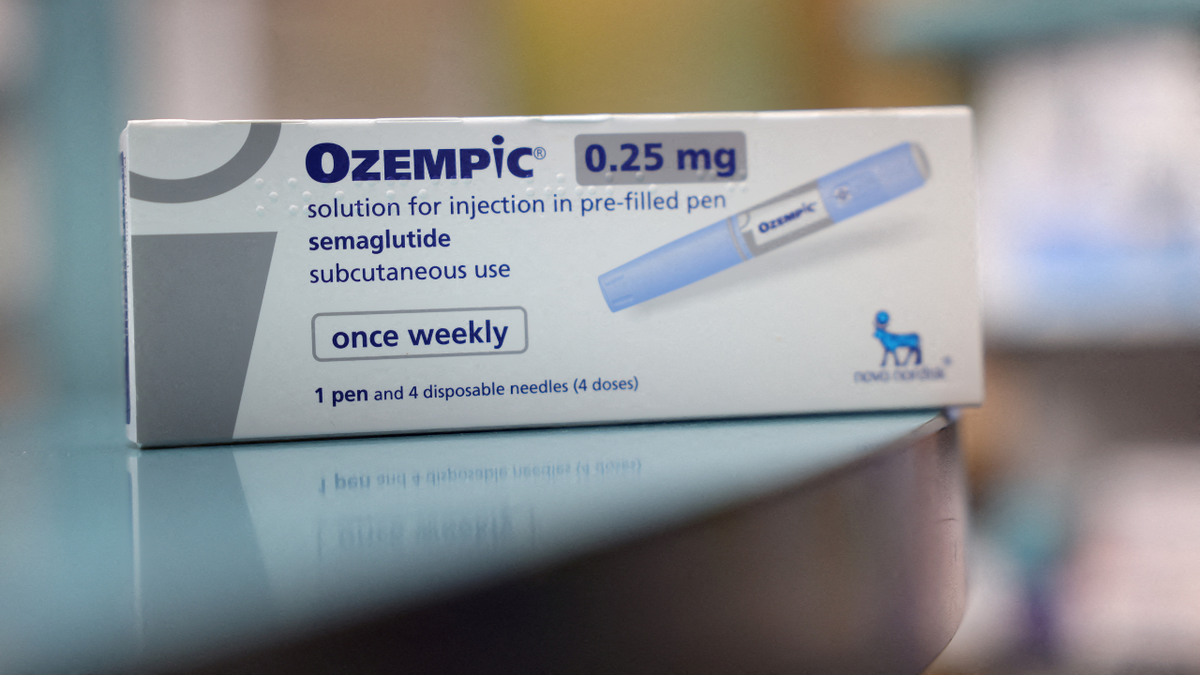
The price of GLP-1 medications like Ozempic is a major factor in keeping up with treatment, according to reports. (REUTERS/Hollie Adams/File Photo)
Bucklew lost 25 pounds in six months and reportedly gained more energy. But her insurance company notified her that they would no longer cover the drug, despite her arguments that it was necessary for her health.
Without the coverage, Bucklew’s prescription would cost more than $1,000 per month out of pocket, leaving her no choice but to stop taking it, per the report.
CLICK HERE FOR MORE HEALTH STORIES
Some GLP-1 manufacturers have made efforts to make the products more accessible. In December 2025, Lilly announced that it would lower the price of Zepbound (tirzepatide) single-dose vials.
"Far too many people who need obesity treatments still face cost and coverage barriers," said Ilya Yuffa, executive vice president and president for Lilly USA, in the announcement. "Today’s action underscores Lilly’s commitment to improving access across the obesity care landscape. We will keep working to provide more options — expanding choices for delivery devices and creating new pathways for access — so more people can get the medicines they need."
No. 2: Side effects
In an interview with Fox News Digital, Dr. Sue Decotiis, a medical weight loss doctor in New York City, confirmed that more than half of seniors stop taking a GLP-1 medication due to cost or side effects.
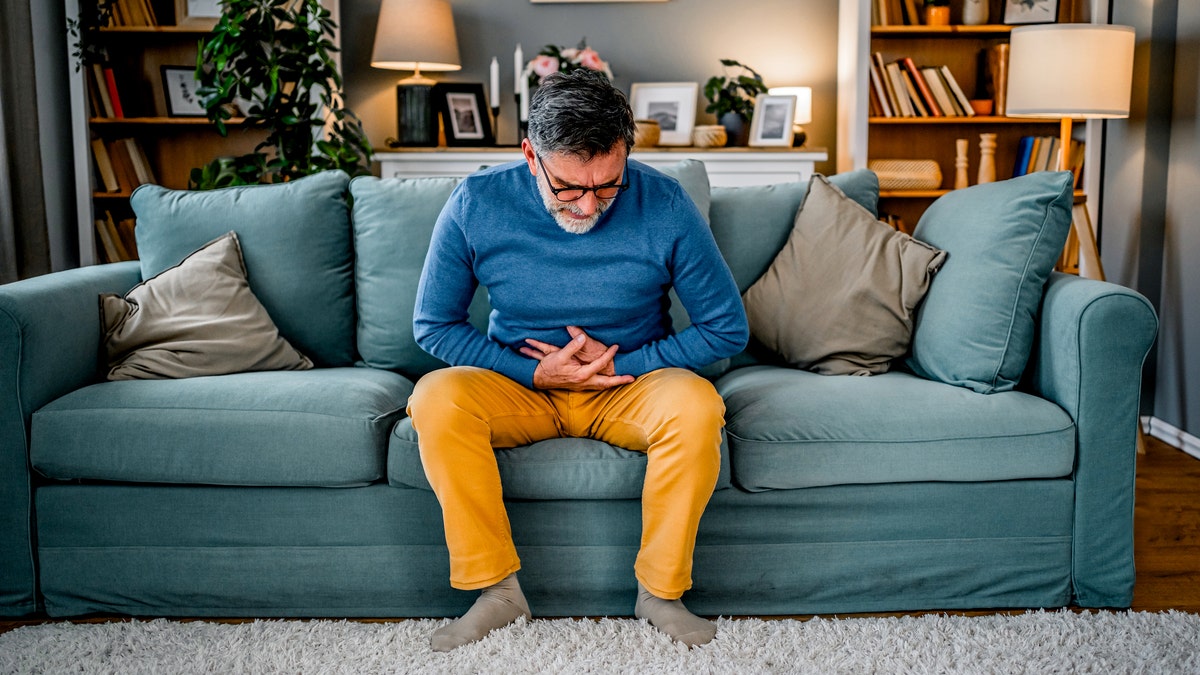
Gastrointestinal side effects are the most common side effect of GLP-1s. (iStock)
Common side effects often include nausea, vomiting, diarrhea, constipation, bloating, headaches, fatigue and hair thinning, according to experts.
NEW WEGOVY PILL OFFERS NEEDLE-FREE WEIGHT LOSS — BUT MAY NOT WORK FOR EVERYONE
"Older patients may be more sensitive to the GI side effects, too," Decotiis said. "Careful monitoring by a physician who is knowledgeable in the area of medical weight loss is imperative."
No. 3: Dehydration
Older patients are often dehydrated from the start and do not consume enough water to offset GLP-1 side effects, according to Decotiis.
CLICK HERE TO SIGN UP FOR OUR HEALTH NEWSLETTER
"A body composition scale can determine water muscle mass and bone density, and can show the patient by illustration what they need to do," she advised.
In Novo Nordisk’s official Wegovy prescribing information, the drugmaker warns that nausea, vomiting and diarrhea can lead to dehydration, stating that it's "important to drink plenty of fluids to prevent dehydration," especially for people with underlying kidney issues.
No. 4: Muscle loss
Muscle loss, which is another side effect of GLP-1 medications, can be "detrimental" in this age group, Decotiis cautioned.
When people are dehydrated or don’t consume enough protein, they may lose more muscle and less fat, she said.

Muscle mass loss occurs naturally with age and can be worsened by weight loss drugs, experts warn. (iStock)
An October 2024 review from the American Heart Association cited two recent studies showing that less than half of the weight lost from GLP-1 medications came from fat, with a substantial portion coming from muscle mass.
The loss of muscle among older individuals can lead to an increased risk of falls and fractures. After age 35, muscle mass may decrease by up to 2% each year, according to Harvard Health — and that number increases to 3% after age 60.
CLICK HERE TO DOWNLOAD THE FOX NEWS APP
People can take certain steps to counter the risk of semaglutide-related muscle loss, experts agree.
"It starts with heightened surveillance from both the patient and the physician," Dr. Brett Osborn, a Florida-based neurosurgeon and longevity expert, previously told Fox News Digital. He recommends that physicians conduct regular body measurements of patients and adjust the medication dosage if benchmarks are not being met.
Finding success and sticking to it
Healthcare providers who approve the use of these medications without "carefully following" the patients can contribute to failure of the medications, according to Decotiis.
"Many of the patients who quit their GLP-1 drugs could have stayed on them with the right personalized care."
"Often, using a customized dosing plan helps the patient avoid undue side effects and helps them burn more fat, which is the mechanism by which GLP drugs work long-term and systemically," she told Fox News Digital. "For certain patients, a high-quality compounded GLP-1 can achieve tailored dosing."
TEST YOURSELF WITH OUR LATEST LIFESTYLE QUIZ
"Many of the patients who quit their GLP-1 drugs could have stayed on them with the right personalized care."
https://www.foxnews.com/health/older-americans-quitting-glp-1-weight-loss-drugs-4-key-reasons