 Print
Print
 Close
Close

YouTube TV billing scam emails are hitting inboxes
By Kurt Knutsson, CyberGuy Report
Published February 20, 2026
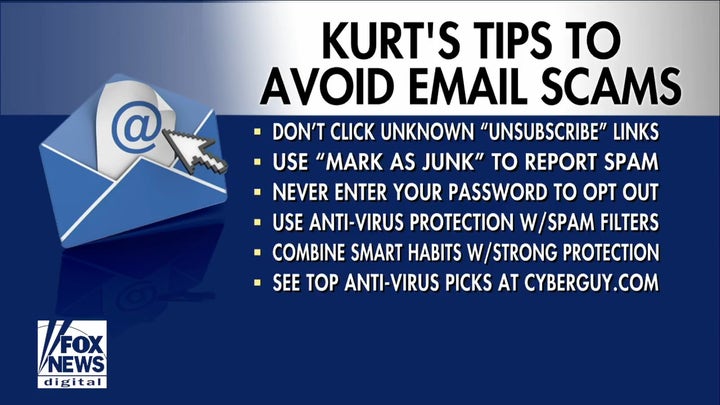
An email arrived that looked like a routine billing alert for YouTube TV Premium. Near the top, it displayed "BILLING FAILED" in capital letters. Below that, the message claimed the payment was declined and urged immediate action to keep streaming. This email was sent to us by Jackie from New York, NY, who immediately knew something was wrong.
"I'm not a YouTube TV Premium subscriber so I knew right away this was a scam. So why am I receiving these emails?"
That question matters. If a billing alert references a service you do not use, it is almost always a scam. The email still appeared legitimate. Billing notices like this are common, and scammers rely on that familiarity to slip past quick checks.
Another warning sign appeared in the sender's details. The message was routed through a domain with no connection to Google or YouTube. That mismatch confirmed what Jackie already suspected.
Sign up for my FREE CyberGuy Report
Get my best tech tips, urgent security alerts and exclusive deals delivered straight to your inbox. Plus, you’ll get instant access to my Ultimate Scam Survival Guide – free when you join my CYBERGUY.COM newsletter.
TAX SEASON SCAMS 2026: FAKE IRS MESSAGES STEALING IDENTITIES
Cybersecurity experts warn that billing emails from domains unrelated to Google or YouTube are a major red flag. (Photo by S3studio/Getty Images)
Why this scam feels so convincing
Scammers understand behavior. People skim emails. They react quickly when access to familiar services feels threatened. This message uses recognizable branding, clean formatting and simple language. It also assumes the recipient already subscribes. That assumption is intentional. These emails go out in bulk, knowing some recipients really do have YouTube TV and may act before verifying.
Urgency language is meant to push for quick action
Scam emails rely on pressure. This one uses several subtle cues.
‘BILLING FAILED’ draws immediate focus
Capital letters pull attention to the problem first. It feels like a system notice, even though no real account check took place.
‘Fix your payment now to keep streaming’ creates momentum
That line suggests access could stop at any moment. Scammers know interruptions feel urgent, so they push fast decisions.
‘Status: Payment declined’ sounds technical
The word status makes the message feel automated and official. In reality, scammers use vague labels because they cannot see real billing data.
'Date: Today' adds time pressure
Including today makes the issue feel current and unresolved. Legitimate companies rarely demand same-day action through email links alone.
When urgency replaces clarity, that pressure itself becomes the warning sign.
ROBINHOOD TEXT SCAM WARNING: DO NOT CALL THIS NUMBER
Scam emails mimicking YouTube TV billing notices use urgent language and fake support buttons to steal login and payment details. (Robert Michael/picture alliance via Getty Images)
Red flags hiding in plain sight
The layout of the email matters as much as the wording.
"Confirm billing" buttons are designed to prompt clicks
The red CONFIRM BILLING button encourages action before verification. Real companies usually direct users to sign in normally, not through a single email button.
"Contact support" links can be misleading
The black CONTACT SUPPORT button looks official and helpful. In scam emails, these links often lead to fake support pages or phishing forms.
Color and design influence behavior
Red suggests urgency. Dark colors suggest authority. Familiar branding builds comfort. Together, they encourage quick action.
If an email pushes any button to fix a problem, pause and verify first.
The biggest red flag most people miss
The message claims to be about YouTube TV. The sending infrastructure points somewhere else. Lifeheaters.com has no legitimate relationship with Google or YouTube. Billing emails should always come from official domains tied directly to the company.
We reached out to Google, YouTube's parent company, and a spokesperson told us, "We can confirm that this is a phishing scam and not an official communication from YouTube."
How to protect yourself from YouTube TV billing email scams
If you receive a billing alert like this, pause before acting. Scammers rely on speed and stress. These steps help you stay in control.
1) Go straight to the official website or app
Instead of clicking links in the email, open a new browser tab. Then go directly to the official YouTube TV website or app. Real billing issues always appear inside your account dashboard.
2) Check billing inside your account settings
Once you are logged in, review your payment status. If there is a real problem, you will see it there. If everything looks normal, the email is fake.
3) Inspect links before you click
Hover your cursor over any link in the email. Look closely at the destination. If the domain does not clearly match Google or YouTube, do not click it. That mismatch is a major warning sign. Also, installing strong antivirus software adds a critical layer of protection. It can block malicious links, flag phishing pages and stop malware before it installs. That matters if you accidentally click the wrong thing. The best way to protect yourself from malicious links that install malware and potentially access your private information is to have strong antivirus software installed on all your devices. This protection can also alert you to phishing emails and ransomware scams, keeping your personal information and digital assets safe.
Get my picks for the best 2026 antivirus protection winners for your Windows, Mac, Android & iOS devices at Cyberguy.com.
4) Act fast if you already clicked
If you clicked the link or entered information, respond quickly. Change your Google password right away. Consider using a password manager to securely store and generate complex passwords, reducing the risk of password reuse. Then review recent account activity and payment methods for any suspicious activity.
Next, see if your email has been exposed in past breaches. Our No. 1 password manager pick includes a built-in breach scanner that checks whether your email address or passwords have appeared in known leaks. If you discover a match, immediately change any reused passwords and secure those accounts with new, unique credentials.
Check out the best expert-reviewed password managers of 2026 at Cyberguy.com.
5) Remove your data from data broker sites
Scammers often target people using leaked personal data. A data removal service helps reduce how much of your information is floating around online. Less exposed data means fewer targeted scam attempts.
While no service can guarantee the complete removal of your data from the internet, a data removal service is really a smart choice. They aren't cheap, and neither is your privacy. These services do all the work for you by actively monitoring and systematically erasing your personal information from hundreds of websites. It's what gives me peace of mind and has proven to be the most effective way to erase your personal data from the internet. By limiting the information available, you reduce the risk of scammers cross-referencing data from breaches with information they might find on the dark web, making it harder for them to target you.
Check out my top picks for data removal services and get a free scan to find out if your personal information is already out on the web by visiting Cyberguy.com.
Get a free scan to find out if your personal information is already out on the web: Cyberguy.com.
6) Watch for sender domains that do not match
Legitimate companies send billing emails from their own domains. A message about YouTube TV should never route through an unrelated site like lifeheaters.com. That disconnect alone is enough to walk away.
7) Never update payment info through email links
Scammers want your login details or credit card number. Avoid giving them either. Always update billing information directly inside your account, not through an email prompt.
HOW TO SAFELY VIEW YOUR BANK AND RETIREMENT ACCOUNTS ONLINE
Google confirmed a YouTube TV "billing failed" email routed through an unrelated domain was a phishing scam. (Jakub Porzycki/NurPhoto via Getty Images)
Kurt's key takeaways
This email looked polished. The message felt urgent. The branding felt familiar. Yet one small detail gave it away. Billing emails should always come from official domains and verified accounts. When they do not, trust your instincts and verify independently. Pausing for ten seconds can save you weeks of cleanup.
Have you received a billing or subscription email that looked real but turned out to be fake? What tipped you off? Let us know your thoughts by writing to us at Cyberguy.com.
CLICK HERE TO DOWNLOAD THE FOX NEWS APP
Sign up for my FREE CyberGuy Report
Get my best tech tips, urgent security alerts and exclusive deals delivered straight to your inbox. Plus, you’ll get instant access to my Ultimate Scam Survival Guide – free when you join my CYBERGUY.COM newsletter.
Copyright 2026 CyberGuy.com. All rights reserved.
https://www.foxnews.com/tech/youtube-tv-billing-scam-emails-hitting-inboxes