 Print
Print
 Close
Close

The key strategy red states are using to lower housing costs revealed
By Amanda Macias
Published June 05, 2026
Texas, Florida and other booming red states aren't just winning the migration race because of lower taxes and warmer weather — they've also embraced an anti-regulation housing strategy that many high-cost states have resisted.
As Americans and businesses continue pouring into southern states, the influx is testing whether fast-growing regions can add enough homes and infrastructure to keep pace. And southern states are keeping up by decreasing regulations that put roadblocks up for faster construction of new builds.
Housing industry leaders say southern states that have prioritized new construction have been better positioned to accommodate growth, while markets burdened by restrictive zoning rules, lengthy permitting processes and other regulatory hurdles have struggled to add supply and keep home prices in check.
ONE SOUTHERN CITY YOU'VE NEVER HEARD OF IS GROWING FASTER THAN ANYWHERE ELSE IN AMERICA
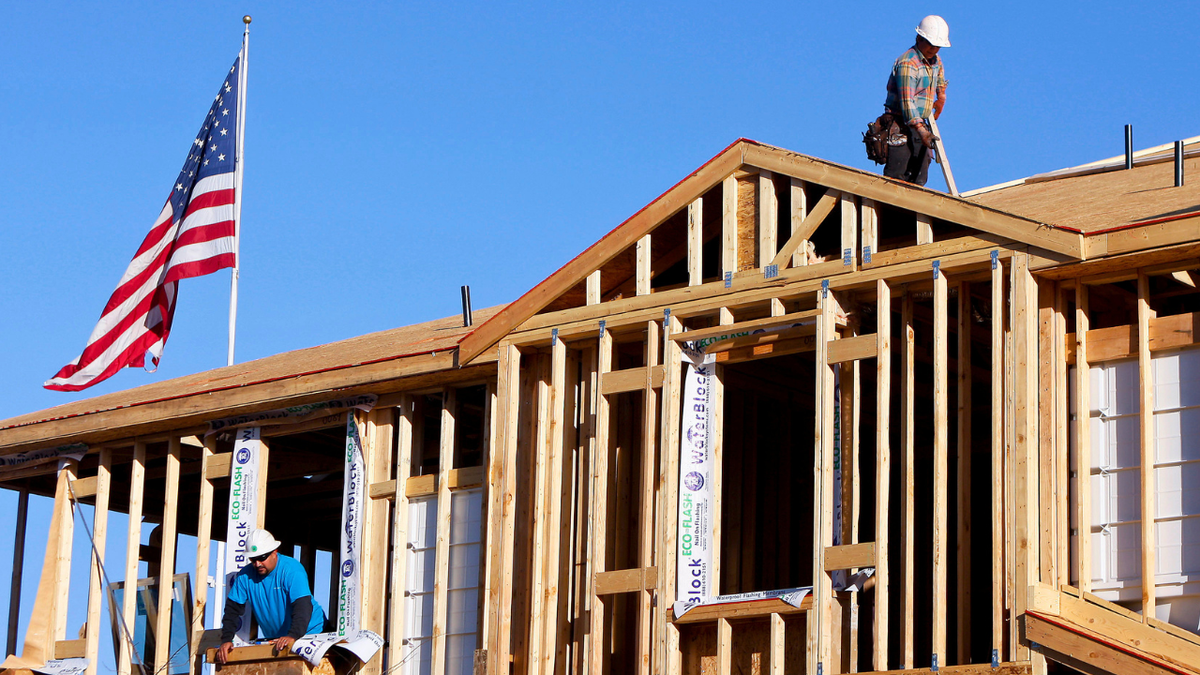
Housing industry leaders say states that have prioritized homebuilding have been better positioned to accommodate population growth and economic expansion. (Joshua Lott/Bloomberg/Getty Images)
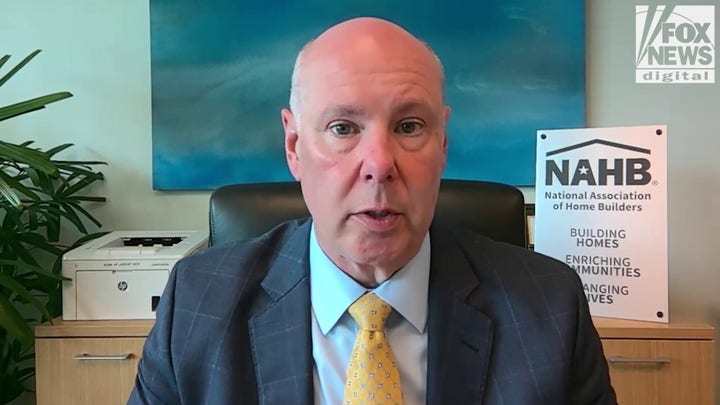
That willingness to build has become a competitive advantage, according to Jim Tobin, president and CEO of the National Association of Home Builders.
"Those economies are wide open. They are inviting more businesses, they're generally low-tax states and they've made housing a priority," Tobin told Fox News Digital. "They've got the land and the will and courage to let builders build in those areas to meet the housing demand for those new jobs."
The strategy is becoming increasingly important as Americans continue relocating from high-cost coastal markets to lower-tax states.
While rapid population growth can strain roads, utilities and public services, housing experts say states that pair infrastructure investments with homebuilding efforts are better equipped to accommodate newcomers without worsening housing shortages.
ONE TYPE OF PROPERTY IS QUIETLY SAVING AMERICANS THOUSANDS OF DOLLARS

But rapid growth comes with its own challenges, particularly when infrastructure fails to keep pace with new development.
"One of the main complaints is that infrastructure does not keep up with that influx of population or housing growth," Tobin said. "States that find themselves ahead of the curve are planning those two critical components, infrastructure and housing, together and are going to be better prepared for growth in the future."
Even states that have prioritized homebuilding continue to face cost pressures that can drive up home prices. According to the National Association of Home Builders, government regulations account for roughly 24% of the cost of a typical single-family home, adding nearly $95,000 to the average price of a new house.
For multifamily housing, the burden is even higher. Tobin said regulations account for roughly 41% of the cost of a typical apartment or multifamily unit, underscoring the role government rules can play in shaping housing affordability.
AMERICA'S NEXT ECONOMIC POWERHOUSE MAY BE RISING IN RED-STATE TERRITORY
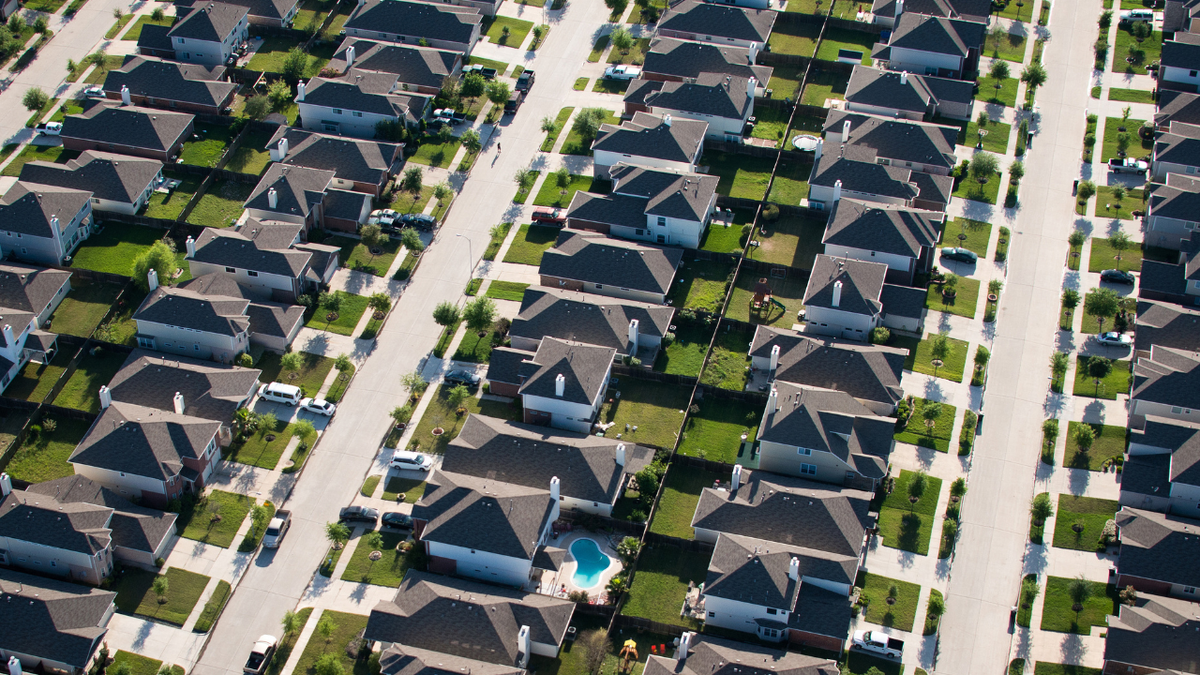
Newly built homes line a residential development in a fast-growing Sun Belt market. Housing supply and infrastructure have become key issues as more Americans relocate to the region. (Smiley N. Pool/Houston Chronicle/Getty Images)
The costs have drawn renewed attention from policymakers in Washington searching for ways to increase housing supply and improve pricing.
Tobin pointed to a bipartisan housing package moving through Congress that aims to encourage local governments to reduce regulatory barriers to development and adopt policies that make it easier to build new housing.
The legislation comes as housing affordability remains a top concern for many Americans, with elevated mortgage rates and limited inventory continuing to put homeownership out of reach for many first-time buyers.
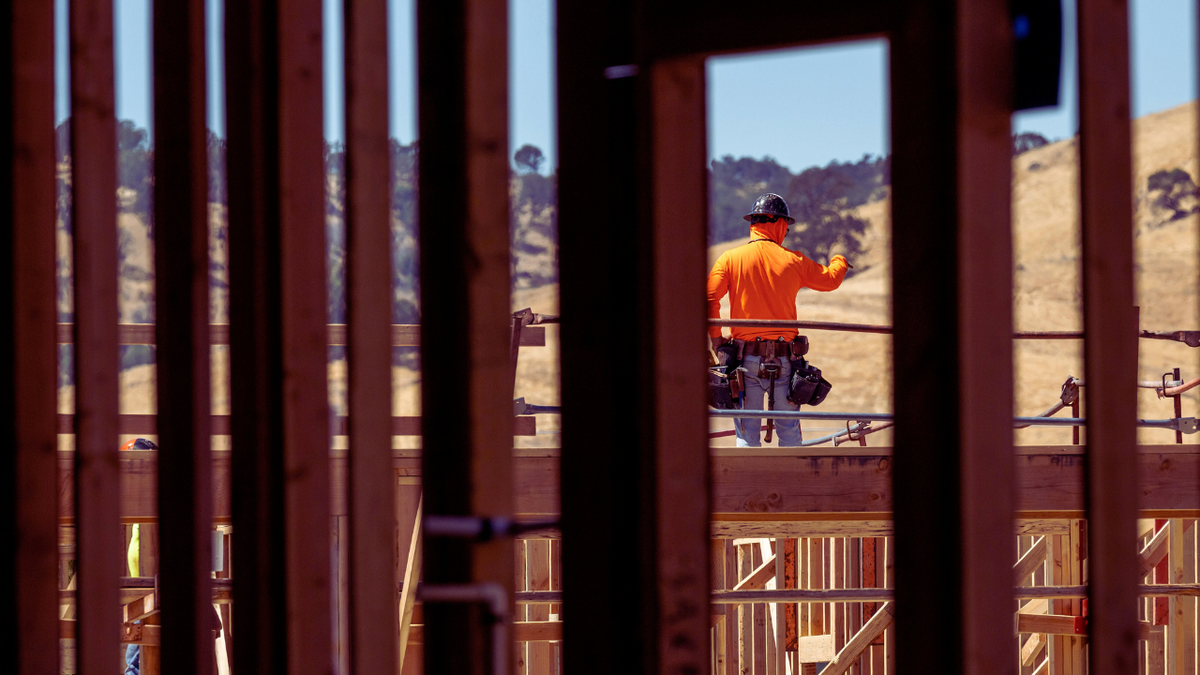
NAHB estimates government regulations add nearly $95,000 to the price of a typical new home. (David Paul Morris/Bloomberg/Getty Images)
CLICK HERE TO DOWNLOAD THE FOX NEWS APP
The issue has also taken on greater political significance ahead of the midterm elections, as voters continue to rank the cost of living among their top economic concerns.
"The answer to the housing crisis in the country is more supply," Tobin said. "This bill will absolutely help us build more supply affordably."
https://www.foxnews.com/politics/key-strategy-red-states-using-lower-housing-costs-revealed