 Print
Print
 Close
Close

The zero-calorie sugar substitute you're using may do more than sweeten food, study says
By Deirdre Bardolf
Published January 27, 2026

A fruit most commonly known for being a zero-calorie sugar alternative may offer healthy compounds that go beyond sweetening coffee and baked goods, a new study says.
Researchers in China found that different types of monk fruit contain a mix of antioxidants and bioactive plant compounds tied to inflammation and metabolism, according to a study published this month in the Journal of the Science of Food and Agriculture.
Monk fruit, also known as Buddha fruit, is native to southern China and is a member of the gourd family. It's been used for centuries in traditional foods and remedies, but modern research has mostly focused on its role as a natural, non-glycemic sweetener.
SCIENTISTS DISCOVER 'SUPERFOOD' POTENTIAL IN OVERLOOKED VEGETABLE MOST AMERICANS CAN'T PREPARE
"From a dietitian's perspective, monk fruit is best known for its naturally sweet compounds, which allow it to be used in foods and drinks without adding sugar," Kelly Springer, a registered dietitian in Skaneateles, New York, and founder of Kelly's Choice, told Fox News Digital. Springer was not affiliated with the study.
The fruit has a spongy texture. It's typically dried rather than eaten raw, with a brittle shell and stringy pulp that's traditionally cracked open and steeped to make a mildly sweet, herbal tea.
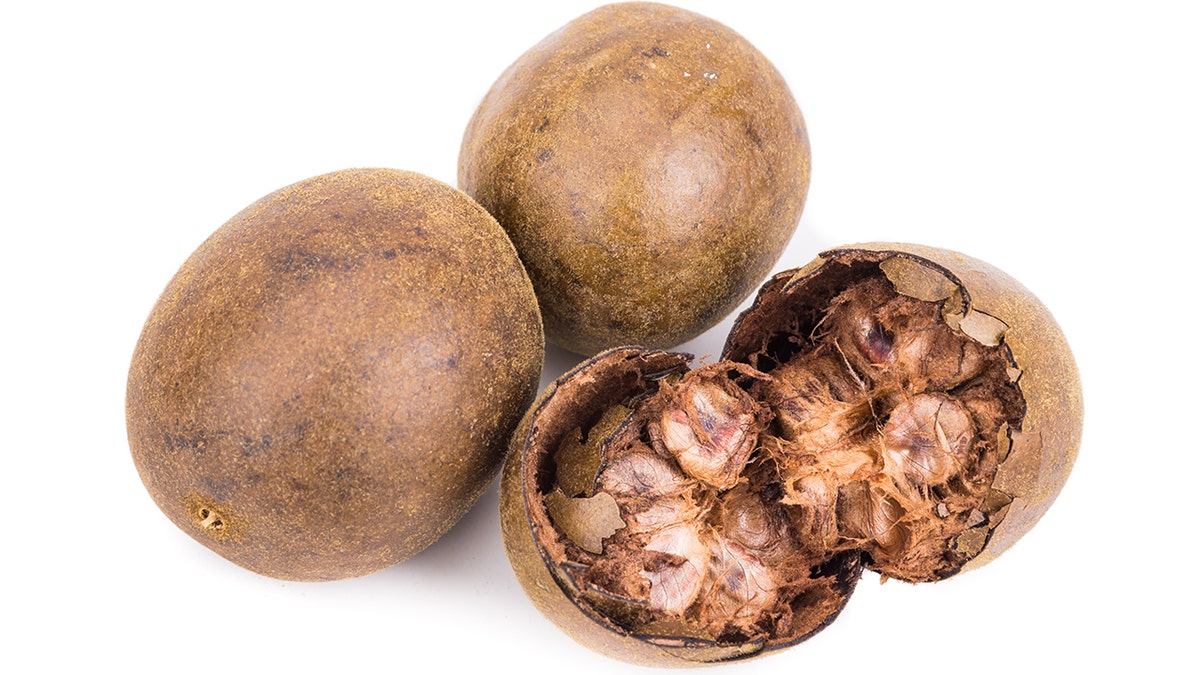
Monk fruit, native to southern China, has long been used in traditional foods and remedies. (iStock)
The study aimed to take a closer look at the fruit's peel and pulp rather than just the sweetening compounds typically extracted for commercial use.
The team identified several major groups of compounds, including antioxidants, flavonoids, terpenoids and amino acids.
CLICK HERE TO SIGN UP FOR OUR LIFESTYLE NEWSLETTER
Flavonoids and terpenoids are known for antioxidant and anti-inflammatory properties, while amino acids are essential for protein production, tissue repair and immune function.
"It also contains plant compounds that may contribute to the body's antioxidant defenses," Springer said.

Many Americans use monk fruit as a zero-calorie sweetener. (iStock)
Beyond identifying the compounds, scientists also studied how they interact with receptors in the body. Receptors help regulate biological pathways involved in processes such as inflammation, metabolism and cell protection.
The authors said that understanding these interactions may help explain why monk fruit has long been associated with health.
CLICK HERE FOR MORE LIFESTYLE STORIES
Another key finding was that not all monk fruit varieties are created equal.
Each variety showed a different combination and concentration of bioactive compounds, which could affect how the fruit is used in food products or supplements, according to the scientists.

Dried monk fruit is traditionally cracked open and steeped to make a tea. (iStock)
"It is crucial to conduct an in-depth investigation on the high-resolution metabolic profiles of different [monk fruit] varieties," the authors said in a statement, adding that the findings could inform both nutrition research and food manufacturing.
While the study highlights monk fruit's chemical complexity, researchers cautioned that the findings do not prove the fruit prevents disease.
TEST YOURSELF WITH OUR LATEST LIFESTYLE QUIZ
It also remains unclear whether monk fruit sweeteners provide the same benefits as the whole fruit.
"One barrier may be that most people don't encounter the whole fruit itself, and many modern products featuring monk fruit are highly processed or blended with other sweeteners," said Springer. "So reading ingredient lists remains important."

It remains unclear whether monk fruit sweeteners provide the same benefits as the whole fruit. (iStock)
Experts note that, because monk fruit extract is so sweet, it's typically used in small amounts, which could limit the health benefits it might provide.
"Still, this does add more weight to the conversation around choosing better-for-you sugar alternatives and monk fruit maybe being a better option than others," registered dietitian Jessica Cording, the New York-based author of "The Little Book of Game Changers," told Self magazine.
CLICK HERE TO DOWNLOAD THE FOX NEWS APP
Fox News Digital reached out to the study's authors for comment.
https://www.foxnews.com/food-drink/zero-calorie-sugar-substitute-youre-using-may-do-more-than-sweeten-food-study-says