 Print
Print
 Close
Close

Early Parkinson’s symptoms misdiagnosed for years, Terry Crews’ wife reveals
By Angelica Stabile
Published April 12, 2026

Parkinson’s disease most commonly affects older adults, with the average age of onset in the early to mid-60s. However, a smaller subset of patients develop early-onset symptoms before age 50.
Former NFL linebacker Terry Crews' wife, Rebecca King Crews, 60, recently announced that she’s been battling Parkinson's disease for over a decade. She first began noticing symptoms in 2012 and was diagnosed in 2015.
During an appearance on Monday's episode of "Today," King Crews got candid about living with the disease and shared how a newly approved procedure has helped manage her symptoms.
EARLY PARKINSON’S COULD BE DETECTED DECADES BEFORE SYMPTOMS WITH SIMPLE BLOOD TEST
King Crews detailed how she had "some slight numbness" in her left food at first. Her trainer also noticed a lack of swing in her arm when she walked.
"Then I woke up one morning and my hand was shaking," she recalled. "I said, 'Now that's a tremor,' because my grandmother had tremors. So I went to the doctor, and he told me, 'Oh, you're having anxiety, you'll be fine.'"

Terry Crews' wife, Rebecca King Crews, first noticed symptoms of Parkinson's disease in 2012. She was officially diagnosed in 2015. (Getty Images)
King Crews, who is also a breast cancer survivor, said she visited multiple doctors before receiving her Parkinson’s diagnosis.
Prevalence of early Parkinson's
It is not common to see Parkinson’s disease in people under 50 years old, according to Johns Hopkins Medicine, with only 2% of people diagnosed earlier than age 40.
The Parkinson’s Foundation has reported that about 4% of all cases begin before age 50, with the incidence of disease increasing with age.
COMMON SLEEP PROBLEM TIED TO SERIOUS NEUROLOGICAL DISORDER IN MAJOR NEW STUDY
An estimated 1.1 million Americans are living with Parkinson's, and that number is expected to rise to 1.2 million by 2030.
Symptoms tend to develop slowly over time, usually including tremors, muscle stiffness, slow movement and balance problems, according to Dr. Zachary Jordan, a neurologist at The Ohio State University Wexner Medical Center.
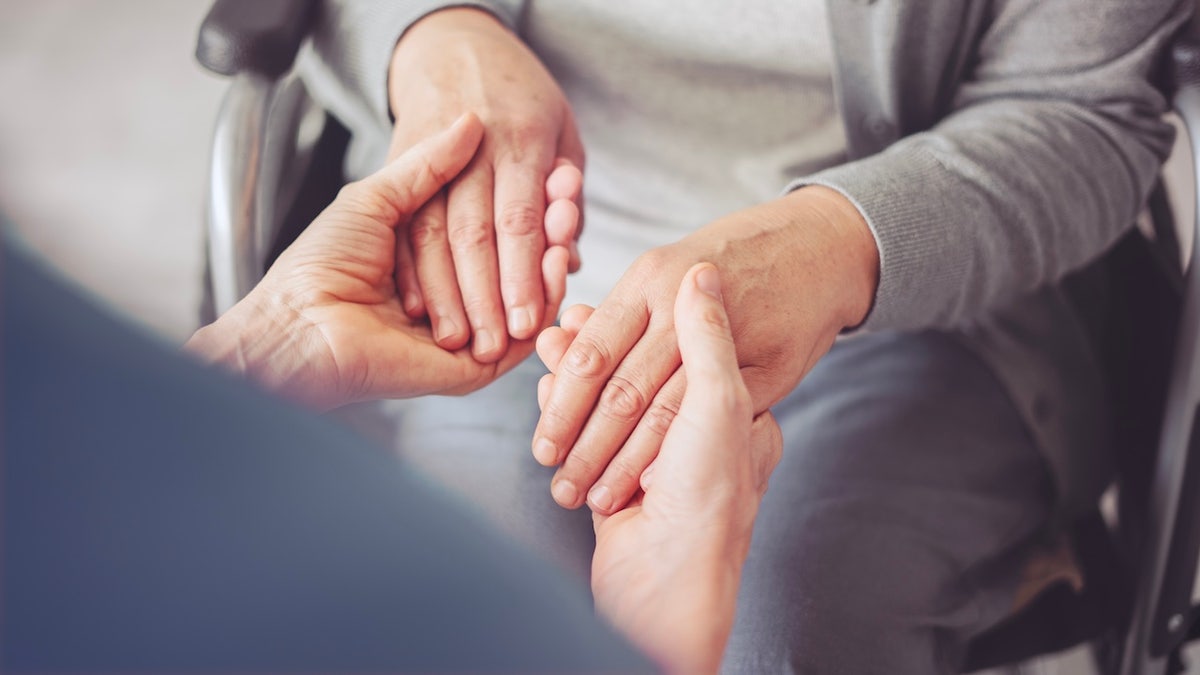
Patients with young-onset Parkinson’s disease (YOPD) are more likely to experience involuntary muscle contractions called dystonia, which occurs in different parts of the body. (iStock)
Patients with young-onset Parkinson’s disease (YOPD) are more likely to experience involuntary muscle contractions called dystonia, which occurs in different parts of the body, Jordan told Fox News Digital.
People with YOPD also report more involuntary body movements, but less frequent dementia-related symptoms. These patients tend to experience a slower progression over time, usually staying functional and "cognitively intact" for much longer.
Dr. Joel Salinas, a Harvard-trained behavioral neurologist and chief medical officer at Isaac Health, shared that Parkinson's "often announces itself subtly."
"Many people don't realize how many non-motor symptoms can appear early, sometimes even before the movement issues: changes in handwriting (getting smaller and more cramped), reduced sense of smell, sleep disturbances, constipation, and a soft or monotone voice," he said in an interview with Fox News Digital.
Since early signs are so varied, Parkinson's is frequently misdiagnosed in its initial stages, Salinas said, just as King Crews' early symptoms were dismissed.

When it comes to finding a cure for Parkinson's, Rebecca King Crews remains hopeful for the future. (Michael Kovac/Getty Images for Moet and Chandon)
The cause of Parkinson's is unknown, although YOPD cases are "slightly more likely" to be genetic, Johns Hopkins reports.
Growing research has linked early-onset Parkinson's to environmental exposures, such as pesticides and certain chemicals, as well as head trauma, according to Salinas.
Taking action
Although there is no proven prevention for Parkinson's, Salinas pointed to "strong evidence" that regular exercise may help slow disease progression.
There are some medications and therapies for Parkinson's, including the new FDA-approved treatment King Crews has undergone, called bilateral-focused ultrasound.

Men are diagnosed with Parkinson's at roughly 1.5 times the rate of women overall, but women with early-onset disease are sometimes underdiagnosed because their symptoms get attributed to other causes, like anxiety or hormonal changes, an expert said. (iStock)
The treatment uses a device called Exablate Neuro to "deliver ultrasound waves to targeted areas on both sides of the brain involved in Parkinson's movement symptoms, all guided by MRI," Salinas shared.
The FDA approved the therapy in July 2025 to treat both sides of the brain, six months apart. Salinas called it a "meaningful advance for the right patients."
CLICK HERE FOR MORE HEALTH STORIES
"It is non-invasive (no incisions, no risk of surgical bleeding), which makes it an appealing option compared to deep brain stimulation for patients who qualify," he said.
While focused ultrasound is not a cure, it represents a "category of intervention," according to Salinas.
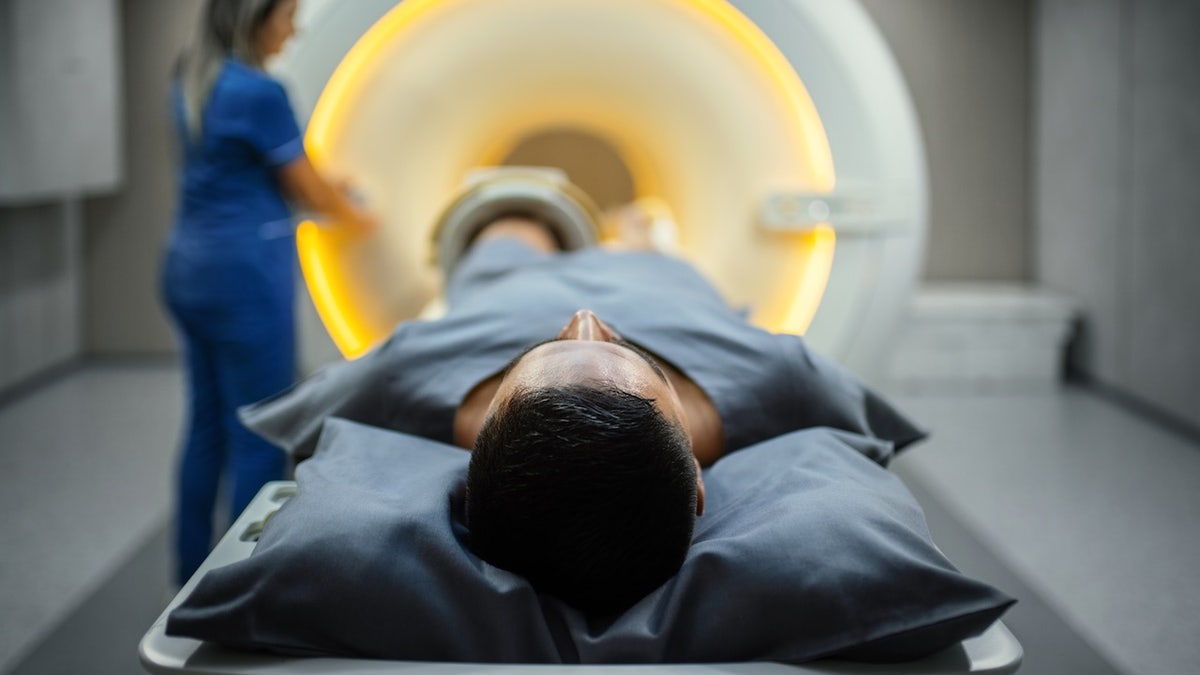
While focused ultrasound is not a cure, it represents a "category of intervention," according to an expert. (iStock)
The procedure, which is currently indicated for patients with advanced Parkinson’s motor symptoms, is expensive – and is not consistently covered by insurance.
CLICK HERE TO SIGN UP FOR OUR HEALTH NEWSLETTER
"I would encourage patients to ask their movement disorder specialist if they are a candidate and to advocate for insurance coverage, because this technology deserves to be broadly available," Salinas advised.
"Don't suffer in silence – get to a specialist and stay engaged with what's coming, because the landscape is changing fast."
Given the ongoing research into neuroprotective therapies for Parkinson's, "there is real reason for optimism," said Salinas.
"Don't suffer in silence – get to a specialist and stay engaged with what's coming, because the landscape is changing fast."
TEST YOURSELF WITH OUR LATEST LIFESTYLE QUIZ
Fox News Digital’s Christina Dugan Ramirez contributed to this report.
https://www.foxnews.com/health/early-parkinsons-symptoms-misdiagnosed-years-terry-crews-wife-reveals