 Print
Print
 Close
Close

6 things you didn't know about turkeys
Published March 20, 2018
Thanksgiving means delicious dinners for us, but it's a dangerous day for turkeys. Here are a few things you didn't know about Benjamin Franklin's favorite bird.
1. What does the turkey say?
(Reuters)
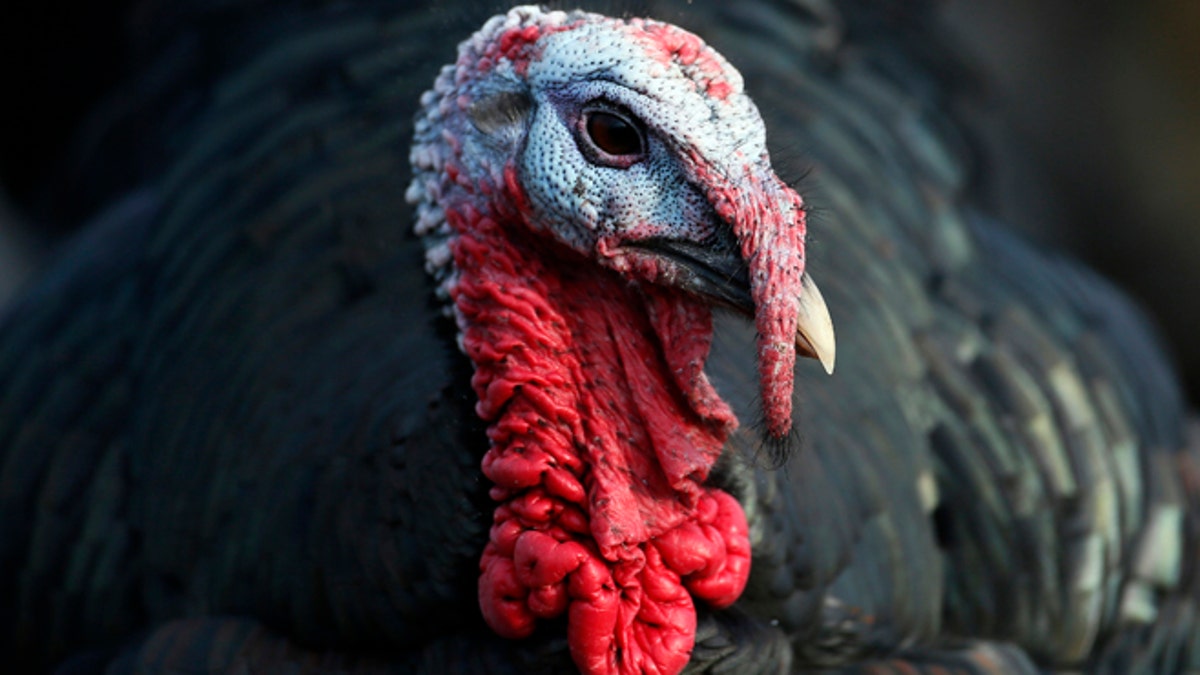
Not all turkeys gobble. Female turkeys don't make the iconic sound at all. Instead they make small, chirp noises while male turkeys rely on gobbling noises to attract potential mates.
2. Turkeys have names?
(AP)
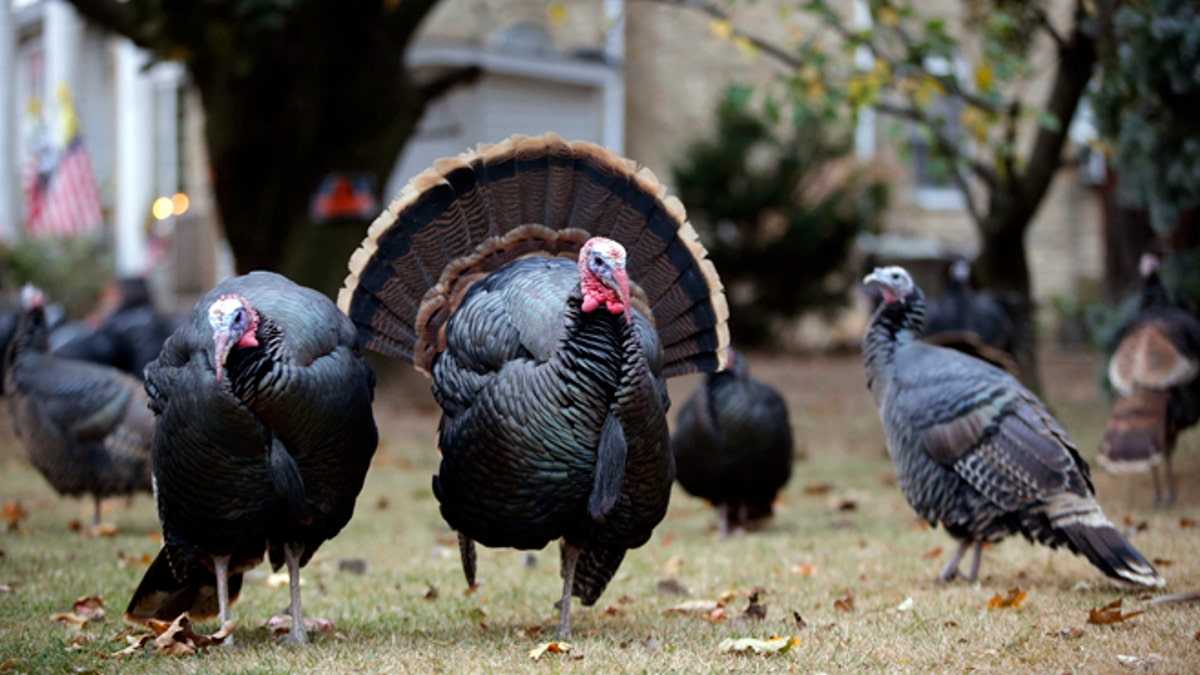
Male turkeys are called toms and female turkeys are call hens. Poults are baby turkeys, jakes are young males and jennies are young females.
3. Turkeys blush
(Reuters)
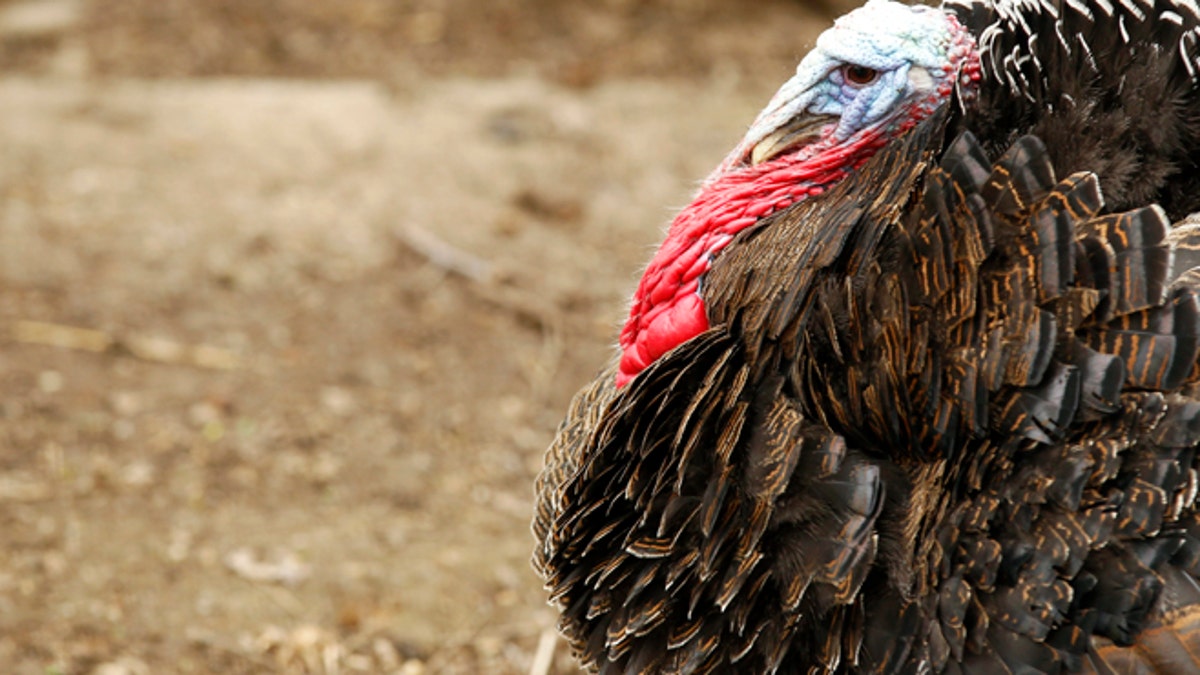
The skin on the head and neck of a turkey will quickly from a pale pink or bluish gray to a bright red, white or blue when it becomes excited, sick, scared or annoyed.
4. Some turkeys fly
(AP)
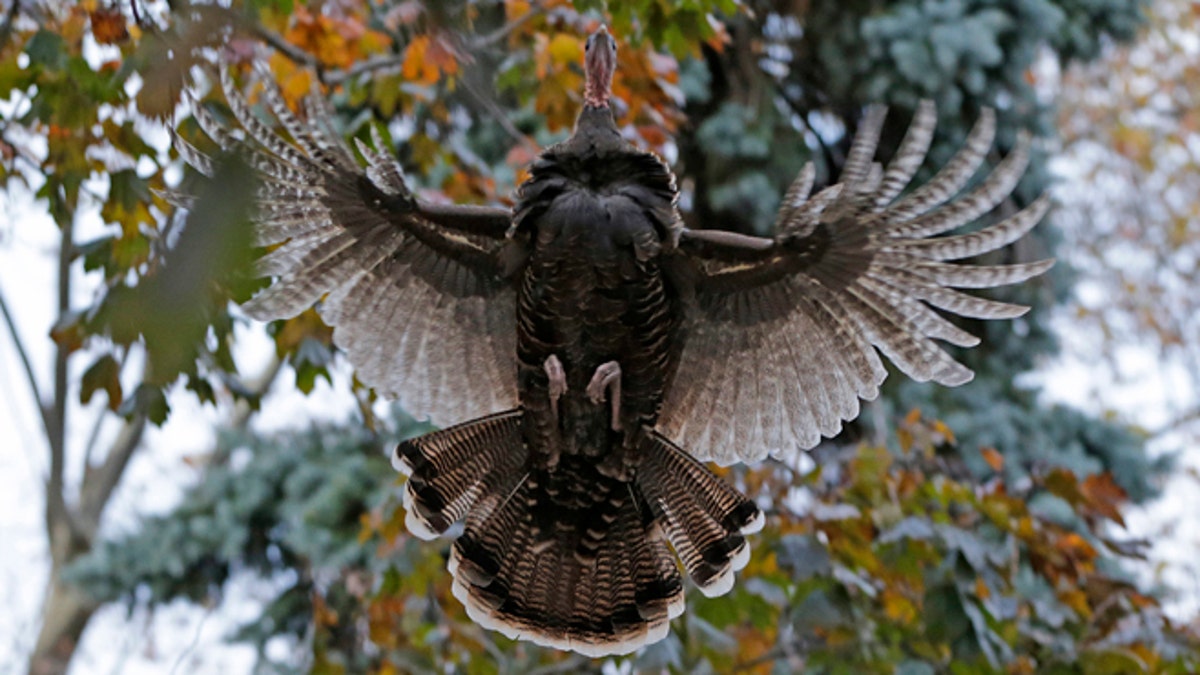
Wild turkeys can fly for short periods of times up to 55 miles per hour. However, they don't often spread their wings as their main sources of food are on the ground. The turkey that we eat cannot fly as they are weighted down by their own meat.
5. Turkeys sleep in trees
(AP)
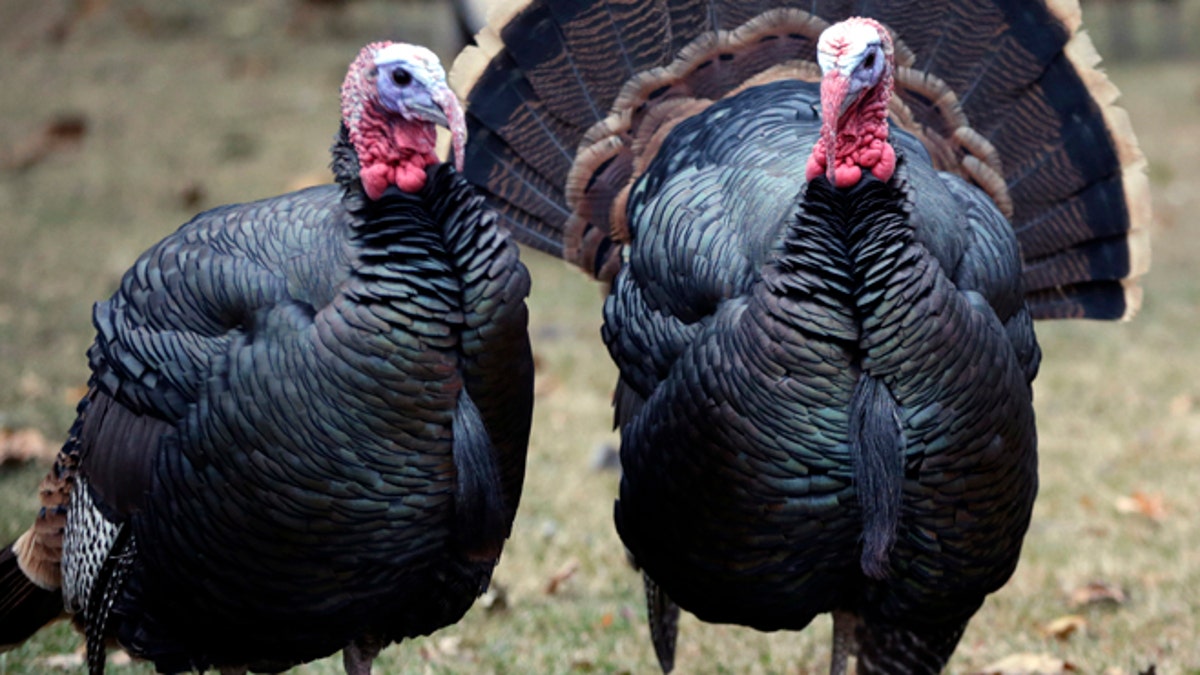
It may seem strange for such a hefty bird to sleep in the trees, but turkeys prefer higher ground at night to protect them from coyotes and other predators.
6. Turkeys have excellent vision
(Reuters)
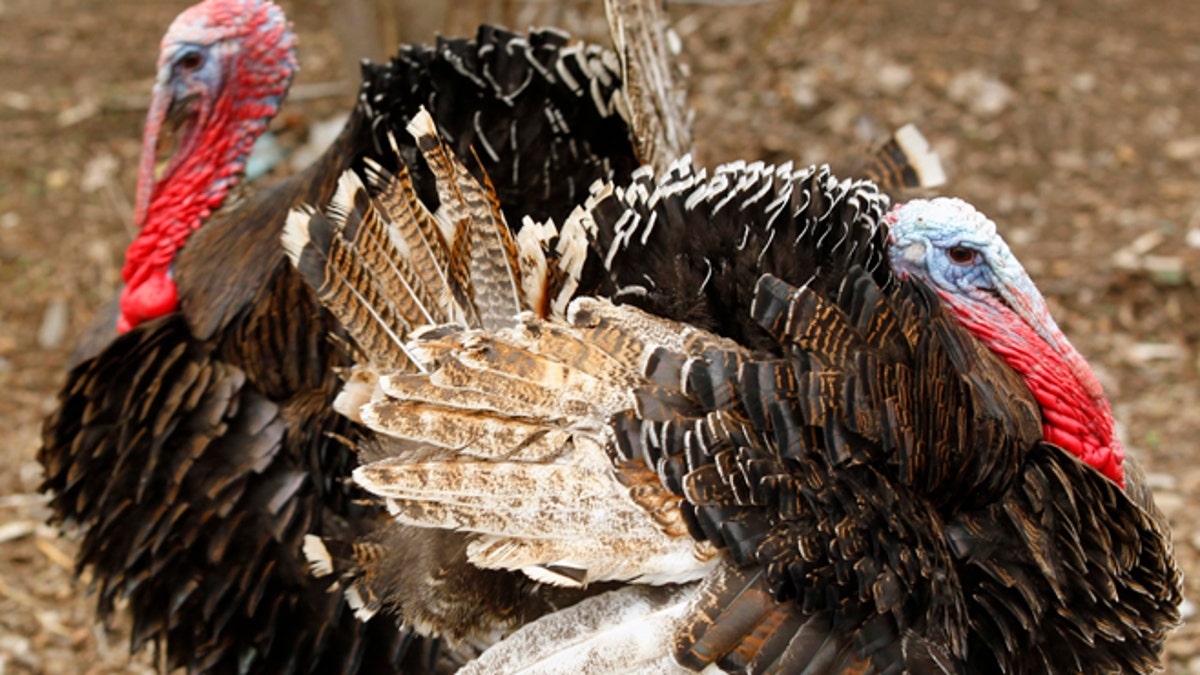
Forget 20/20, turkeys have a 360-degree field of vision. They can rotate their heads to get a full view of their surroundings.
https://www.foxnews.com/science/6-things-you-didnt-know-about-turkeys