 Print
Print
 Close
Close

TV networks have more leverage over the NFL and streamers than the league realizes
By Bobby Burack
Published May 16, 2026
The prevailing narrative around the NFL's media rights is that the league will pressure its television partners to pay significantly higher fees before the 2029-30 opt-out period begins (2030-31 for ESPN), or risk losing their packages to streaming platforms.
However, we are not convinced the NFL has as much leverage as it has led industry insiders and the public to believe. And, no, it's not because of scrutiny from the U.S. Justice Department.
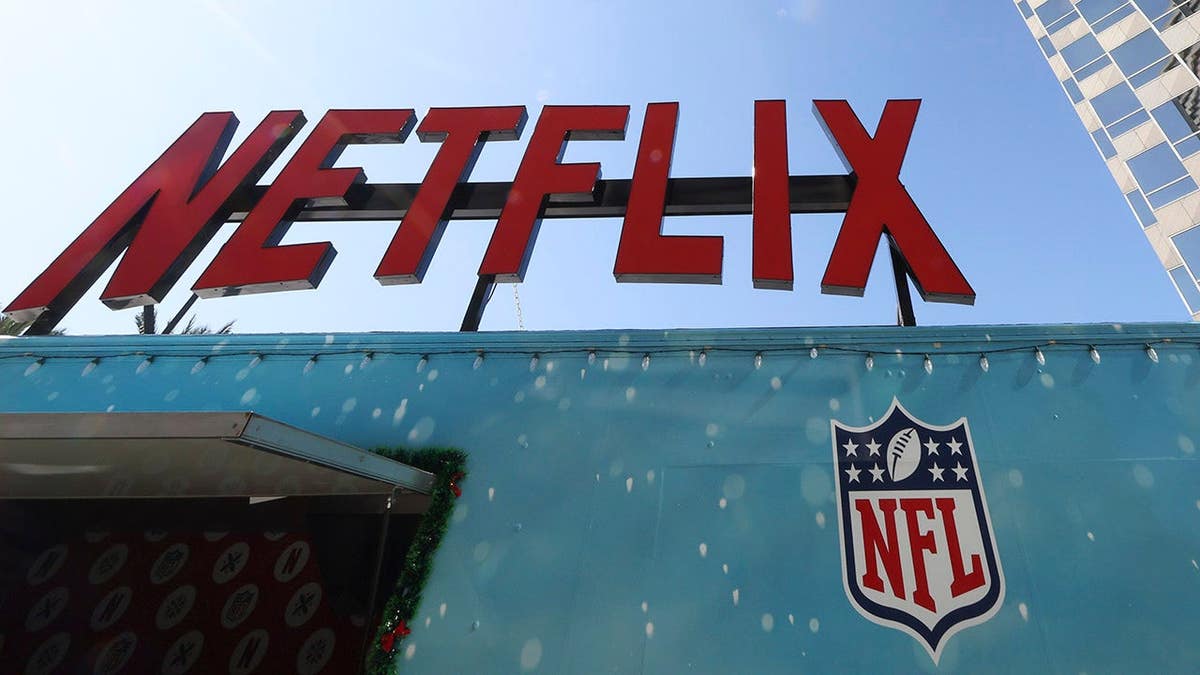
Netflix and NFL signage advertises the NFL's two Christmas Day marquee games streaming live on Netflix in New Orleans, Louisiana, on Dec. 1, 2024. (Aaron M. Sprecher/Getty Images)
To be sure, the current broadcast partners -- ESPN/ABC, Fox, CBS and NBC -- cannot compete financially with the tech companies circling the league. Alphabet, which owns Google and YouTube, carries a market cap of roughly $4.78 trillion. Amazon sits at $2.84 trillion. In a pure bidding war, traditional networks would almost certainly lose. But that scenario assumes the streamers actually want the same packages the networks currently hold.
CLICK HERE FOR MORE OUTKICK SPORTS COVERAGE
So far, the evidence suggests otherwise.
Netflix and YouTube have both expressed interest in adding NFL inventory, but consider the types of games they have pursued.
Netflix expanded its NFL package from two games to five this season, adding a Week 1 international game, a Thanksgiving Eve matchup and a Week 18 game alongside its Christmas Day doubleheader. That limited expansion aligns with what Netflix executives have publicly said about their strategy.
"We’re not bidding on whole seasons of sports, including the NFL," Netflix co-CEO Ted Sarandos told FOX Business host Maria Bartiromo this week.
Perhaps Netflix eventually adds a few more showcase windows, especially if the league opens more inventory to the market in 2029. But even then, the company appears focused on event programming rather than a full weekly schedule. There are also not many marquee standalone windows left for Netflix to pursue. Thanksgiving Eve already feels like a stretch.
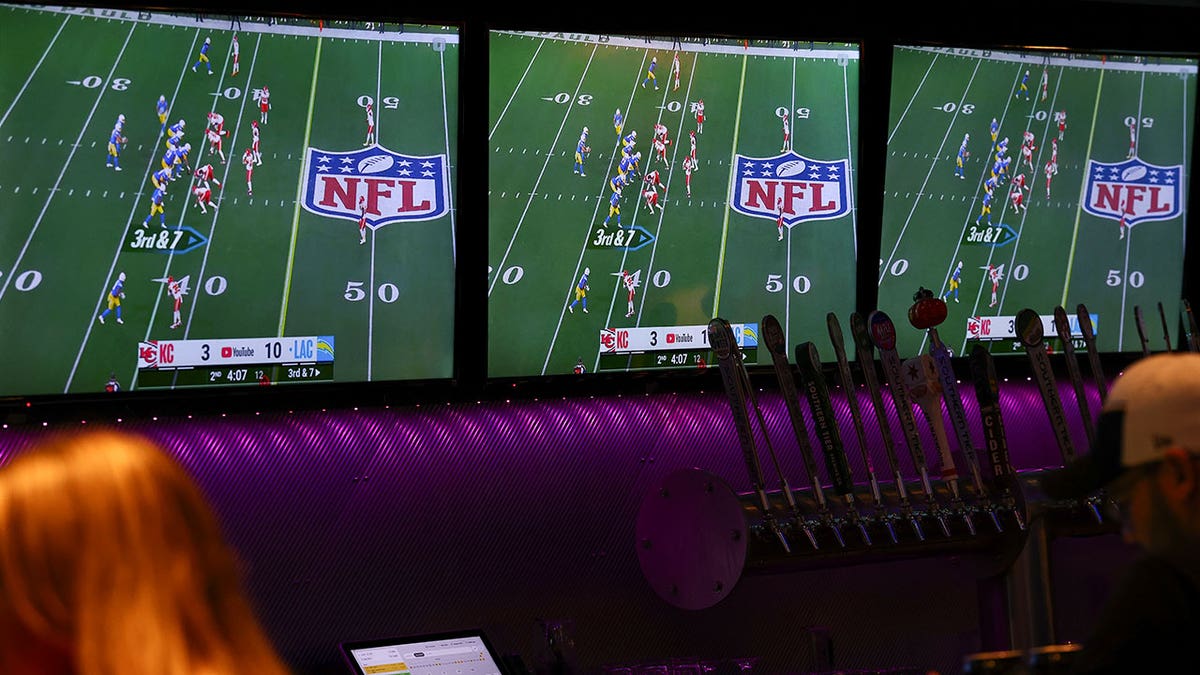
Streaming service EverPass Media announced it will become the exclusive commercial provider for NFL Sunday Ticket starting with the 2026 season. (Aaron M. Sprecher/Getty Images)
YouTube tells a similar story. Despite months of speculation that it would secure additional NFL rights, the platform will not carry any games this season. And while YouTube will likely remain interested in future opportunities, its focus also appears to be on premium events rather than weekly packages.
Its business model helps explain why. The core YouTube platform is free. Airing last season’s Chiefs-Chargers game from Brazil at no cost made sense as a promotional event. Carrying an entire NFL season for free would not.
ZERO BS. JUST DAKICH. TAKE THE DON’T @ ME PODCAST ON THE ROAD. DOWNLOAD NOW!
YouTube TV is not an ideal destination either. At roughly $85 per month, placing NFL games behind that paywall would significantly reduce the league’s reach.
Apple, despite a market cap of approximately $4.41 trillion, has shown little meaningful interest in NFL rights. That could always change, but there is currently little indication that the company is preparing a major push.
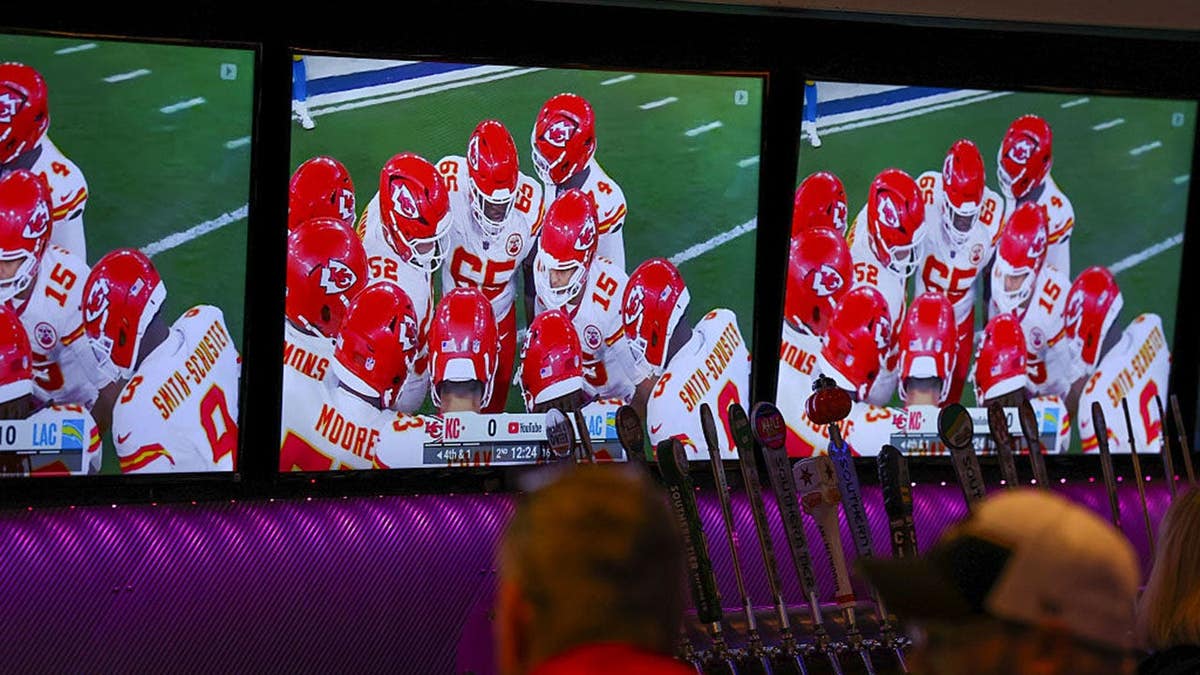
Bar patrons watch the YouTube TV telecast of the game between the Kansas City Chiefs and the Los Angeles Chargers in Buffalo, N.Y., on Sept. 5, 2025. (Aaron M. Sprecher/Getty Images)
Amazon is the exception. Since taking over Thursday Night Football in 2022, Amazon has demonstrated a willingness to carry a weekly NFL package. The question is how much larger an investment it wants to make.
Industry consensus has long held that Amazon and other tech companies are unlikely to pursue Fox’s and CBS’s Sunday afternoon regional packages because of the enormous logistical demands involved. Those packages require numerous production crews operating simultaneously across the country every week.
Likewise, Amazon is not expected to challenge ESPN for Monday Night Football, especially after the NFL acquired an equity stake in ESPN. If anything, ESPN, which already pays the league more annually than any other partner ($2.7 billion), could ultimately end up with additional games split between ESPN and NFL Network.
That leaves NBC.
NBC’s aggressive NBA deal has fueled industry speculation that the network could eventually lose Sunday Night Football. But if that happens, the obvious question becomes: to whom?
In theory, Amazon could make a run at Sunday Night Football. Beyond that possibility, however, it is difficult to envision streamers taking over the NFL’s weekly television structure within the next decade unless their strategies change dramatically.
With that in mind, the broadcast networks may ultimately be better off holding firm to their existing agreements through the opt-out period, rather than dramatically increasing rights fees out of fear.
The more likely outcome is that tech companies gain a larger presence around tentpole events, particularly the Super Bowl. The Super Bowl is the type of property Netflix, YouTube and Amazon would almost certainly pursue aggressively.
OUTKICK IS NOW ON THE FOX APP: CLICK HERE TO DOWNLOAD
That does not mean the traditional networks would be unaffected. Beginning this season, NBC, CBS and Fox already have to share Super Bowl rotation duties with ESPN/ABC. Additional partners would further dilute exclusivity.
Still, the NFL and the broadcast networks remain highly dependent on one another.
As powerful as the NFL is, the streaming giants do not appear interested in abandoning their current strategies to bid aggressively for weekly NFL packages.
Until that changes, relying on traditional television remains in the league's best financial interest.
And that gives the TV networks tremendous leverage.
https://www.foxnews.com/outkick-analysis/tv-networks-leverage-nfl-streamers-league-realizes