 Print
Print
 Close
Close

Researcher believes Noah's Ark found in Turkey after new underground scans
By Max Bacall
Published April 22, 2026

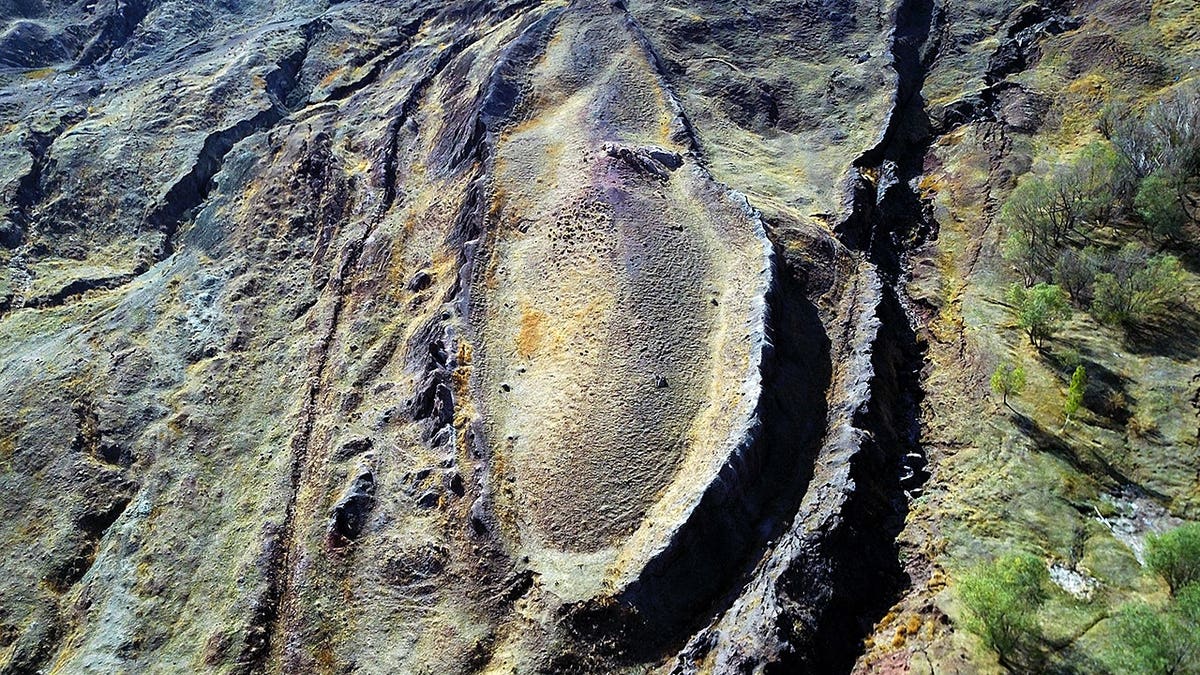
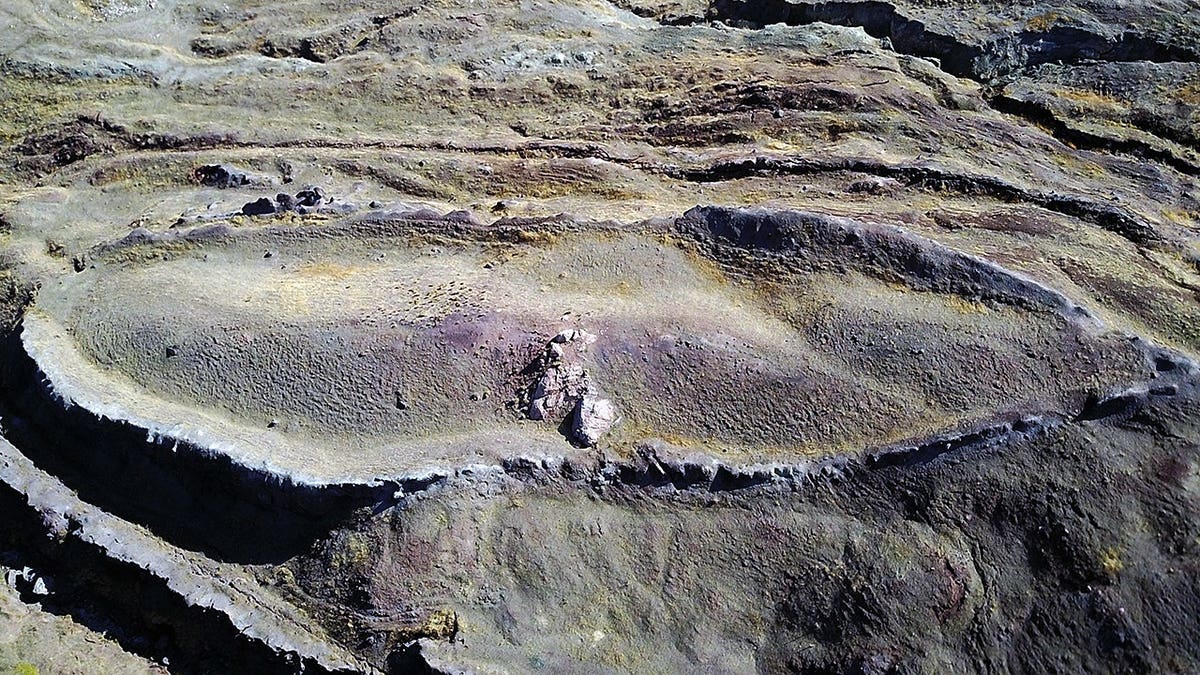
Researchers working in Turkey say fresh scan data uncovered what appear to be tunnels inside a long-debated landform, bolstering their case that the site may be a manmade object that they believe to be Noah’s Ark.
Noah's Ark Scans researcher Andrew Jones told "Fox & Friends First" on Wednesday that he believes the peculiar formation near Mount Ararat is the real deal.
"I do believe that this is the real, decayed, buried remains of Noah's Ark, the famous ship. And we're doing our best to convince the skeptics and show the world this site," he said.
A general view of Mount Ararat, also known as Agri Mountain, in Agri, Turkey, which is alleged to have traces of Noah's Ark, on Oct. 25, 2017. (Huseyin Yildiz/Anadolu Agency/Getty Images)
Jones said his team's latest work has revealed tunnels in the landform suggestive of a manmade structure.
"Our new research has shown that there are tunnels about four meters down and about two meters high, going down the center of the boat and on the inside edge of the hull shape," he said.
"We really believe that this layout, showing tunnels and also possible support beams and walls, would suggest that it's a manmade object and not just a natural formation."
A general view of Mount Ararat in Agri, Turkey, which is alleged to have traces of Noah's Ark, on Oct. 25, 2017. Agri hosted the International Symposium on Mount Ararat and Noah's Ark. (Huseyin Yildiz/Anadolu Agency/Getty Images)
Many geologists disagree, saying the remote site just a mile from the Iranian border is nothing more than a hill. But Jones said the Bible states the Ark landed in the area, that the dimensions of the site also match the biblical description and that the soil inside the formation showed remarkable results in testing.
FORBIDDEN PASSAGE? SECRET MEDIEVAL TUNNEL FOUND BENEATH ANCIENT PAGAN GRAVES, ARCHAEOLOGISTS SAY
"We have the ship shape, and we're in the right location, and now we're also seeing that the soil inside is different from right outside the formation. So we have three times more organic matter found inside versus right outside. So it's a distinct object and not just part of the mountainside."
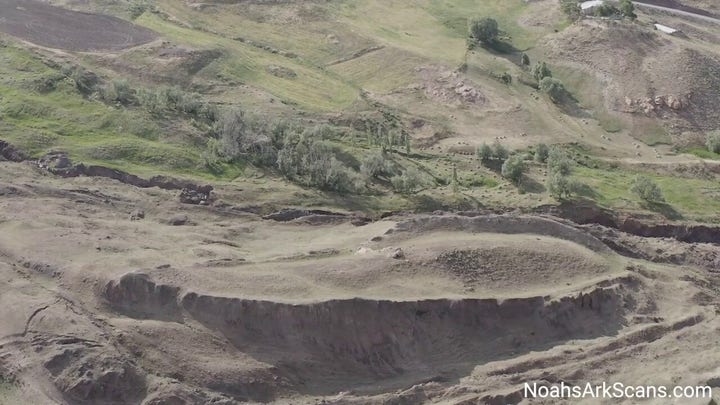
To Jones, this suggests the remains of ancient biological or manmade substances.
The next phase, he said, would be sending a robot into the tunnels to film and collect samples, rather than beginning excavation.
CLICK HERE TO DOWNLOAD THE FOX NEWS APP
The research must proceed with caution because, according to the Noah's Ark Scans website, "archaeology is a destructive science."
"Once you dig a hole and remove material, you can’t put it back. Having the best data as to where to excavate is key, and that is where geophysical scans and core drilling come into play. ... Excavations would follow after this is done."
https://www.foxnews.com/media/researcher-believes-hes-found-noahs-ark-turkey-after-new-underground-scans