 Print
Print
 Close
Close

Cockroaches May Help Protect Against 'Superbugs'
Published October 28, 2015
(AFP)
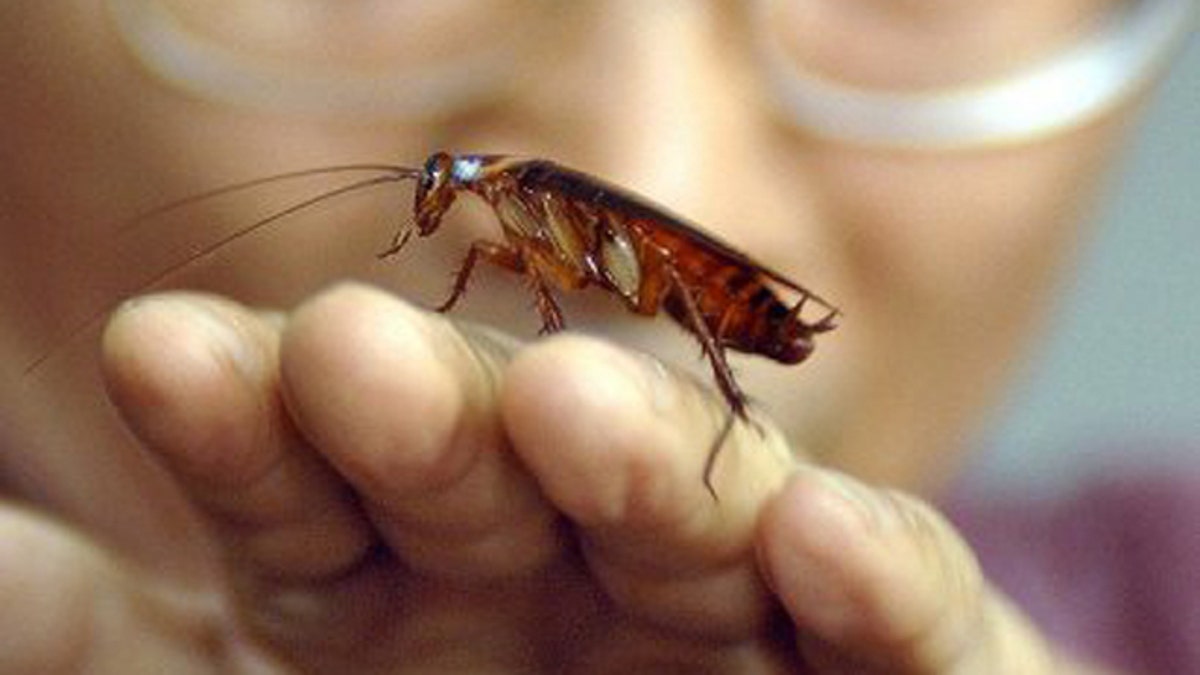
Before you break out the Raid Cockroach Killer – think of this. A cockroach’s tiny brain may help in the development of new antibiotics, which could curb the spread of deadly drug-resistant bacteria, according to U.K. researchers.
In lab tests, scientists from the University of Nottingham showed that tissues from the brain and nervous systems of cockroaches and locusts killed more than 90 percent of MRSA (methicillin-resistant Staphylococcus aureus) and E. coli.
They believe the insects can stand up to these so-called “superbugs” because they are used to living in deplorable conditions.
“Insects often live in unsanitary and unhygienic environments where they encounter many different types of bacteria,” researcher Simon Lee said in a news release. “It is therefore logical that they have developed ways of developing themselves against micro-organism.”
According to the latest statistics from the Centers for Disease Control and Prevention, more than 94,000 people developed a serious MRSA infection in 2005, with approximately 18,000 people dying as a result.
Simon and his colleagues will present the findings this week at the Society for General Microbiology’s meeting at the University of Nottingham.
https://www.foxnews.com/health/cockroaches-may-help-protect-against-superbugs