 Print
Print
 Close
Close

Restaurant tipping confusion solved: Experts reveal when you should give more
By Deirdre Bardolf
Published January 29, 2026

When it comes to tipping at restaurants, many diners follow different rules for breakfast, lunch and dinner — but experts say the standards are far more consistent than many people realize.
Restaurant and etiquette experts say it has less to do with the meal itself and more to do with service, perception and evolving norms.
Many people assume dinner service deserves the best tips — but the idea that it's more labor-intensive is only partly true.
AMERICANS ARE FED UP WITH TIPPING CULTURE, YET MANY STILL SHELL OUT 20% AT RESTAURANTS
"Certain styles of dining — especially fine dining — are absolutely more labor-intensive at dinner due to pacing, courses and elevated service expectations," Salar Sheik, a Los Angeles-based restaurant consultant and founder of Savory Hospitality, told Fox News Digital.
Still, breakfast shifts are often underestimated and shouldn't be shortchanged, Sheik added.
Tipping etiquette should focus more on service than the time of day, according to restaurant and etiquette experts. (iStock)
"Breakfast menus often involve a high volume of modifications, faster table turns and constant guest interaction, which can make those shifts just as demanding in a different way," he said.
While diners may assume higher tips are expected at dinner, most servers don't expect a higher percentage, just a higher total, Sheik said.
BARTENDERS SAY ONE COMMON REQUEST COSTS THEM TIPS — AND SOME CUSTOMERS HAVE NO IDEA
"A larger check generally leads to a higher tip, even if the percentage stays consistent," he said.
That dynamic, he said, often leaves breakfast servers at a disadvantage.
"Breakfast is often the most undertipped meal when you compare the effort involved," Sheik said. "The workload rarely matches the gratuity."
Breakfast servers often handle faster table turns and constant guest interaction, experts note. (iStock)
Etiquette experts also say diners shouldn't adjust tips based on the clock.
"Tipping is percentage-based, not meal-based," said Nick Leighton, a New York-based etiquette expert and host of the podcast "Were You Raised By Wolves?"
"So, 20% is the standard, no matter what time of day you're dining."
CLICK HERE TO SIGN UP FOR OUR LIFESTYLE NEWSLETTER
Dinner often feels more involved, yet breakfast and lunch come with their own pressures, Leighton agreed.
"Breakfast and lunch often involve higher volume, more simultaneous tables, less downtime and more turnover," he said. "And then there's weekend brunch, which is probably the most exhausting of all."
Breakfast and brunch shifts are often among the most demanding and undertipped, an industry professional told Fox News Digital. (iStock)
Culinary expert and restaurateur Crystal Drakes, co-owner and head chef of Crescent City Kitchen in Atlanta, also said standards should remain consistent.
"The same tipping standard should apply across the board," she said, recommending 15% to 20%.
For restaurants, tips also serve as a barometer of guest satisfaction.
CLICK HERE FOR MORE LIFESTYLE STORIES
"Tips are one of the clearest, near-real-time indicators of how a guest feels about their experience," said Geoffrey Toffetti, CEO of Frontline Performance Group, a Florida-based hospitality company.
"If someone leaves a 10% tip, chances are they weren't very happy and operators know that immediately, without waiting weeks for a satisfaction survey."
Experts say great service deserves recognition regardless of the time of day or size of the bill. (iStock)
Toffetti emphasized that tip percentage is still driven more by service execution than time of day.
"Speed, attentiveness and engagement matter," he said — noting that behaviors like proactive refills, confident recommendations and warm check-ins influence tips across all meals.
CLICK HERE TO DOWNLOAD THE FOX NEWS APP
Digital tipping screens have added another layer of complexity to tipping expectations, experts acknowledge.
Sheik described them as "a double-edged sword," saying higher default suggestions can feel "awkward or forced," and Drakes noted that screens suggesting up to 25% can make diners feel like they aren't tipping enough.
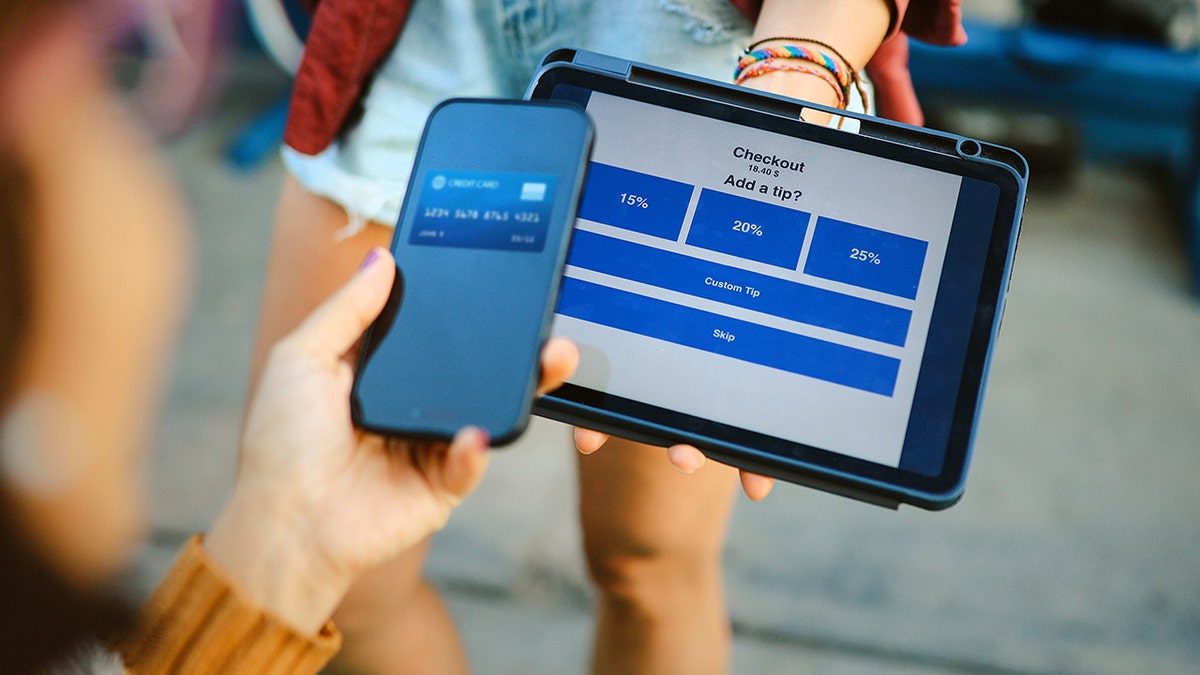
Digital tipping screens have reshaped how diners think about gratuity, experts say. (iStock)
Research supports that concern. Studies show that digital prompts influence tipping behavior by nudging diners toward higher percentages, while also contributing to tipping fatigue and social pressure. It's a phenomenon often referred to as "tipflation."
TEST YOURSELF WITH OUR LATEST LIFESTYLE QUIZ
For diners who are unsure how to navigate it all, experts shared a simple takeaway.
"Service should always matter most," Sheik said. "Hospitality is a 24/7 profession, and great service deserves recognition, regardless of the time of day or the size of the meal."
https://www.foxnews.com/food-drink/restaurant-tipping-confusion-solved-experts-reveal-when-you-should-give-more