 Print
Print
 Close
Close

Study questions 21-day Ebola quarantine period
Published March 30, 2018
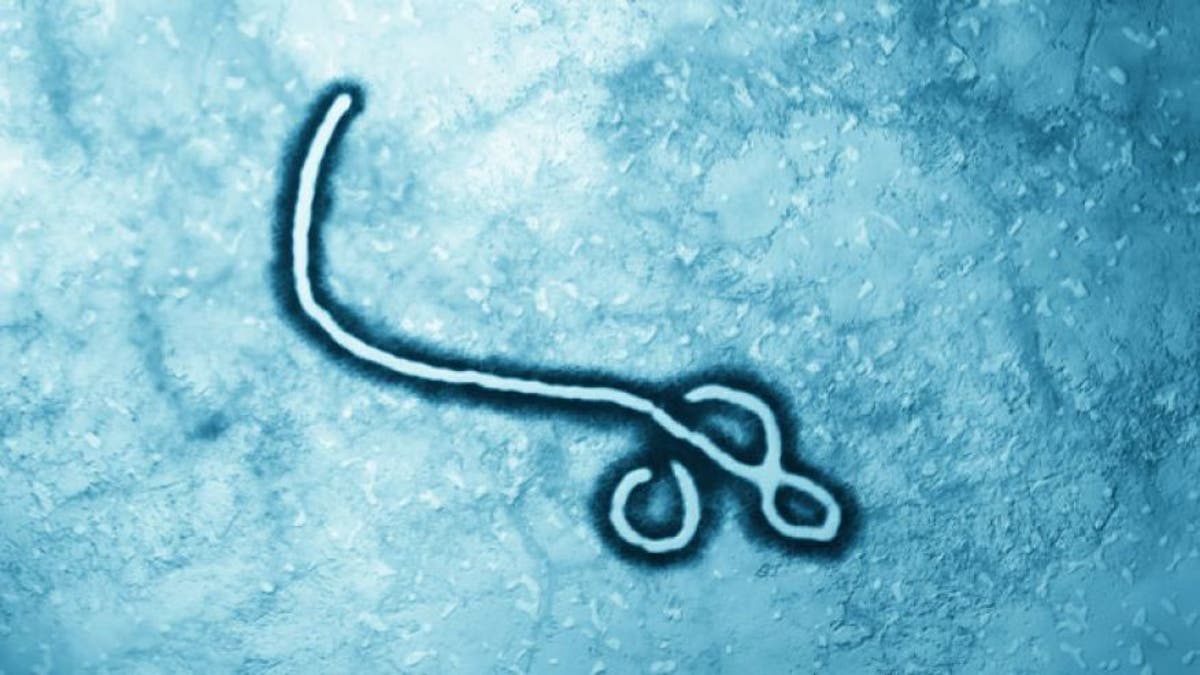
As the 48 patients exposed to the first U.S. Ebola patient near the end of their 21-day incubation period on Sunday, Oct. 19, a new study is questioning whether that period is sufficient to keep the public safe.
"Twenty-one days has been regarded as the appropriate quarantine period for holding individuals potentially exposed to Ebola Virus to reduce risk of contagion, but there does not appear to be a systemic discussion of the basis for this period," lead researcher Charles Haas, an environmental engineering professor at Drexel University, wrote in the study paper.
In the study, published in the Oct. 14 issue of the journal PLOS: Outbreak, Haas speculates that official health authorities such as the Centers for Disease Control and Prevention (CDC) have based the current incubation period on transmission rates in Zaire, in 1976, and Uganda, in 2000. In these countries, the maximum incubation period was 21 days based on available data, the study reveals.
Twenty-one days is the standard time that health authorities currently use to monitor a person who may have been exposed to Ebola but is not exhibiting symptoms.
“I got curious where the 21-day figure was coming from,” Haas told FoxNews.com. “I started to look at the literature, and thought that it would shed light on it, and I came up with the previous outbreak studies.”
“There is a suggestion in the literature that the nature of the contact, whether it’s profound or lighter contact, might influence the incubation time,” Haas added.
This rule holds true for any infectious disease, Haas said.
“That’s not specifically about Ebola but more [about] the general incubation time of microorganisms— the idea that in order to get infection in the disease, you need multiplication of the microorganisms in the body,” he said. “The lower the initial dose of the microorganisms you have, the longer it will take for them to accumulate to a critical level.”
In the research, Haas found that according to statistics from the recent outbreak in West Africa— where the disease has run rampant in Sierra Leone, Liberia and Guinea since March— as well as in 1995 in Congo, there’s up to a 12 percent chance that someone could be infected after the 21-day incubation period. The range of deviation from the incubation period was between .1 and 12 percent during those outbreaks. In other words, from 0.1 to 12 percent of the time, an individual case will have a greater incubation time than 21 days.
“While the 21-day quarantine value currently used may have arose from reasonable interpretation of early outbreak data,” Haas wrote, “this work suggests a reconsideration is in order, and that 21 days may not be sufficiently protective to public health. Further, outbreaks such as the current West Africa EBOV are presenting an opportunity for careful collection of data sufficient to revise and update (perhaps in an adaptive fashion) such recommendations.”
Click here for the full story
https://www.foxnews.com/entertainment/study-questions-21-day-ebola-quarantine-period