 Print
Print
 Close
Close

WHO: Japan Radiation Localized, No Immediate Threat
Published October 24, 2015
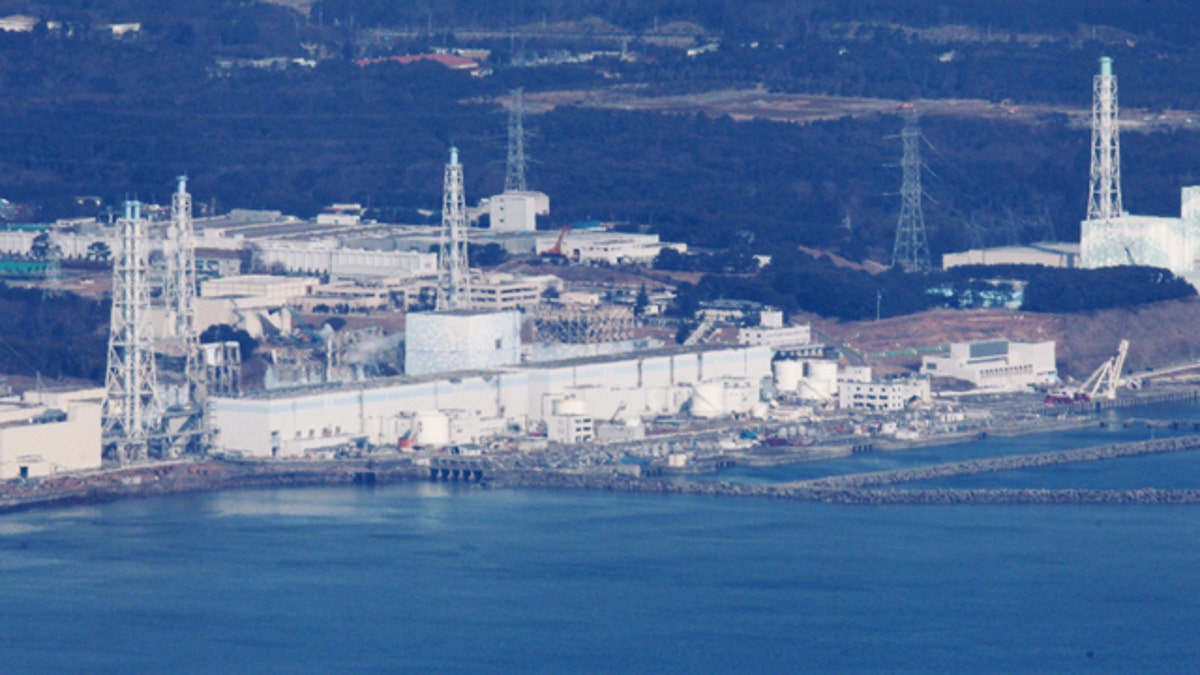
March 17, 2011: Fukushima Dai-ichi nuclear power plant is pictured before helicopters dump water on the stricken reactor to cool overheated fuel rods inside the core in Okumamachi, Fukushima Prefecture, Japan. (AP Photo/Kyodo News)
The World Health Organization believes the spread of radiation from a quake-crippled nuclear plant in Japan remains limited and appears to pose no immediate risk to health, the WHO's China representative said on Friday.
"At this point, there is still no evidence that there's been significant radiation spread beyond the immediate zone of the reactors themselves," Michael O'Leary told a group of reporters.
"At the same time, we know that the situation is evolving and we need to monitor closely and see what happens over time. Things can obviously change, and have changed, over this last week."
Japan has been battling for nearly a week to bring under control the overheating Fukushima nuclear plant after it was battered by a massive earthquake and tsunami.
Experts and officials fear a major leak of radioactive substances from the plant could pose a serious health risk, and China and nearby countries have stepped up monitoring of radiation levels.
O'Leary suggested that the impact of such an event on China would be small, but said other factors mattered too.
"The reactors, of course, are quite far from China. The risk of spread depends on several factors. One is obviously the amount of radioactive material, or radionuclides, that are released from the reactor itself. Beyond that are weather and wind conditions that determine," he said.
"As with anything that spreads or can spread out, the farther away you are, the more dispersed it is."
The emergency has sparked panic buying of iodized salt in China, based on the misunderstanding that the iodine it contains could prevent the body's intake of radioactive iodine that could be released in the event of a major explosion at the plant.
But O'Leary said iodine should not be taken indiscriminately or treated as a substitute for supplements administered before or shortly after radiation exposure to reduce the risk of long-term cancer.
"It should not be taken indiscriminately. It does have potential side effects," he said.
"The amount of iodine in salt is very small. It wouldn't be possible to consume enough salt to get a protective dose. In the end, not many people will need iodine supplements."
https://www.foxnews.com/health/who-japan-radiation-localized-no-immediate-threat