 Print
 Close

The VPN setting that keeps your printer and apps working
By Kurt Knutsson, CyberGuy Report
Published November 17, 2026

If you use a VPN, you've probably run into this at least once. You turn it on to protect your privacy, and suddenly something stops working. Maybe your printer won't connect. Maybe your banking app keeps asking you to verify your identity. Or perhaps a website refuses to load.
So you do what a lot of us would do. You turn off the VPN to fix the problem. Everything starts working again, and you forget to turn the VPN back on. That's the problem. You've disabled a privacy tool because it was getting in your way.
Fortunately, there's a setting that can help. It's called VPN split tunneling, and it lets you choose which apps use your VPN and which ones connect normally. There's also a separate setting worth checking if your printer stops working. Here's how both work and how to set them up with a VPN.
Missed CyberGuy LIVE? Watch the replay and discover 5 ways to travel smarter and save money.
Our free CyberGuy LIVE class, 5 Ways to Travel Smarter and Save Money, has ended, but you can still watch the full replay. Kurt "CyberGuy" Knutsson walks you through five practical ways to protect your phone and personal information, avoid common travel scams, find better deals, save money on bookings and use technology to make your travels easier and less stressful. No technical experience is needed.
Watch the free replay + downloadable checklist now at CyberGuyLive.com.
TRAVEL MISTAKE PUTS PHONE, LAPTOP AND STREAMING ACCOUNTS AT RISK

A VPN helps protect your online privacy, but certain settings can interfere with apps and devices you use every day. (Kurt "CyberGuy" Knutsson)
Why VPNs can cause problems with banking apps and printers
A virtual private network, or VPN, encrypts your internet traffic between your device and the VPN server. It also hides your usual public IP address from the websites you visit. That added privacy can be especially useful on public Wi-Fi. However, some apps and websites don't always cooperate with VPN connections.
Why banking apps sometimes block VPNs
When you connect through a VPN, your bank may see an IP address associated with a different location or one shared by other VPN users. That can trigger additional security checks. Your bank might ask you to verify your identity again, block a login attempt or temporarily restrict access. The bank is trying to protect your account. Still, those interruptions can get frustrating when you're simply trying to check your balance or pay a bill.
Why your printer might disappear
Your printer works differently from your banking app. Most wireless printers communicate with your computer through your home Wi-Fi network. That connection typically stays inside your local network instead of traveling out to the internet. Some VPN settings can interfere with this communication, particularly when access to local devices is restricted.
The result? Your printer may suddenly appear offline even though it's connected to Wi-Fi and working normally. Here's the important distinction. Split tunneling can help with certain app connections, but printer problems often require a separate local network setting.
What is VPN split tunneling and how does it work?
Think of split tunneling as giving certain apps permission to take a different route. Normally, when your VPN is connected, supported internet traffic travels through the encrypted VPN tunnel. With split tunneling, you can choose which apps or connections bypass that tunnel. For example, you might want your browser and email to continue using your VPN. However, if your banking app repeatedly triggers security checks, you could allow that app to use your regular internet connection.
Both types of connections can operate at the same time. That means you don't have to disconnect your entire VPN whenever one app has trouble. There is one trade-off to understand. Apps that bypass the VPN use your regular IP address and lose the extra privacy provided by the VPN tunnel. Secure websites can still encrypt their traffic using HTTPS, but your VPN no longer shields those excluded connections. For that reason, I recommend keeping most apps on the VPN and excluding only the ones that actually need it.
How to set up VPN split tunneling
Many VPN services offer split tunneling, but not all of them include it. The available controls also depend on your device, operating system and VPN app. Some let you exclude individual apps, while others allow you to create rules for websites or IP addresses.
Before getting started, open your VPN app and look for a setting called Split Tunneling, App Exclusions or something similar. If you don't see one, check your VPN provider's support website to find out whether the feature is available for your device. Here's how the setup generally works across different platforms.
How to enable VPN split tunneling on Windows and Mac
On Windows and Mac, some VPN apps let you choose which applications use the VPN and which connect directly to the internet. The exact steps depend on your VPN provider.
- Open your VPN app on your computer.
- Go to Settings, Preferences or the app's connection settings.
- Look for Split Tunneling or a similarly named feature.
- Turn on split tunneling if your VPN supports it.
- Choose the option to exclude selected apps from the VPN connection.
- Add the app that's having trouble, such as your banking app.
- Keep your other apps routed through the VPN unless you have a specific reason to exclude them.
- Save your changes and reconnect to the VPN if the app requires it.
Some VPNs also let you create routing rules for specific IP addresses or websites. However, most people will find app-based controls easier to manage when they're available.
Keep in mind that split tunneling support varies on Mac. Some VPNs may require additional permissions, a particular connection protocol or an updated version of the app. If you can't find the setting, check your VPN provider's instructions before changing anything else.
SHOULD YOU USE A SEPARATE COMPUTER FOR ONLINE BANKING?
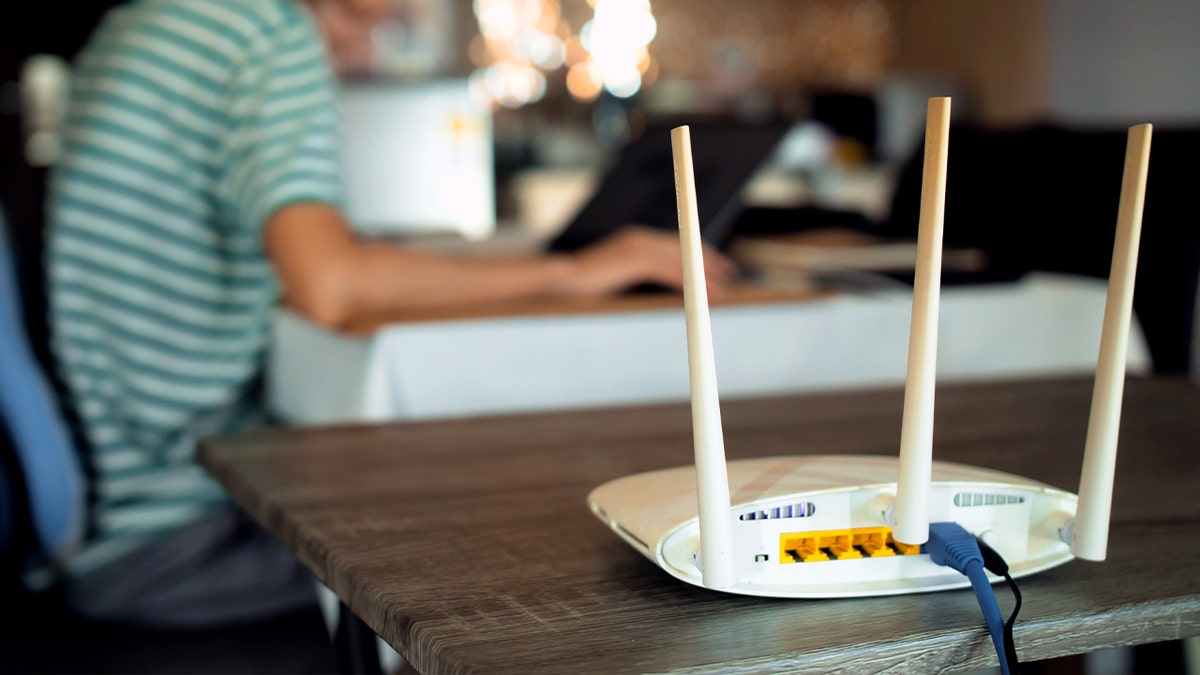
VPN split tunneling lets you choose which apps bypass the encrypted connection while keeping other internet traffic protected. (trumzz/Getty Images)
How to enable VPN split tunneling on Android
Android supports app-based VPN routing, and many VPN services offer split tunneling through their Android apps. However, the feature and its settings vary by provider.
- Open your VPN app on your Android phone or tablet.
- Go to Settings or Connection Settings.
- Find Split Tunneling, App Exclusions or a similar option.
- Choose the setting that allows selected apps to bypass the VPN.
- Select the apps you want to exclude from the VPN connection.
- Save your changes and reconnect to the VPN if prompted.
If your VPN supports this type of split tunneling, the selected apps should use your regular internet connection while the remaining apps continue using the VPN.
One thing to watch for: Android has a system setting called Block connections without VPN. If you've enabled it, apps configured to bypass the VPN may lose internet access because Android blocks traffic that doesn't use the VPN.
Disabling that restriction can allow split tunneling to work, but it also changes your protection if the VPN connection drops. If you depend on that stricter security setting, consider leaving it enabled.
How split tunneling works on iPhone and iPad
Here's an important difference for Apple users. Split tunneling options are generally more limited on iPhones and iPads than on Windows or Android devices. Many consumer VPN apps do not offer a way to choose individual apps that bypass the VPN.
Some VPN services may support certain network or IP address exclusions, but these features vary by provider. There is no universal setting on an iPhone that lets you select a banking app and automatically exclude it from your VPN connection.
Here's what to check:
- Open your VPN app on your iPhone or iPad.
- Look under Settings or Connection Settings for Split Tunneling, Exclusions or a similar option.
- If the feature is available, review which types of traffic your VPN allows you to exclude.
- Follow your VPN provider's instructions before adding any exceptions.
- Reconnect to your VPN if required and test whether the original problem has been resolved.
There are limitations. Some VPNs support exclusions based on IP addresses rather than individual apps. Large websites and banking services often use multiple IP addresses that can change. As a result, excluding one IP address may not solve your problem.
Excluding public IP addresses can also create privacy risks because unrelated websites sometimes share the same network infrastructure. Avoid making these changes unless you understand which connections will bypass your VPN.
For most iPhone users, I recommend checking whether switching VPN servers resolves the problem before trying more advanced settings. If your VPN doesn't support split tunneling on iOS, you may need to use another troubleshooting method.
Linux users should also check their VPN app's settings. Some Linux VPN applications support split tunneling for individual apps or IP addresses, although the available features depend on the provider and Linux distribution.
3 VPN SETTINGS TO CHECK BEFORE YOUR NEXT TRIP
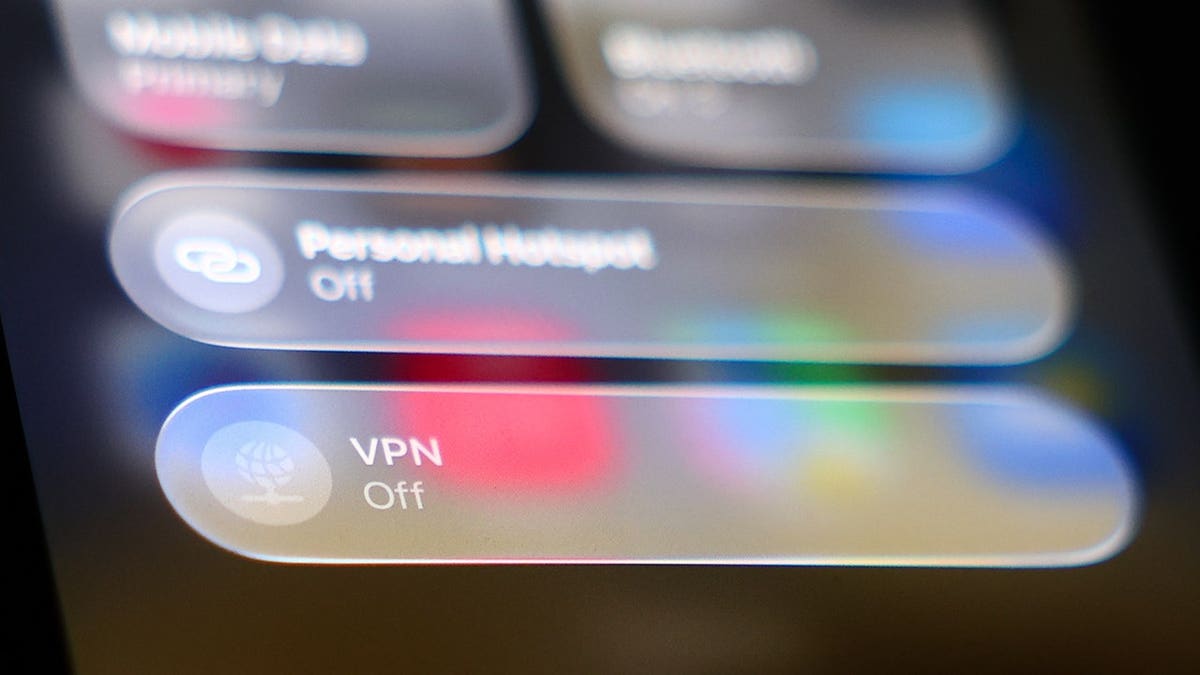
A dedicated VPN IP address gives users a consistent online identity that may reduce CAPTCHAs and repeated login verification requests. (Photo by Jakub Porzycki/NurPhoto via Getty Images)
Printer still not working? Check this VPN setting first
If your wireless printer stops responding while your VPN is connected, split tunneling may not be the first setting you need.
Some VPN services include an option that allows your computer or phone to communicate with devices on your local network, even while the VPN remains active. It may be called Allow LAN Access, Allow Local Network Access or something similar.
Here's what to look for on your device:
- Open your VPN app.
- Go to Settings, Preferences or Connection Settings.
- Look for an option related to LAN access or local network connections.
- If available, enable access to devices on your local network.
- Save your changes and reconnect to the VPN if required.
- Try printing again to see whether the connection works.
This setting can allow your computer to communicate with trusted devices on your home network while your VPN remains connected. Some VPN apps already permit local network access by default. Others may restrict it depending on your security settings, including certain kill switch configurations.
If you don't see a local network option, check your VPN provider's support instructions. The feature may use a different name or may not be adjustable in your version of the app.
One security tip: Only allow local network access when you trust the network. On public Wi-Fi, blocking communication with nearby devices can provide additional protection. If your printer still doesn't appear, check that both devices are connected to the same home network. Restart the printer and temporarily disconnect your VPN to see whether your computer can find it. This can help determine whether the VPN is causing the connection problem. Remember to reconnect your VPN after testing.
On a Mac, you can also try adding the printer manually using its IP address under System Settings > Printers & Scanners.
What if your banking app still doesn't work?
Split tunneling can help with banking app problems caused by VPN IP addresses, but it won't resolve every login issue. Before excluding your banking app, try connecting to another VPN server. Sometimes the problem involves a particular server address.
You can also check whether your banking service offers guidance about VPN connections. If you regularly encounter security checks, another option is a dedicated VPN IP address. Unlike a shared VPN address, a dedicated IP stays assigned to you. That consistency can reduce some verification requests without requiring you to bypass VPN protection.
Some VPN services offer dedicated IP addresses, either as part of certain plans or as an additional paid feature. Whatever you choose, don't disable your bank's security alerts or two-factor authentication to make logging in easier.
Why VPN split tunneling is worth checking
Here's what I like about this feature. You don't have to sacrifice your entire VPN connection because one app refuses to cooperate. Instead, you can make a targeted adjustment.
Your browser can continue using the VPN while an app that needs a direct connection bypasses it. And if the problem involves your home printer, you can check the local network access setting before changing anything else.
Just remember that excluded apps won't receive the same VPN protection. The idea is to make your VPN easier to use without unnecessarily giving up the privacy benefits you installed it for in the first place.
For the best VPN software, see my expert review of the best VPNs for browsing the web privately on your Windows, Mac, Android and iOS devices at CyberGuy.com.
Kurt's key takeaways
I can understand why someone would turn off their VPN when a banking app won't open or a printer suddenly stops working. You want to get on with what you're doing. But I don't like the idea of turning off a privacy tool every time something goes wrong. That's why I think split tunneling is worth knowing about. If your VPN supports it, you can keep most of your internet traffic protected while making exceptions for apps that need a direct connection. And if you're having trouble printing, check that local network setting before doing anything else. Just be careful about which apps you exclude. I would rather make one small adjustment than leave my VPN turned off and forget about it.
Has your VPN ever stopped a banking app, printer or another device from working? What did you do to fix it? Let us know by writing to us at CyberGuy.com.
Sign up for my FREE CyberGuy Newsletter
- Get my best tech tips, urgent security alerts and exclusive deals delivered straight to your inbox.
- For simple, real-world ways to spot scams early and stay protected, visit CyberGuy.com – trusted by millions who watch CyberGuy on TV daily.
- Plus, you'll get instant access to my Ultimate Scam Survival Guide free when you join.
CLICK HERE TO DOWNLOAD THE FOX NEWS APP
Copyright 2026 CyberGuy.com. All rights reserved.
https://www.foxnews.com/tech/vpn-setting-keeps-printer-apps-working