 Print
Print
 Close
Close

Warsh faces high-stakes Senate confirmation hearing to lead world’s most powerful central bank
By Amanda Macias
Published April 21, 2026
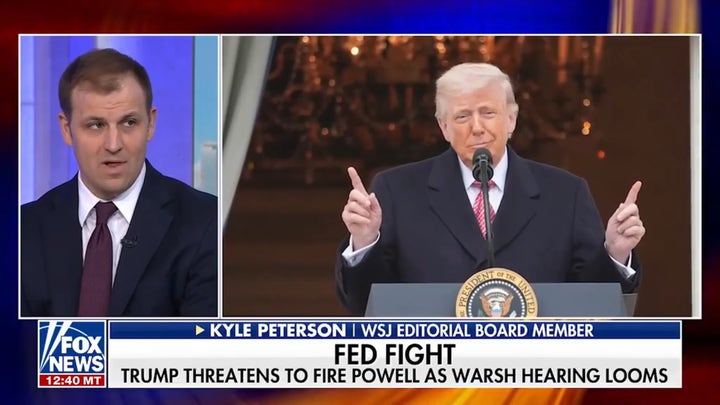
Kevin Warsh, President Donald Trump's pick to lead the Federal Reserve for the next four years, heads into a high-stakes confirmation hearing Tuesday with lawmakers on Capitol Hill set to scrutinize his views on inflation, independence and the Fed’s role.
The hearing comes as the Federal Reserve faces mounting political, legal and economic pressure, making it a key test of how the next chair could reshape the central bank’s independence at a critical moment for the U.S. economy.
And with current Fed Chair Jerome Powell's term coming to an end on May 15, 2026, Republicans are scurrying to get a nominee confirmed even though they face pushback within the party.
THE ONE LINE IN WARSH’S TESTIMONY SIGNALING A BREAK FROM THE FED’S STATUS QUO
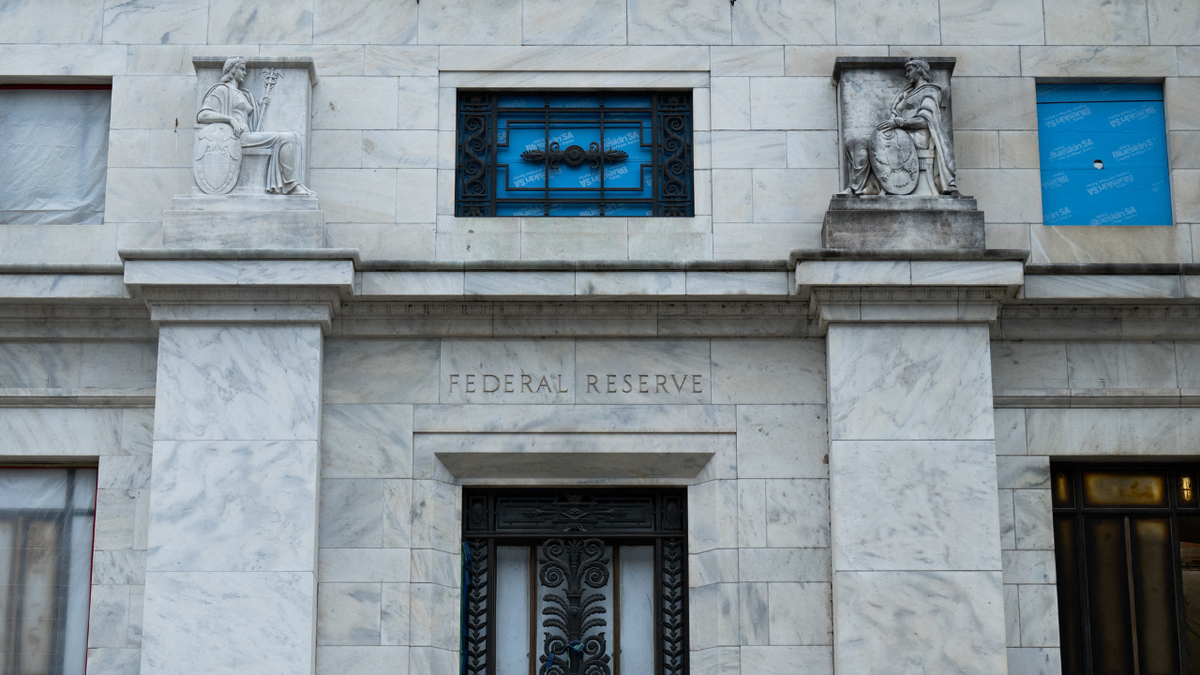
The Federal Reserve sets the nation’s monetary policy and influences borrowing costs across the economy. (Annabelle GORDON / AFP via Getty Images)
No institution has more influence over what people can afford than the Federal Reserve — an impact Americans feel every month. But that influence isn’t always obvious.
The Fed doesn’t set the price of groceries or cars, but it does determine how expensive it is to borrow money to pay for them. And right now, borrowing is costly. High interest rates mean larger monthly payments on mortgages, car loans and credit cards — even if sticker prices haven’t changed.
This makes the Fed’s leadership especially consequential.
Against that backdrop, Warsh’s potential ascent would come at a turbulent time for the institution.
The pressure is coming from multiple fronts: the Justice Department is conducting a criminal probe involving Powell, the Supreme Court is weighing limits on the Fed’s independence and rising costs are testing Trump’s affordability pledge—intensifying the stakes for the next chair.
Adding to the uncertainty, Sen. Thom Tillis, R-N.C., has signaled he may not support Warsh’s nomination in committee unless the Justice Department drops its investigation into Powell.
Taken together, what began as tension over interest-rate policy has since broadened into a wider confrontation, marking one of the most challenging stretches of Powell’s eight-year tenure leading the Fed.
TRUMP VS THE FEDERAL RESERVE: HOW THE CLASH REACHED UNCHARTED TERRITORY
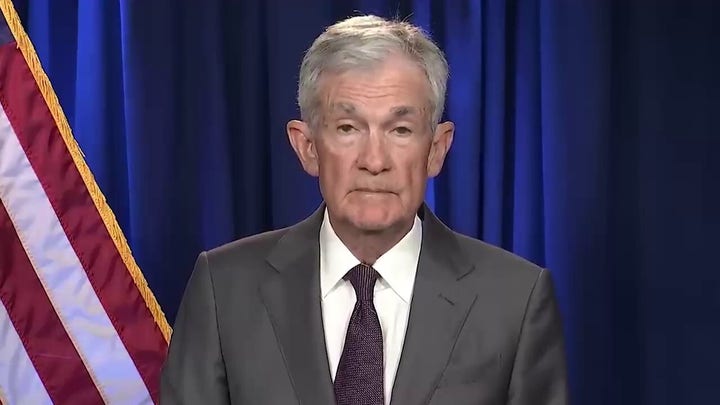
Powell has called the DOJ investigation "unprecedented," describing it as another example of what he sees as escalating pressure on the central bank. His unusually public response — after days of private consultations with advisers — marks a sharp departure from his typically measured approach.
In March, Powell told reporters at the Federal Reserve he has "no intention of leaving" the central bank until the DOJ investigation is "fully resolved with transparency and finality." His term is slated to end next month.
Like Powell, Warsh is not an economist by training, instead bringing a background in law and finance that has shaped his views on the central bank.
He earned a bachelor’s degree in public policy from Stanford University in 1992 and a law degree from Harvard in 1995, before building his career at Morgan Stanley. At 35, he became the youngest person to serve on the Fed’s Board of Governors in 2006.
CLICK HERE TO DOWNLOAD THE FOX NEWS APP
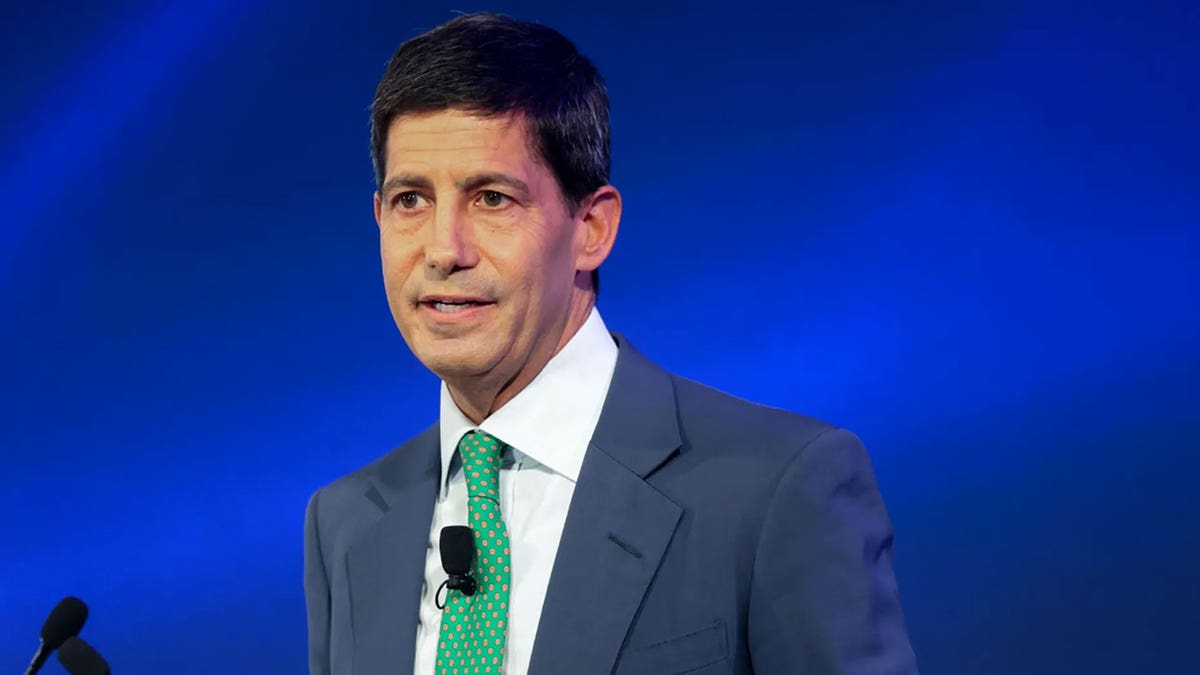
Kevin Warsh, former governor of the U.S. Federal Reserve, during the International Monetary Fund (IMF) and World Bank Spring meetings at the IMF headquarters in Washington, D.C., on Friday, April 25, 2025. (Tierney L. Cross/Bloomberg via Getty Images)
Though he stepped down in 2011, Warsh was widely seen as the Fed’s key liaison to Wall Street during the 2008 financial crisis. He previously served in the Bush administration as a special assistant to the president for economic policy and executive secretary at the National Economic Council.
Warsh was also among Trump’s leading candidates to replace then-Fed Chair Janet Yellen in 2017, though the president ultimately selected Powell for the role.
https://www.foxnews.com/politics/warsh-faces-high-stakes-senate-confirmation-hearing-lead-worlds-most-powerful-central-bank