 Print
Print
 Close
Close

Supreme Court liberals side with Clarence Thomas on Taliban suicide bomber lawsuit, 3 others dissent
By Alex Nitzberg
Published April 22, 2026

In a 6-3 decision, the Supreme Court on Wednesday allowed a lawsuit brought by a U.S. Army veteran injured in a Taliban suicide bombing to proceed, vacating a lower court ruling that had dismissed it.
Winston Tyler Hencely, a former U.S. Army specialist, suffered a fractured skull and brain injuries when a Taliban operative working for a military contractor blew up a suicide vest at Bagram Airfield in Afghanistan in 2016.
The majority opinion, written by Justice Clarence Thomas, rejected a broad "battlefield preemption" theory that would have blocked state-law claims tied to combat activities. Thomas — joined by Justices Sonia Sotomayor, Elena Kagan, Neil Gorsuch, Amy Coney Barrett and Ketanji Brown Jackson — wrote that military contractors are not automatically shielded from liability when their conduct was not authorized by the military — even in war zones.
JUSTICE THOMAS WARNS PROGRESSIVISM IS A THREAT TO AMERICA IN RARE PUBLIC REMARKS
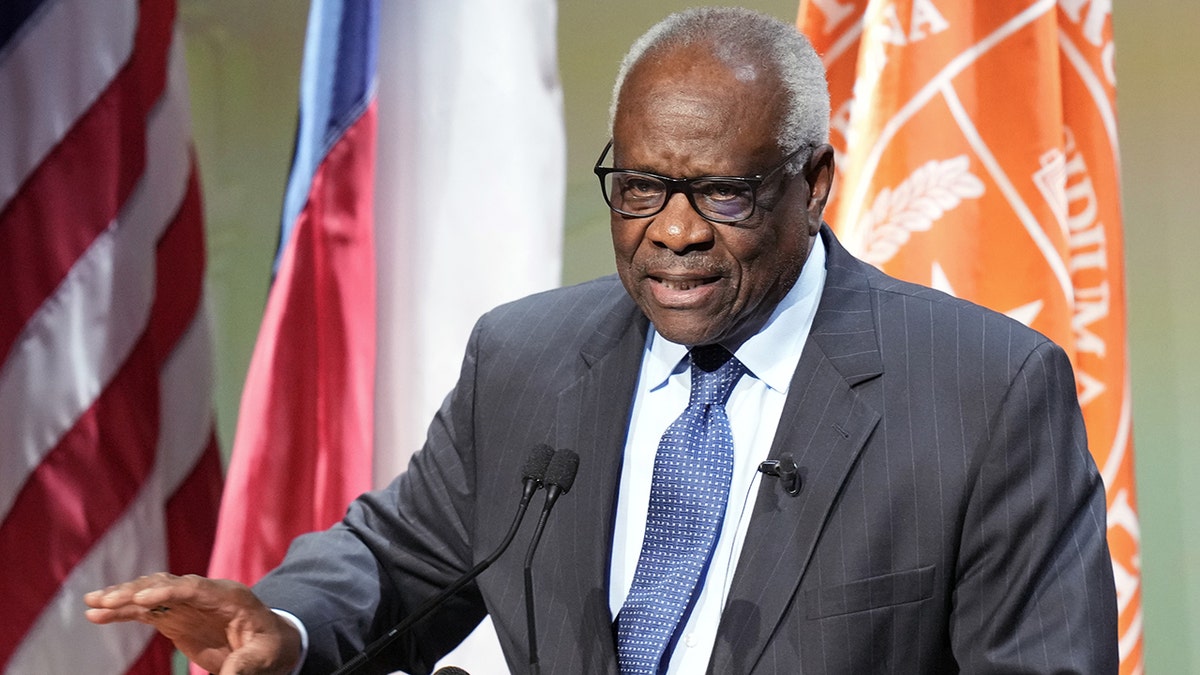
U.S. Supreme Court Justice Clarence Thomas speaks during a special lecture celebrating the 250th anniversary of the signing of the Declaration of Independence at Hogg Memorial Auditorium at the University of Texas on Wednesday, April 15, 2026. (Jay Janner/The Austin American-Statesman via Getty Images)
"We vacate the judgment of the Fourth Circuit and remand the case for further proceedings consistent with this opinion," Wednesday's decision says.
"In 2016, a Taliban operative working for respondent Fluor Corporation, a military contractor, carried out a suicide-bomb attack at Bagram Airfield in Afghanistan. After then-Army Specialist Winston T. Hencely confronted him, the bomber detonated his suicide vest," the opinion explains. "As a result of the injuries he received, Hencely is now permanently disabled."
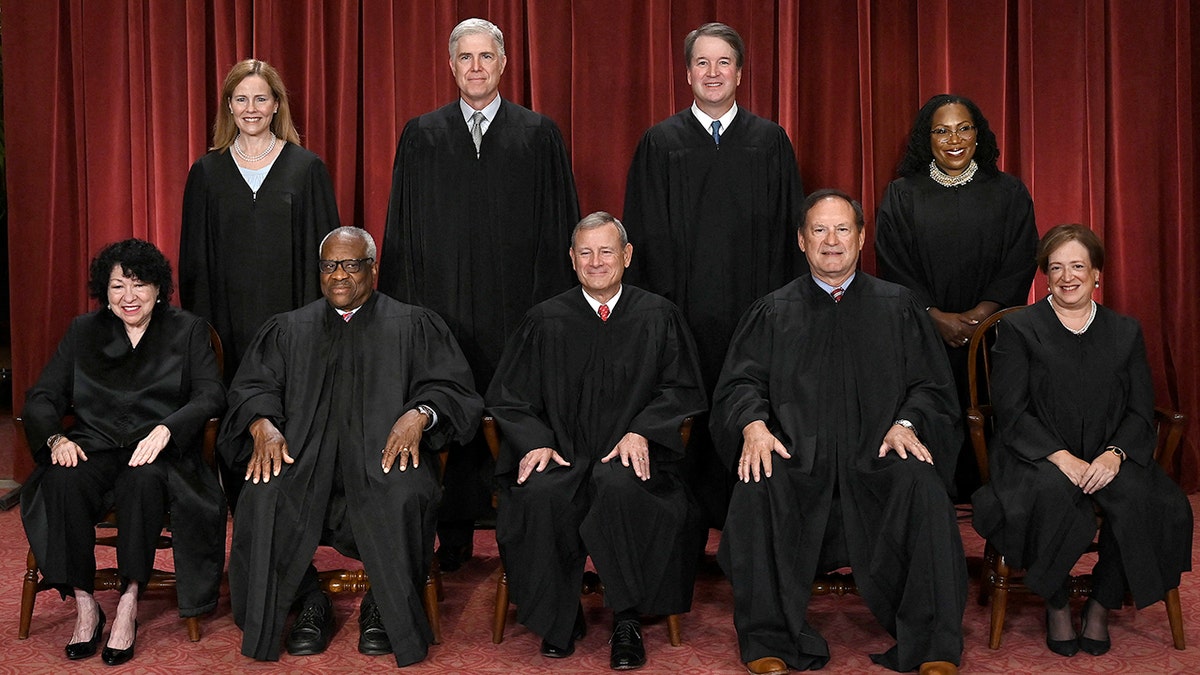
Justices of the US Supreme Court pose for their official photo at the Supreme Court in Washington, D.C. on Oct. 7, 2022. (OLIVIER DOULIERY/AFP via Getty Images)
"In an effort to recover damages for his injuries, Hencely sued Fluor, bringing state-law tort claims for negligently retaining and supervising the attacker. According to Hencely and the United States military, Fluor’s conduct was not authorized by the military and even violated instructions the military had given it as a condition of operating on the base," the opinion notes.
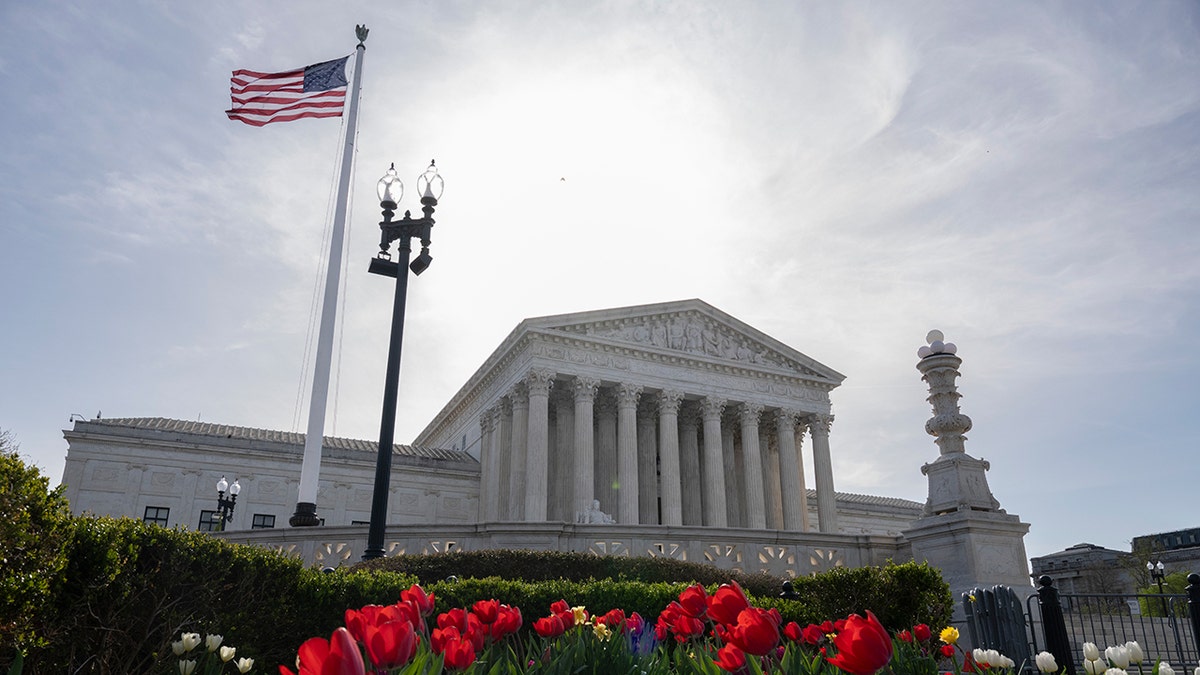
Flowers adorn a garden in front of the U.S. Supreme Court building on March 31, 2026 in Washington, D.C. (Roberto Schmidt/Getty Images)
CLICK HERE TO DOWNLOAD THE FOX NEWS APP
Justice Samuel Alito, Chief Justice John Roberts and Justice Brett Kavanaugh dissented.
This is a developing story. Check back for updates.
https://www.foxnews.com/politics/supreme-court-liberals-side-clarence-thomas-taliban-suicide-bomber-lawsuit-3-others-dissent