 Print
Print
 Close
Close

DOJ moves to boot federal judges from immigration cases over NYT interview
By Elaine Mallon
Published October 02, 2026

The Justice Department wants several Minnesota federal judges removed from immigration cases after accusing them of crossing an ethical line by publicly criticizing President Donald Trump's immigration crackdown.
The complaint argued the judges improperly commented on the Trump administration's immigration enforcement while related cases were still pending, undermining public confidence in their impartiality.
Attorney General Todd Blanche announced Wednesday that the Justice Department filed a judicial misconduct complaint with the Eighth Circuit Court of Appeals against seven Minnesota federal judges over their participation in a New York Times interview published last September.
"These judges talked to the media, or at least The New York Times, about cases, some of which are ongoing, in a manner which the Department views as a clear violation of their ethical duties," Blanche said.
‘UNPRECEDENTED’: JUDGES REVEAL BEHIND-THE-SCENES COORDINATION ON TRUMP IMMIGRATION CASES
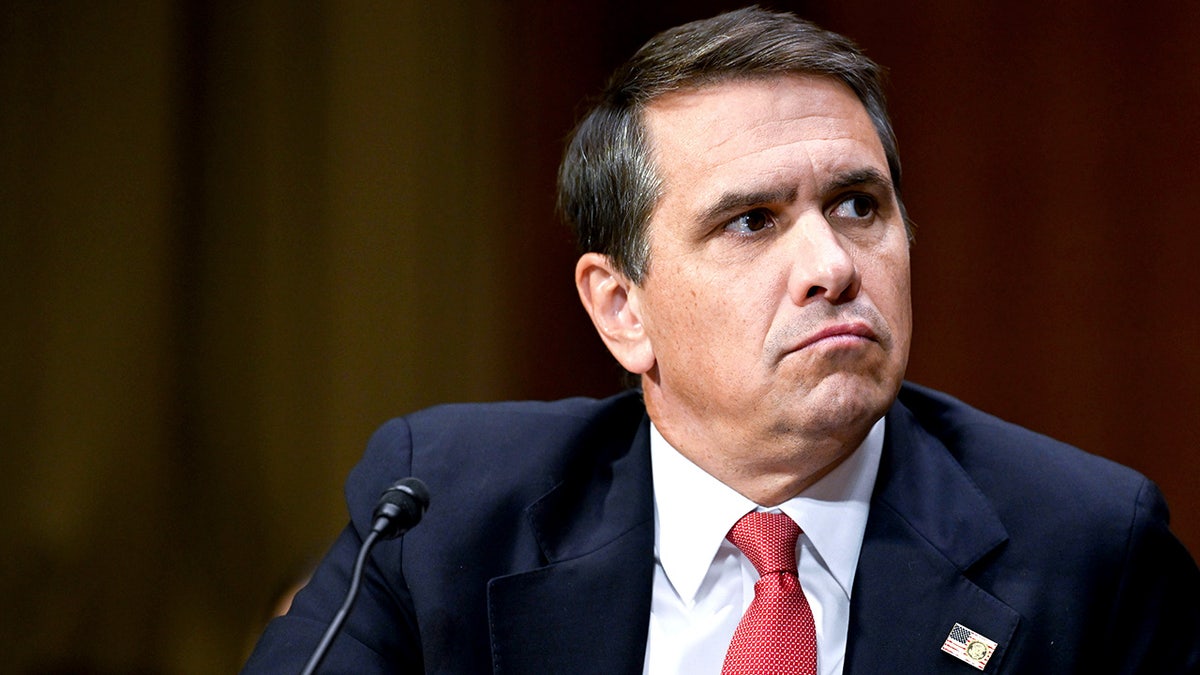
Todd Blanche, nominee for U.S. deputy attorney general, testifies before the Senate Judiciary Committee in Washington, D.C., on February 12. (Daniel Heuer/Bloomberg via Getty Images)
The complaint specifically names Judge Patrick Schiltz, appointed by President George W. Bush, and Judge John Tunheim, a Clinton appointee, along with unnamed district judges who also participated in the interviews. The Justice Department asked the Eighth Circuit's Judicial Council to investigate the judges' conduct and order Schiltz and Tunheim to recuse themselves from Department of Homeland Security immigration cases, arguing that their impartiality could reasonably be questioned.
But, whether that happens, however, is not up to the Justice Department.
Under the federal judiciary's judicial misconduct process, complaints are reviewed within the judicial branch.
The chief judge of the circuit — which for the Eighth Circuit is Steven Colloton, a Bush-appointee — would first determine whether a complaint should be dismissed or referred to a special committee for further investigation, according to the Administrative Office of the U.S. Courts. If a committee is appointed, it submits findings to the circuit's Judicial Council, which decides whether any corrective action is appropriate. The judiciary also notes that the misconduct process "cannot be used to obtain automatic disqualification of a judge presiding over a case" or simply challenge a judge's legal rulings.
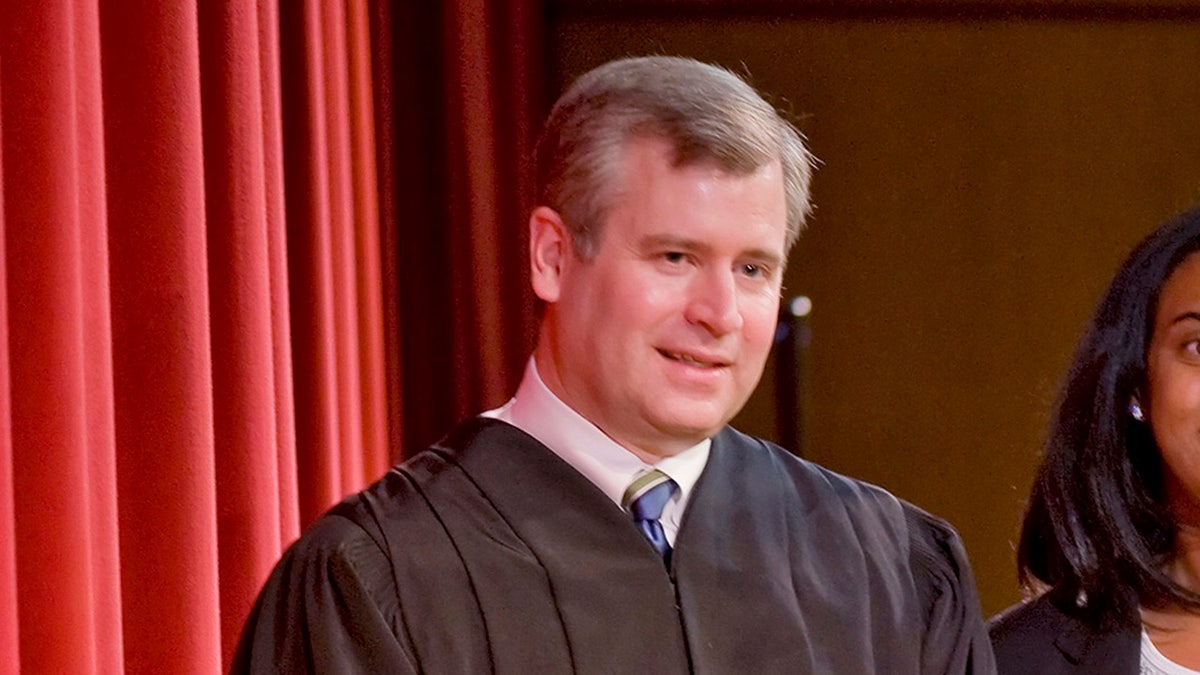
Federal Judge Patrick J. Schiltz after an oath of citizenship ceremony. (David Brewster/Star Tribune via Getty Images)
The Justice Department's complaint stemmed from a Sept. 17, 2026, New York Times article in which Judge Schiltz and Tunheim and six other Minnesota federal judges discussed the wave of immigration litigation that followed the Trump administration's "Operation Metro Surge." The judges described an unprecedented influx of habeas petitions and reflected on how the cases strained court resources, while also expressing concerns about aspects of the administration's immigration enforcement efforts.
Both Schiltz, who sat for a nearly 90-minute interview, and Tunheim made remarks that were specifically cited in the DOJ complaint.
BLANCHE TORCHES TRUMP FOE BOASBERG AFTER APPEALS COURT BLOCKS JUDGE AGAIN IN DEPORTATION FIGHT
The Department argued those interviews crossed an ethical line because they addressed issues involved in active litigation. The complaint cited comments attributed to Schiltz describing the administration's actions as threatening "the constitutional order" and "the rule of law," as well as remarks from Tunheim criticizing the administration's immigration arrests.
The Justice Department alleged that those statements violated the Code of Conduct for United States Judges by commenting publicly on ongoing matters and creating the appearance that the judges had prejudged issues that were likely to come before them.

The Department of Homeland Security announced on Feb. 4 that there have been more than 4,000 arrests of illegal aliens in Minnesota under Operation Metro Surge. (Scott Olson/Getty Images)
"The Framers insulated judges so they would exercise judgment, not will," Chad Mizelle, chair of Litigation for America First Policy Institute, wrote on X. "What we have now is the inverse: a bench enslaved to its own political ideology. When judges become politicians in a robe, the system starts to collapse."
Mizelle pointed out that, in the past, judges have been removed from cases due to their conversations with the press, which "created an appearance of bias."
"In 2001, Judge Thomas Penfield Jackson gave embargoed interviews, including to the Times, while handling United States v. Microsoft," Mizelle wrote on X. "The D.C. Circuit called that conduct 'deliberate, repeated, egregious and flagrant' and removed him from the case. That standard still applies. What has changed is the willingness of sitting judges to ignore it."
Meanwhile Minnesota Attorney General Keith Ellison chalked the complaint up to be the Trump administration's attempt to intimidate judges.
"This complaint has nothing to do with judicial ethics and everything to do with political punishment," Ellison said in a statement. "Blanche and Trump are trying to punish the judges who ruled against federal government actions during Operation Metro Surge — including the Administration’s undisputed non-compliance at the time with hundreds of court orders — even though sometimes the court ruled with the government."
https://www.foxnews.com/politics/doj-moves-boot-federal-judges-immigration-cases-nyt-interview