 Print
Print
 Close
Close

NCAA ignored the warnings. Now It's fighting for survival in courtrooms across America over eligibility
By Trey Wallace
Published August 06, 2026

The NCAA has spent the past few years pleading with Congress to help rein in the chaos engulfing college athletics, with a large chunk of the focus centered on the wave of lawsuits challenging student-athlete eligibility.
At this point, it feels like a daily occurrence. The organization tasked with enforcing its own rules is constantly reacting to another lawsuit filed in state or federal court by an athlete seeking an additional year of eligibility.
While NCAA officials continue lobbying lawmakers to pass the 'Protect College Sports Act'—which would provide the organization with greater antitrust legal protections against these challenges—they had the opportunity to avoid the chaos centered around the most recent flurry of lawsuits themselves.
When the NCAA adopted its new age-based eligibility model, giving athletes five years to play five seasons, it made one critical decision that is being argued in courtrooms across the country on a daily basis: it excluded the 2022 recruiting class from the new rule.
From that moment on, pure chaos has reigned down upon state courtrooms, while senators try to push the 'Protect College Sports Act' through congress.
Tennessee Coach Unloads On NCAA's 'Bulls–t', After Star Linebacker Suspended For Outdated Rule
Athletes who believed they were unfairly denied an extra season of competition began filing civil lawsuits across the country, arguing they should receive the same benefits as those covered under the new eligibility structure.
Had the NCAA implemented the five-and-five rule a year earlier—or simply grandfathered in the 2022 class—college athletics might not be facing its current legal mess that has lawyers fielding more phone calls than a 9-1-1 operator on a Saturday during the football season in a college town.
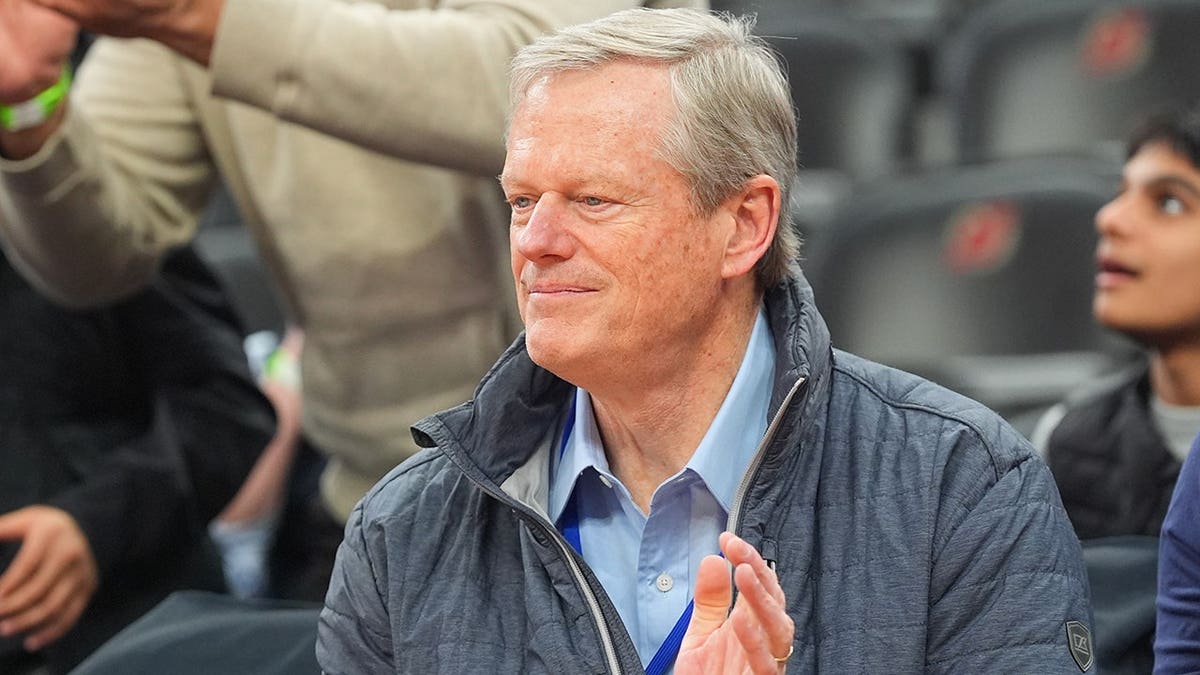
NCAA President Charlie Baker attends the game between the Seton Hall Pirates and Providence Friars on February 11, 2026 at Prudential Center in Newark, New Jersey. (Rich Graessle / Icon Sportswire via Getty Images)
One of the bigger problems in the aftermath of some injunctions granted is that there are too many athletes and not enough roster spots. As college football teams open fall camp to prepare for the 2026 season, there are not just a plethora of open spots on the roster left for those who now have eligibility, or will gain eligibility.
In college basketball, teams were anticipating the potential for madness this summer, so leaving one or two spots open for an occasion like this was a tad easier to navigate for the sport compared to football.
But even then, being in this spot of pure legal chaos was on the mind of plenty, including the NCAA.
NCAA knew this was coming, and now they're hanging on for dear life
The mind-boggling part of this entire saga is that attorneys, like Ryan Downton, essentially told the NCAA this was coming.
When former Vanderbilt linebacker Langston Patterson sued the organization in the U.S. District Court for the Middle District of Tennessee over the amount of years athletes are allowed to participate in college athletics, the warning shot to the NCAA was clearly given.
"We asked the NCAA to give everyone five years last year when we filed the Patterson lawsuit. They said no," Ryan Downton told OutKick-FOX News. "Now they’ve done it, but excluded the athletes asking for the change. It feels like the NCAA is saying, ‘you had a good idea, but we can’t let you enjoy the benefits of it.’ Just like they changed the name. We called it ‘five-for-five.’ They call it ‘age-based eligibility.’ It’s the same thing, but the NCAA tries to pretend it isn’t."
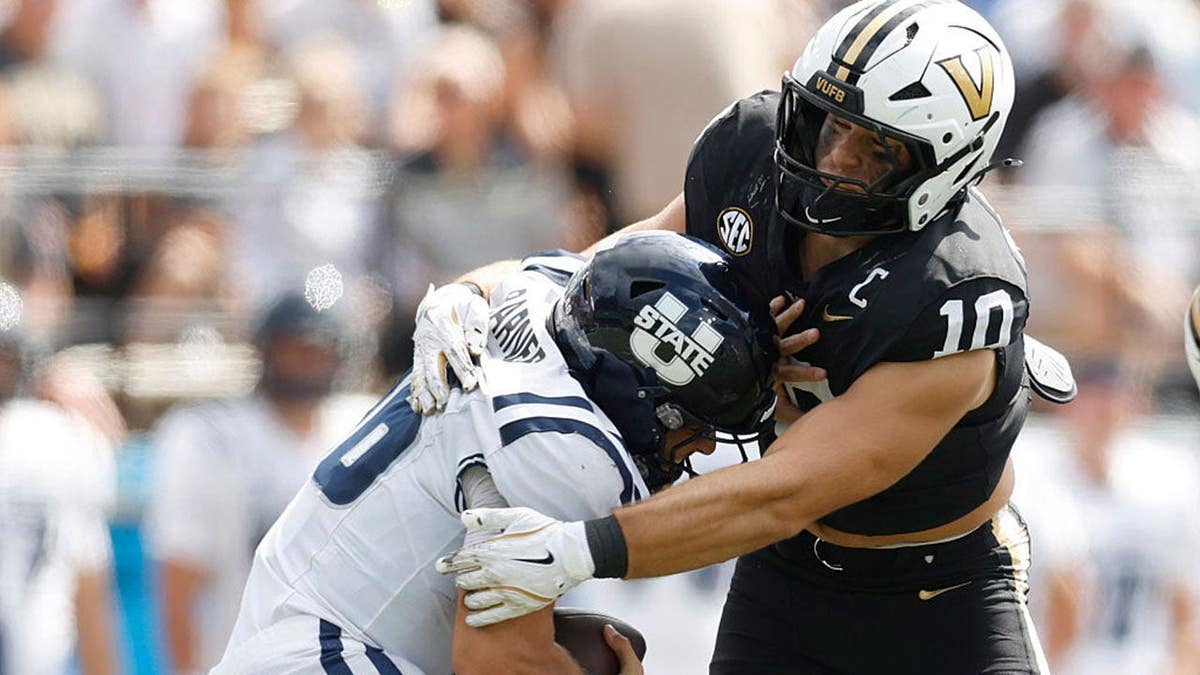
Langston Patterson #10 of the Vanderbilt Commodores sacks Bryson Barnes #16 of the Utah State Aggies during the first half at FirstBank Stadium in Nashville, Tenn., on Sept. 27, 2025. (Getty Images)
I've seen a few public relations' nightmares over the years that involve the NCAA, but this summer has been one for the ages. But, they cannot stop fighting these lawsuits, no matter how many are filed against them.
Why? Well that comes down to the organization actually granting a blanket-waiver themselves, and then having thousands of athletes gain an additional year of eligibility with nowhere to go. The NCAA might not want to admit it, but they are most likely in this for the long haul, though not for the reasons you might think at first.
Lost in the noise surrounding each statement from the NCAA desperately pleading for Congress to pass legislation that would provide some type of antitrust cover that keeps them out of courtrooms, is the fact that if they would have at least 'grandfathered' in the 2022 class with this new eligibility rule, they most certainly would not have their own lawyers racking up frequent-flyer miles on a consistent basis.
"The NCAA is fighting tooth and nail to stop my clients from playing this year. Meanwhile, the NCAA is intensely lobbying Congress to pass the PCSA," plaintiff attorney Ryan Downton told OutKick-FOX News. "The irony is that if the PCSA (Protect College Sports Act) became law today, all of my clients become immediately eligible and get to play this year.
"The NCAA is like a referee who thinks he’s bigger than the game he’s officiating - just do the right thing and get out of the way."
Lawsuits spread out across the country, as NCAA has to fight now
From courtrooms to Zoom hearings that allow attorneys to appear before multiple judges in a single day if needed, much of the current chaos feels entirely self-inflicted. And, that would most likely be the easiest way to comprehend one side of this fight.
Plaintiffs (athletes) are going at the NCAA in multiple courtrooms, in multiple states, arguing that if the new five-and-five rule was being implemented, then athletes who exhausted their clock this past season under the old rule should be granted the same rights that players under the new guidelines are utilizing.
And then came U.S. District Judge Charlotte Sweeney of Colorado, who granted a bombshell injunction in the [Wisne v. NCAA] class action lawsuit that has now sent the college athletics world into further chaos. That was filed by former Northern Colorado men's basketball player Brock Wisne.
This meant that athletes across all sports were given a blanket waiver to compete this season, if they had a year of eligibility left to use as part of the 2022 class. These rulings are not just being used in basketball, even if the sport is garnering most of the headlines.
In some states, like Tennessee and Ohio, injunctions granted in those cases will allow players who were plaintiffs in the lawsuits to utilize the transfer portal. But, in the Colorado case, the plaintiffs are not being granted an additional portal window.
"This is one of those situations where the facts really drive a lot of the story," Associate professor at Boise State's College of Business and Economics, Sam Ehrlich told OutKick-FOX News. "The law has already been winning on a lot of these eligibility rule cases, but judges are really resonating with the idea that these players in particular are being put in a bad spot -- having to compete against guys who played five or six years and the players after them getting five.
"It feels fundamentally unfair to judges who look for even treatment, and I think that drives a lot of the legal conclusions too, especially since the legal theories are all about whether the treatment is arbitrary or unfair."
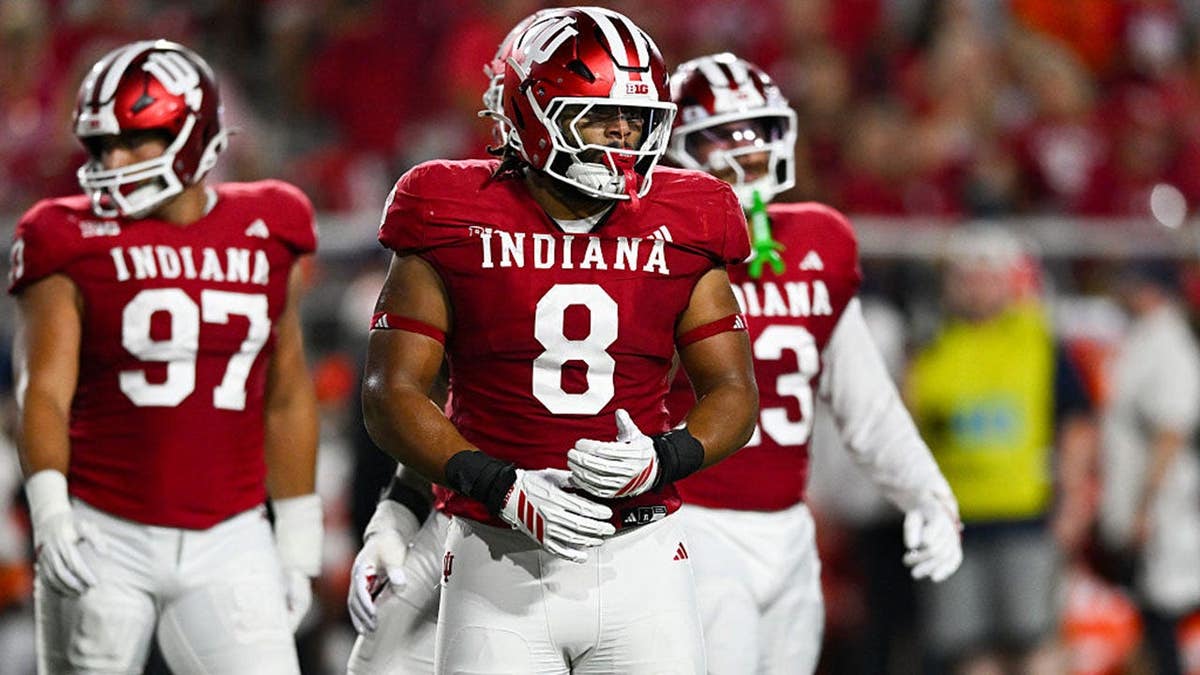
Indiana Hoosiers defensive lineman Stephen Daley (8) during a college football game between the Illinois Fighting Illini and Indiana Hoosiers on Sept. 20, 2025, at Memorial Stadium in Bloomington, Ind. (Icon Sportswire via Getty Images)
In reality, if the NCAA were to now just give in, and grant blanket waivers on their own, then they'd be admitting fault while also opening the floodgates to thousands of athletes who would be eligible, but have nowhere to play this season.
So, whether they like spending the money and resources or not, the NCAA has to continue fighting these cases in courtrooms across the country.
Ramifications against NCAA continue to grow, but roster spots are thin
On Tuesday, Indiana announced that star defensive lineman Stephen Daley, who was injured in a postgame celebration following the 2025 Big Ten championship, was returning for the 2026 season by way of the court ruling in Colorado.
"If it all works out and he can participate and help this football team, then his life could change," Curt Cignetti said about Daley returning. "I know one thing about him, he’ll give it his best shot, he really will, and we’ll just see what happens."
College Football Is Finally Back After Months Of NCAA Lawsuits, NIL Drama And Congressional Fights
That line from Cignetti on how Indiana will 'see what happens' mainly centers around the NCAA appealing the Colorado court's decision.
If the organization is awarded an 'administrative stay', then the injunction would be lifted while proceedings continue and the rules would go back in place, meaning Stephen Daley would be ineligible once again.
CLICK HERE TO DOWNLOAD THE FOX NEWS APP
But, who's to say the Indiana lineman wouldn’t then file a lawsuit in state court?
The other problem for NCAA officials, and lawyers, is that there is no end in sight. Whether it's athletes suing for an additional year or monetary damages they feel are owed for the organizations misdoings, this is not slowing down any time soon.
And one of the most interesting parts of this entire ordeal centers around the fact that if Congress were to pass the 'Protect College Sports Act', I don't know if there's enough antitrust protection wrapped in this legislation to keep them out of court in the future.
Don't worry though, it will all get sorted out and cooler heads will prevail.
Right?
https://www.foxnews.com/outkick-sports/ncaa-ignored-warnings-fighting-survival-courtrooms-across-america-eligibility