Move Back
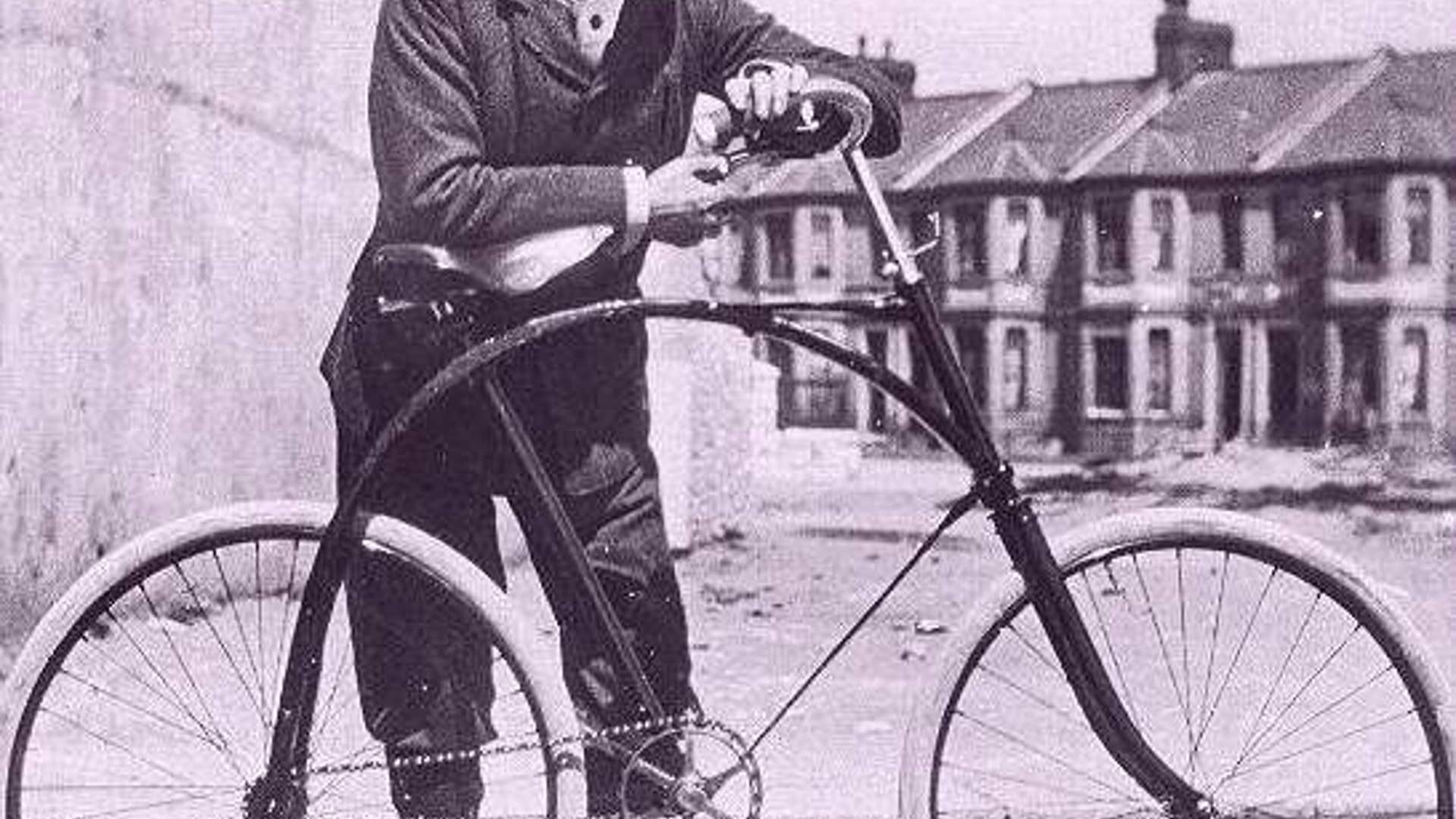
![Bike Plymouth]() Bicycle (1861) The French vélocipède, invented in 1861 by Pierre Marchaux, is widely considered to be the first true bicycle. There are a billion bicycles now worldwide, twice as many as automobiles.
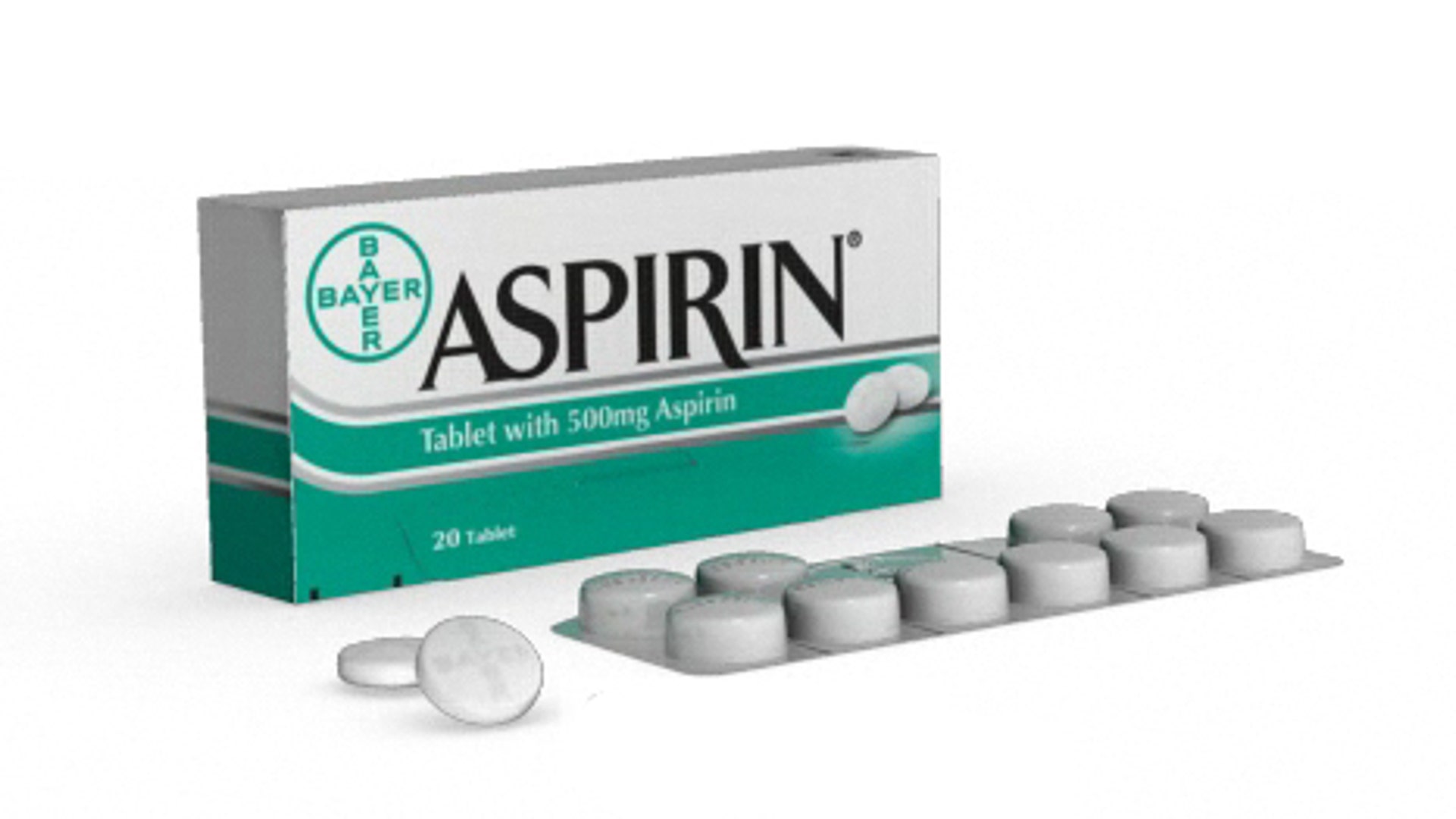
Bicycle (1861) The French vélocipède, invented in 1861 by Pierre Marchaux, is widely considered to be the first true bicycle. There are a billion bicycles now worldwide, twice as many as automobiles.![Aspirin Bayer]() Aspirin (1899) The first recorded use of Aspirin-like remedies goes back to nearly 500 BC when Hippocrates, the "father of modern medicine," wrote about treating such symptoms as headaches, pains, and fevers using willow bark and leaves -- which contain salicylic acid. The formula was perfected in 1899 by a French chemist who developed acetylsalicylic acid, which maintained the benefits of pure salicylic acid with less severe side effects. By 1899, Bayer was selling it around the world.
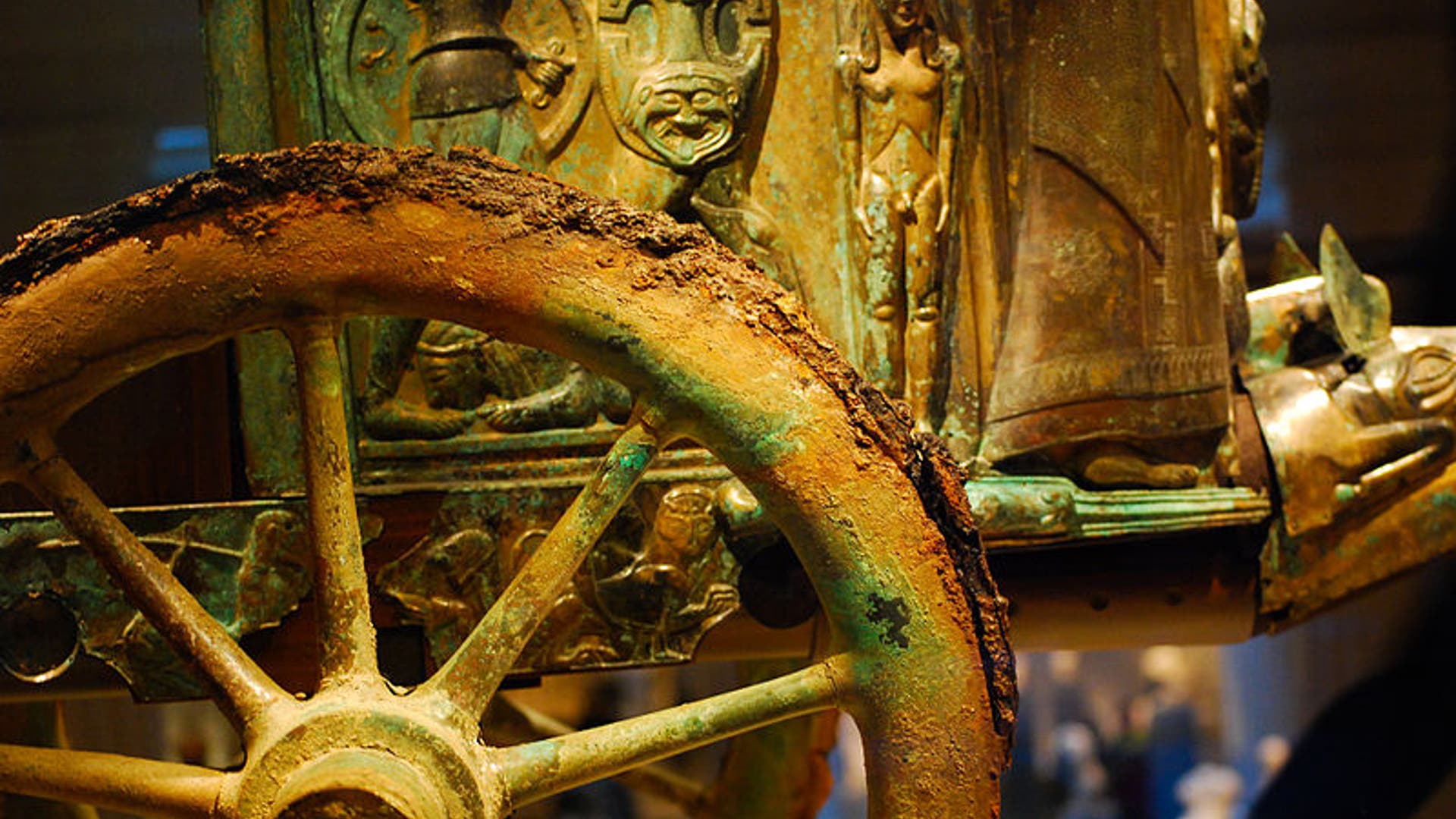
Aspirin (1899) The first recorded use of Aspirin-like remedies goes back to nearly 500 BC when Hippocrates, the "father of modern medicine," wrote about treating such symptoms as headaches, pains, and fevers using willow bark and leaves -- which contain salicylic acid. The formula was perfected in 1899 by a French chemist who developed acetylsalicylic acid, which maintained the benefits of pure salicylic acid with less severe side effects. By 1899, Bayer was selling it around the world.![Wheel Chariot]() Wheel (3500-3350 BC) The invention of the wheel has been pivotal for technology in general, setting the foundation for future developments such as the water wheel, the cogwheel, and the spinning wheel. Modern descendants include the propeller, the jet engine, and the turbine. Pictured is the Wheel of the Etruscan chariot (ca. 530 BC)
Wheel (3500-3350 BC) The invention of the wheel has been pivotal for technology in general, setting the foundation for future developments such as the water wheel, the cogwheel, and the spinning wheel. Modern descendants include the propeller, the jet engine, and the turbine. Pictured is the Wheel of the Etruscan chariot (ca. 530 BC)![Bra Modern]() Bra (Early 1900s) Mary Phelps Jacob was looking for an alternative to the ubiquitous and sometimes unisightly corset. She ended up creating a bra using a handkerchief and ribbon. Jacob was awarded a patent in 1914 and would later sell her business to Warner Brothers Corset Company for $1,500.
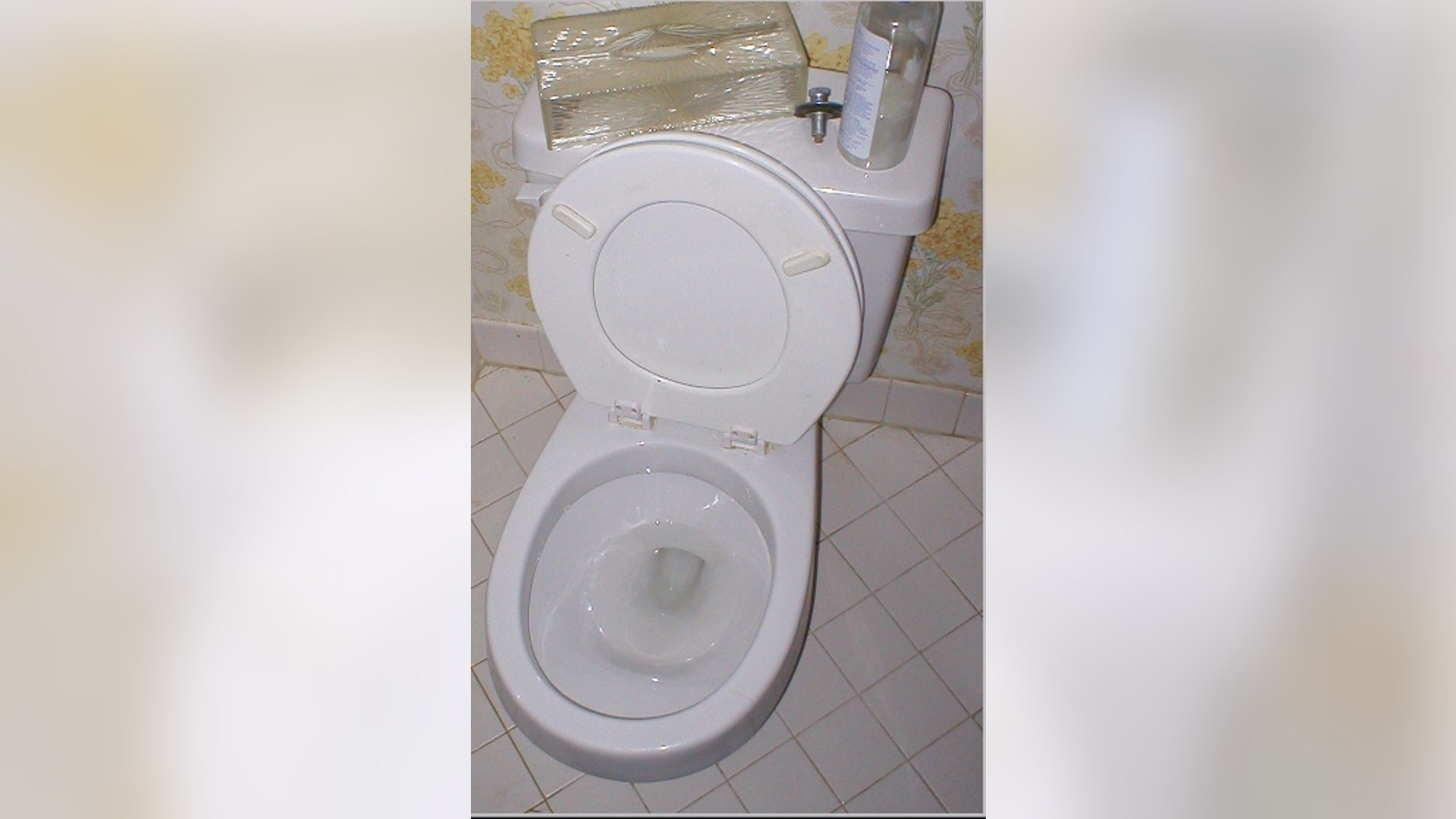
Bra (Early 1900s) Mary Phelps Jacob was looking for an alternative to the ubiquitous and sometimes unisightly corset. She ended up creating a bra using a handkerchief and ribbon. Jacob was awarded a patent in 1914 and would later sell her business to Warner Brothers Corset Company for $1,500.![Toilet Flush]() Flush Toilet (1596) Various versions of flushing toilets were used as far back as the 26th century BC in the Indus Valley, where the cities of Harappa and Mohenjo-daro had a flush toilet in almost every house, attached to a sophisticated sewage system. The true prelude to the modern flush toilet began in 1596 when Sir John Harington installed his version of a flush system for the Queen of England.
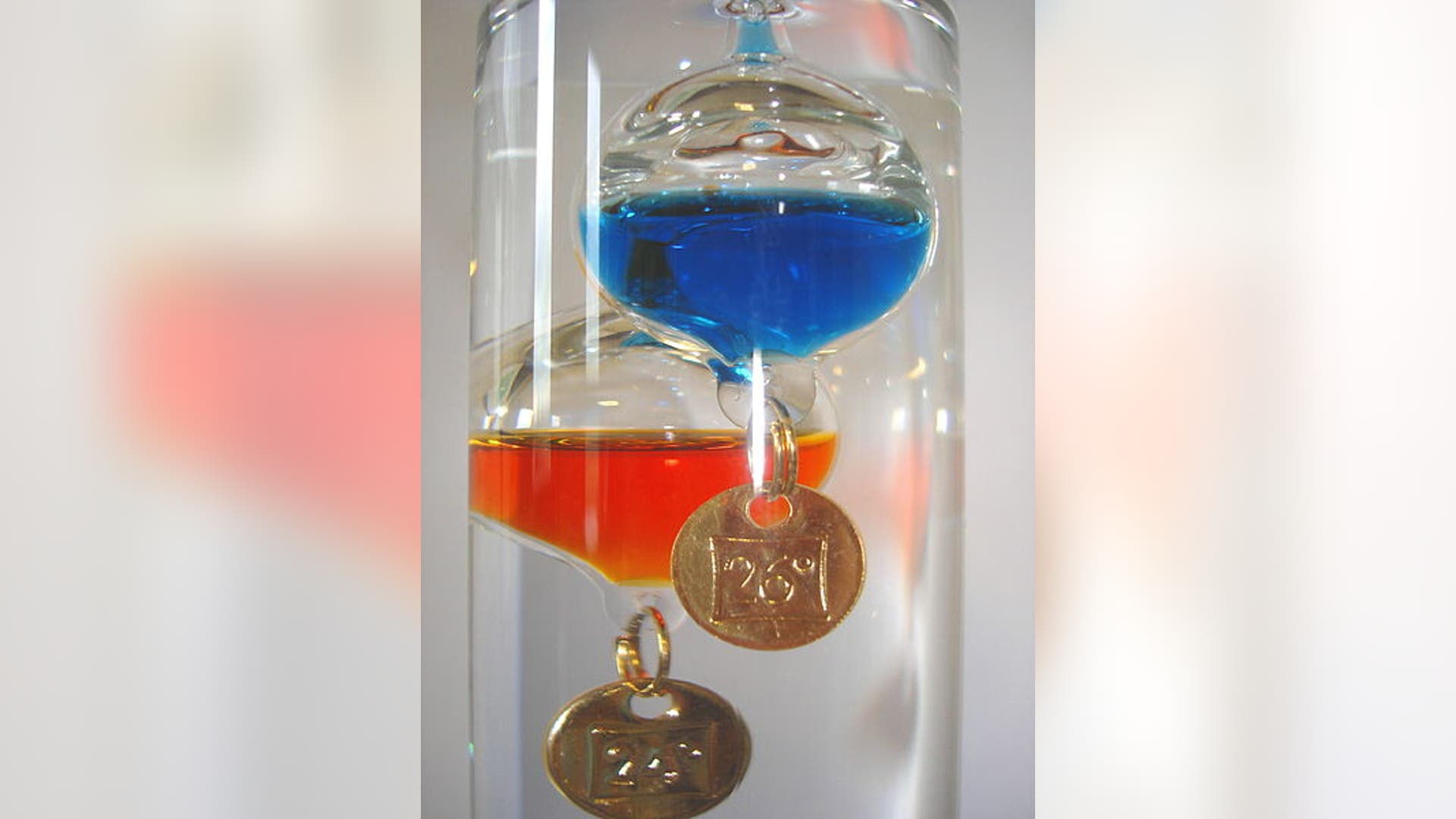
Flush Toilet (1596) Various versions of flushing toilets were used as far back as the 26th century BC in the Indus Valley, where the cities of Harappa and Mohenjo-daro had a flush toilet in almost every house, attached to a sophisticated sewage system. The true prelude to the modern flush toilet began in 1596 when Sir John Harington installed his version of a flush system for the Queen of England.![Thermometer Galileo]() Thermometer (16th Century) The word thermometer (in its French form) first appeared in 1624 in La Récréation Mathématique by J. Leurechon, who describes one with a scale of 8 degrees. But each inventor and each thermometer was unique -- there was no standard scale. Finally in 1724 Daniel Gabriel Fahrenheit produced a temperature scale which now (slightly adjusted) bears his name. Pictured is a classic Galileo model.
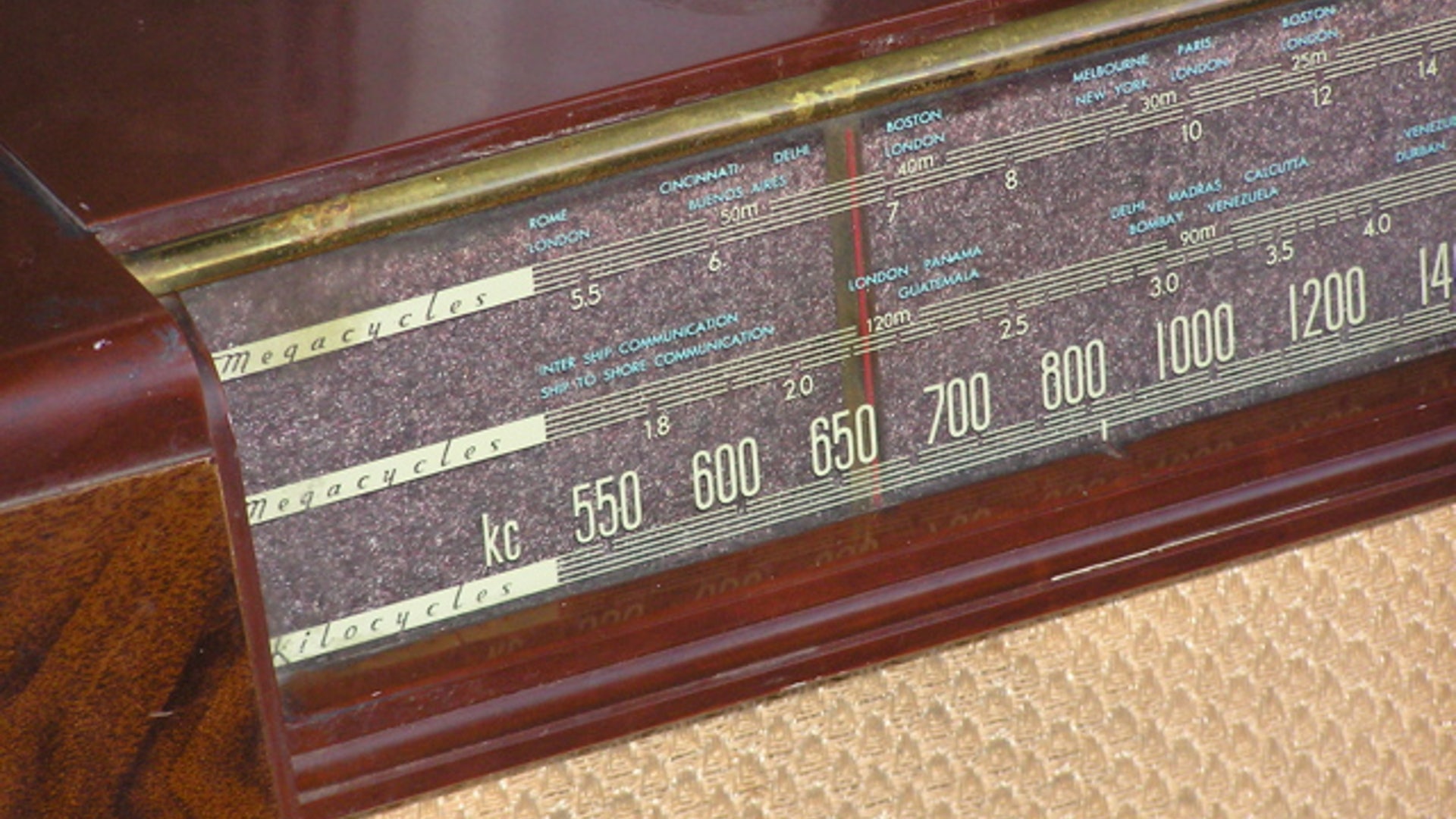
Thermometer (16th Century) The word thermometer (in its French form) first appeared in 1624 in La Récréation Mathématique by J. Leurechon, who describes one with a scale of 8 degrees. But each inventor and each thermometer was unique -- there was no standard scale. Finally in 1724 Daniel Gabriel Fahrenheit produced a temperature scale which now (slightly adjusted) bears his name. Pictured is a classic Galileo model.![Radio Old]() Radio (1895) Though guys like James Clerk Maxwell, Nikola Tesla, and Thomas Edison all made important contributions to the development of radio technology, it was Guglielmo Marconi who built a wireless system capable of transmitting signals at long distances in 1895.
Radio (1895) Though guys like James Clerk Maxwell, Nikola Tesla, and Thomas Edison all made important contributions to the development of radio technology, it was Guglielmo Marconi who built a wireless system capable of transmitting signals at long distances in 1895.![Plow Ancient]() Plow (6000 BC) The domestication of animals such as oxen provided mankind with the pulling power needed to develop the first plows. They consisted of a frame holding a vertical wooden stick that was dragged through the topsoil -- and are still used in many parts of the world.
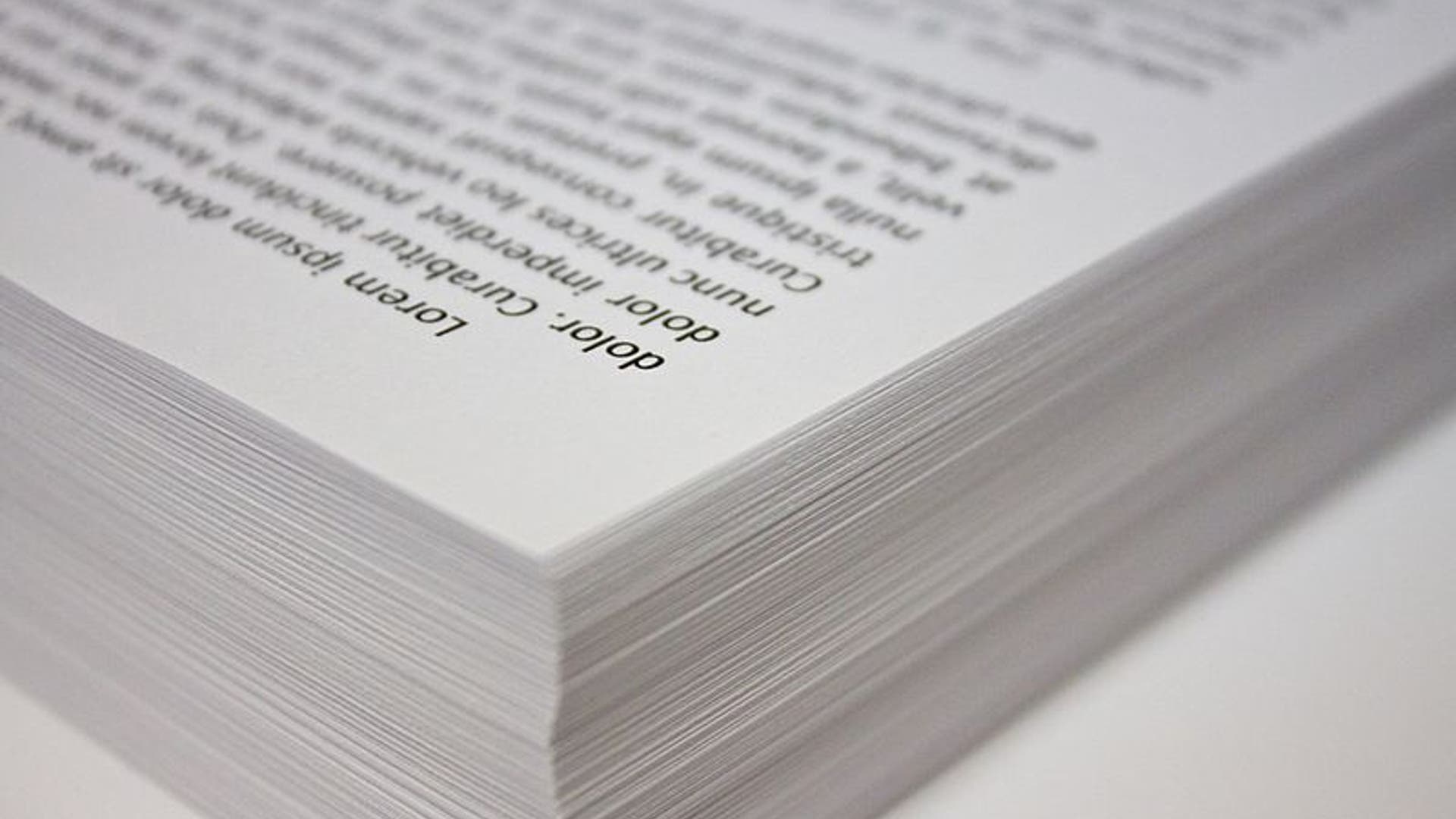
Plow (6000 BC) The domestication of animals such as oxen provided mankind with the pulling power needed to develop the first plows. They consisted of a frame holding a vertical wooden stick that was dragged through the topsoil -- and are still used in many parts of the world.![Paper Stack]() Paper (105 AD) Papermaking has traditionally been traced to China about 105 AD and is considered one of the country's four great inventions.
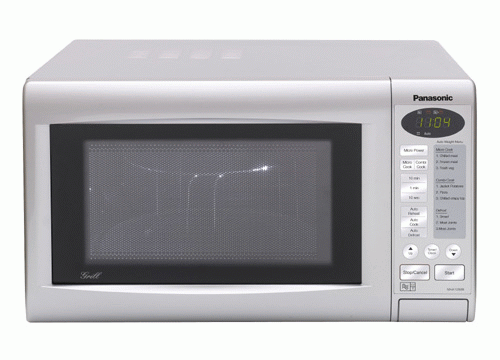
Paper (105 AD) Papermaking has traditionally been traced to China about 105 AD and is considered one of the country's four great inventions.![Microwave Oven]() Microwave Oven (1945) The development of the microwave oven was one of those happy accidents. American engineer Percy Spencer was working for Raytheon building magnetrons for radar sets when he noticed that a Mr. Goodbar in his pocket started to melt. Spencer realized it had been the microwaves that had done the trick. The first food he deliberately cooked? Popcorn of course.
Microwave Oven (1945) The development of the microwave oven was one of those happy accidents. American engineer Percy Spencer was working for Raytheon building magnetrons for radar sets when he noticed that a Mr. Goodbar in his pocket started to melt. Spencer realized it had been the microwaves that had done the trick. The first food he deliberately cooked? Popcorn of course.![Microchip Intel]() Microchip (1958) In their half century of existence, microchips have practically taken over the world -- landing themselves in everything from computers to even humans.
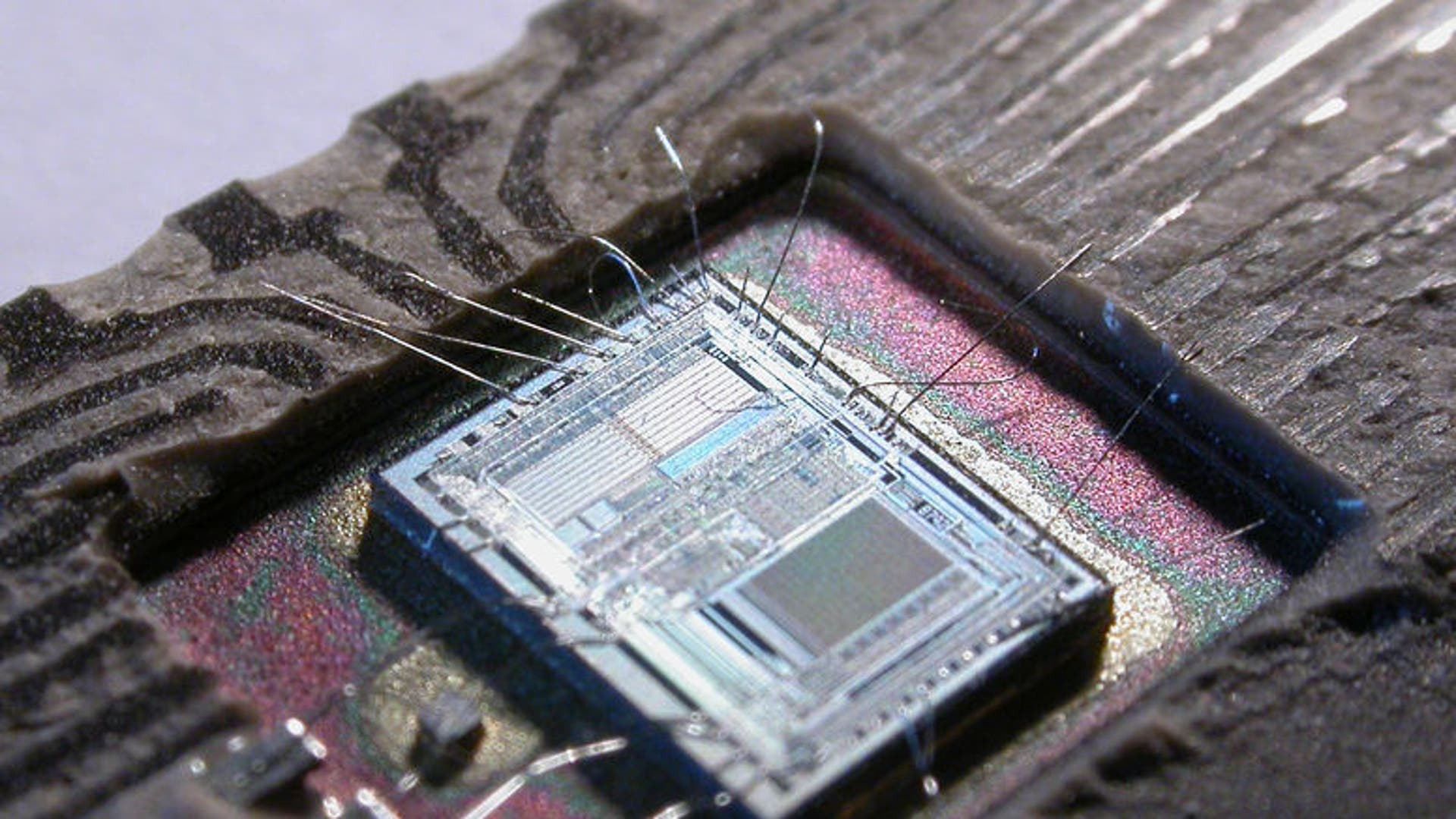
Microchip (1958) In their half century of existence, microchips have practically taken over the world -- landing themselves in everything from computers to even humans.![Light Bulb Edison]() Light Bulb (19th Century) While Thomas Edison is often mentioned as the inventor of the light, historians Robert Friedel and Paul Israel cite at least 22 earlier inventors. Edison's version (pictured) was able to transcend others because of some key details, including finding an effective incandescent material and being able to achieve a higher vacuum and a high resistance.
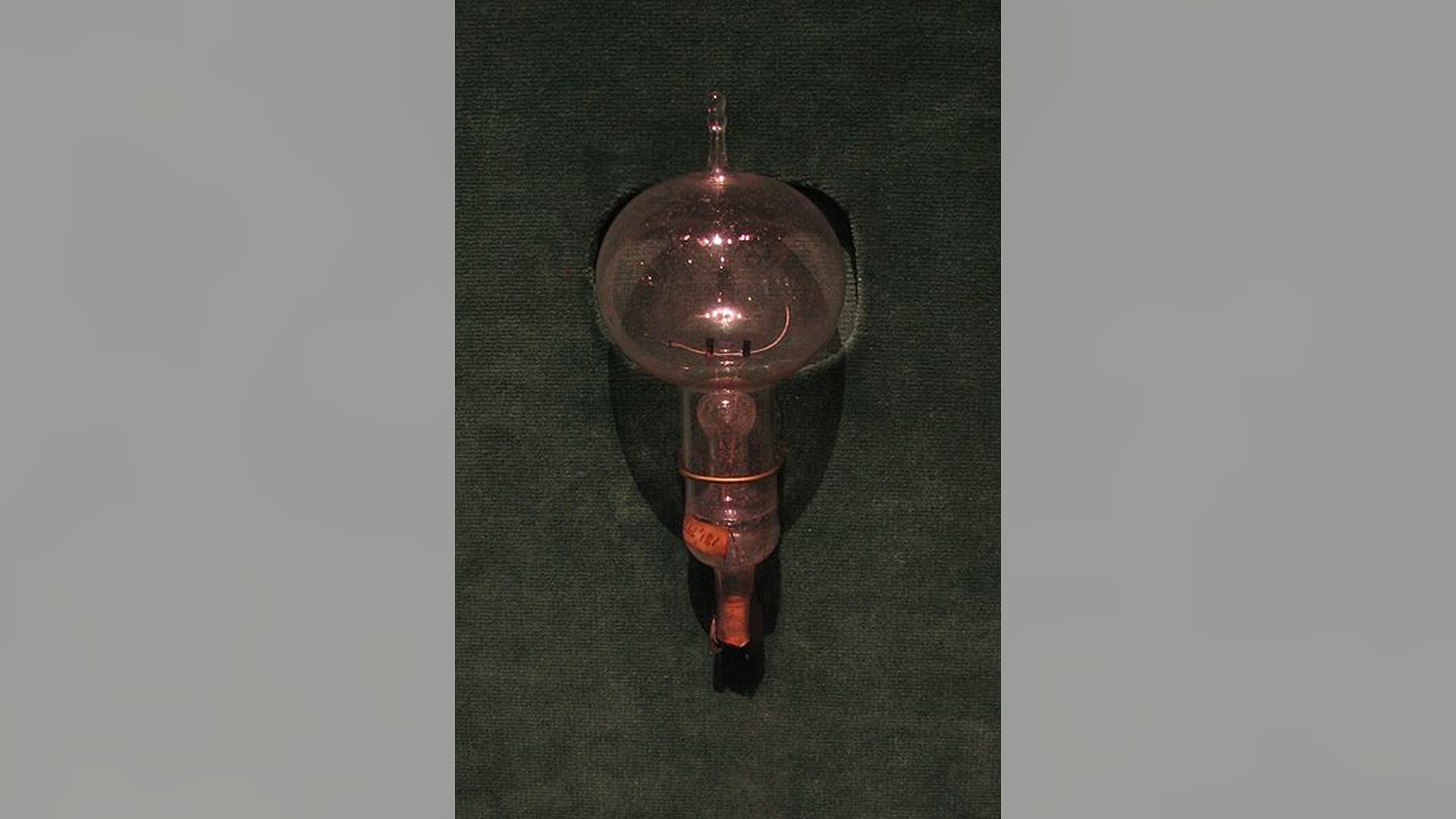
Light Bulb (19th Century) While Thomas Edison is often mentioned as the inventor of the light, historians Robert Friedel and Paul Israel cite at least 22 earlier inventors. Edison's version (pictured) was able to transcend others because of some key details, including finding an effective incandescent material and being able to achieve a higher vacuum and a high resistance.![Paper Clips Color]() Paper Clip (1867) According to the Early Office Museum, the first patent for a bent wire paper clip was awarded in the United States to Samuel B. Fay, in 1867. Despite the early patent, Fay's design never really took off; instead the Gem paper clip, which was never patented, took off in Great Britain. It's still the design we use today, producing 18 billion in the U.S. alone.
Paper Clip (1867) According to the Early Office Museum, the first patent for a bent wire paper clip was awarded in the United States to Samuel B. Fay, in 1867. Despite the early patent, Fay's design never really took off; instead the Gem paper clip, which was never patented, took off in Great Britain. It's still the design we use today, producing 18 billion in the U.S. alone.![Compass Bearing]() Compass (1117) Before the compass, getting lost was more or less a guarantee. The discovery of Magnetic North allowed man to explore the world. The first incontestable evidence for the use of a compass as a navigational device appeared in Chinese records in 1117. Early compasses were typically constructed by floating magnetized needles in bowls of water.
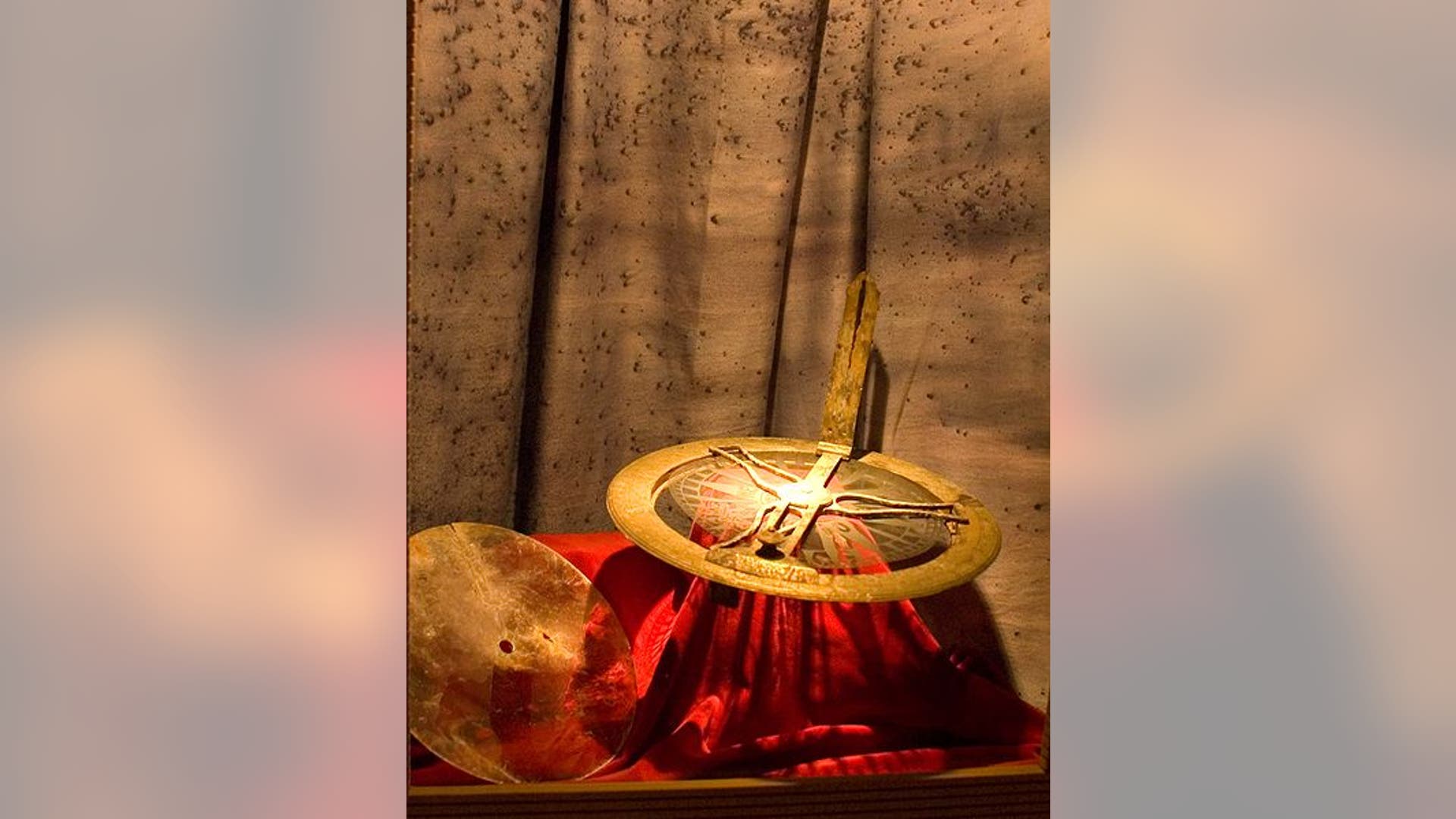
Compass (1117) Before the compass, getting lost was more or less a guarantee. The discovery of Magnetic North allowed man to explore the world. The first incontestable evidence for the use of a compass as a navigational device appeared in Chinese records in 1117. Early compasses were typically constructed by floating magnetized needles in bowls of water.14 Inventions That Shaped the World
What's the greatest invention since sliced cheese? Wait: Why is sliced cheese so great in the first place? Here are 14 inventions that REALLY changed the world -- cheese not included.



Move Forward
- 14 Inventions That Shaped the World


