Move Back
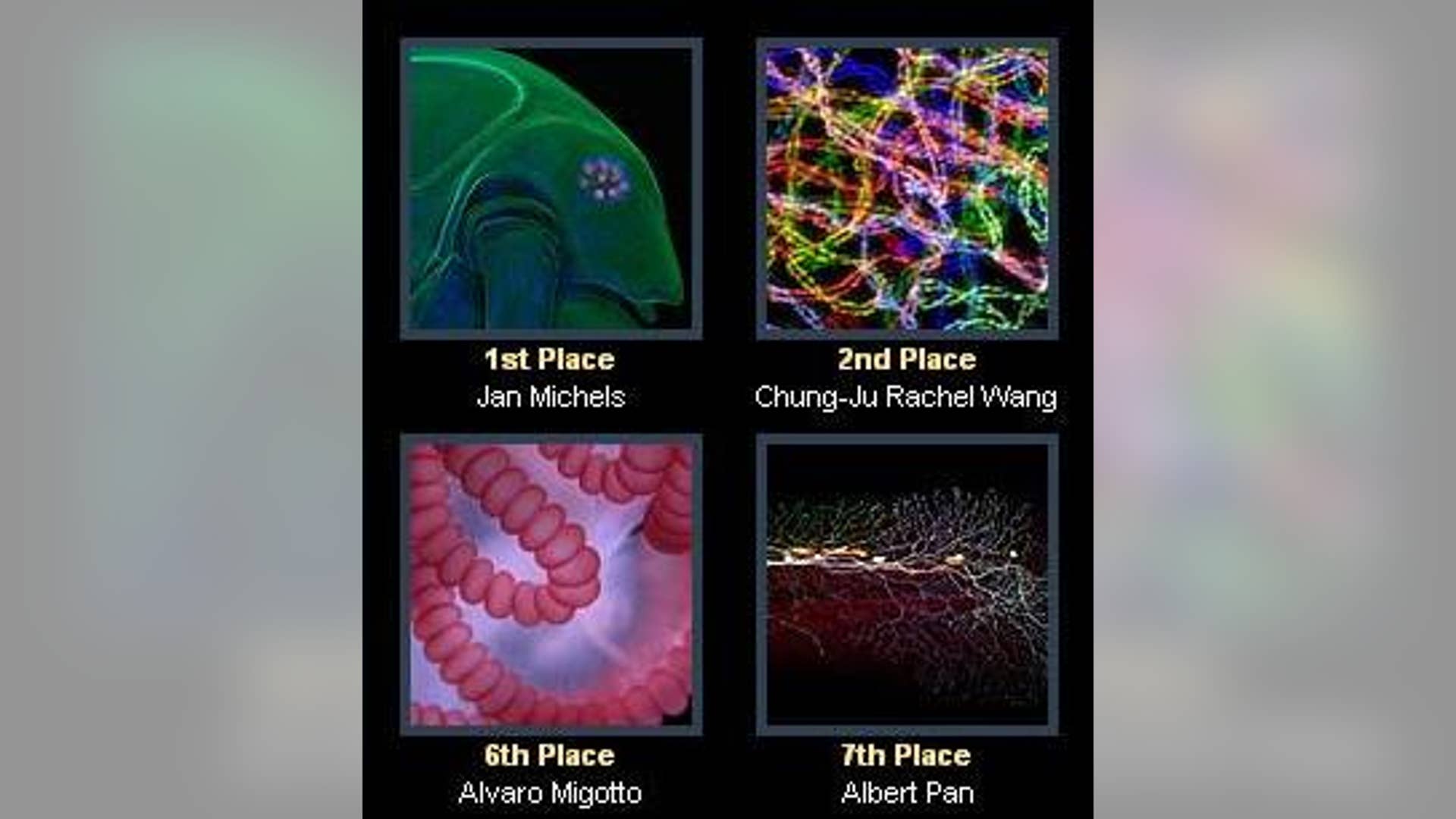
![The 2009 BioScapes Contest]() Every year, the Olympus BioScapes competition highlights the best microscopic photography of the year. These fascinating glimpses of the unseen universe are judged annually on the science they depict, their aesthetics, and their technical merit. Here, the winning 10 photographs, and 10 of the 66 photos that earned honorable mentions. For the entire gallery, and to learn more about the competition, visit www.olympusbioscapes.com.
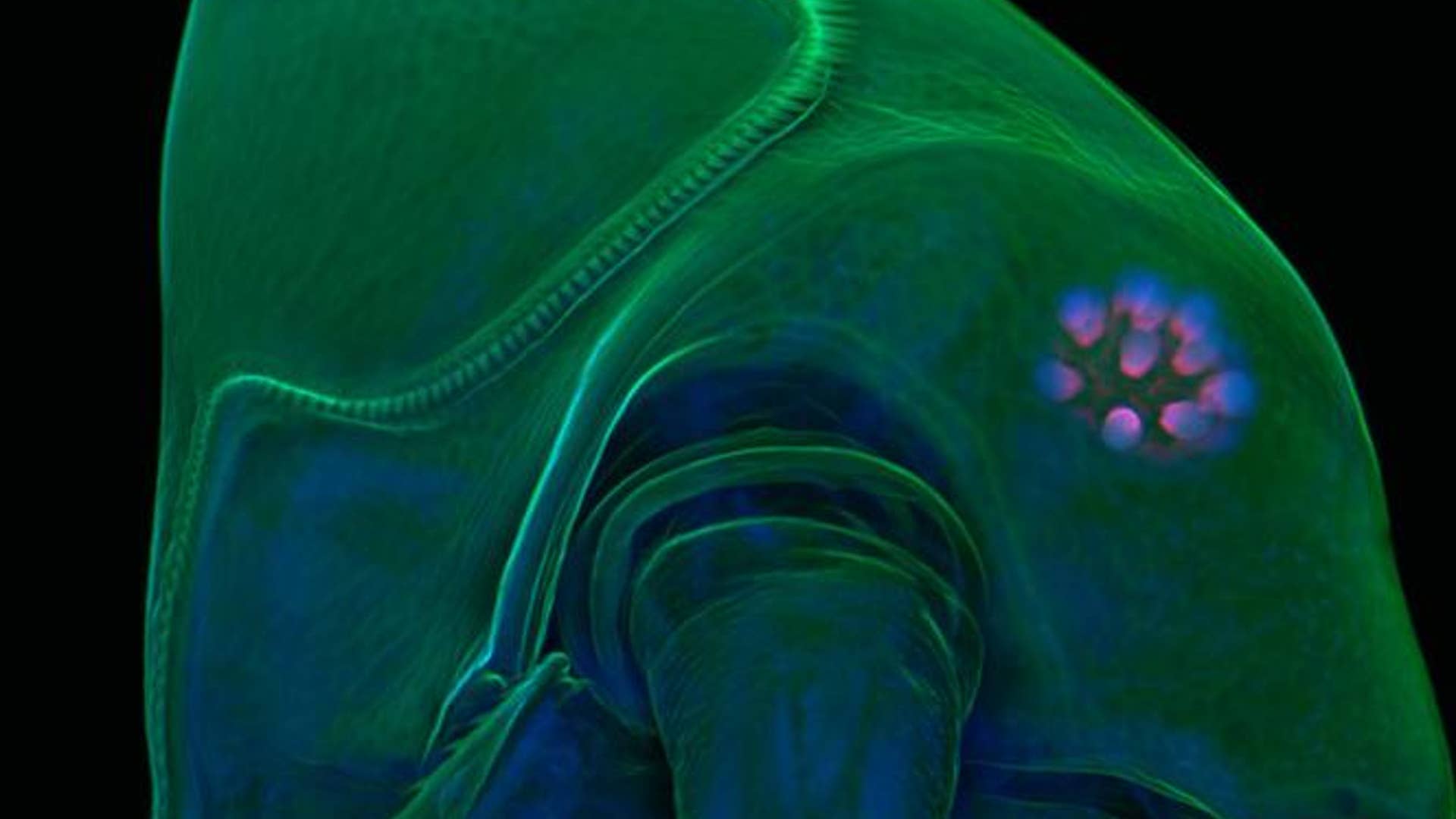
Every year, the Olympus BioScapes competition highlights the best microscopic photography of the year. These fascinating glimpses of the unseen universe are judged annually on the science they depict, their aesthetics, and their technical merit. Here, the winning 10 photographs, and 10 of the 66 photos that earned honorable mentions. For the entire gallery, and to learn more about the competition, visit www.olympusbioscapes.com.![1. Water Flea]() Water flea Daphnia atkinsoni. This specimen has a "crown of thorns," a defensive trait induced in offspring only when the parents sense chemical cues released by one of their main predators, the tadpole shrimp Triops cancriformis. The water flea's exoskeleton (exterior structure, green) and subcellular details within the organism (nuclei, tiny blue dots) are both visible.
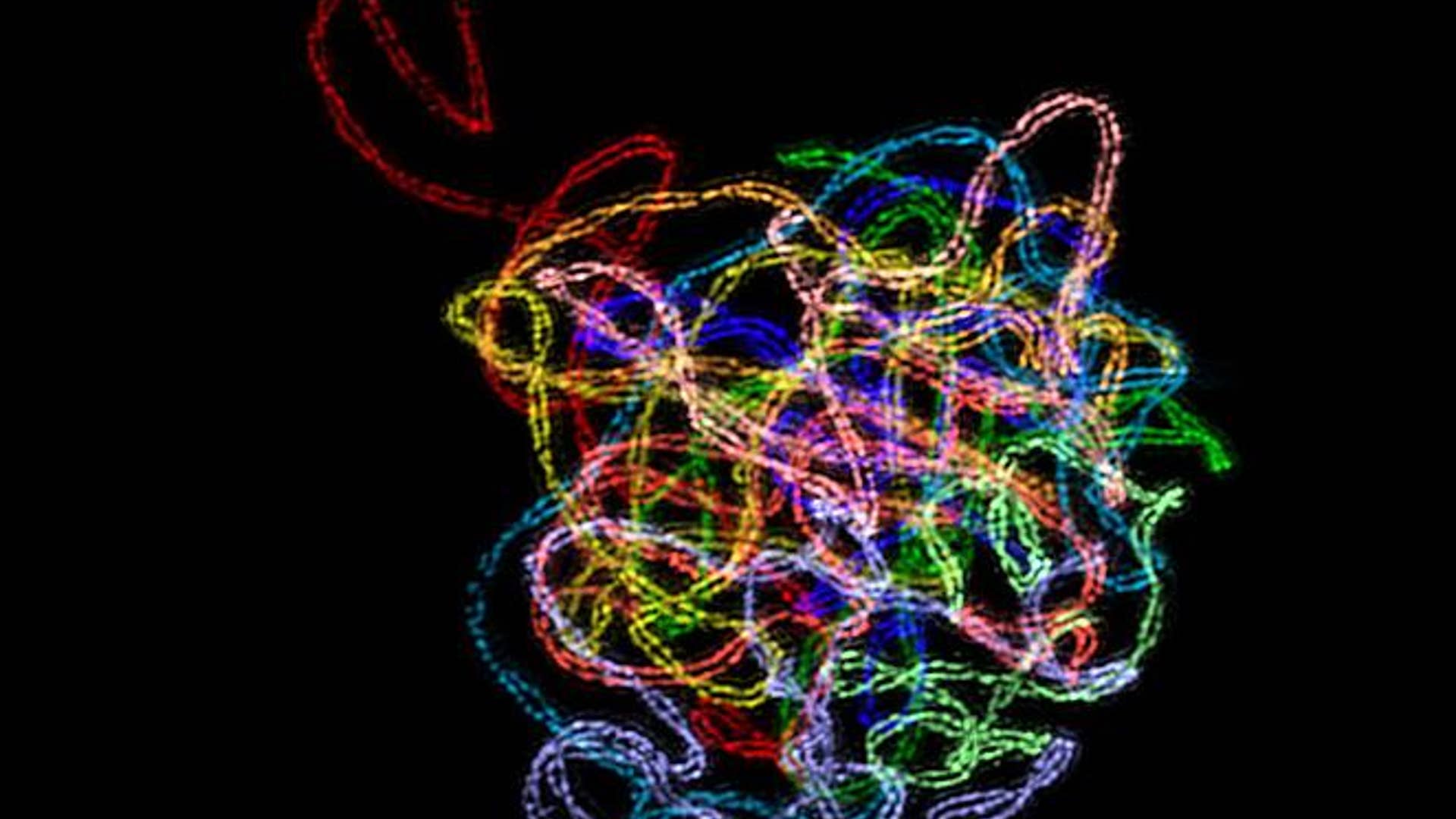
Water flea Daphnia atkinsoni. This specimen has a "crown of thorns," a defensive trait induced in offspring only when the parents sense chemical cues released by one of their main predators, the tadpole shrimp Triops cancriformis. The water flea's exoskeleton (exterior structure, green) and subcellular details within the organism (nuclei, tiny blue dots) are both visible.![2. Cellular Division]() The nucleus of a plant cell showing a ladderlike protein structure that forms between pairing chromosomes during meiosis (the cell division required for reproduction). This may be the first-ever high-resolution 3D image of this complex ever captured with light microscopy.
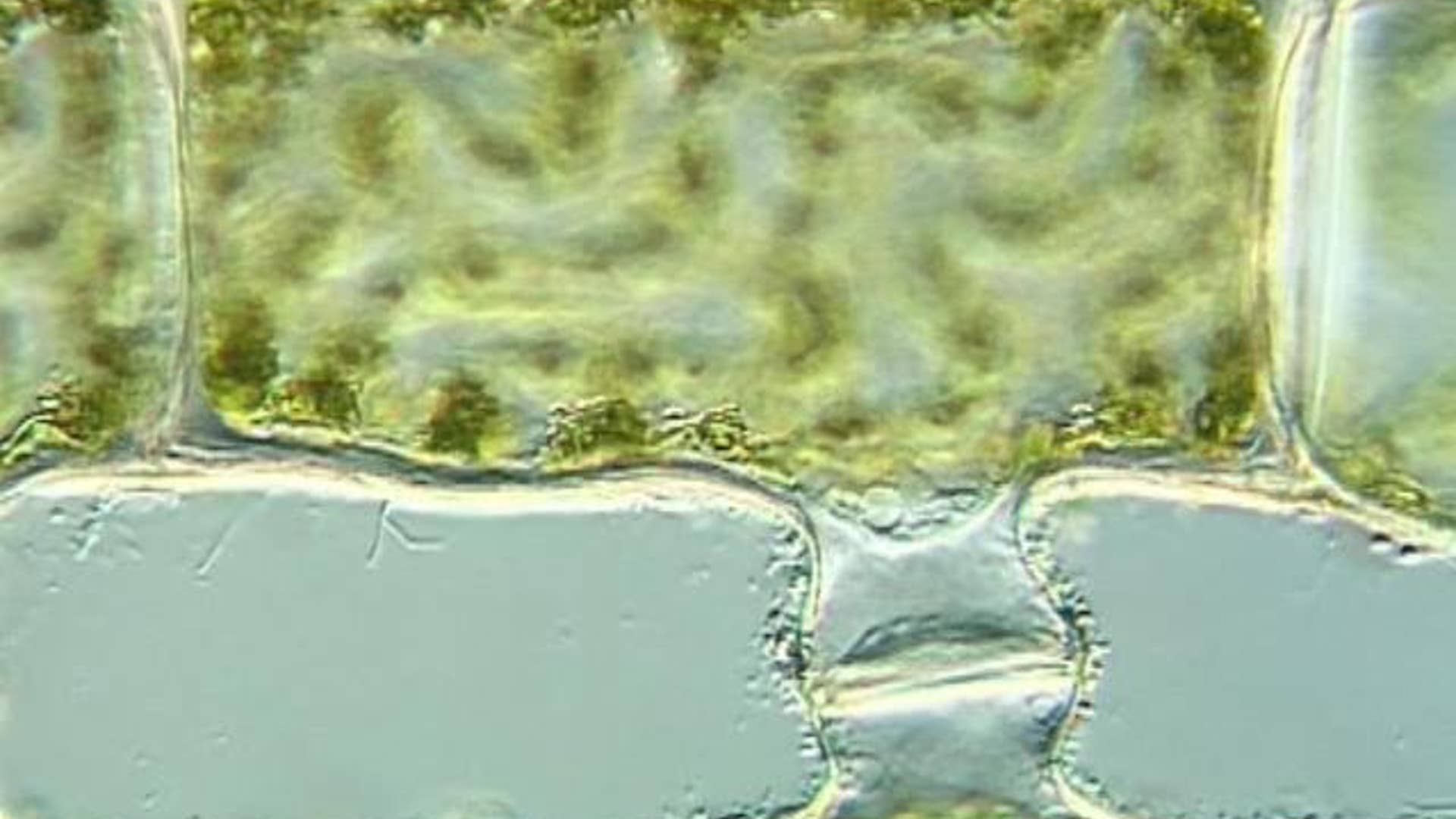
The nucleus of a plant cell showing a ladderlike protein structure that forms between pairing chromosomes during meiosis (the cell division required for reproduction). This may be the first-ever high-resolution 3D image of this complex ever captured with light microscopy.![3. Sexual Attraction in Spirogyra]() This classic microscopic subject illustrates sex in lower organisms and shows the power of sexual attraction even in simple algae. One cell becomes quite amoeboid as it squeezes through the narrow fertilization tube that the partner cells have just built between them. This still frame is taken from a movie shot in time-lapse over 2 hours.
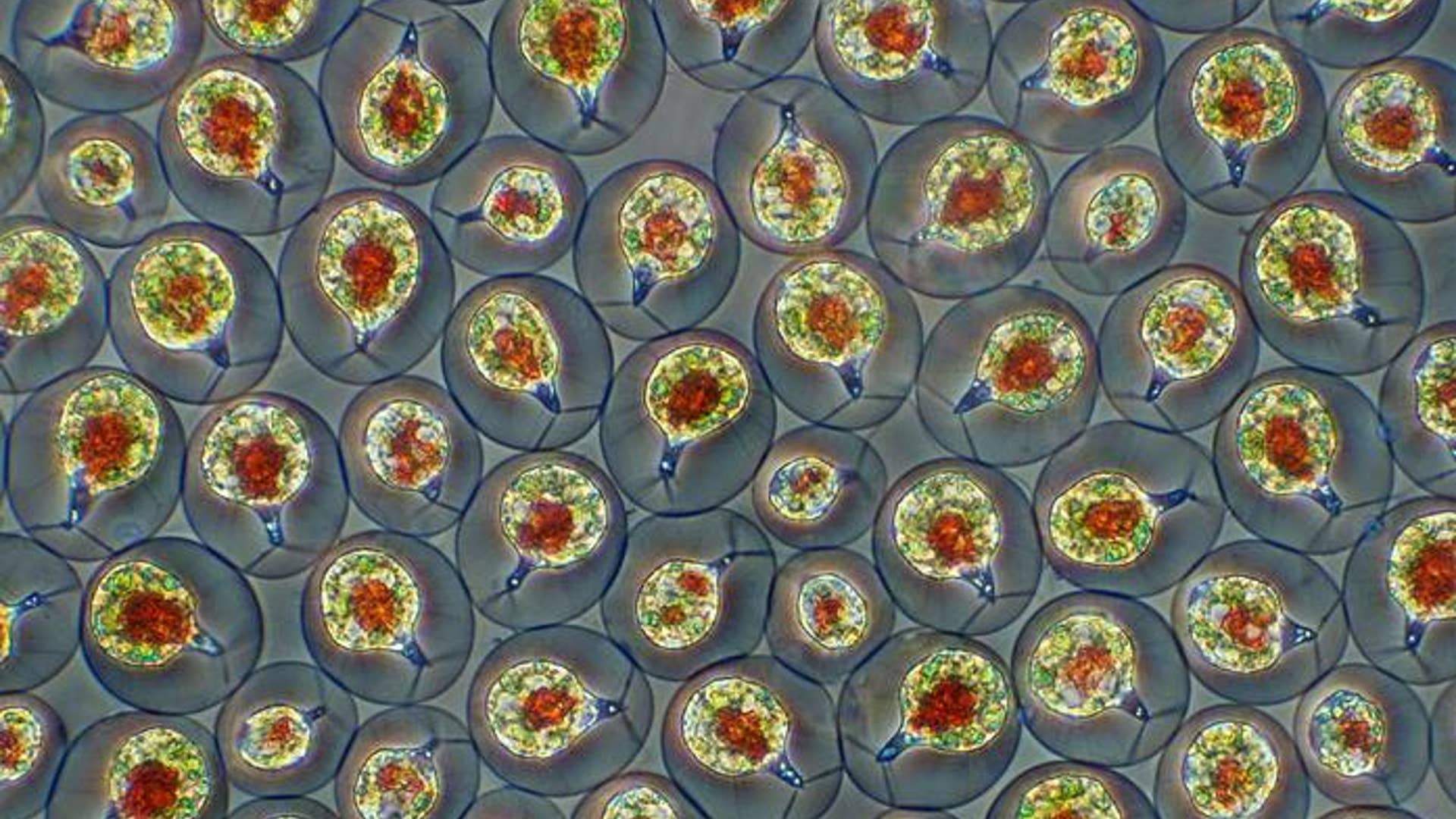
This classic microscopic subject illustrates sex in lower organisms and shows the power of sexual attraction even in simple algae. One cell becomes quite amoeboid as it squeezes through the narrow fertilization tube that the partner cells have just built between them. This still frame is taken from a movie shot in time-lapse over 2 hours.![4. Fresh Water Algae]() Fresh water algae called Haematococcus pluvialis, mangified 100 fold.
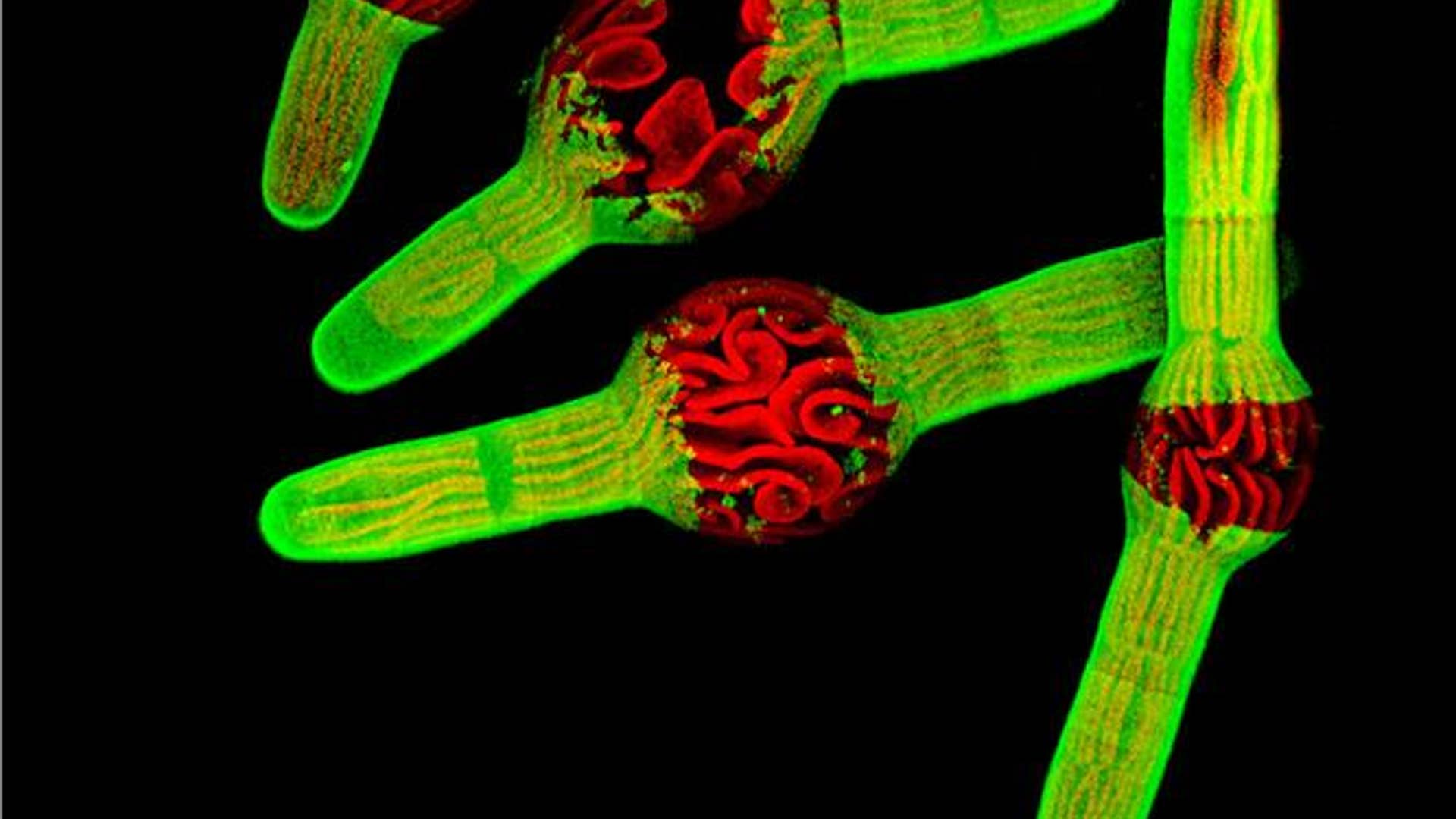
Fresh water algae called Haematococcus pluvialis, mangified 100 fold.![5. Single-Celled Algae]() Unicellular alga Penium, treated with the microtubule poison oryzalin
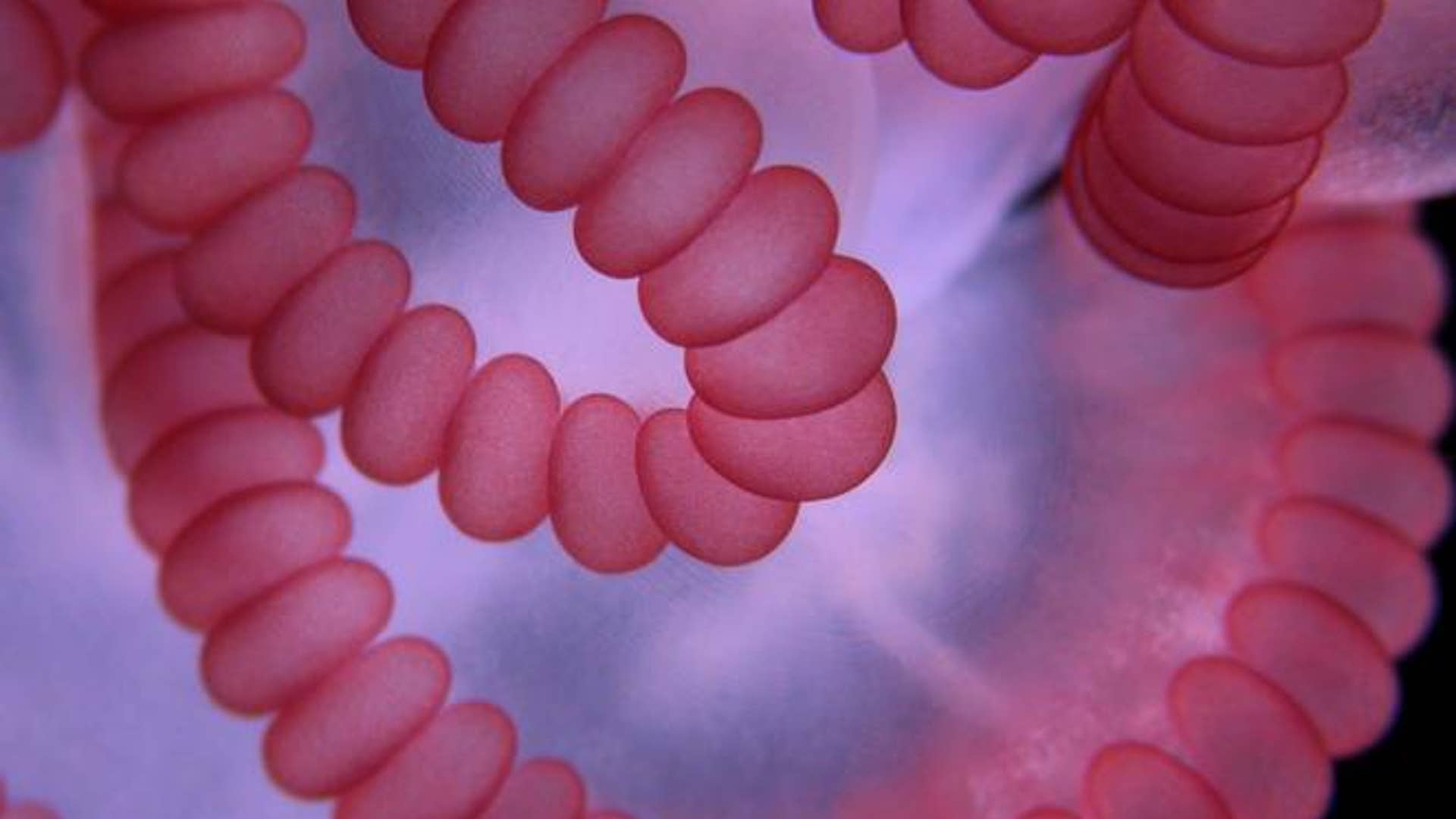
Unicellular alga Penium, treated with the microtubule poison oryzalin![6. Portuguese Man o' War]() Tentacle of a portuguese man o' war, Physalia physalis, magnified thirty-fold. Notorious for its painful, powerful sting, the man o' war has a gas-filled floating chamber that supports the tentacles, which bear sting cells. Shown are the pink batteries of stinging cells and a delicate muscular band responsible for the high contractibility of the tentacles.
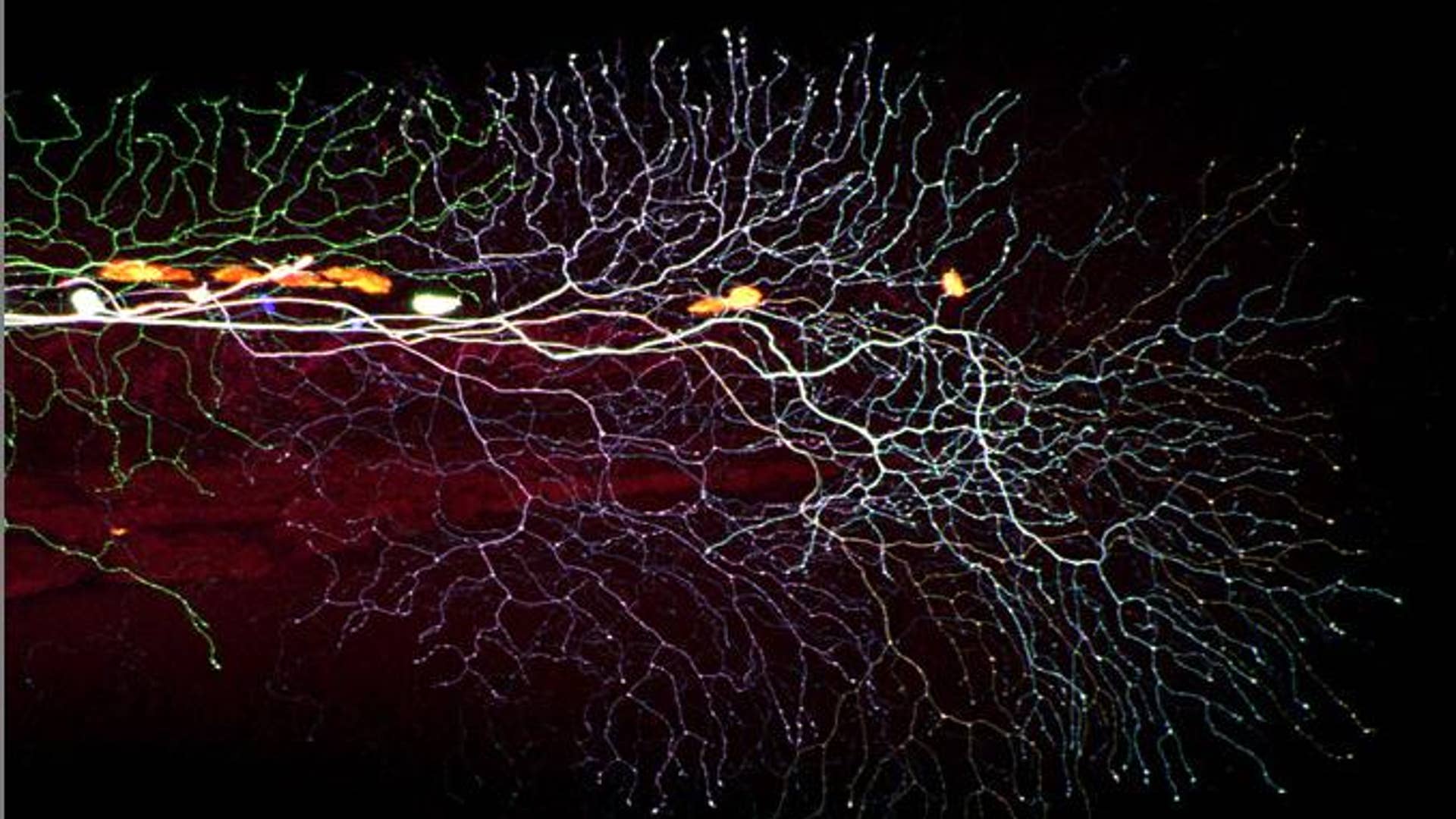
Tentacle of a portuguese man o' war, Physalia physalis, magnified thirty-fold. Notorious for its painful, powerful sting, the man o' war has a gas-filled floating chamber that supports the tentacles, which bear sting cells. Shown are the pink batteries of stinging cells and a delicate muscular band responsible for the high contractibility of the tentacles.![7. Zebrafish Tail Nerves]() Sensory axons (long, slender nerve fibers) covering the tail of a 3-day-old larval zebrafish. In the "Brainbow" photography technique used to capture this picture, cells randomly choose combinations of red, yellow and cyan fluorescent proteins, so that they each glow a particular color. This provides a way to distinguish neighboring cells of the nervous system and follow their pathways.
Sensory axons (long, slender nerve fibers) covering the tail of a 3-day-old larval zebrafish. In the "Brainbow" photography technique used to capture this picture, cells randomly choose combinations of red, yellow and cyan fluorescent proteins, so that they each glow a particular color. This provides a way to distinguish neighboring cells of the nervous system and follow their pathways.![8. Thale Cress Flower]() Flower of Arabidopsis thaliana (more commonly called the thale cress), a popular model organism in plant biology and genetics, magified 20x.
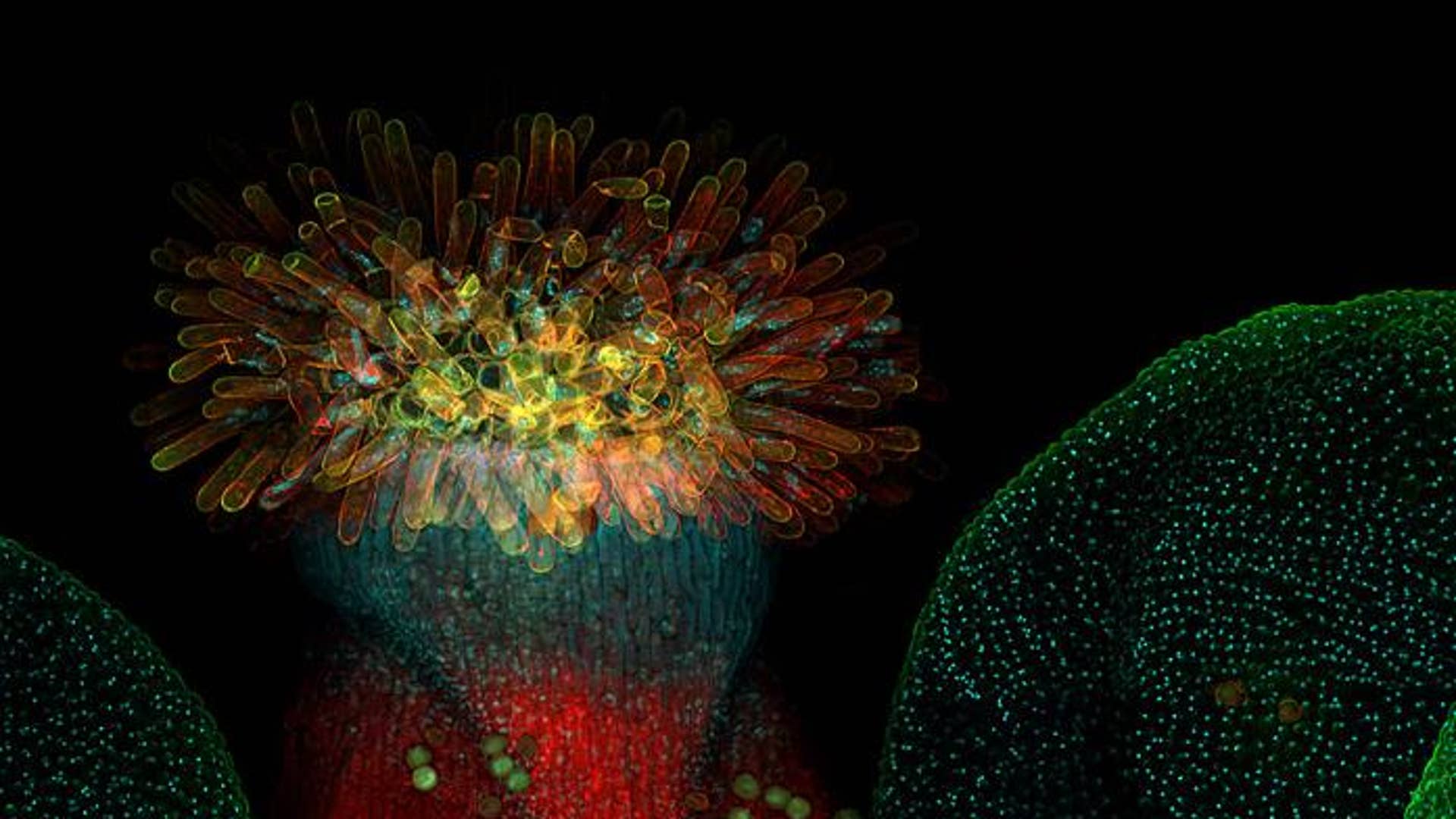
Flower of Arabidopsis thaliana (more commonly called the thale cress), a popular model organism in plant biology and genetics, magified 20x.![9. Atlantic Salmon Embryos]() Atlantic salmon embryos, captured at Bryant Pond in Maine.
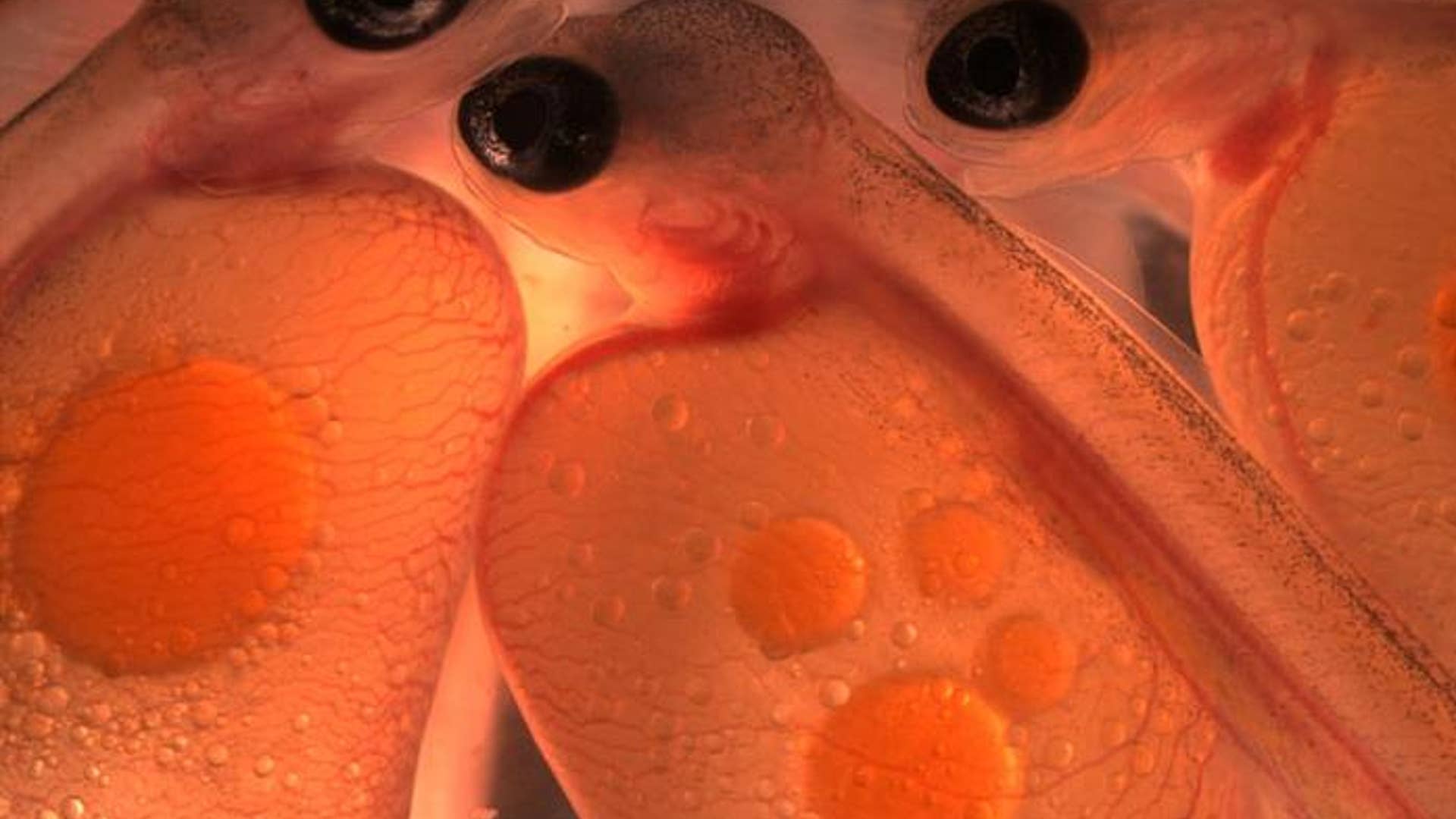
Atlantic salmon embryos, captured at Bryant Pond in Maine.![10. Lou Gehrig's Disease]() The stem cells used to generate these motor neurons were made from the skin cells of an 83-year-old patient suffering from Amyotrophic Lateral Sclerosis (ALS, also known as Lou Gehrig's Disease). Studying these neurons will help scientists better understand and combat the disease.
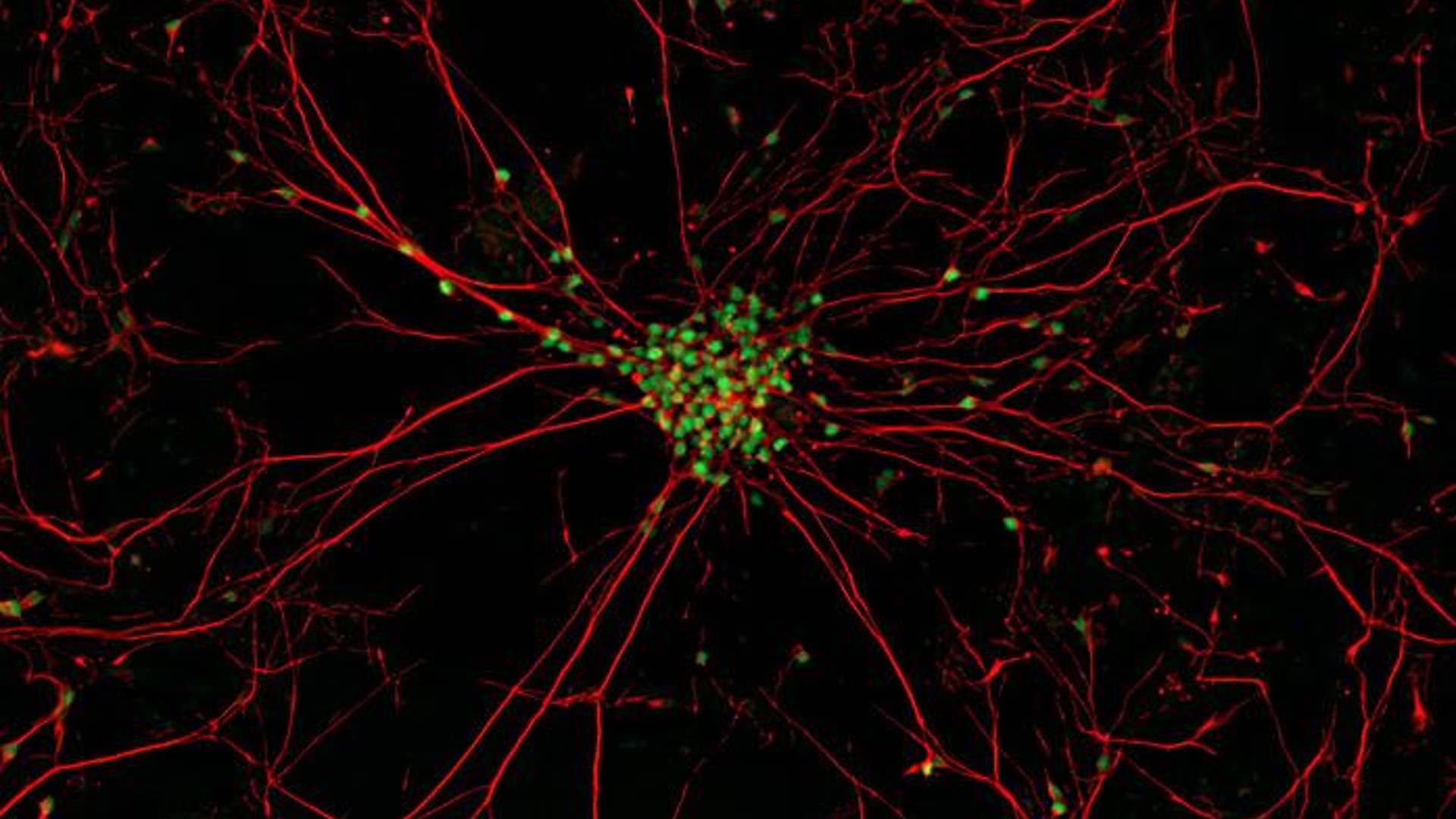
The stem cells used to generate these motor neurons were made from the skin cells of an 83-year-old patient suffering from Amyotrophic Lateral Sclerosis (ALS, also known as Lou Gehrig's Disease). Studying these neurons will help scientists better understand and combat the disease.![11. Red sponge coral fossil]() Fossil of red sponge coral, captured at 20x.
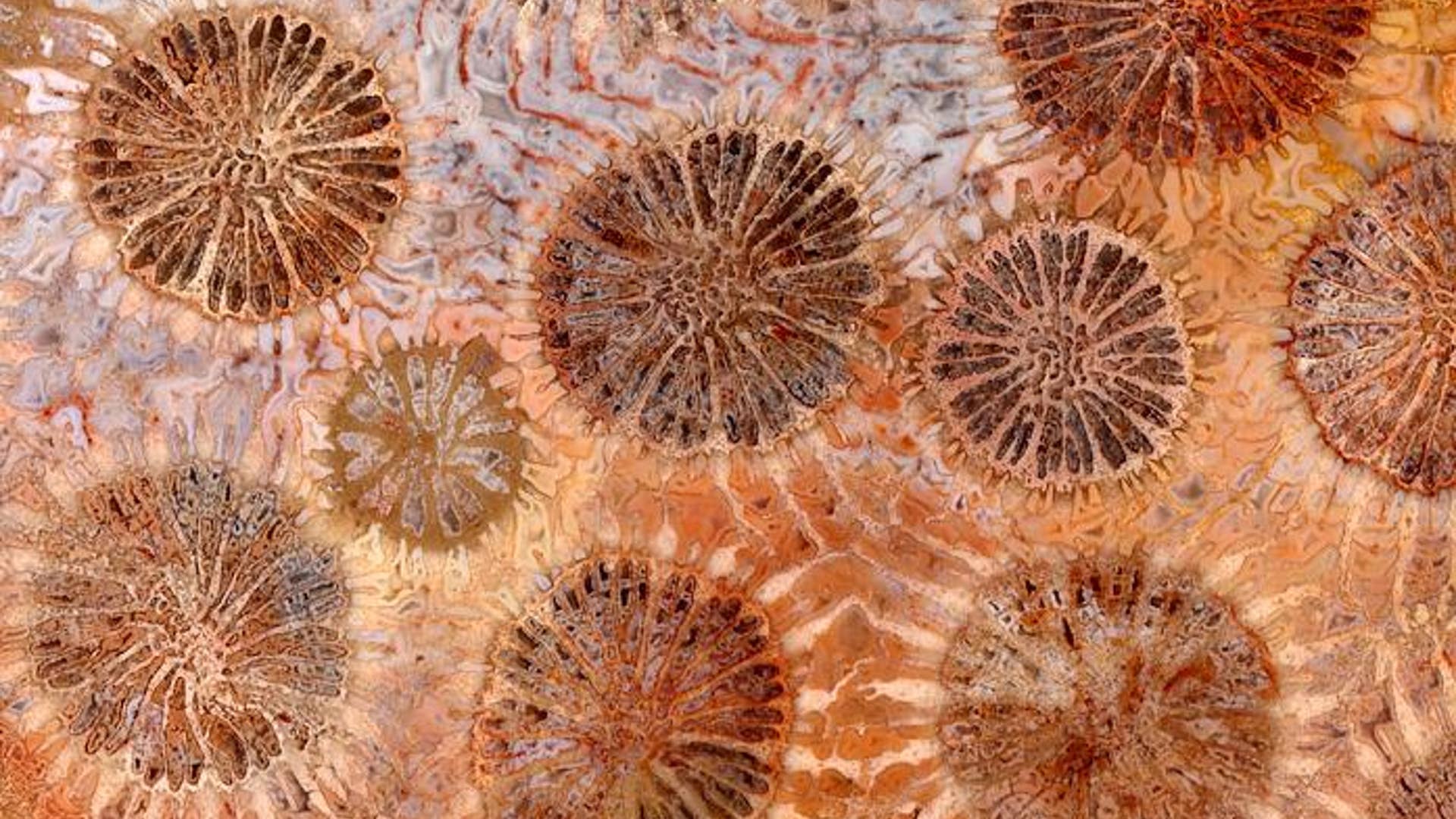
Fossil of red sponge coral, captured at 20x.![12. Petunia flower]() A cross section of a petunia flower's style. Fluorescent surface wax (green) and fluorescent chlorophyll in the chloroplasts (red) of these cells is an artifact of the photography technique.
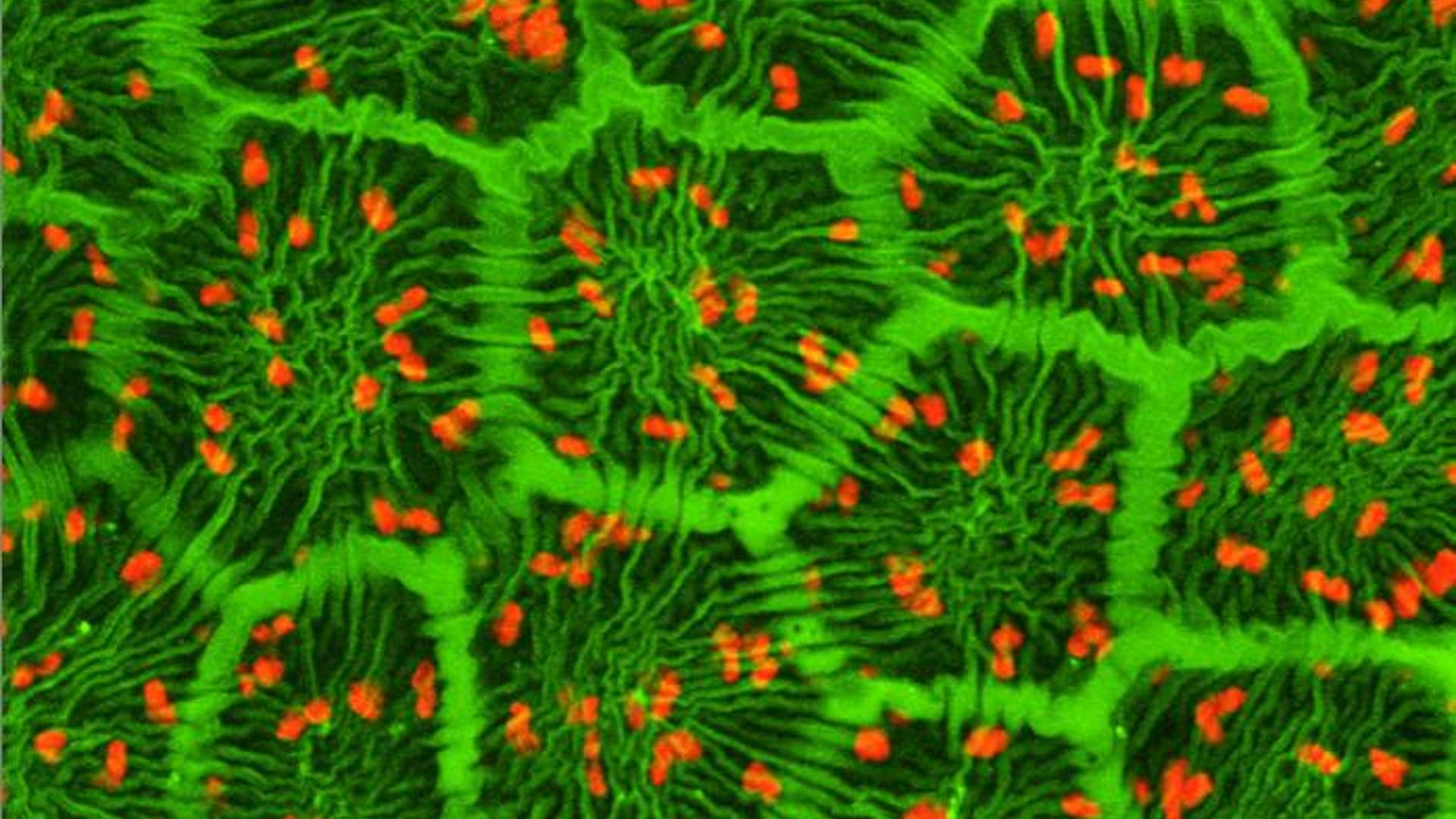
A cross section of a petunia flower's style. Fluorescent surface wax (green) and fluorescent chlorophyll in the chloroplasts (red) of these cells is an artifact of the photography technique.![13. Brine Shrimp]() The surface of a brine shrimp, as seen under through confocal microscopy.
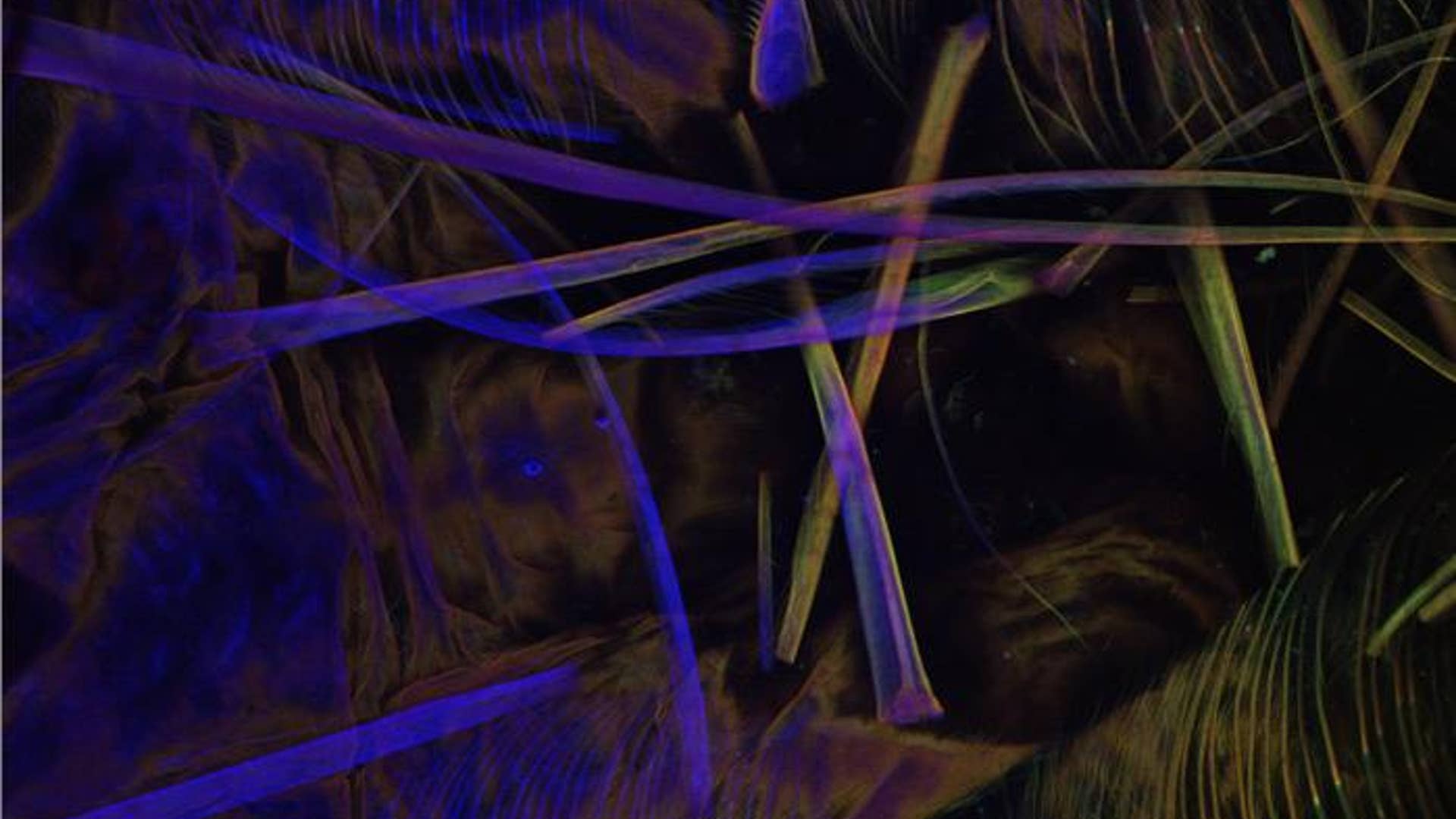
The surface of a brine shrimp, as seen under through confocal microscopy.![14. Zooplankton]() Bosmia sp., a form of zooplankton—tiny creatures that drift through the world's oceans.
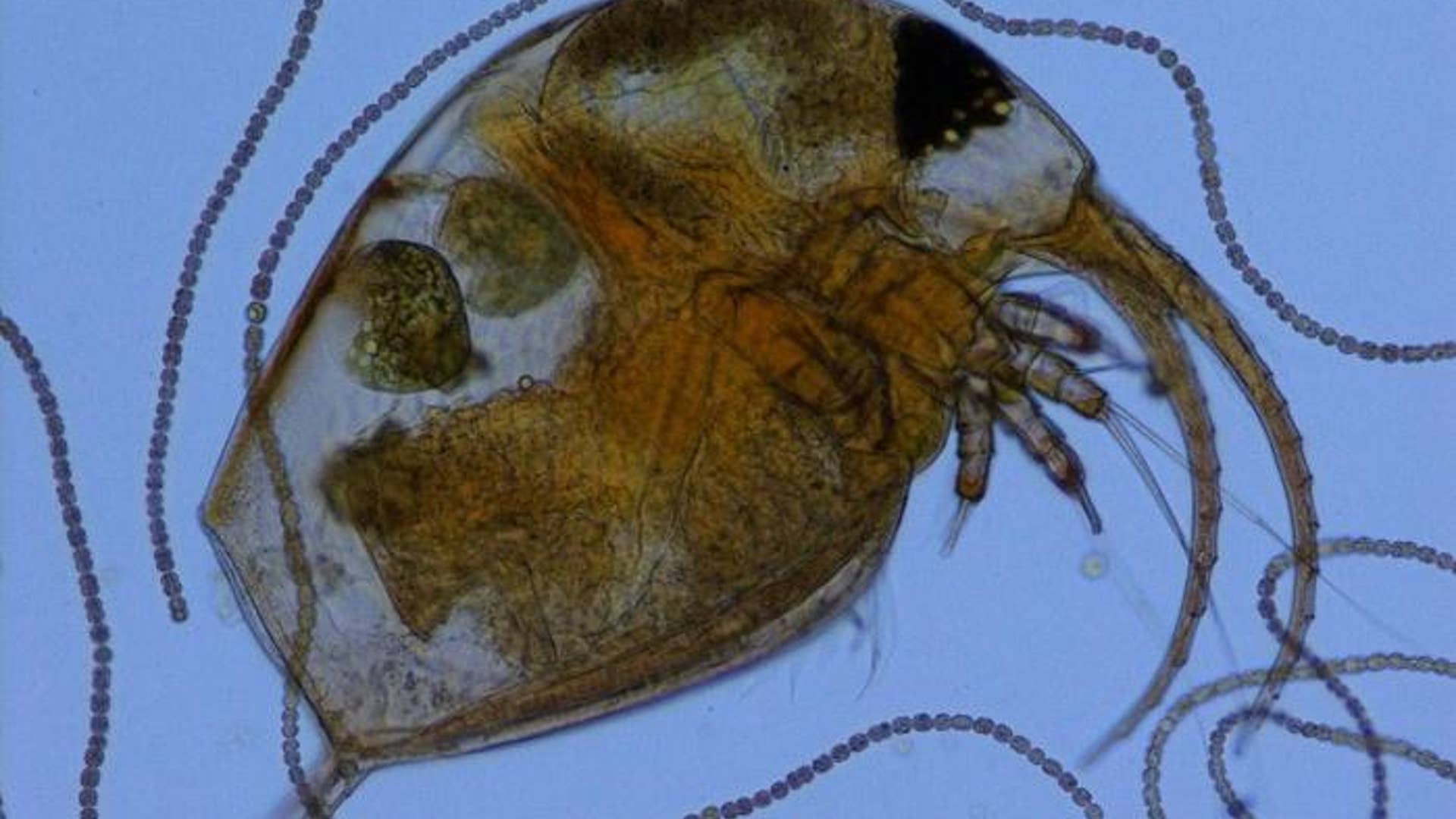
Bosmia sp., a form of zooplankton—tiny creatures that drift through the world's oceans.![15. Amoeba and Yeast Cell]() A still image from a video of an amoeba trying to engulf a very resistant yeast cell.
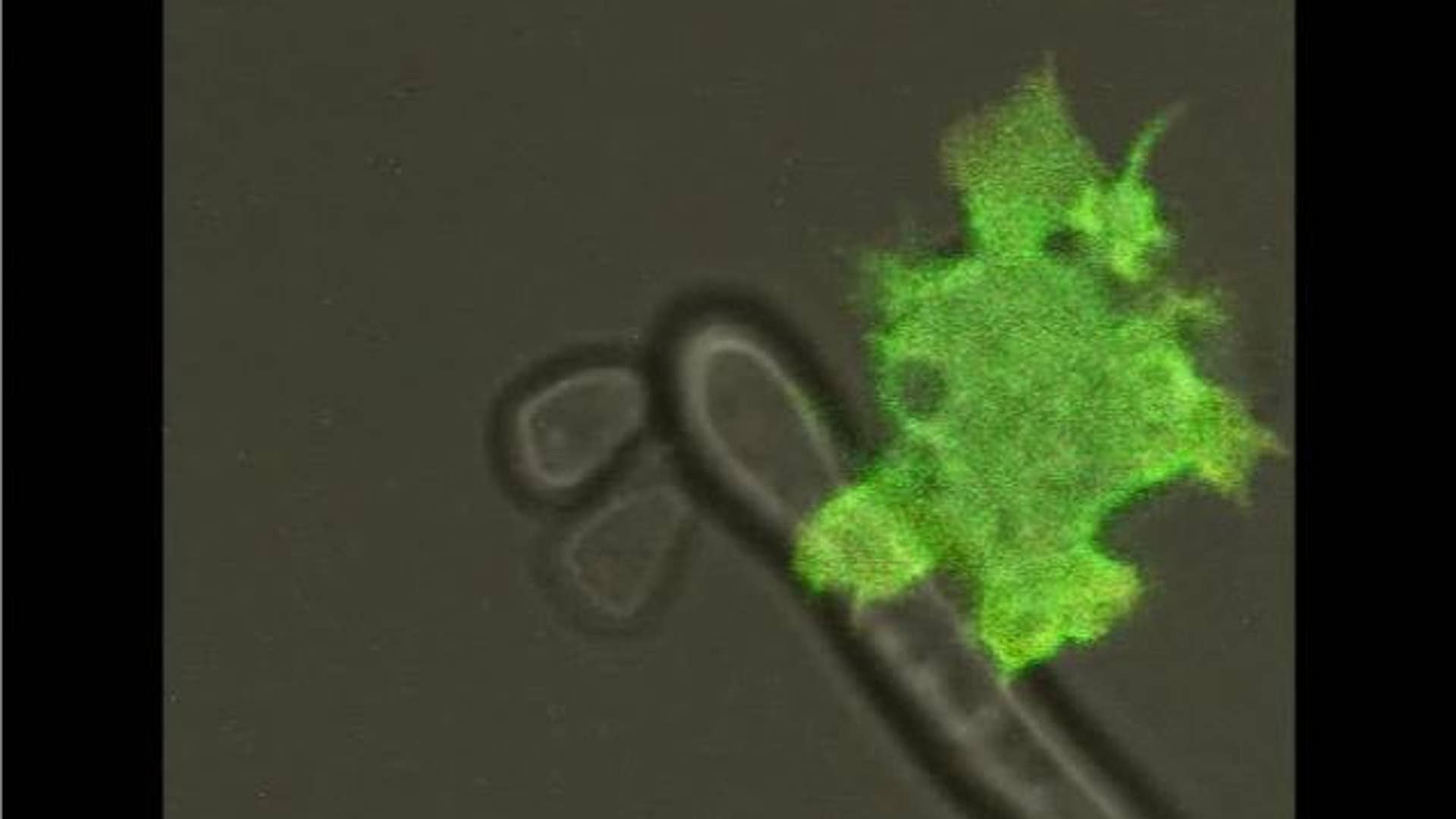
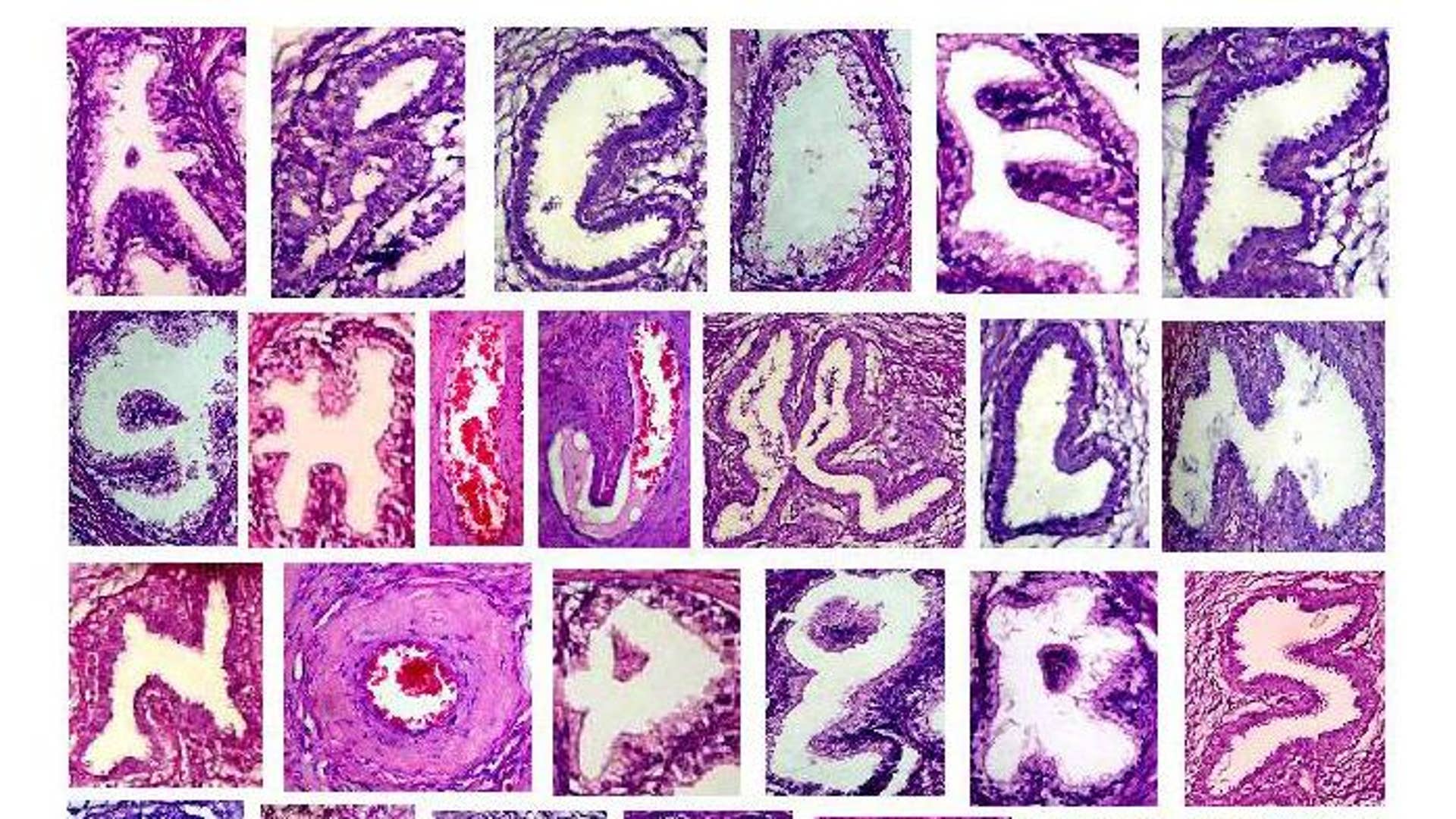
A still image from a video of an amoeba trying to engulf a very resistant yeast cell.![16. Glandular structures]() Spelling out the diagnosis: Glandular structures from fibroadenoma and nodular prostatic hyperplasia cases.
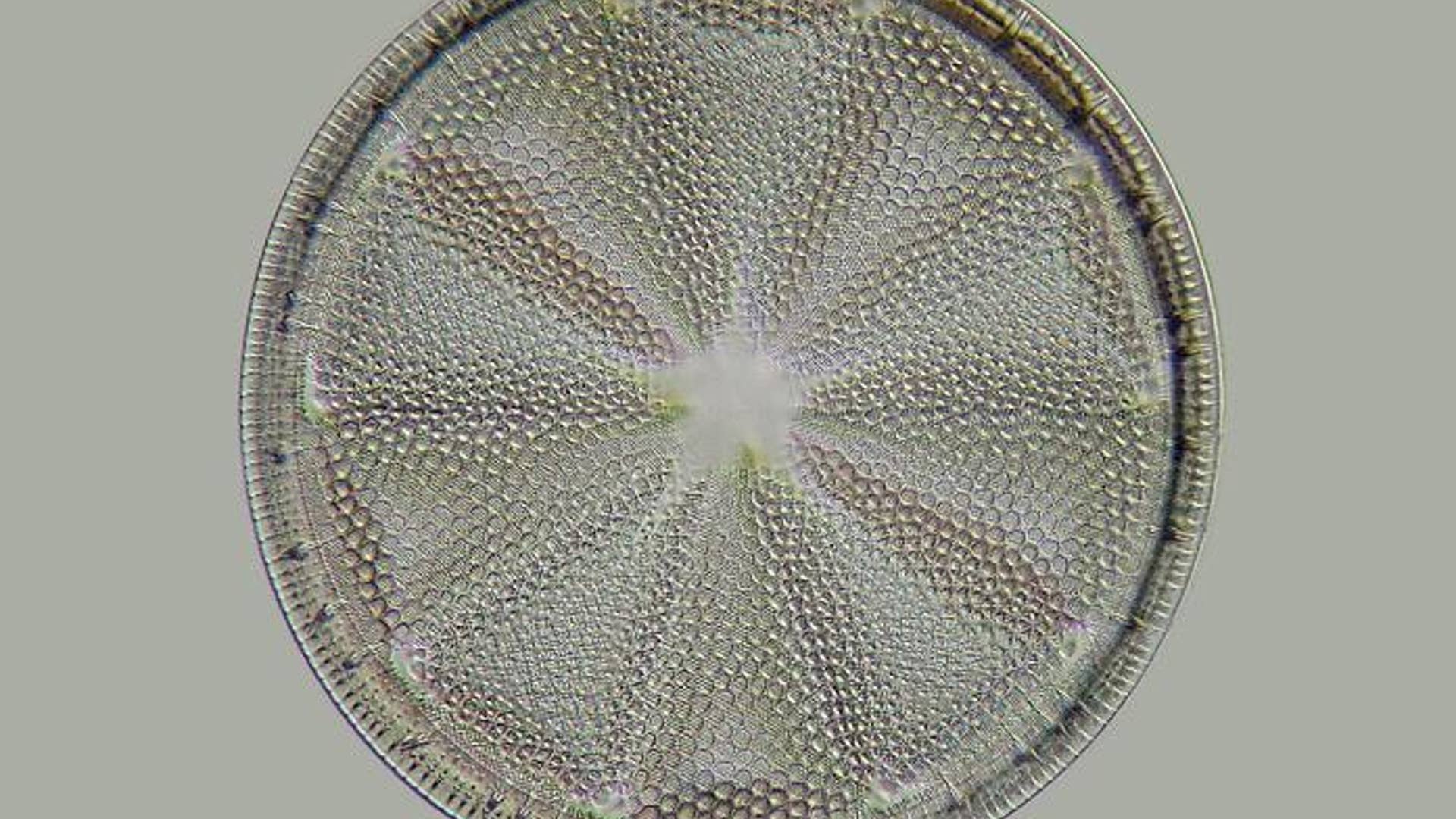
Spelling out the diagnosis: Glandular structures from fibroadenoma and nodular prostatic hyperplasia cases.![17. Red Sponge Coral Fossil]() Fossil of red sponge coral, or Actinoptychus heliopelta, captured at 20x.
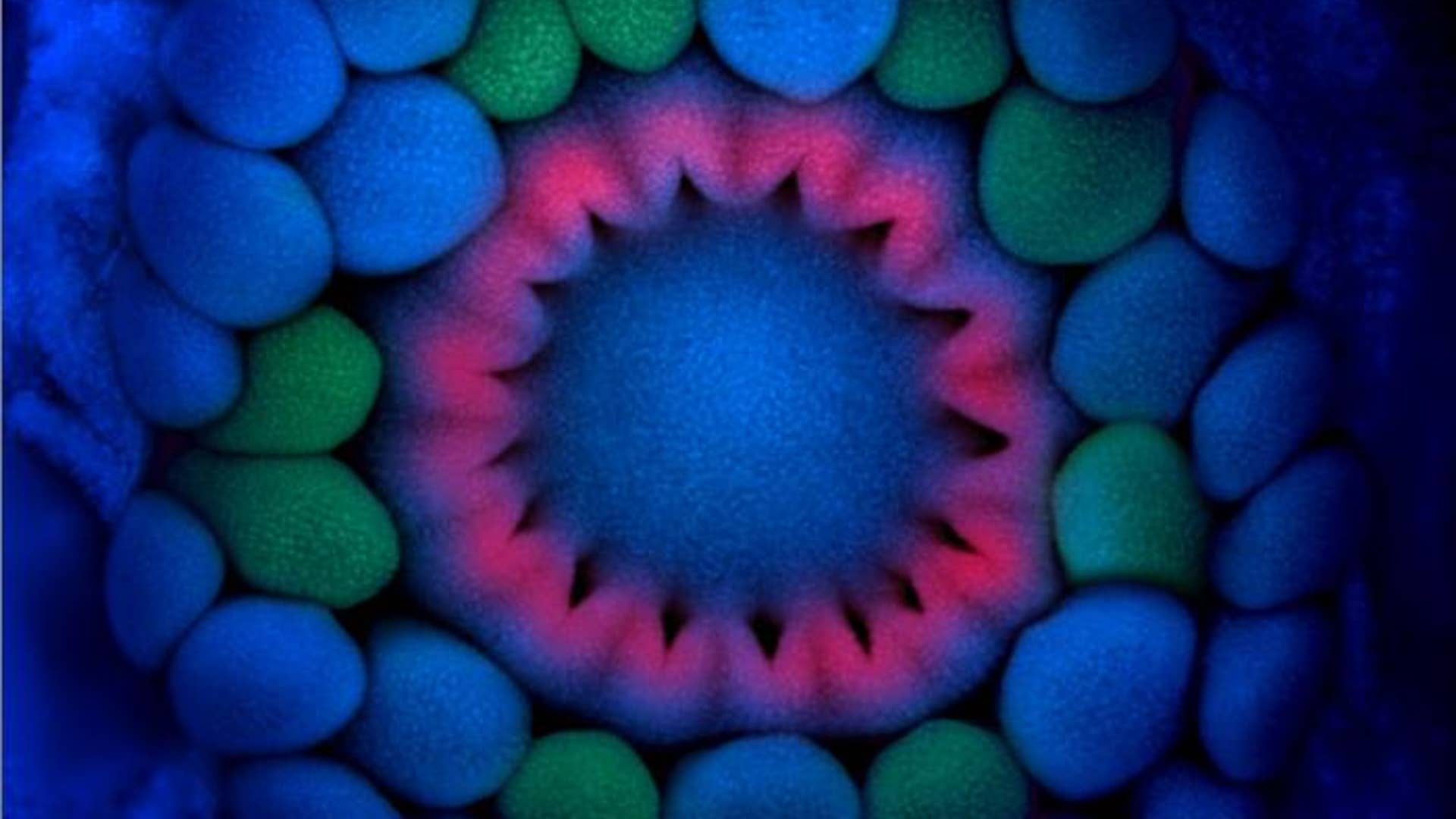
Fossil of red sponge coral, or Actinoptychus heliopelta, captured at 20x.![18. Citrus Flower]() A citrus flower primordium—the bud of the flower.
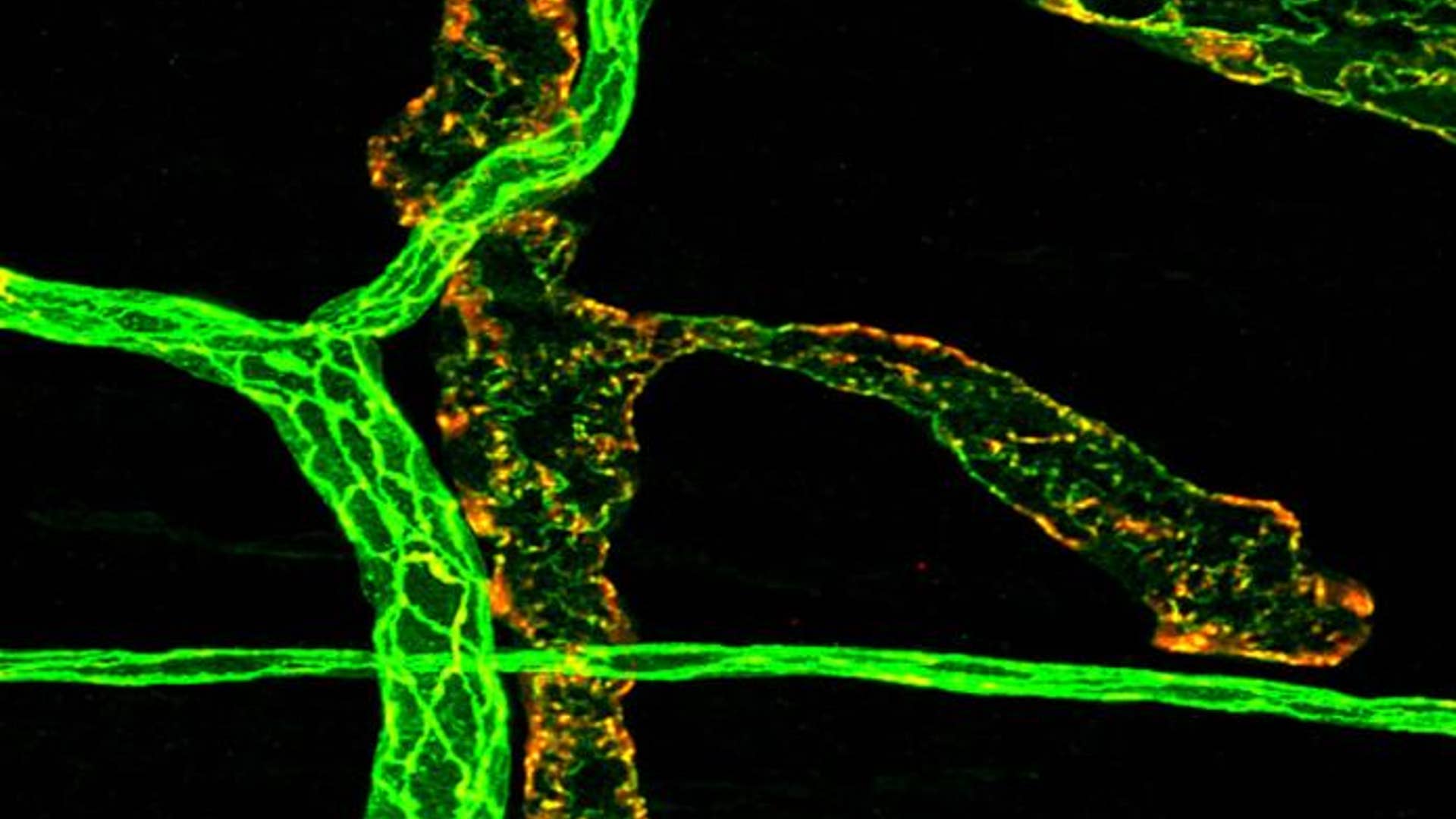
A citrus flower primordium—the bud of the flower.![19. Inside a Mouse Colon]() Blood and lymphatic vasculature inside of a mouse colon.
Blood and lymphatic vasculature inside of a mouse colon.![20 Leaf Pores]() Flower of Arabidopsis thaliana (thale cress), a popular model organism in plant biology and genetics.
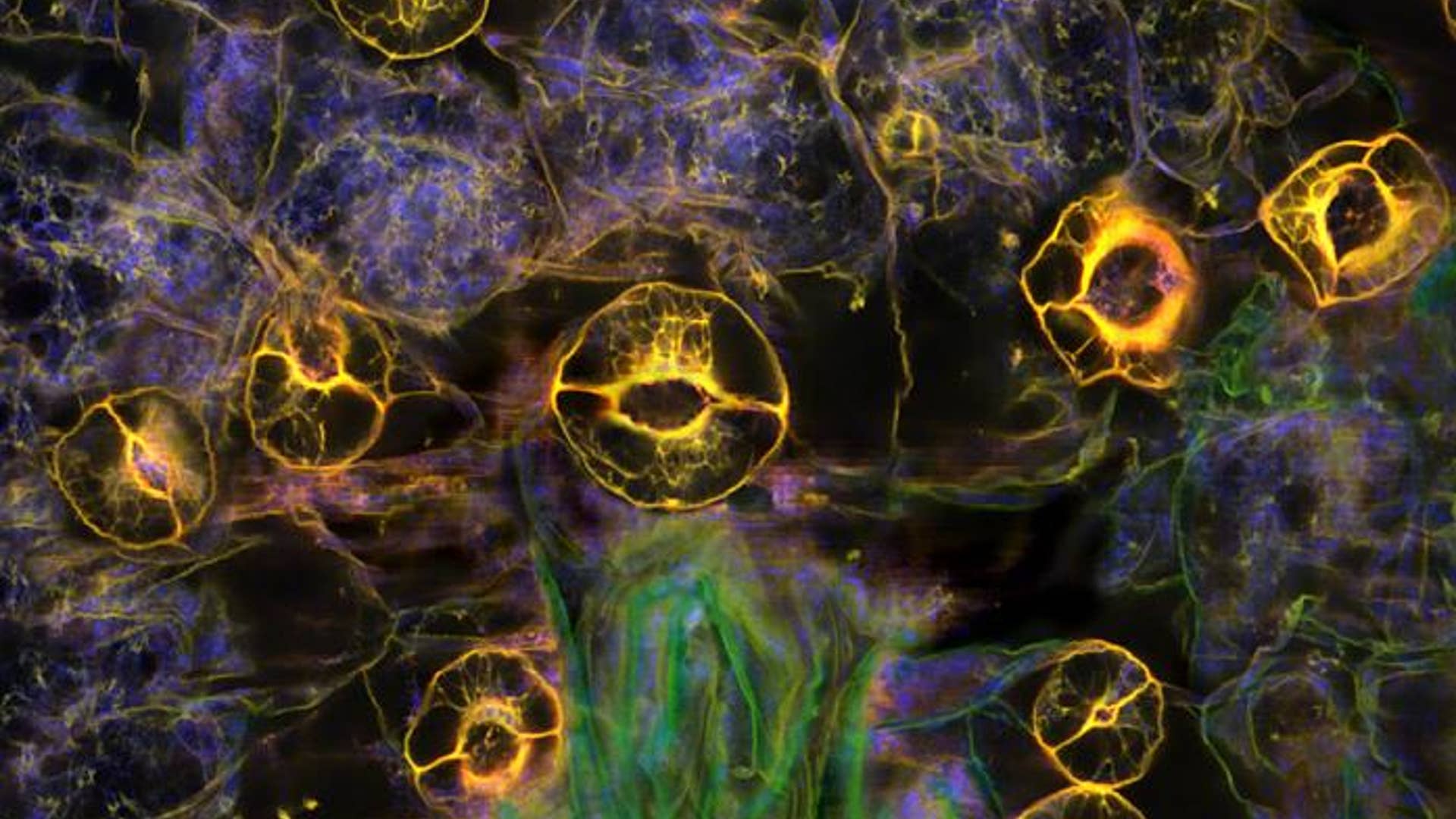
Flower of Arabidopsis thaliana (thale cress), a popular model organism in plant biology and genetics.The 2009 BioScapes Photography Contest
The best microscopic photography of the year, fascinating glimpses of the unseen universe.
Move Forward
- The 2009 BioScapes Photography Contest


