Move Back
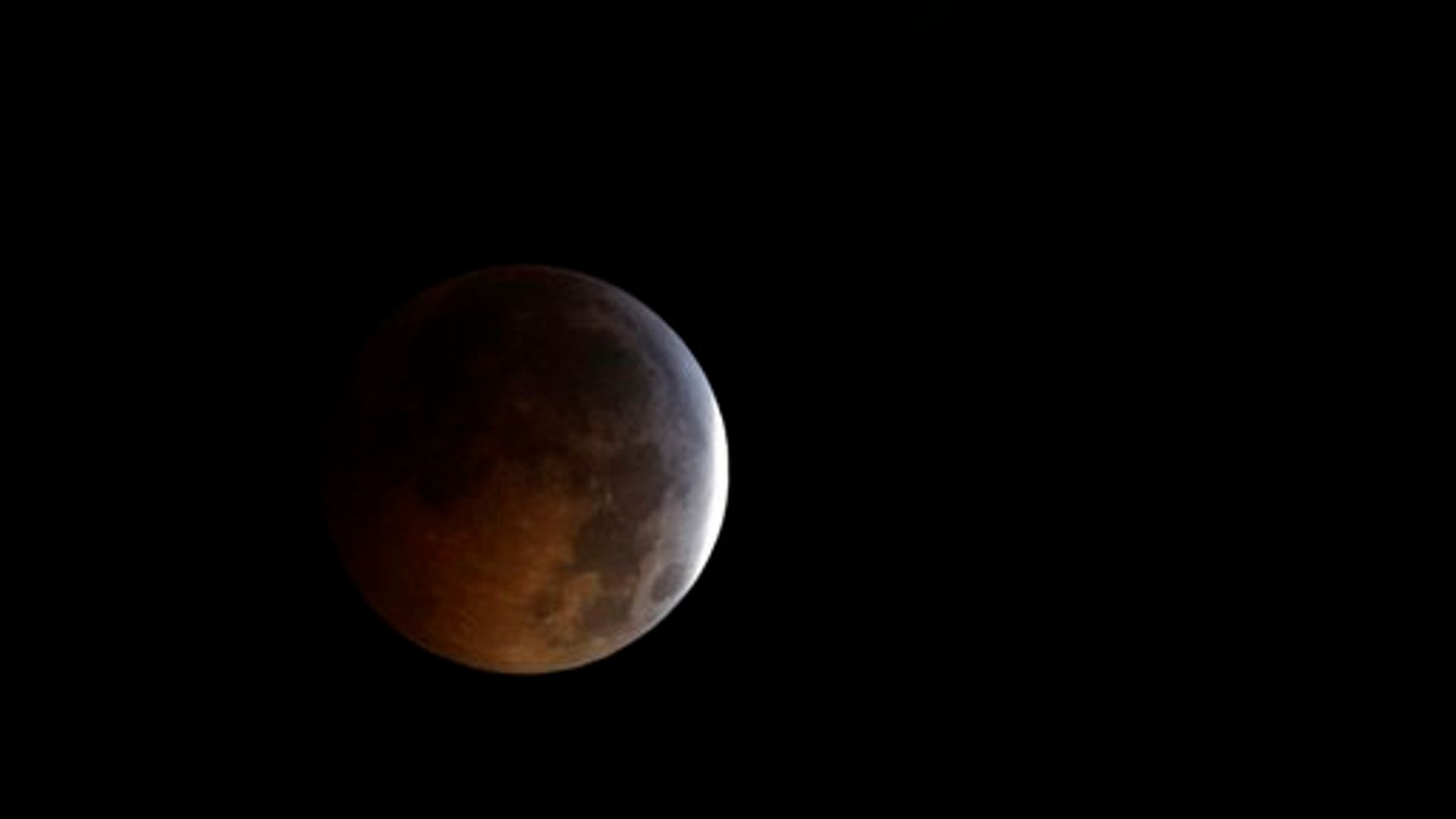
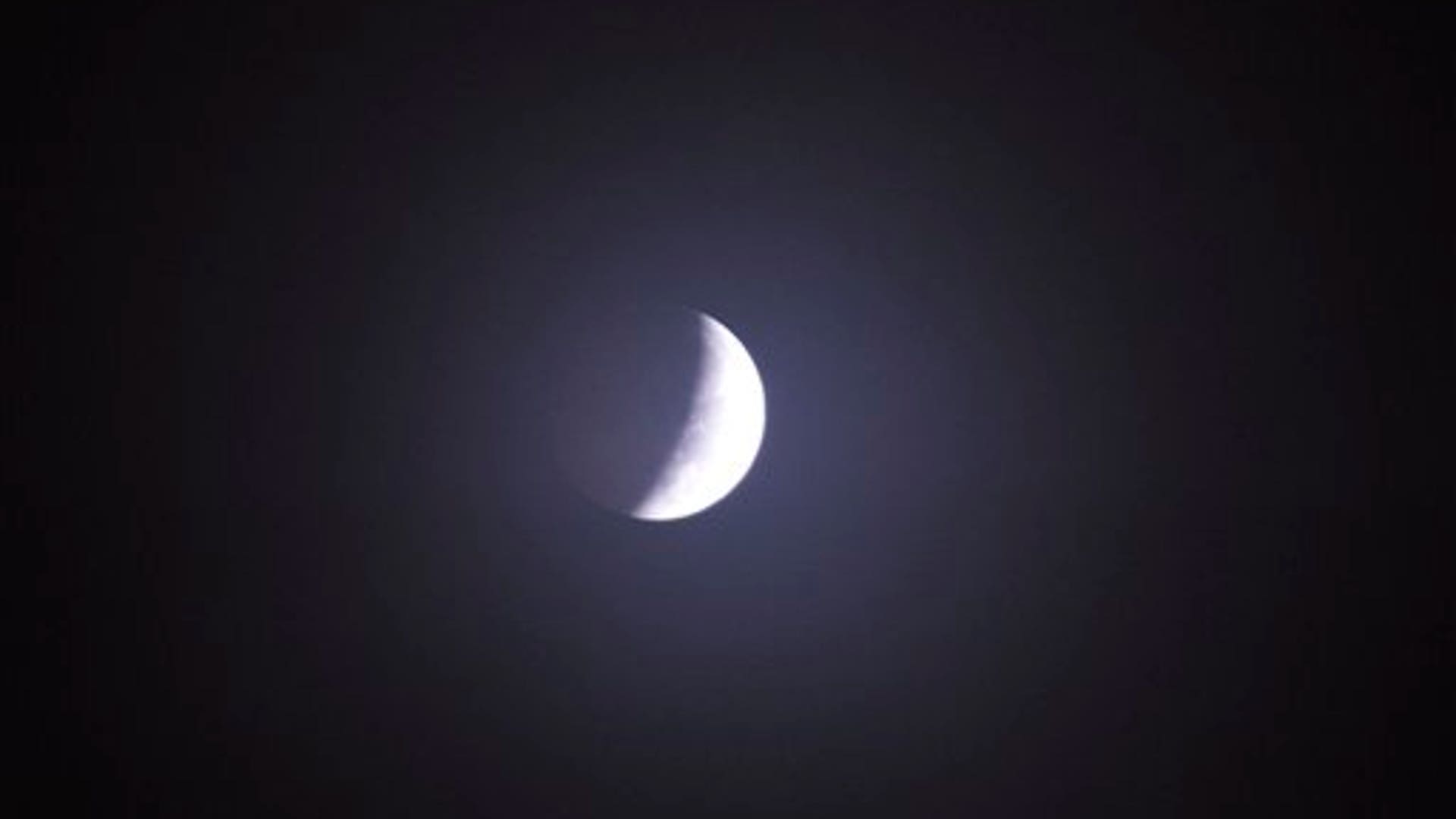
![Partial Eclipse New York]() The moon is seen just before it is totally eclipsed from New York, Tuesday, Dec. 21, 2010. Some indirect sunlight still pierces through to give the moon its eerie hue.
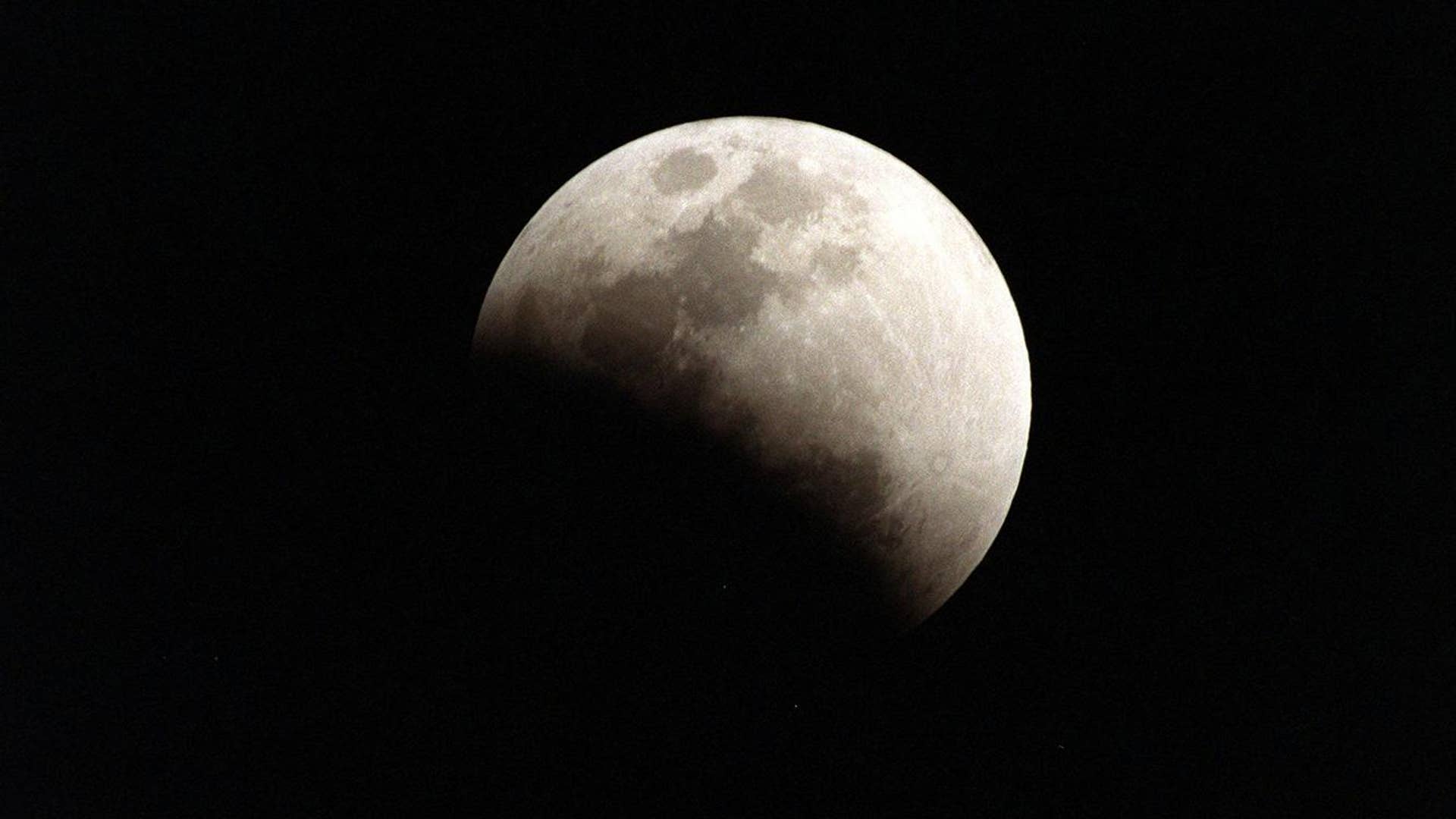
The moon is seen just before it is totally eclipsed from New York, Tuesday, Dec. 21, 2010. Some indirect sunlight still pierces through to give the moon its eerie hue.![Lunar_Eclipse_from_Merritt_Island__Fl]() Traveling west to east, the full moon, viewed from Merritt Island, Fla., at 10:35 p.m. EST, moves into the Earth's shadow during a lunar eclipse. Eclipses occur when the Sun, Earth and Moon line up.
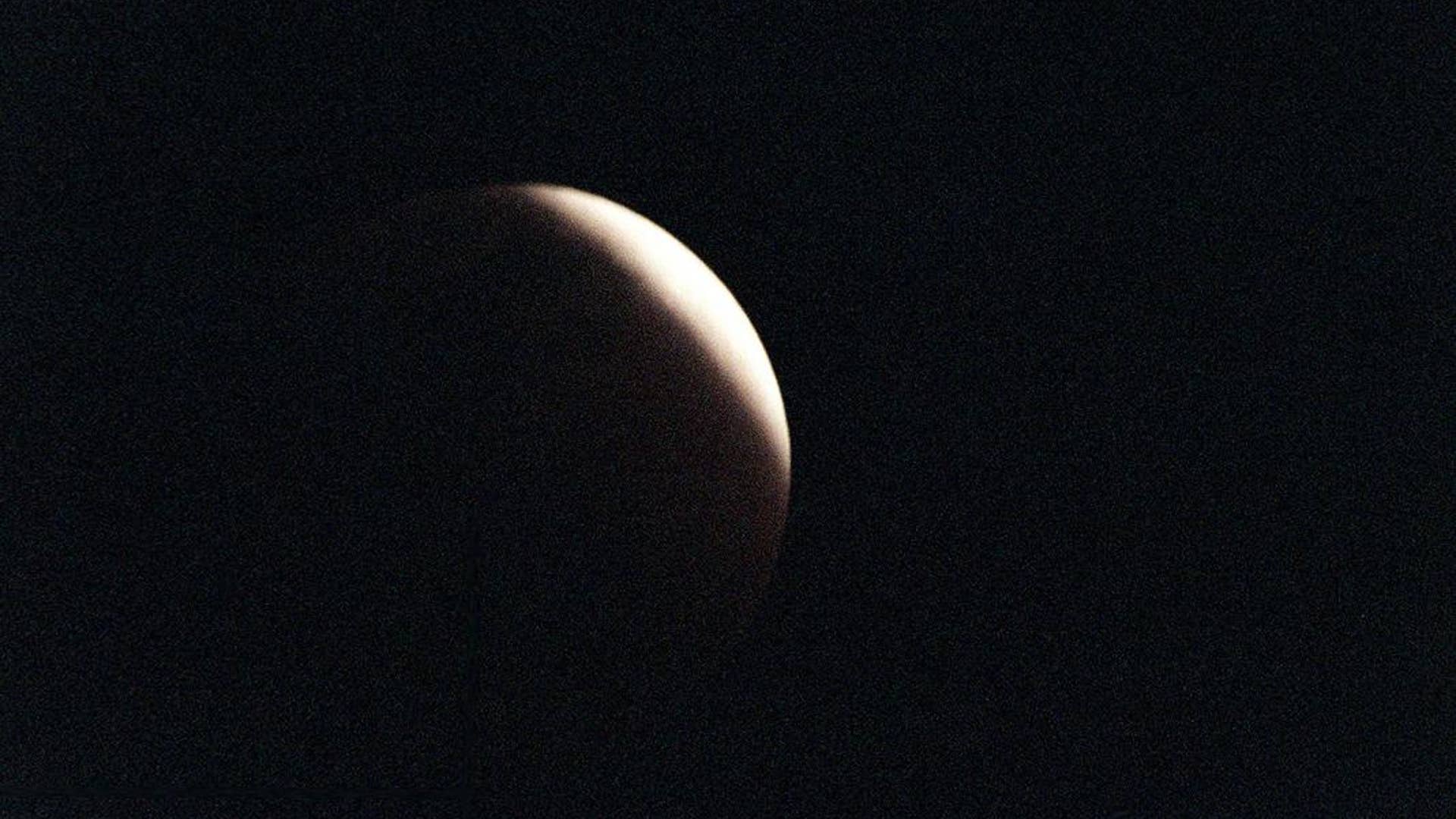
Traveling west to east, the full moon, viewed from Merritt Island, Fla., at 10:35 p.m. EST, moves into the Earth's shadow during a lunar eclipse. Eclipses occur when the Sun, Earth and Moon line up.![Lunar_Eclipse_from_Merritt_Island__Fl___nearly_full]() At 11:25 p.m. EST, the full moon is nearly completely in the Earth's shadow, producing a lunar eclipse. Eclipses occur when the Sun, Earth and Moon line up. They are rare because the Moon usually passes above or below the imaginary line connecting Earth and the Sun. The Earth casts a shadow that the Moon can pass through -- when it does, it is called a lunar eclipse.
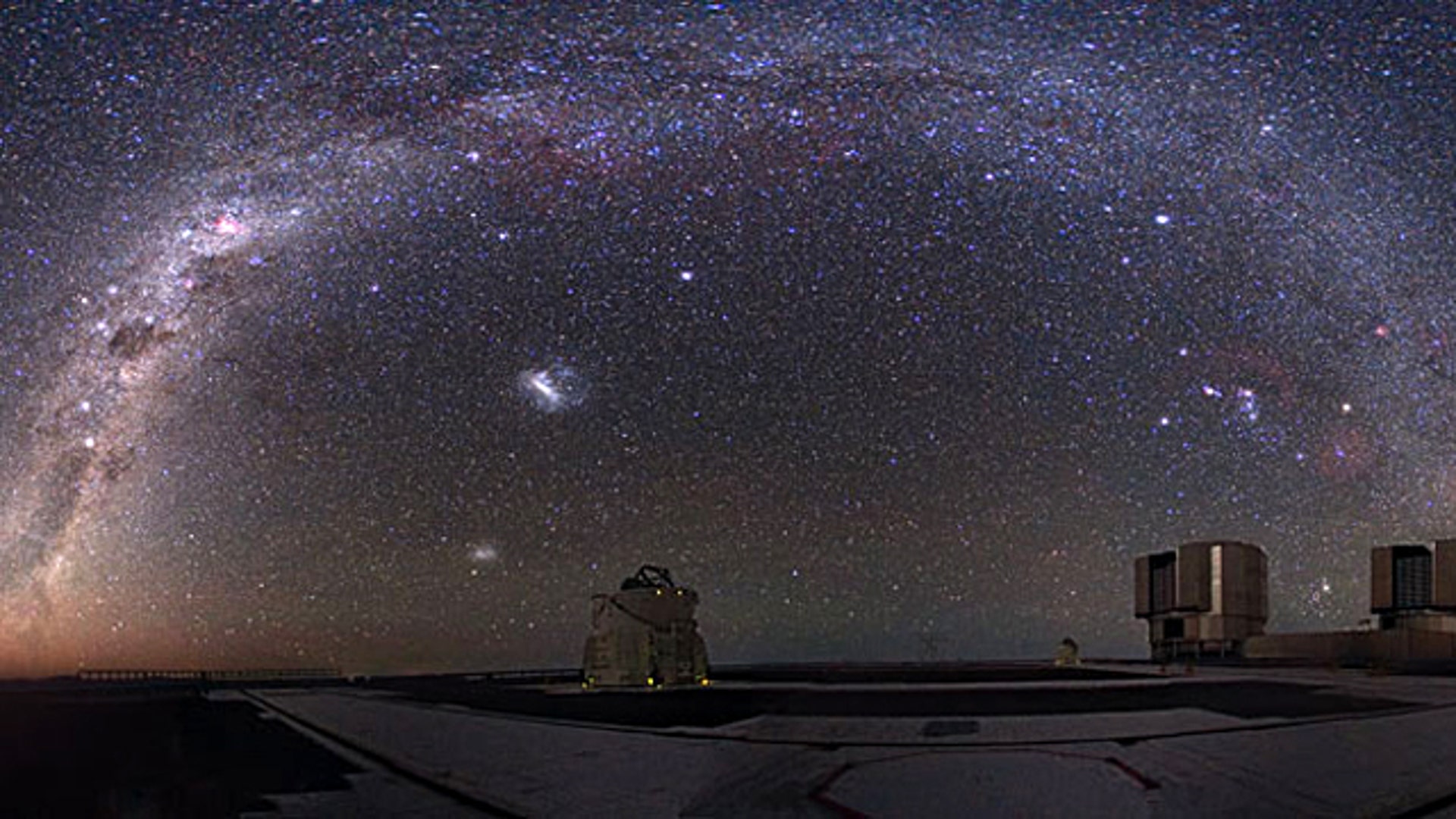
At 11:25 p.m. EST, the full moon is nearly completely in the Earth's shadow, producing a lunar eclipse. Eclipses occur when the Sun, Earth and Moon line up. They are rare because the Moon usually passes above or below the imaginary line connecting Earth and the Sun. The Earth casts a shadow that the Moon can pass through -- when it does, it is called a lunar eclipse.![lunar_eclipse_ESO]() A total eclipse of the Moon is an impressive spectacle. But it also provides another viewing opportunity: a dark, moonlight-free starry sky. At Cerro Paranal in the Chilean Atacama Desert, one of the most remote places in the world, the distance from sources of light pollution makes the night sky all the more remarkable during a total lunar eclipse.
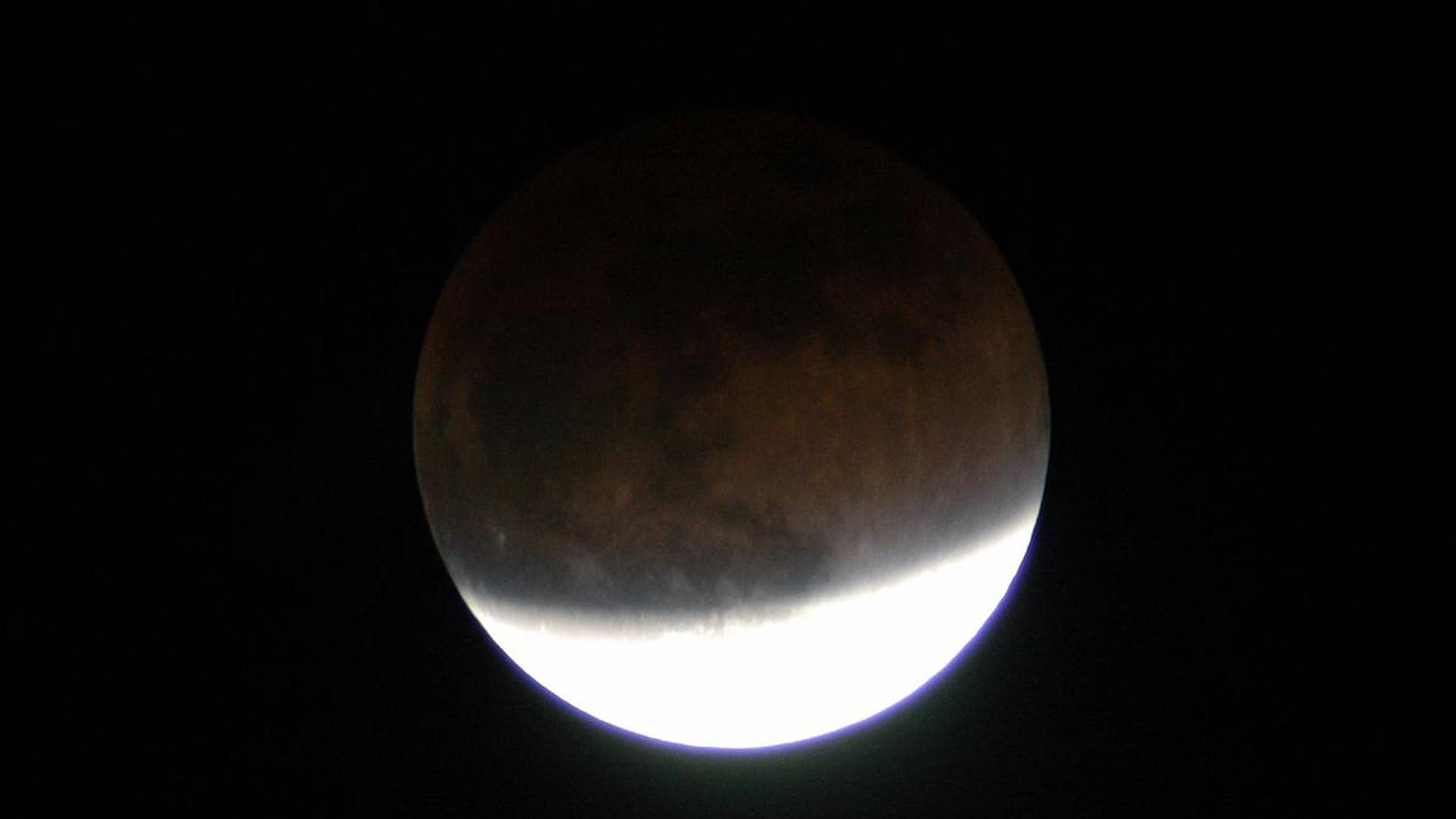
A total eclipse of the Moon is an impressive spectacle. But it also provides another viewing opportunity: a dark, moonlight-free starry sky. At Cerro Paranal in the Chilean Atacama Desert, one of the most remote places in the world, the distance from sources of light pollution makes the night sky all the more remarkable during a total lunar eclipse.![lunar_eclipse_lower_half_lit]() In this lunar eclipse, the full moon changes color because it is being slightly lit by sunlight passing through the Earth's atmosphere.
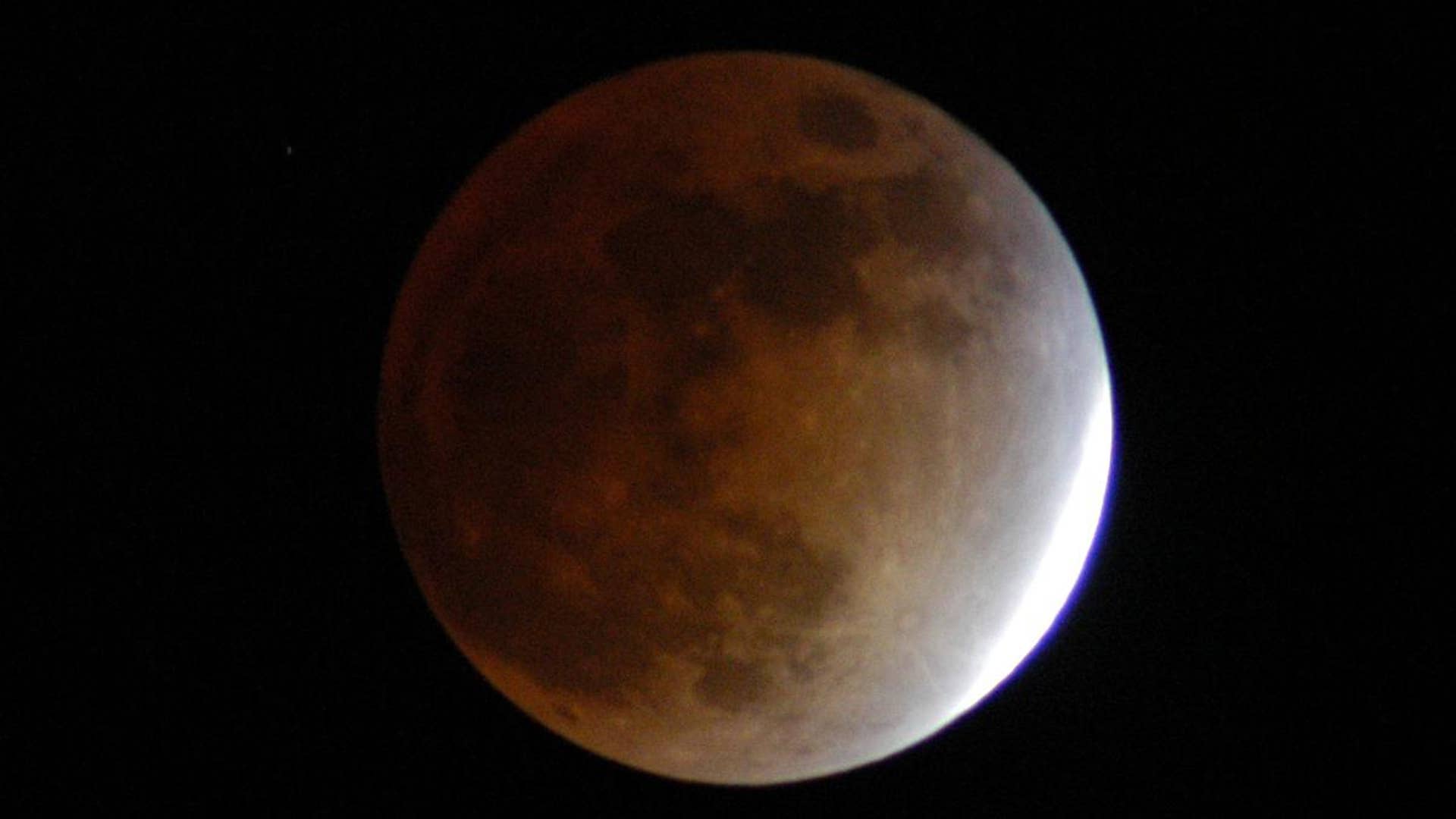
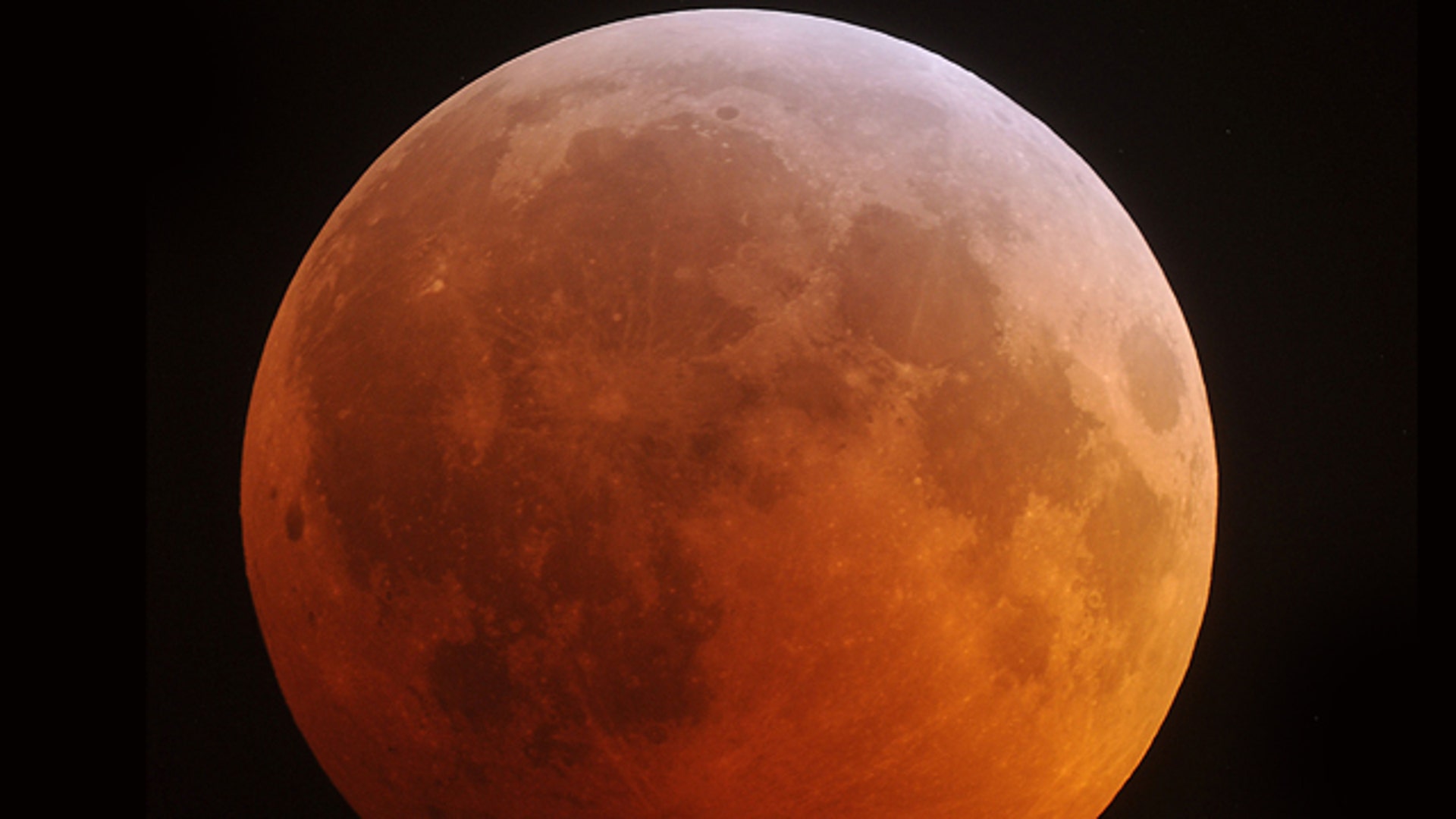
In this lunar eclipse, the full moon changes color because it is being slightly lit by sunlight passing through the Earth's atmosphere.![Red_lunar_eclipse_2]() Here the full moon takes on a dark red color thanks to sunlight passing through the Earth's atmosphere. This light has the blue component preferentially scattered out (this is also why the sky appears blue from the surface of the Earth), leaving faint reddish light to illuminate the Moon.
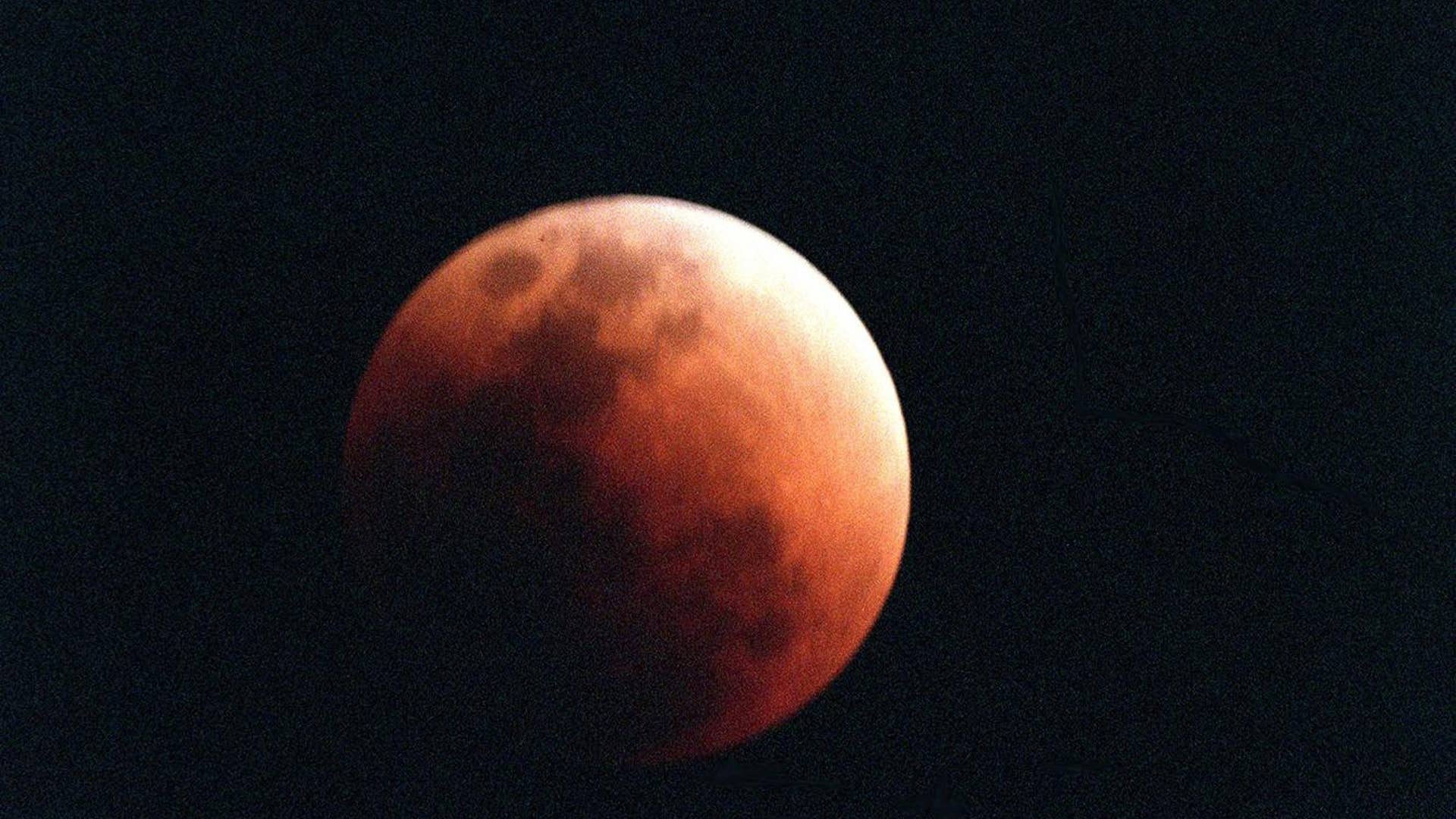
Here the full moon takes on a dark red color thanks to sunlight passing through the Earth's atmosphere. This light has the blue component preferentially scattered out (this is also why the sky appears blue from the surface of the Earth), leaving faint reddish light to illuminate the Moon.![Red_lunar_eclipse]() The full moon takes on a dark red color, after the blue component of light is scattered out, leaving just reddish light for illumination during the eclipse.
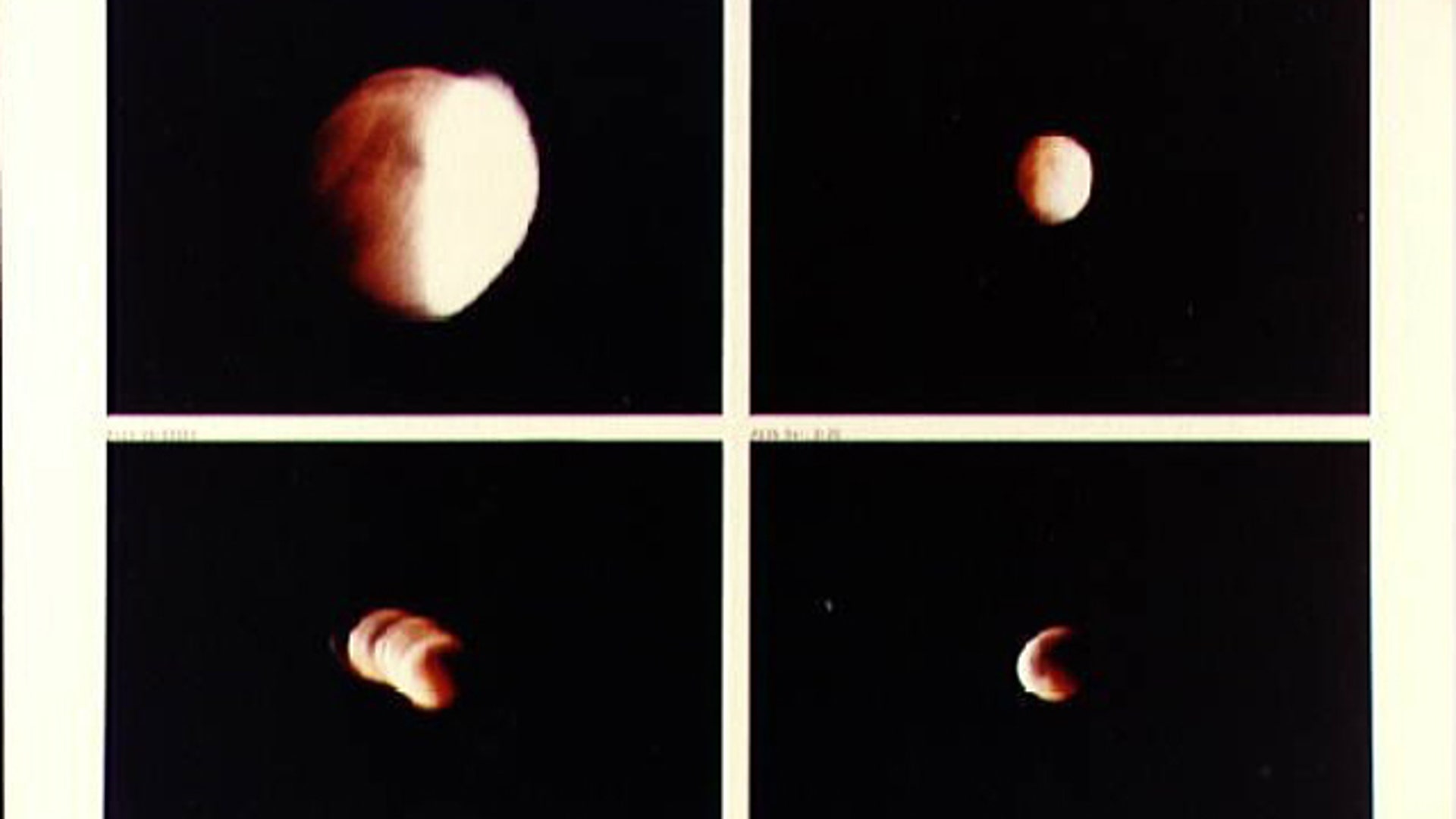
The full moon takes on a dark red color, after the blue component of light is scattered out, leaving just reddish light for illumination during the eclipse.![Apollo_15_spies_a_lunar_eclipse]() While the Apollo 15 spacecraft was returning from the moon, commander David R. Scott, using an electric Hasselblad camera, recorded an eclipse in a series of color photographs.
While the Apollo 15 spacecraft was returning from the moon, commander David R. Scott, using an electric Hasselblad camera, recorded an eclipse in a series of color photographs.![Moon Eclipse]() The eclipsed moon glows in the predawn sky in this view from Stedman, N.C.
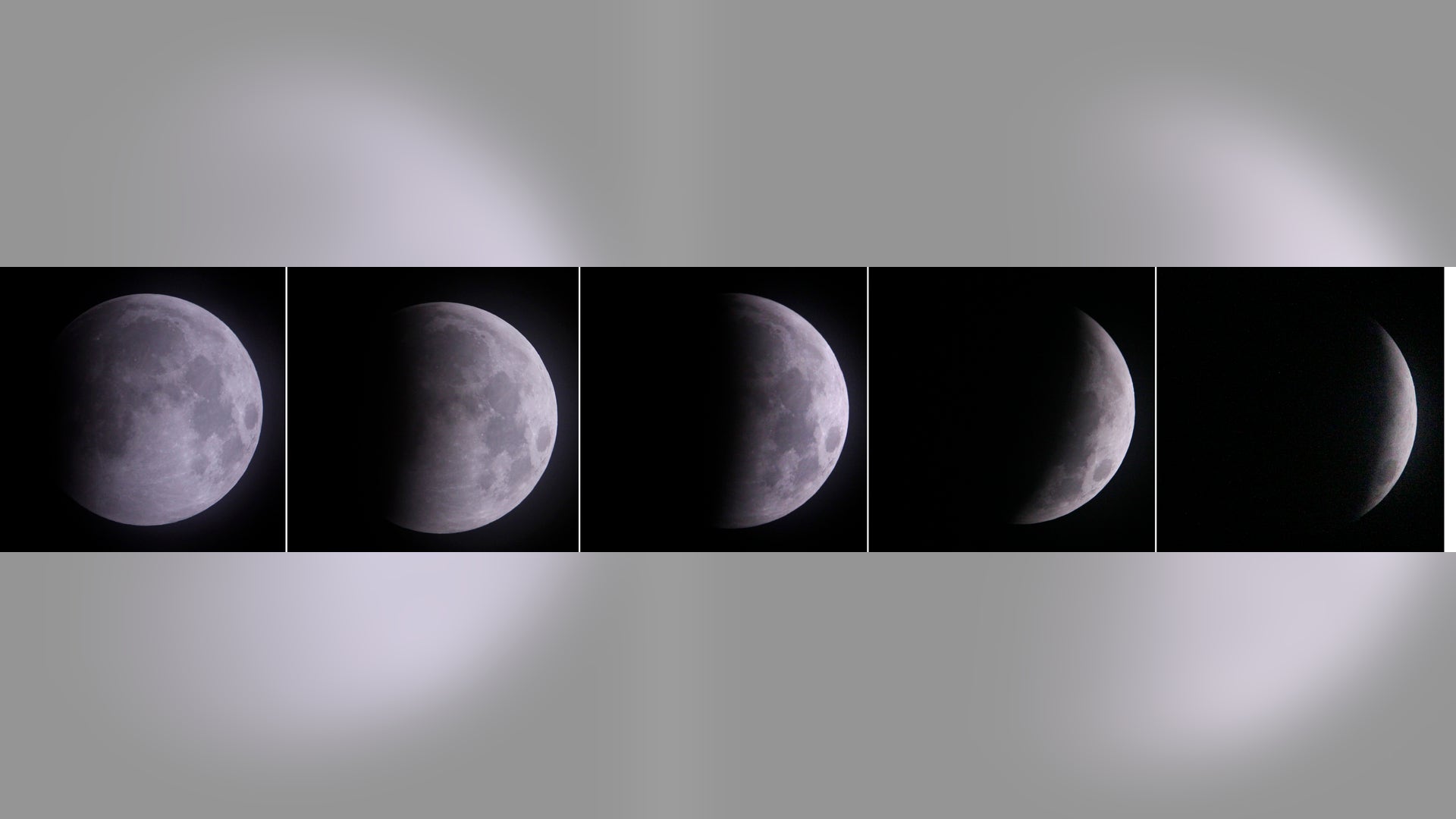
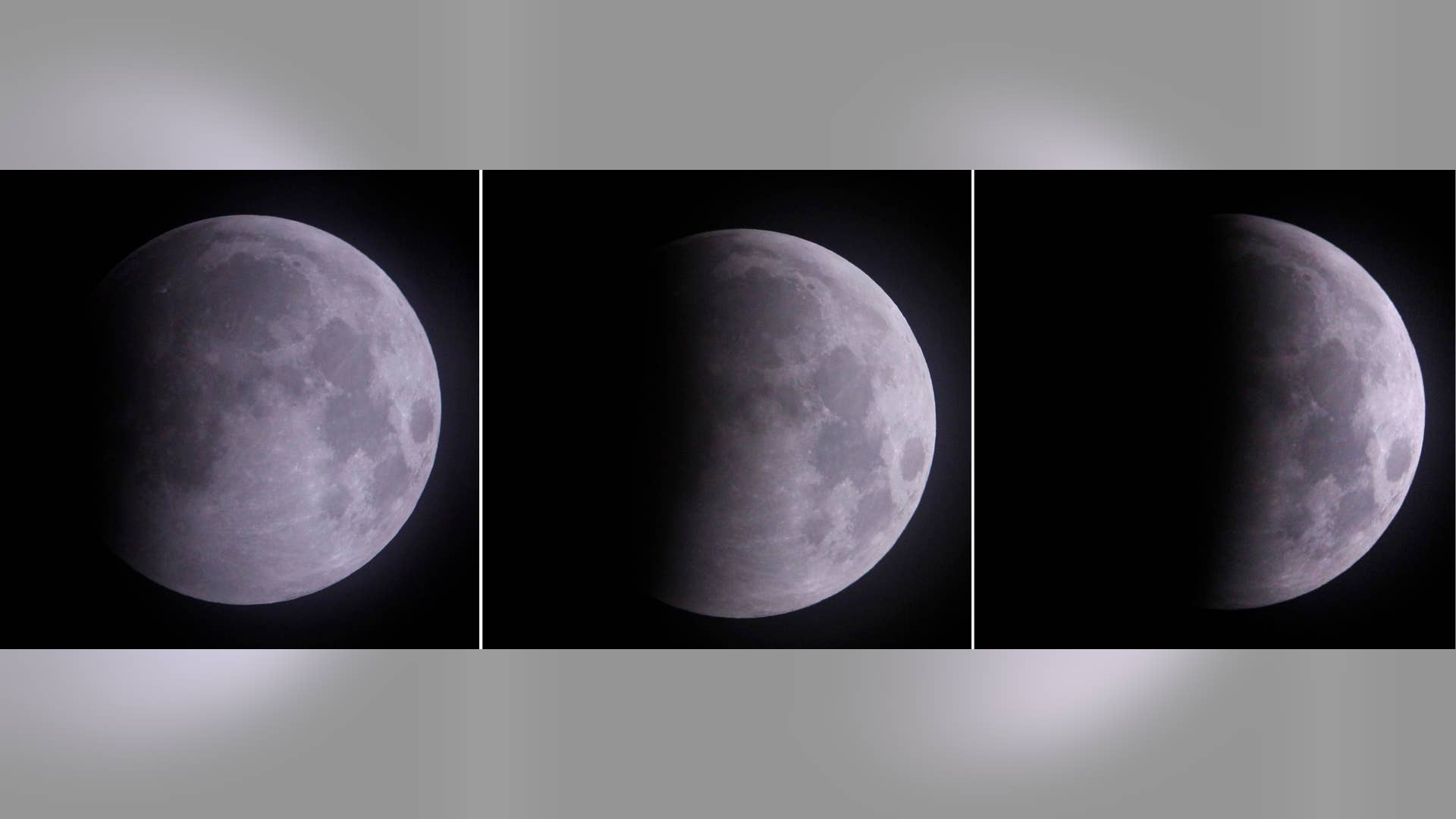
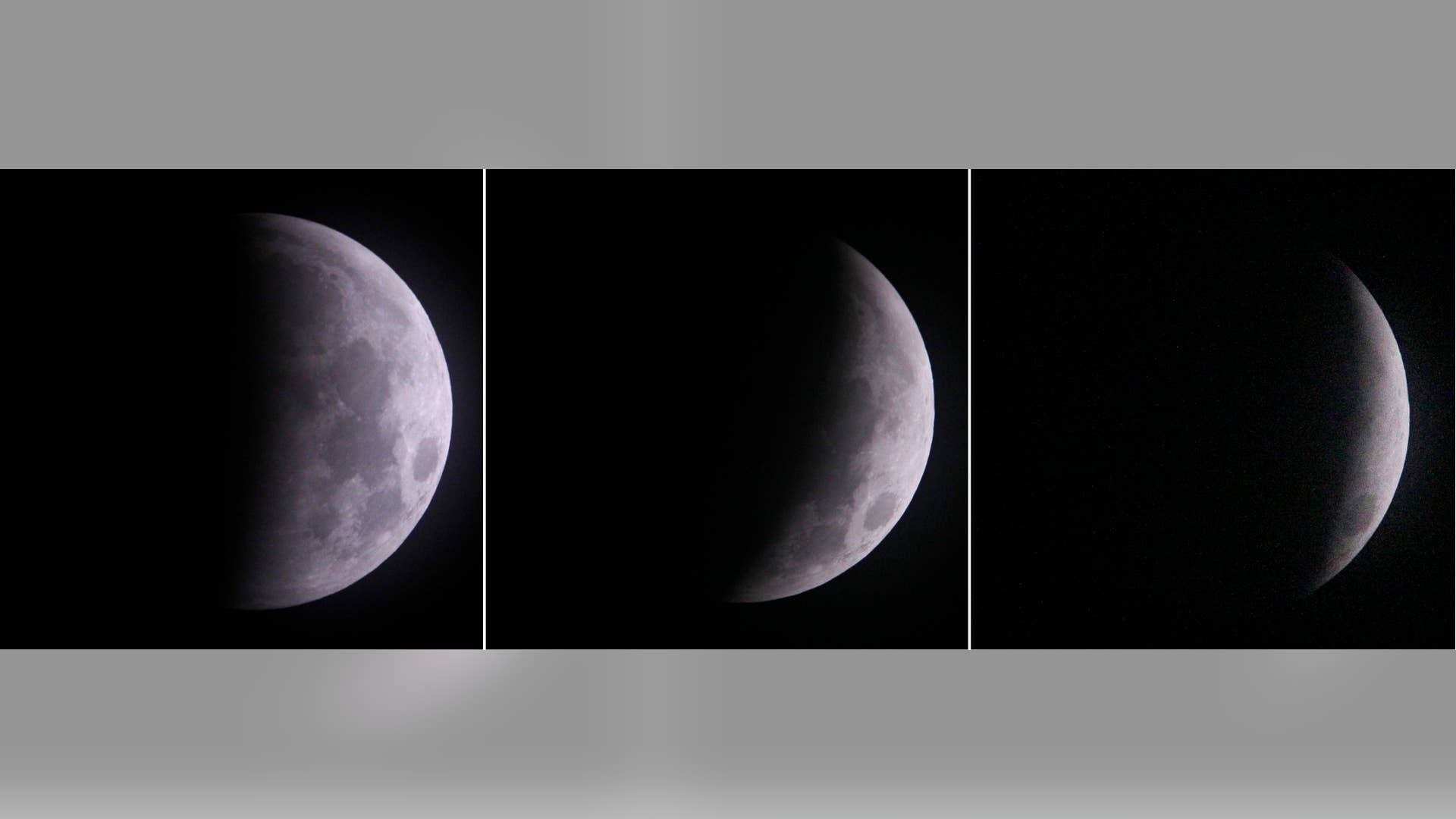
The eclipsed moon glows in the predawn sky in this view from Stedman, N.C.![Phases]() A series of photos taken over an hour long period show the full moon as it is shadowed by the Earth as a total lunar eclipse marks the arrival of the winter solstice Tuesday, December 21, 2010 in Overland Park, Kan.
A series of photos taken over an hour long period show the full moon as it is shadowed by the Earth as a total lunar eclipse marks the arrival of the winter solstice Tuesday, December 21, 2010 in Overland Park, Kan.![Phases_1]() A series of photos taken over an hour long period show the full moon as it is shadowed by the Earth as a total lunar eclipse marks the arrival of the winter solstice Tuesday, December 21, 2010 in Overland Park, Kan.
A series of photos taken over an hour long period show the full moon as it is shadowed by the Earth as a total lunar eclipse marks the arrival of the winter solstice Tuesday, December 21, 2010 in Overland Park, Kan.![Phases_2]() A series of photos taken over an hour long period show the full moon as it is shadowed by the Earth as a total lunar eclipse marks the arrival of the winter solstice Tuesday, December 21, 2010 in Overland Park, Kan.
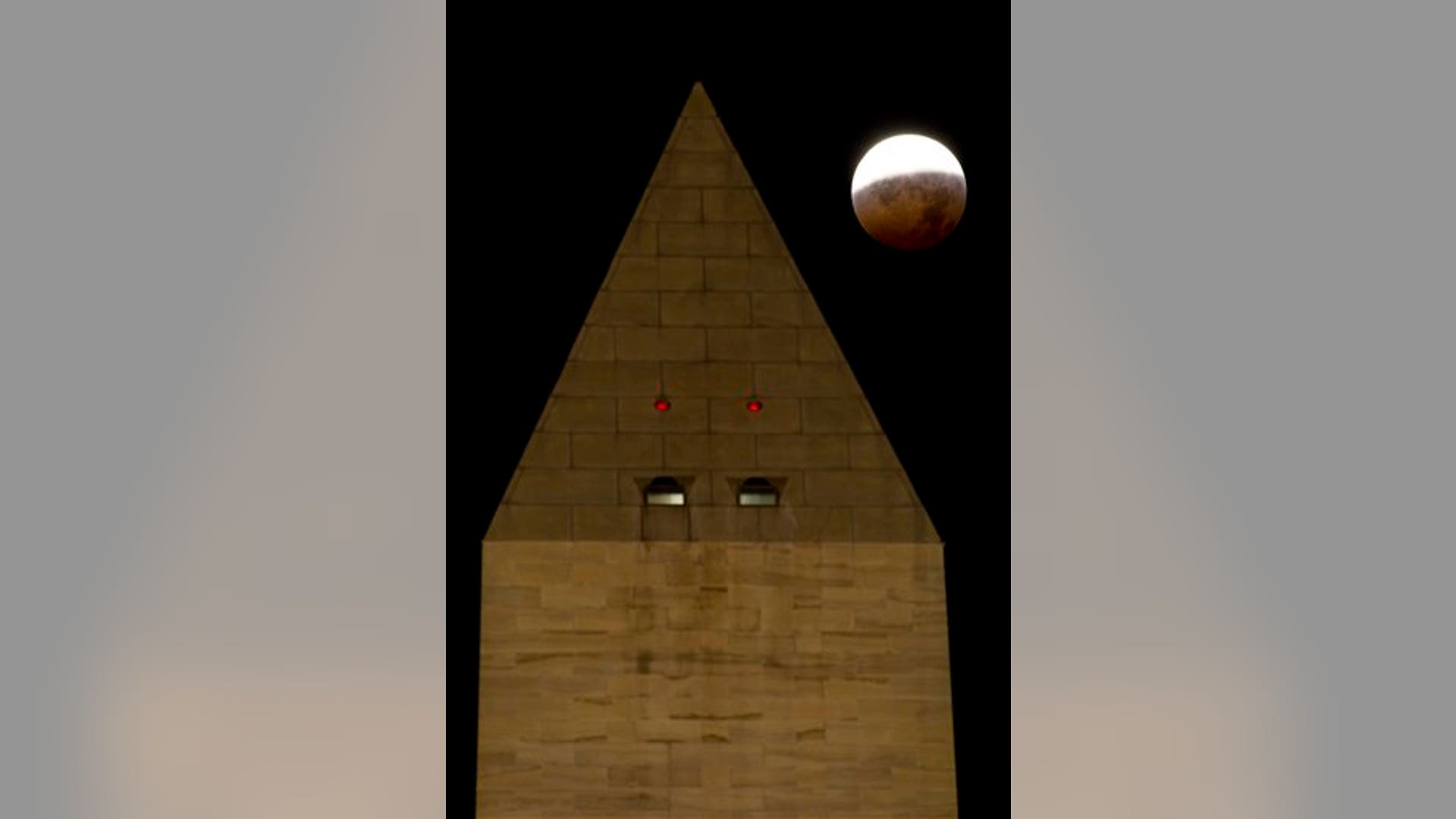
A series of photos taken over an hour long period show the full moon as it is shadowed by the Earth as a total lunar eclipse marks the arrival of the winter solstice Tuesday, December 21, 2010 in Overland Park, Kan.![Washington_Monument_eclipse]() In a photo provided by NASA the Washington Monument is seen as the full moon is shadowed by the Earth during a total lunar eclipse on the arrival of the winter solstice, Tuesday, December 21, 2010 in Washington. From beginning to end, the eclipse lasted about three hours and twenty-eight minutes.
In a photo provided by NASA the Washington Monument is seen as the full moon is shadowed by the Earth during a total lunar eclipse on the arrival of the winter solstice, Tuesday, December 21, 2010 in Washington. From beginning to end, the eclipse lasted about three hours and twenty-eight minutes.![Moon_over_Chrylser_2]() The moon, on its way to being totally eclipsed, is seen with the Chrysler Building in the foreground in New York, Tuesday, Dec. 21, 2010. A total lunar eclipse occurs when the Earth casts its shadow on the full moon, blocking the sun's rays that otherwise reflect off the moon's surface. Some indirect sunlight still pierces through to give the moon its eerie hue.
The moon, on its way to being totally eclipsed, is seen with the Chrysler Building in the foreground in New York, Tuesday, Dec. 21, 2010. A total lunar eclipse occurs when the Earth casts its shadow on the full moon, blocking the sun's rays that otherwise reflect off the moon's surface. Some indirect sunlight still pierces through to give the moon its eerie hue.![Partial_over_texas]() The Earth's shadow is cast over the surface of the Moon as a Lunar Eclipse proceeds though its partial phase in the sky over Tyler, Texas at 12:57 a.m. CST on Tuesday morning, Dec. 21, 2010.
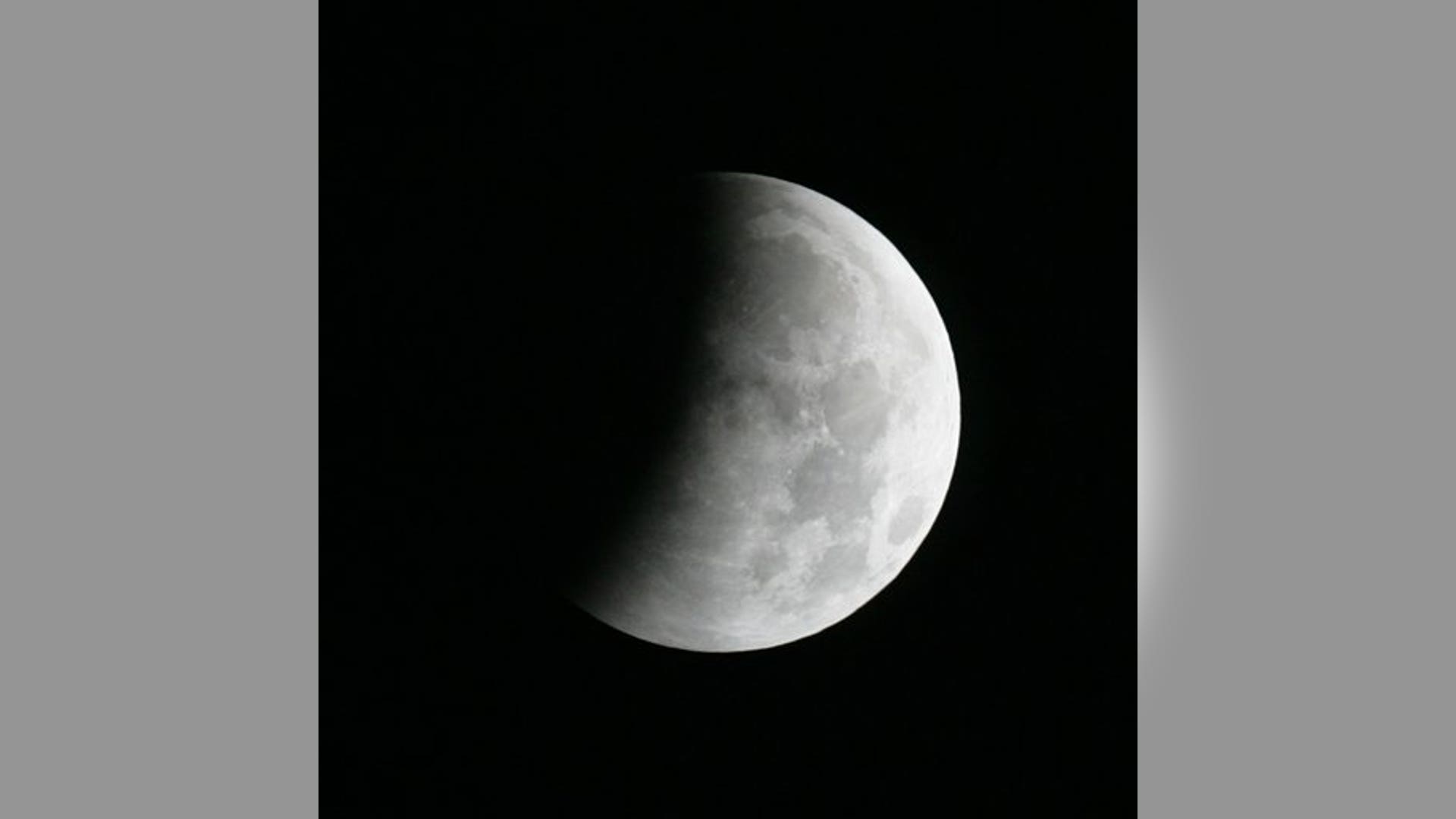
The Earth's shadow is cast over the surface of the Moon as a Lunar Eclipse proceeds though its partial phase in the sky over Tyler, Texas at 12:57 a.m. CST on Tuesday morning, Dec. 21, 2010.![Partial_over_texas_2]() The Earth's shadow is cast over the surface of the Moon as a Lunar Eclipse proceeds though its partial phase in the sky over a cloudy and foggy San Antonio at 1:09 a.m. CST, Tuesday, Dec. 21, 2010.
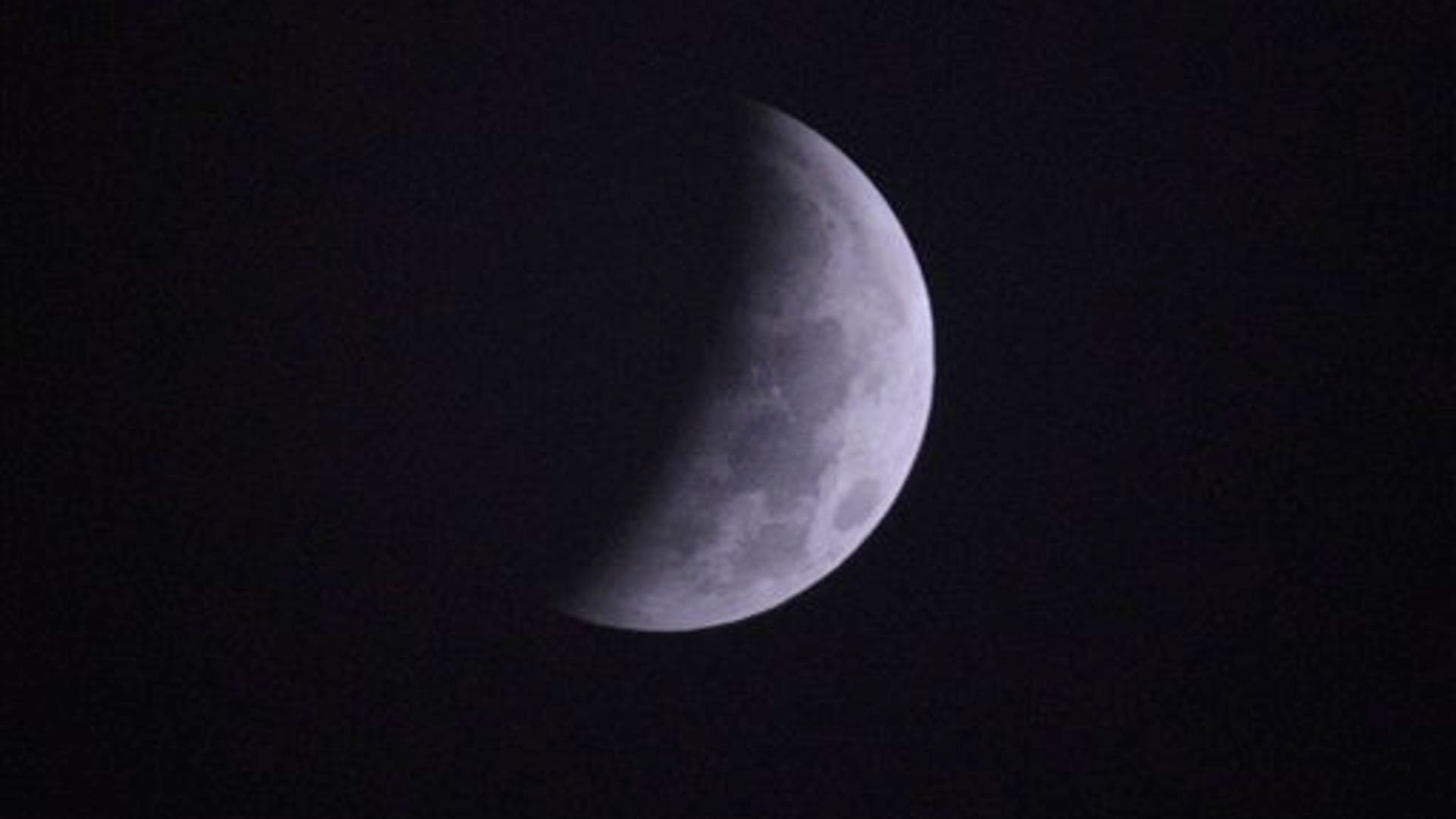
The Earth's shadow is cast over the surface of the Moon as a Lunar Eclipse proceeds though its partial phase in the sky over a cloudy and foggy San Antonio at 1:09 a.m. CST, Tuesday, Dec. 21, 2010.![Partial_over_texas_3]() The Earth's shadow is cast over the surface of the Moon as a Lunar Eclipse proceeds though its partial phase in the sky over a cloudy and foggy San Antonio at 1:14 a.m. CST, Tuesday, Dec. 21, 2010.
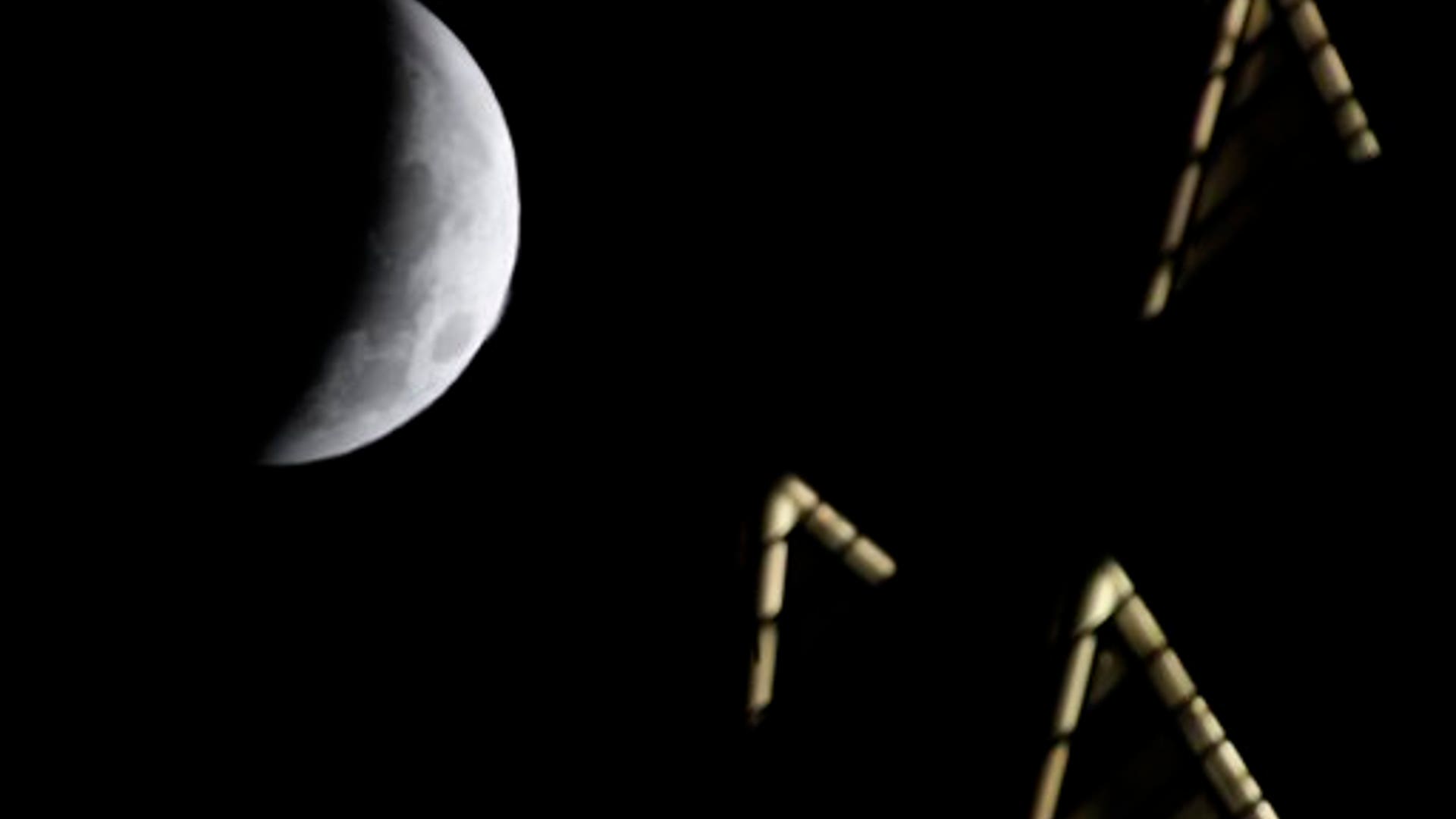
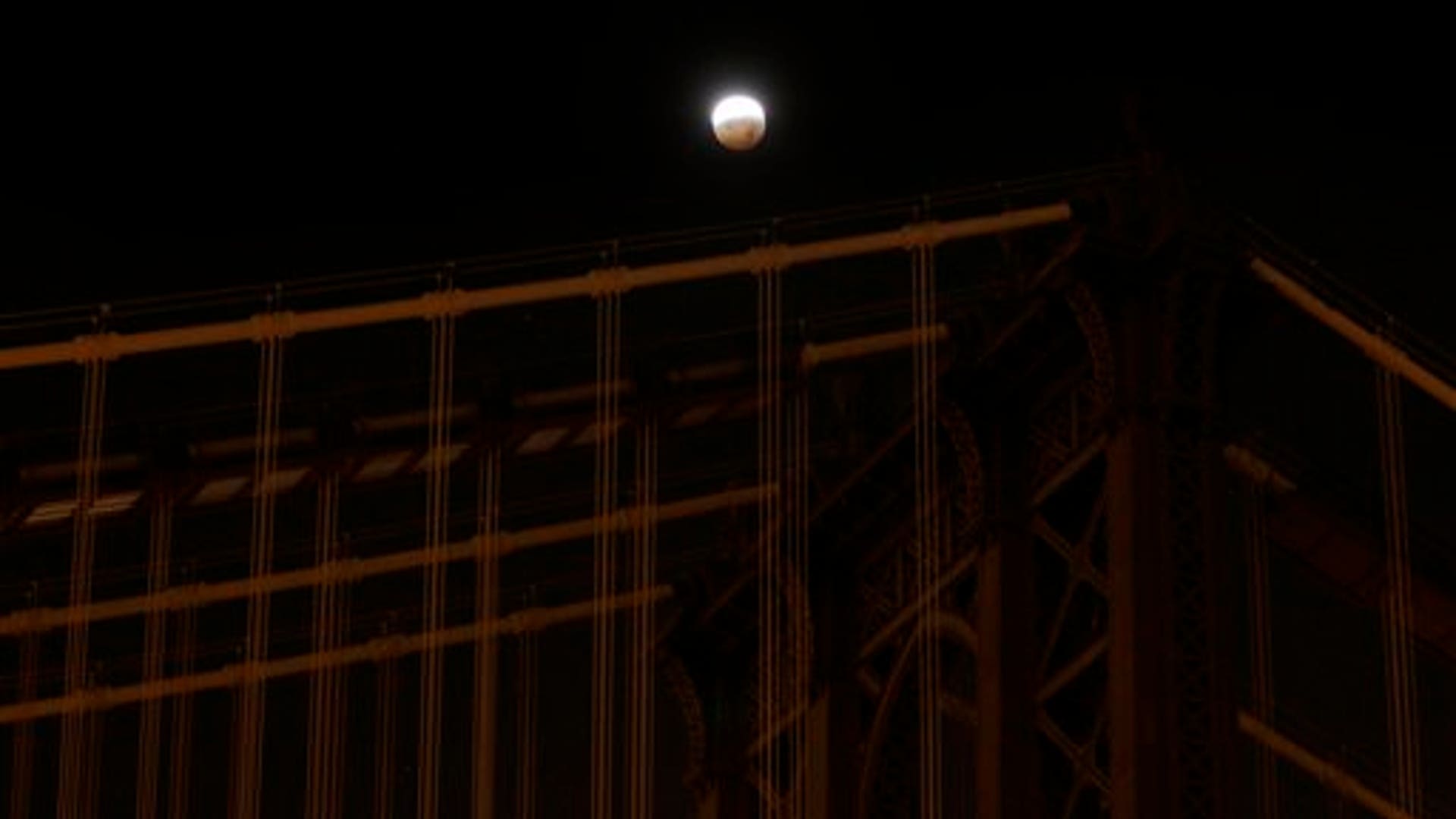
The Earth's shadow is cast over the surface of the Moon as a Lunar Eclipse proceeds though its partial phase in the sky over a cloudy and foggy San Antonio at 1:14 a.m. CST, Tuesday, Dec. 21, 2010.![Moon Over Manahattan Bridge]() A partially eclipsed moon is seen over the Manhattan Bridge in New York, Tuesday, Dec. 21, 2010. A total lunar eclipse occurs when the Earth casts its shadow on the full moon, blocking the sun's rays that otherwise reflect off the moon's surface. Some indirect sunlight still pierces through to give the moon its eerie hue.
A partially eclipsed moon is seen over the Manhattan Bridge in New York, Tuesday, Dec. 21, 2010. A total lunar eclipse occurs when the Earth casts its shadow on the full moon, blocking the sun's rays that otherwise reflect off the moon's surface. Some indirect sunlight still pierces through to give the moon its eerie hue.Spellbinding Shots of Lunar Eclipses
For skywatchers, a total eclipse of the moon is one of nature's ultimate spectacles -- and one is set for Wednesday, June 15. Here, an array of photos of this beautiful phenomenon.
Move Forward
- Spellbinding Shots of Lunar Eclipses


