Move Back
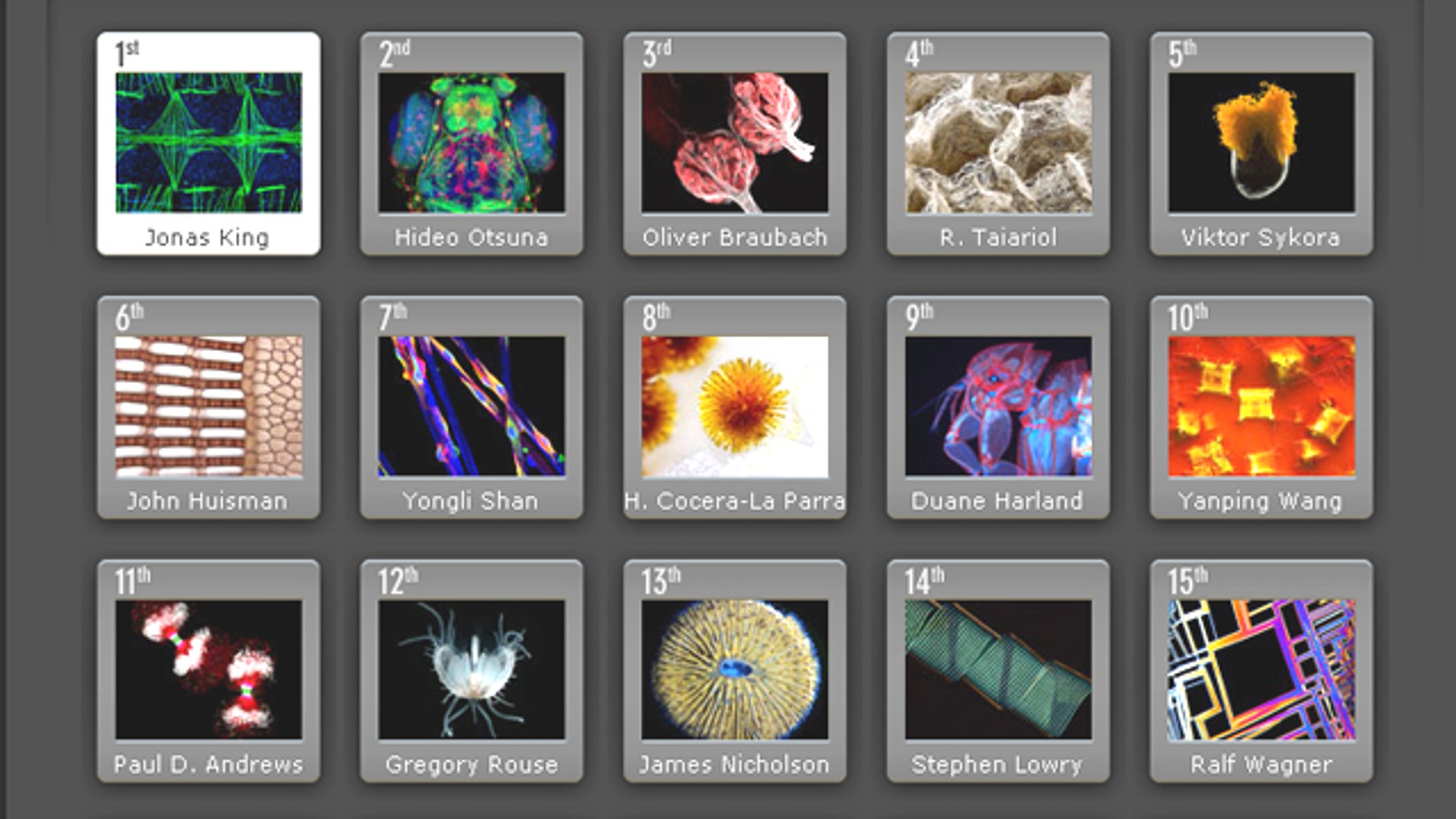
![2010 Winners]() The Nikon International Small World Competition began in 1974 as a means to recognize and applaud the efforts of those involved with photography through the light microscope. Since then, Small World has become a leading showcase for photomicrographers from the widest array of scientific disciplines. A photomicrograph is not only a technical document that has potentially great scientific purpose but also a work of art -- an image whose structure, color, composition, and content is an object of beauty. Here are the top 10. But Nikon Small World has the complete list of winners.
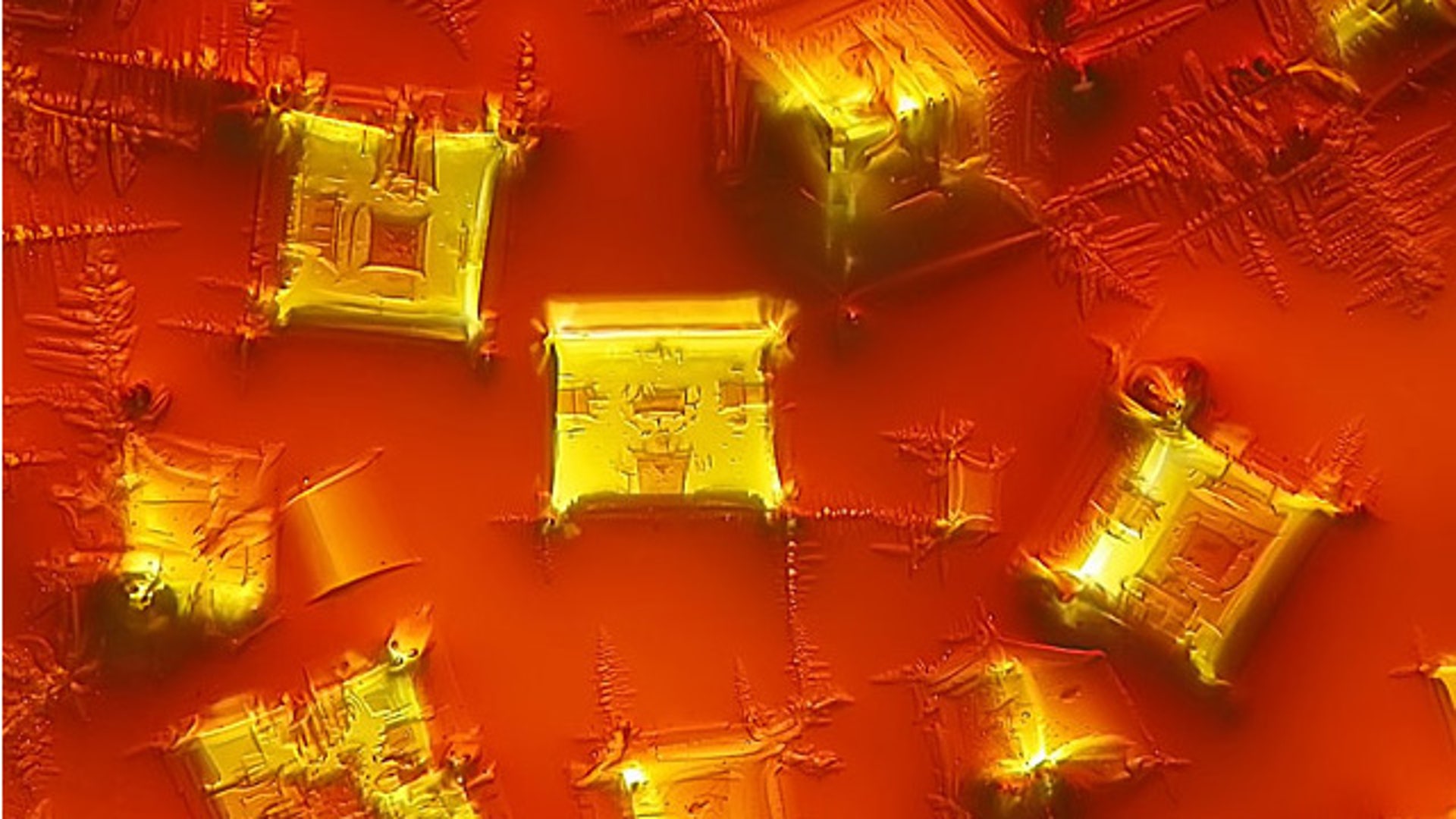
The Nikon International Small World Competition began in 1974 as a means to recognize and applaud the efforts of those involved with photography through the light microscope. Since then, Small World has become a leading showcase for photomicrographers from the widest array of scientific disciplines. A photomicrograph is not only a technical document that has potentially great scientific purpose but also a work of art -- an image whose structure, color, composition, and content is an object of beauty. Here are the top 10. But Nikon Small World has the complete list of winners.![Crystallized Condiments]() A closeup of China's most famous seasoning: soy sauce. 10th Place Yanping WangBeijing Language and Culture University Beijing, China Crystallized soy sauce (16X) Reflected and Transmitted Light
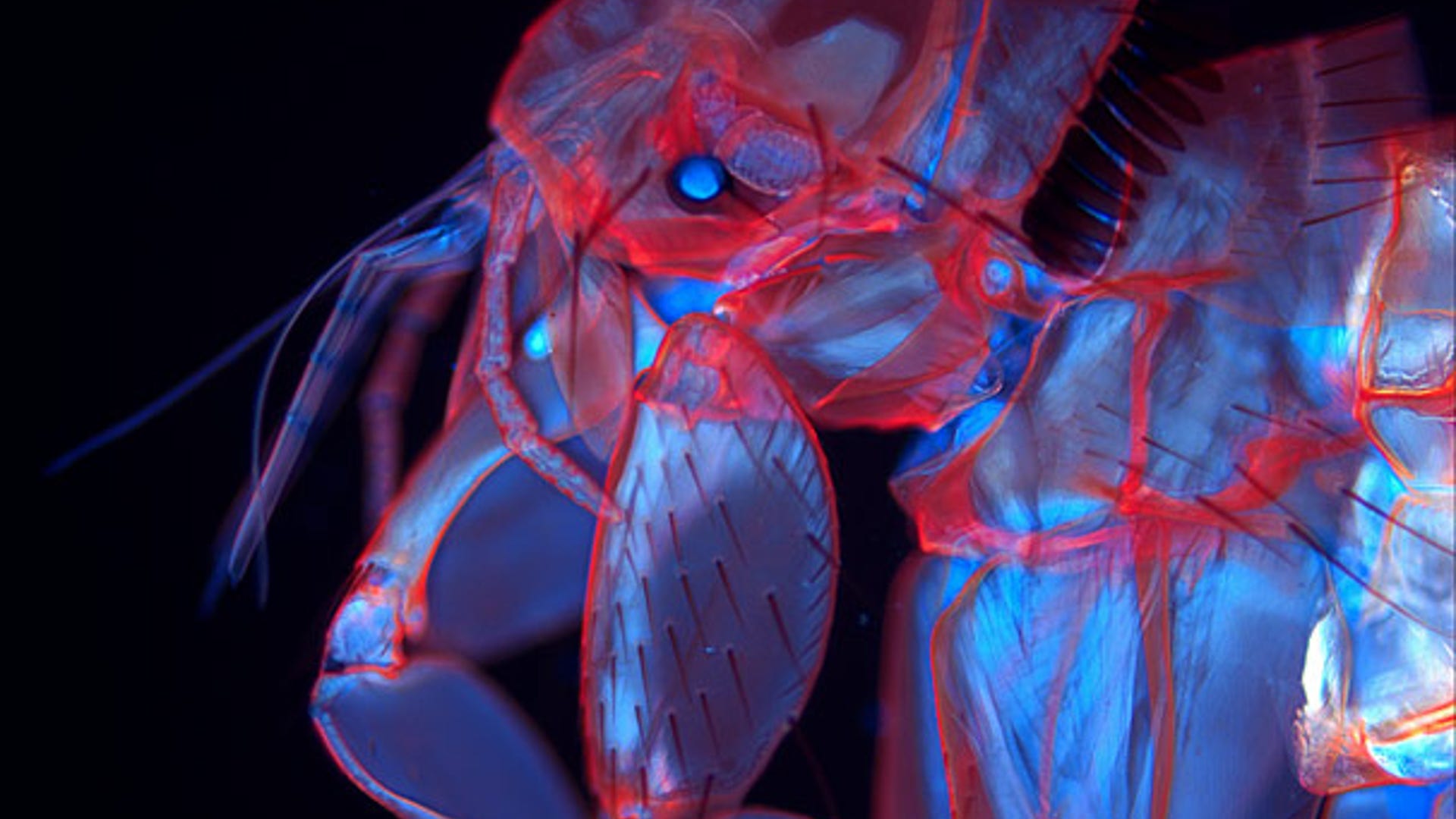
A closeup of China's most famous seasoning: soy sauce. 10th Place Yanping WangBeijing Language and Culture University Beijing, China Crystallized soy sauce (16X) Reflected and Transmitted Light![Canine Bloodsucker]() The dread of animal lovers, fleas are small, agile, usually dark colored, wingless insects with tube-like mouth-parts for feeding on the blood of their hosts. A flea can jump vertically up to 7 inches and horizontally up to 13 inches (around 200 times their own body length), making the flea one of the best jumpers of all known animals. 9th Place Dr. Duane HarlandAgResearch Ltd. Lincoln, New Zealand Ctenocephalides canis (flea) (20X) Fluorescence
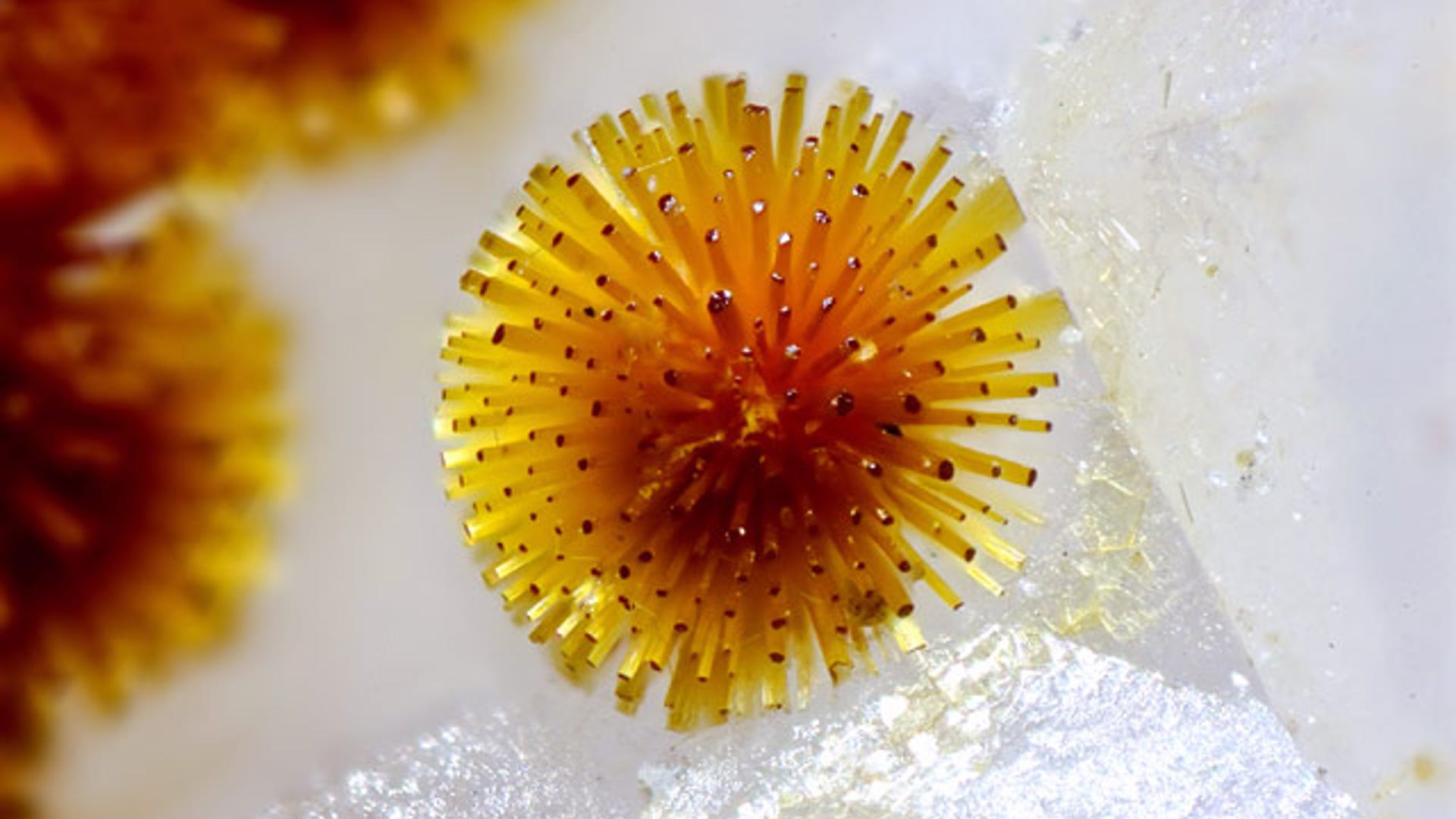
The dread of animal lovers, fleas are small, agile, usually dark colored, wingless insects with tube-like mouth-parts for feeding on the blood of their hosts. A flea can jump vertically up to 7 inches and horizontally up to 13 inches (around 200 times their own body length), making the flea one of the best jumpers of all known animals. 9th Place Dr. Duane HarlandAgResearch Ltd. Lincoln, New Zealand Ctenocephalides canis (flea) (20X) Fluorescence![Bad Guest]() Cacoxenite is a mineral commonly found in magnetic and limonite iron ores. The name comes from the Greek words for "bad" and "guest," because the phosphorous content of Cacoxenite lessens the quality of iron smelted from ore containing it. 8th Place Honorio Cocera-La ParraGeology Museum, University of Valencia Benetusser, Valencia, Spain Cacoxenite (mineral) (18X) Reflected light
Cacoxenite is a mineral commonly found in magnetic and limonite iron ores. The name comes from the Greek words for "bad" and "guest," because the phosphorous content of Cacoxenite lessens the quality of iron smelted from ore containing it. 8th Place Honorio Cocera-La ParraGeology Museum, University of Valencia Benetusser, Valencia, Spain Cacoxenite (mineral) (18X) Reflected light![Inside Blood Vessels]() Endothelial cells line the entire circulatory system, from the heart to the smallest capillary. These cells reduce turbulence in the flow of blood, allowing the fluid to be pumped farther. 7th Place Yongli ShanThe University of Texas Southwestern Medical Center Dallas, Texas, USA Endothelial cell attached to synthetic microfibers, stained with microtubules, F-actin and nuclei (2,500X) Fluorescence, Confocal
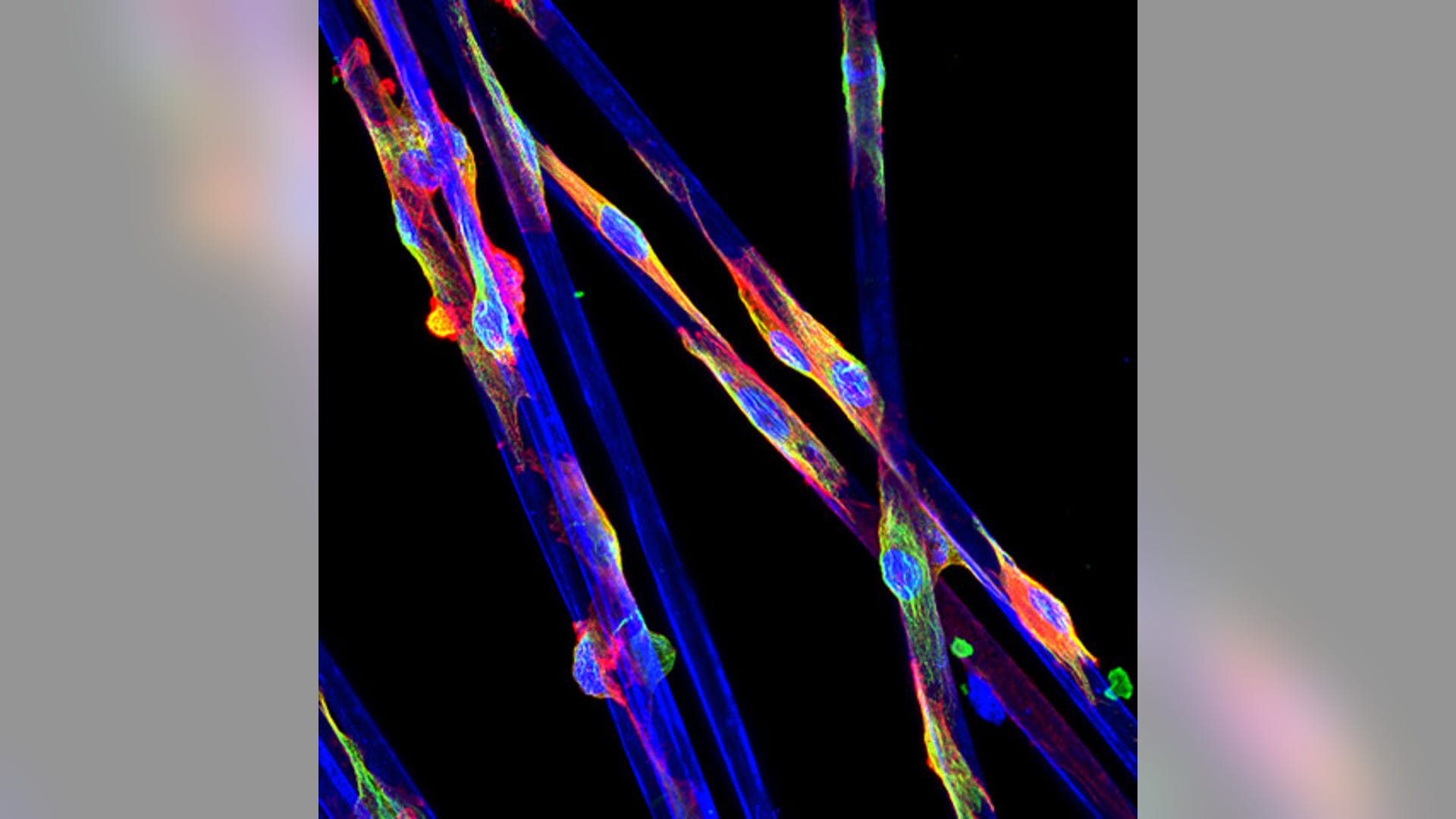
Endothelial cells line the entire circulatory system, from the heart to the smallest capillary. These cells reduce turbulence in the flow of blood, allowing the fluid to be pumped farther. 7th Place Yongli ShanThe University of Texas Southwestern Medical Center Dallas, Texas, USA Endothelial cell attached to synthetic microfibers, stained with microtubules, F-actin and nuclei (2,500X) Fluorescence, Confocal![Red Seaweed]() Red seaweeds have had a more diverse evolution than the green and the brown. The red color comes from larger amounts of red pigments overriding the green pigment chlorophyll, which lets the seaweed survive in low-light conditions where green seaweeds could not. 6th Place Dr. John HuismanMurdoch University, School of Biological Sciences and Biotechnology Murdoch, Western Australia, Australia Martensia sp. (red seaweed), living specimen (40X) Brightfield
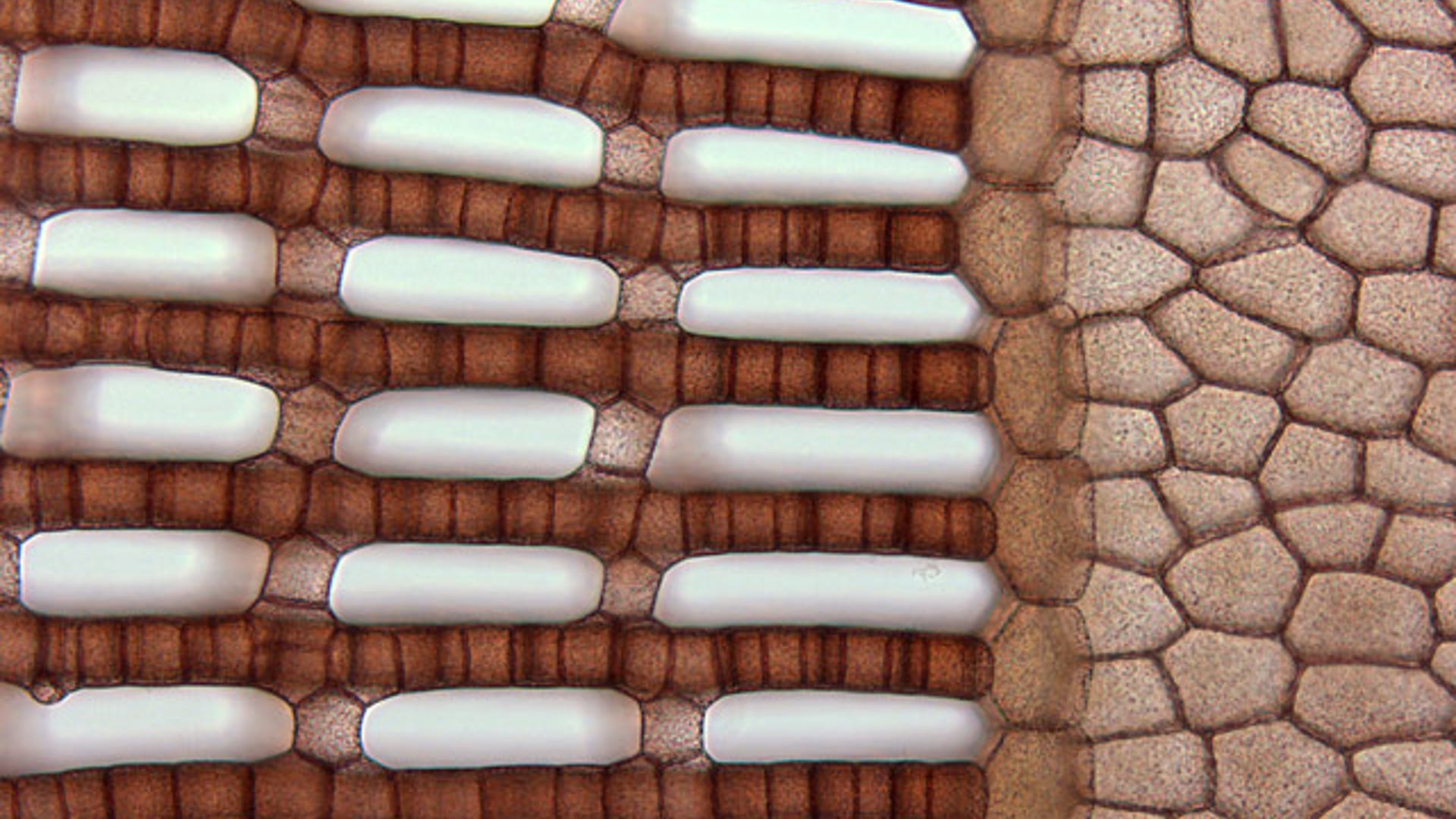
Red seaweeds have had a more diverse evolution than the green and the brown. The red color comes from larger amounts of red pigments overriding the green pigment chlorophyll, which lets the seaweed survive in low-light conditions where green seaweeds could not. 6th Place Dr. John HuismanMurdoch University, School of Biological Sciences and Biotechnology Murdoch, Western Australia, Australia Martensia sp. (red seaweed), living specimen (40X) Brightfield![Bird of Paradise]() Bird of Paradise flowers are associated with liberty, magnificence, and good perspective. First introduced to Europe in 1773 when they were grown at the Royal Botanic Gardens, Kew, they are a common ornamental plant in Southern California and the official flower of Los Angeles. 5th Place Viktor SykoraInstitute of Pathophysiology, First Medical Faculty, Charles University Prague, Czech Republic Strelitzia reginae (bird of paradise) seed (10X) Darkfield
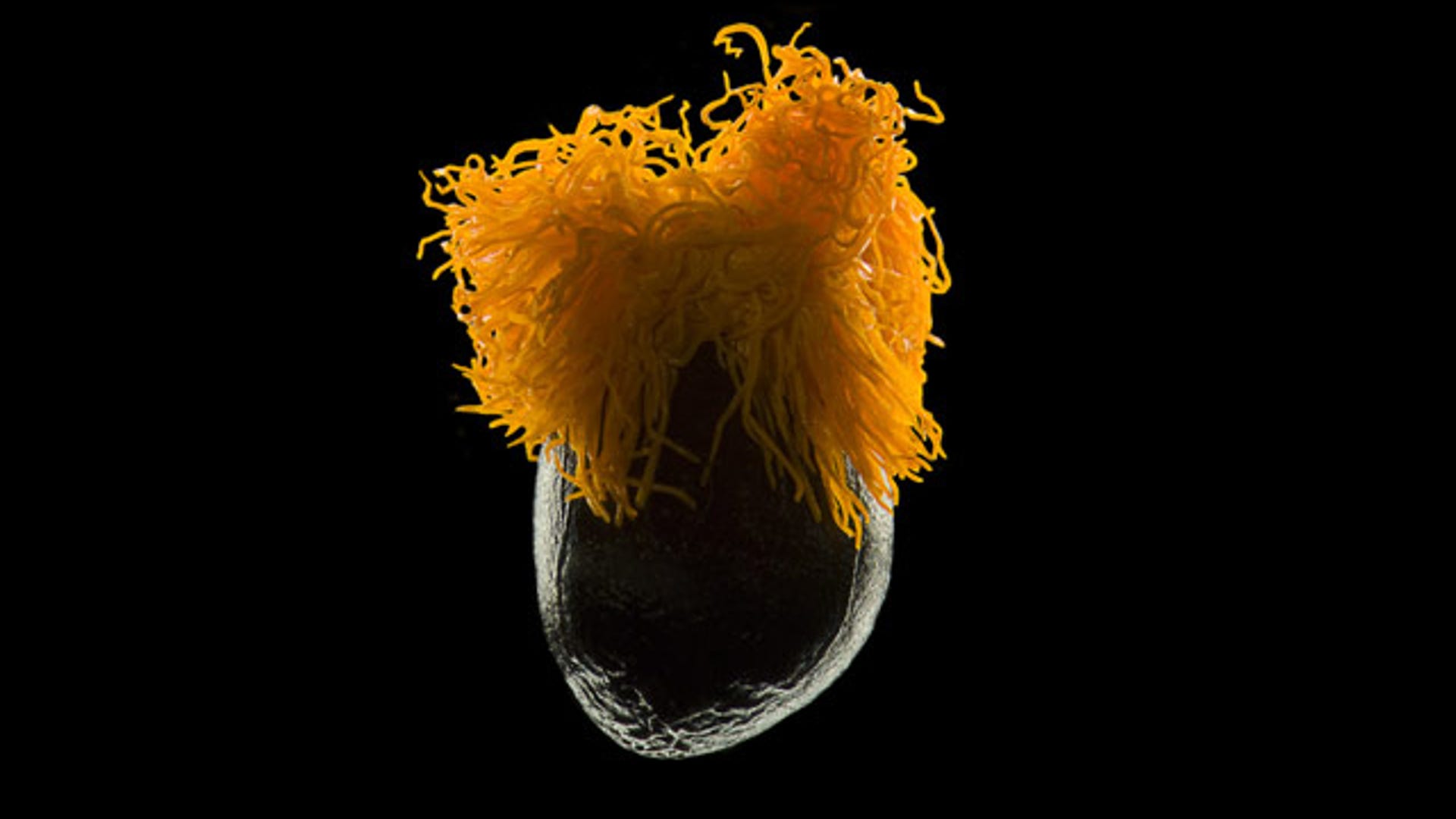
Bird of Paradise flowers are associated with liberty, magnificence, and good perspective. First introduced to Europe in 1773 when they were grown at the Royal Botanic Gardens, Kew, they are a common ornamental plant in Southern California and the official flower of Los Angeles. 5th Place Viktor SykoraInstitute of Pathophysiology, First Medical Faculty, Charles University Prague, Czech Republic Strelitzia reginae (bird of paradise) seed (10X) Darkfield![Wasp Nest]() A closeup of the paper pulp nests that many social wasps produce. Unlike honey bees, wasps have no wax producing glands. Many produce a paper-like substance primarily from wood pulp. Wood fibers are gathered locally from weathered wood, softened by chewing and mixing with saliva. The pulp is then used to make combs with cells for rearing other wasps. 4th Place Riccardo TaiariolLa Spezia, SP, Italy Wasp nest (10X) Extended Depth of Field Stereomicroscopy
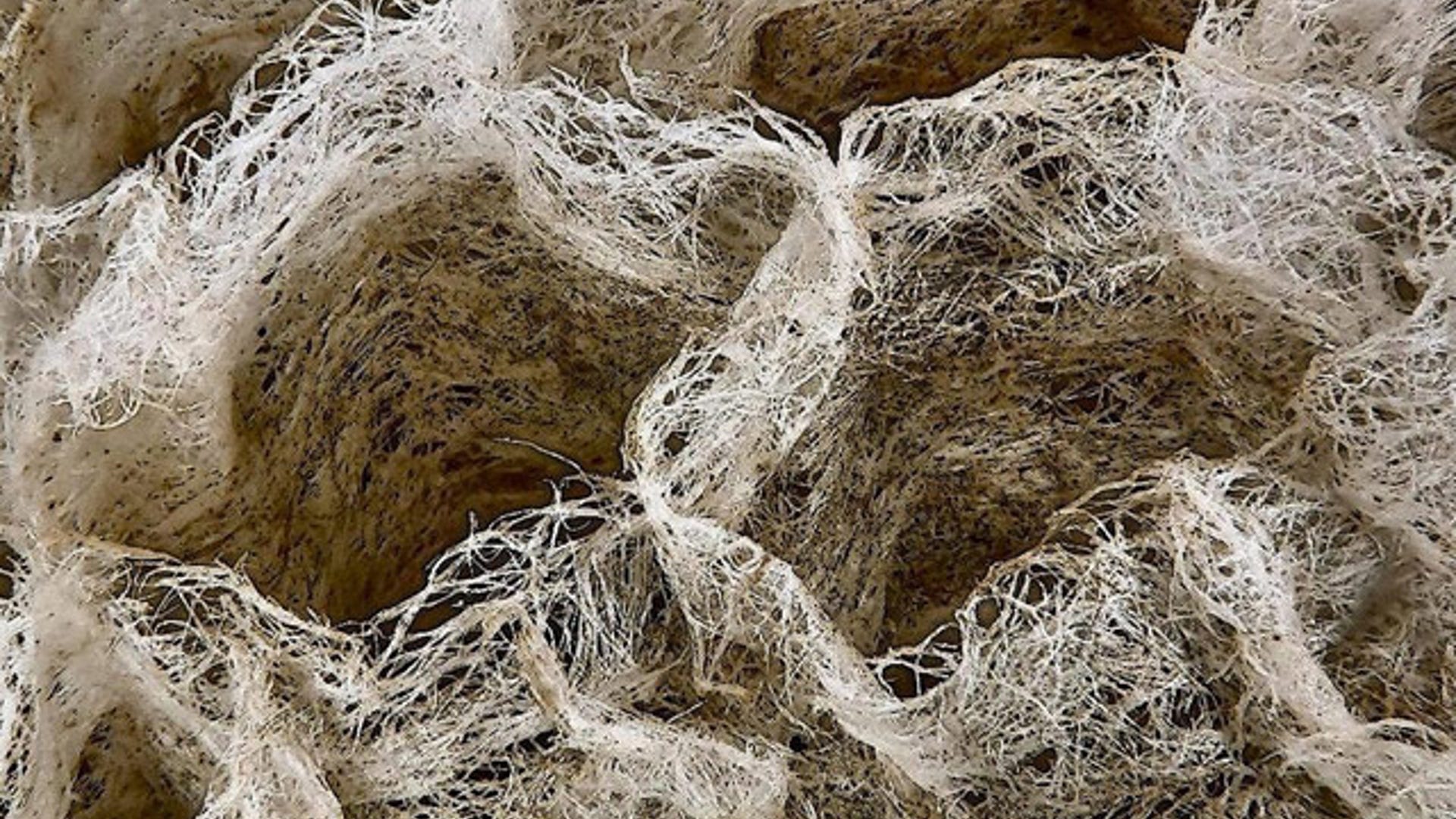
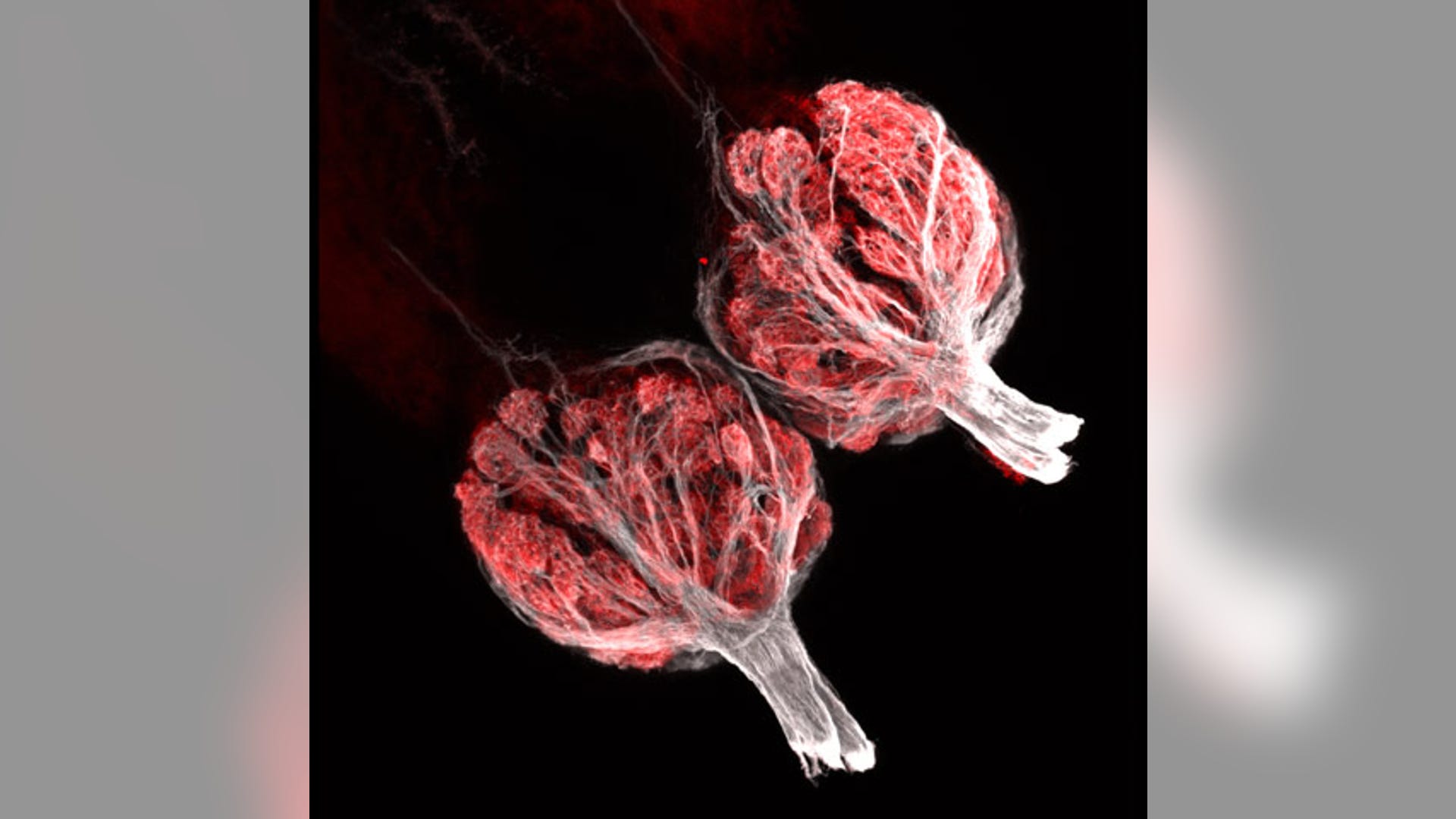
A closeup of the paper pulp nests that many social wasps produce. Unlike honey bees, wasps have no wax producing glands. Many produce a paper-like substance primarily from wood pulp. Wood fibers are gathered locally from weathered wood, softened by chewing and mixing with saliva. The pulp is then used to make combs with cells for rearing other wasps. 4th Place Riccardo TaiariolLa Spezia, SP, Italy Wasp nest (10X) Extended Depth of Field Stereomicroscopy![Zebrafish Olfactory Bulb]() The olfactory bulb is a structure of the vertebrate forebrain involved in the perception of odors. 3rd Place Oliver Braubach Department of Physiology & Biophysics, Dalhousie University Halifax, Nova Scotia, Canada Zebrafish olfactory bulbs (250X) Confocal
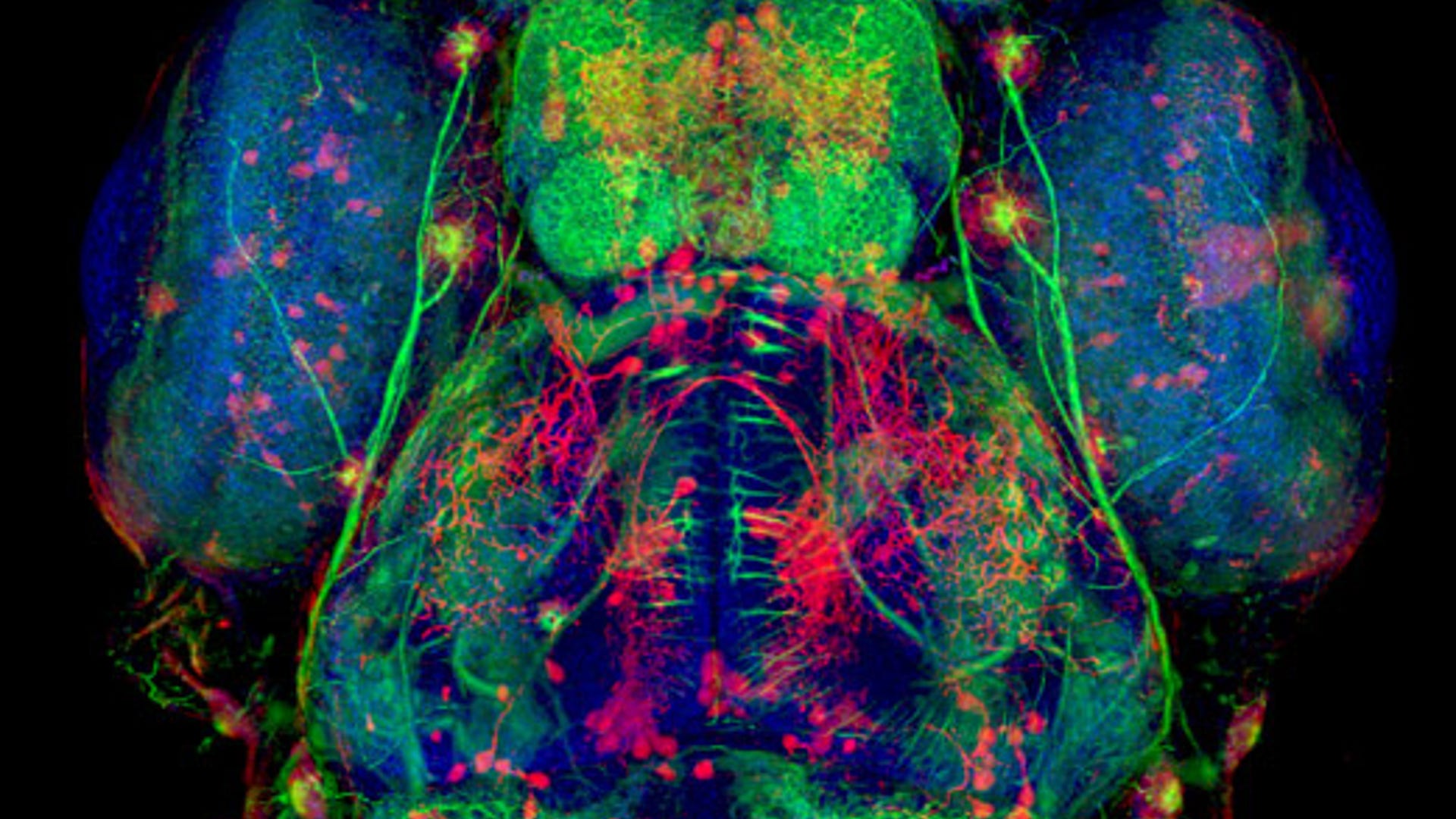
The olfactory bulb is a structure of the vertebrate forebrain involved in the perception of odors. 3rd Place Oliver Braubach Department of Physiology & Biophysics, Dalhousie University Halifax, Nova Scotia, Canada Zebrafish olfactory bulbs (250X) Confocal![Zebrafish Head]() It's not surprising the zebrafish has shown up twice in the top ten. It's a common and useful model organism for studies of vertebrate development and gene function in scientific research. 2nd Place Dr. Hideo OtsunaUniversity of Utah Medical Center, Department of Neurobiology and Anatomy Salt Lake City, Utah, USA 5-day old zebrafish head (20X) Confocal
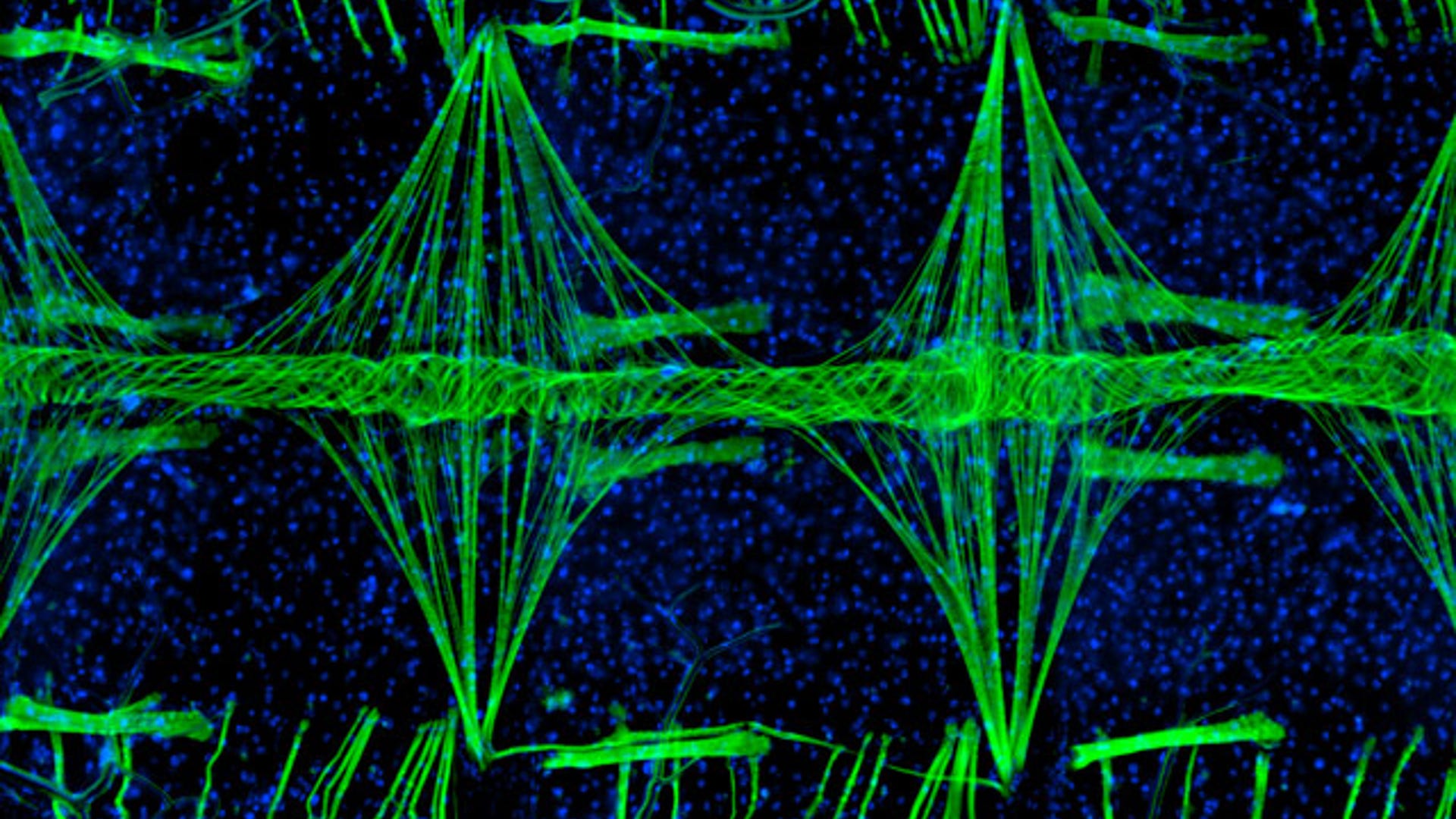
It's not surprising the zebrafish has shown up twice in the top ten. It's a common and useful model organism for studies of vertebrate development and gene function in scientific research. 2nd Place Dr. Hideo OtsunaUniversity of Utah Medical Center, Department of Neurobiology and Anatomy Salt Lake City, Utah, USA 5-day old zebrafish head (20X) Confocal![Mosquito Heart]() It's the number one deadliest animal on the planet going by kills per year, transmitting disease to more than 700 million people annually. Judges were stunned to see this level of geometry in nature, describing the structures seen here in the mosquitoes heart as shockingly repetitive. Does that look like a heart to you? 1st Place Jonas KingVanderbilt University, Department of Biological Sciences Nashville, Tennessee, USA Anopheles gambiae (mosquito) heart (100X) Fluorescence
It's the number one deadliest animal on the planet going by kills per year, transmitting disease to more than 700 million people annually. Judges were stunned to see this level of geometry in nature, describing the structures seen here in the mosquitoes heart as shockingly repetitive. Does that look like a heart to you? 1st Place Jonas KingVanderbilt University, Department of Biological Sciences Nashville, Tennessee, USA Anopheles gambiae (mosquito) heart (100X) FluorescenceLife As You've Never Seen It: 2010's Best Microscope Photos
Mosquito hearts, red seaweed, and more. The people have spoken -- these are the winners of the 2010 Nikon Small World Photomicrography Competition popular vote, showcasing the beauty and complexity of life as seen through the light microscope.
Move Forward
- Life As You've Never Seen It: 2010's Best Microscope Photos


