Move Back
![The Pacific Ocean]() These days, honeymooners can fly to places like Tahiti and Bora Bora just by opening their wallets. But hundreds of years ago, Pacific Islanders made the journey across thousands of miles of open ocean in long ships. Now that's exploration.
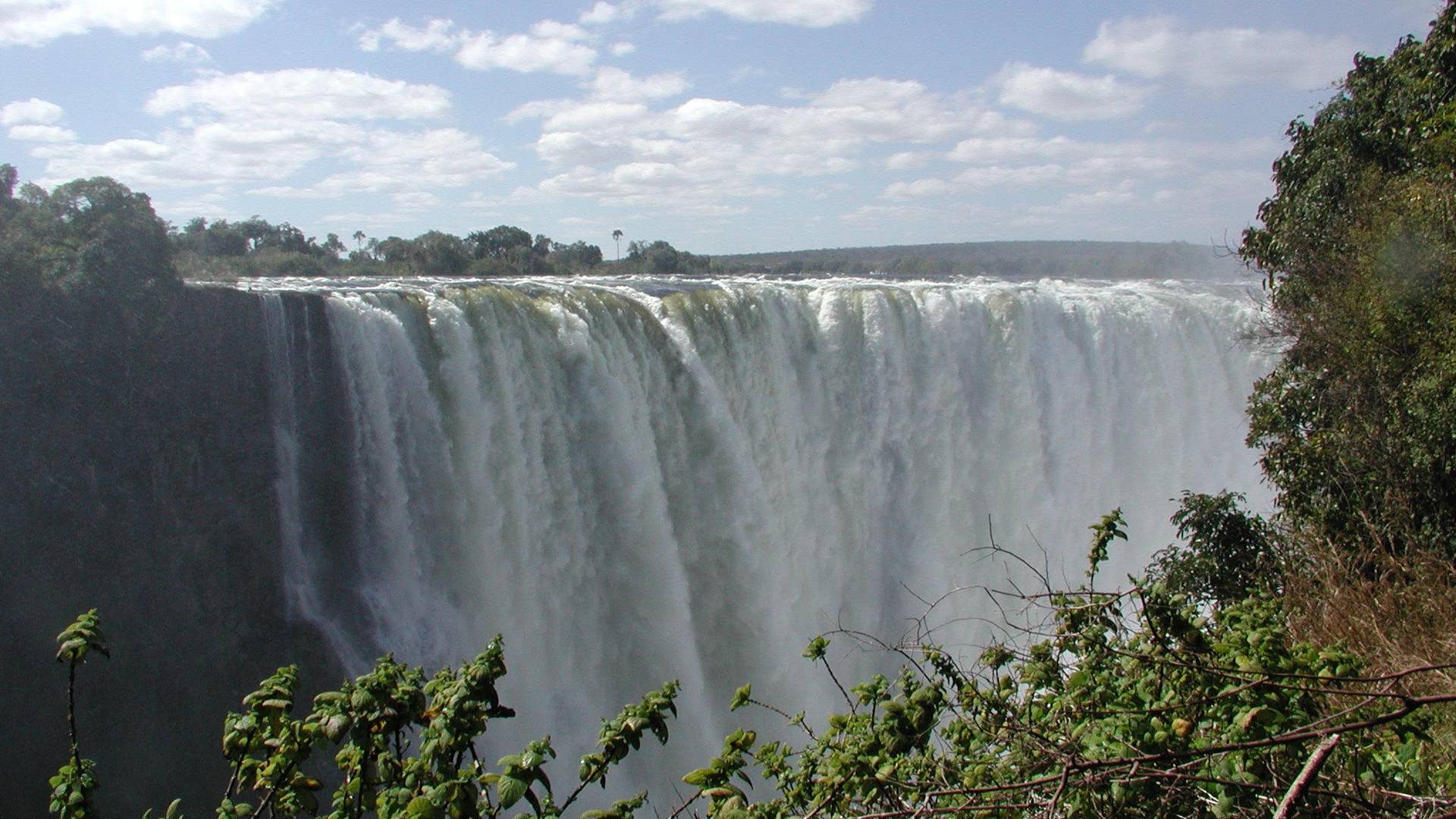
These days, honeymooners can fly to places like Tahiti and Bora Bora just by opening their wallets. But hundreds of years ago, Pacific Islanders made the journey across thousands of miles of open ocean in long ships. Now that's exploration.![Victoria Falls]() One of the first Westerners to journey across Africa, David Livingstone's name is synonymous with adventure. In his 20-year journey across the continent, Dr. Livingstone I. Presume found the sources of the Nile, named Victoria Falls (often described as one of the seven natural wonders of the world), and dodged spiders the size of small hogs.
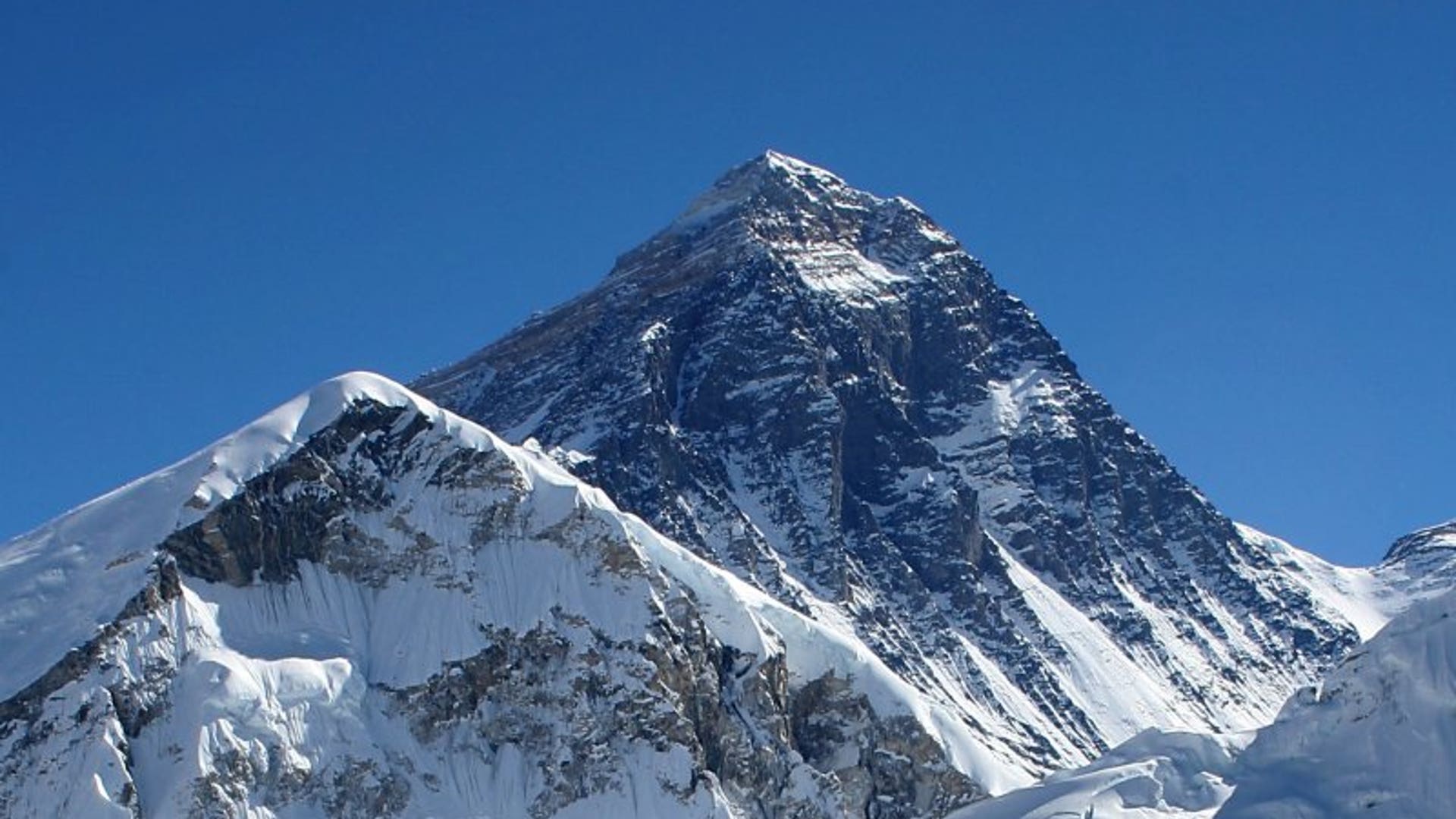
One of the first Westerners to journey across Africa, David Livingstone's name is synonymous with adventure. In his 20-year journey across the continent, Dr. Livingstone I. Presume found the sources of the Nile, named Victoria Falls (often described as one of the seven natural wonders of the world), and dodged spiders the size of small hogs.![Mt. Everest]() Frozen, airless, and over 29,000 feet in the air? No problem, if your name is Tenzing Norgay or Edmund Hillary. The intrepid explorers scaled the world's highest peak in 1953; more than half a century later, hikers die every year attempting the same feat, either due to hypothermia, lack of oxygen, or a rogue storm, such as one John Krakauer documented in his book, Into Thin Air. To be fair, NASA's LCROSS explored a frigid oxygen-free zone. But it's not quite the same.
Frozen, airless, and over 29,000 feet in the air? No problem, if your name is Tenzing Norgay or Edmund Hillary. The intrepid explorers scaled the world's highest peak in 1953; more than half a century later, hikers die every year attempting the same feat, either due to hypothermia, lack of oxygen, or a rogue storm, such as one John Krakauer documented in his book, Into Thin Air. To be fair, NASA's LCROSS explored a frigid oxygen-free zone. But it's not quite the same.![The Northwest Passage]() In 1903, Roald Amundsen became the first to navigate the Northwest Passage, traveling between the Atlantic Ocean and the Pacific in what explorers and traders hoped would become a safe route through the frigid Arctic Ocean. Not so lucky, in 1845, was John Franklin, who sailed off in ships named Erebus and Terror in the same pursuit. Franklin's entire crew died from starvation, hypothermia, scurvy and worse, resorting to cannibalism after the explorer died and his ships were trapped in ice. Now that's adventure!
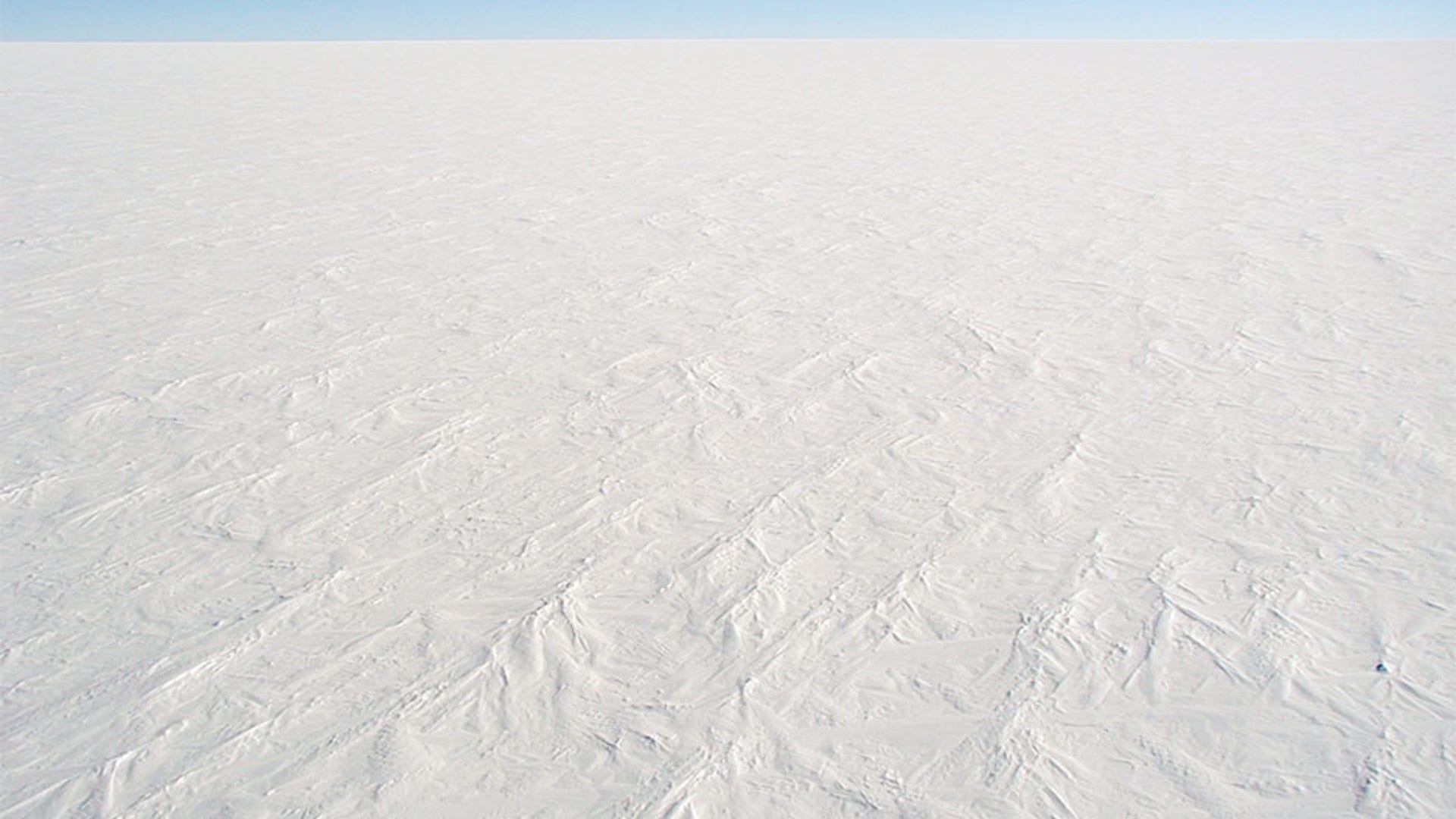
In 1903, Roald Amundsen became the first to navigate the Northwest Passage, traveling between the Atlantic Ocean and the Pacific in what explorers and traders hoped would become a safe route through the frigid Arctic Ocean. Not so lucky, in 1845, was John Franklin, who sailed off in ships named Erebus and Terror in the same pursuit. Franklin's entire crew died from starvation, hypothermia, scurvy and worse, resorting to cannibalism after the explorer died and his ships were trapped in ice. Now that's adventure!![AntarcticaDomeCSnow]() Can there be a place on Earth more forbidding than Antarctica? In 1911, having already conquered the Northwest Passage, Roald Amundsen set out with dog sleds on another icy adventure literally halfway around the world—and became the first man to reach the South Pole. Today, McMurdo Base in Antarctica can house as many as 1,000 people. Do people take up less space when they're really cold?
Can there be a place on Earth more forbidding than Antarctica? In 1911, having already conquered the Northwest Passage, Roald Amundsen set out with dog sleds on another icy adventure literally halfway around the world—and became the first man to reach the South Pole. Today, McMurdo Base in Antarctica can house as many as 1,000 people. Do people take up less space when they're really cold?![The Moon]() On July 20, 1969, Neil Armstrong took one defining step in the history of exploration, when he climbed down from the Lunar Module Eagle onto the surface of the moon, from where he could look up and see Earth as no one had before. He was soon joined by Buzz Aldrin, with whom he spent 21 hours on the lunar surface before returning to Earth with 46 pounds of moon rocks. Forty years later, NASA does its exploring by shooting an unmanned rocket.
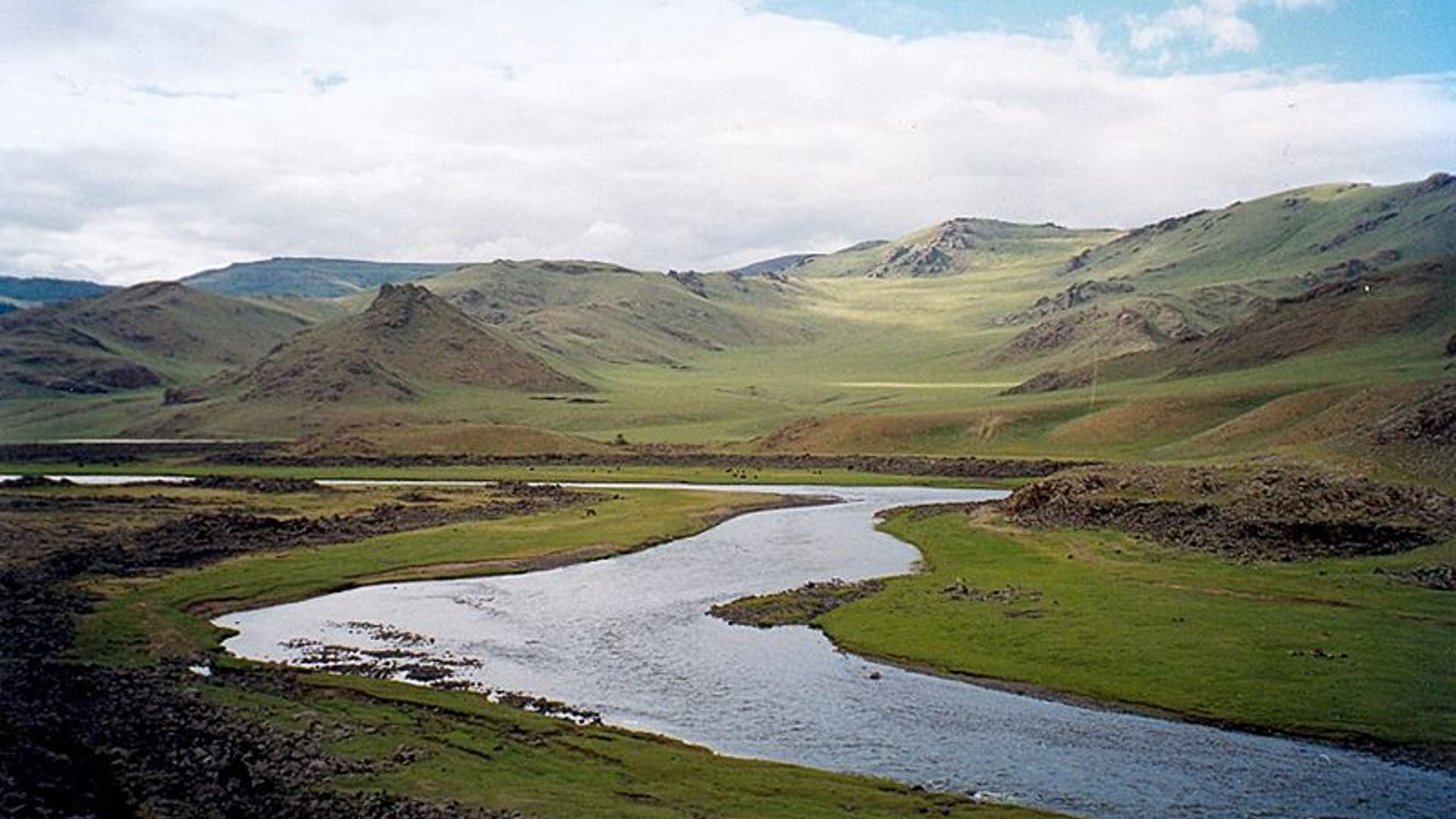
On July 20, 1969, Neil Armstrong took one defining step in the history of exploration, when he climbed down from the Lunar Module Eagle onto the surface of the moon, from where he could look up and see Earth as no one had before. He was soon joined by Buzz Aldrin, with whom he spent 21 hours on the lunar surface before returning to Earth with 46 pounds of moon rocks. Forty years later, NASA does its exploring by shooting an unmanned rocket.![Asia]() Though his story sounds like a child's tale, the famous Marco Polo's adventures were very much real. In the course of his adventures across Earth's largest continent, he met Genghis Khan's grandson and traveled the silk road (a trade route across Asia). NASA's rocket may have traveled farther, but try standing at the side of a swimming pool and shouting "LCROSS!"
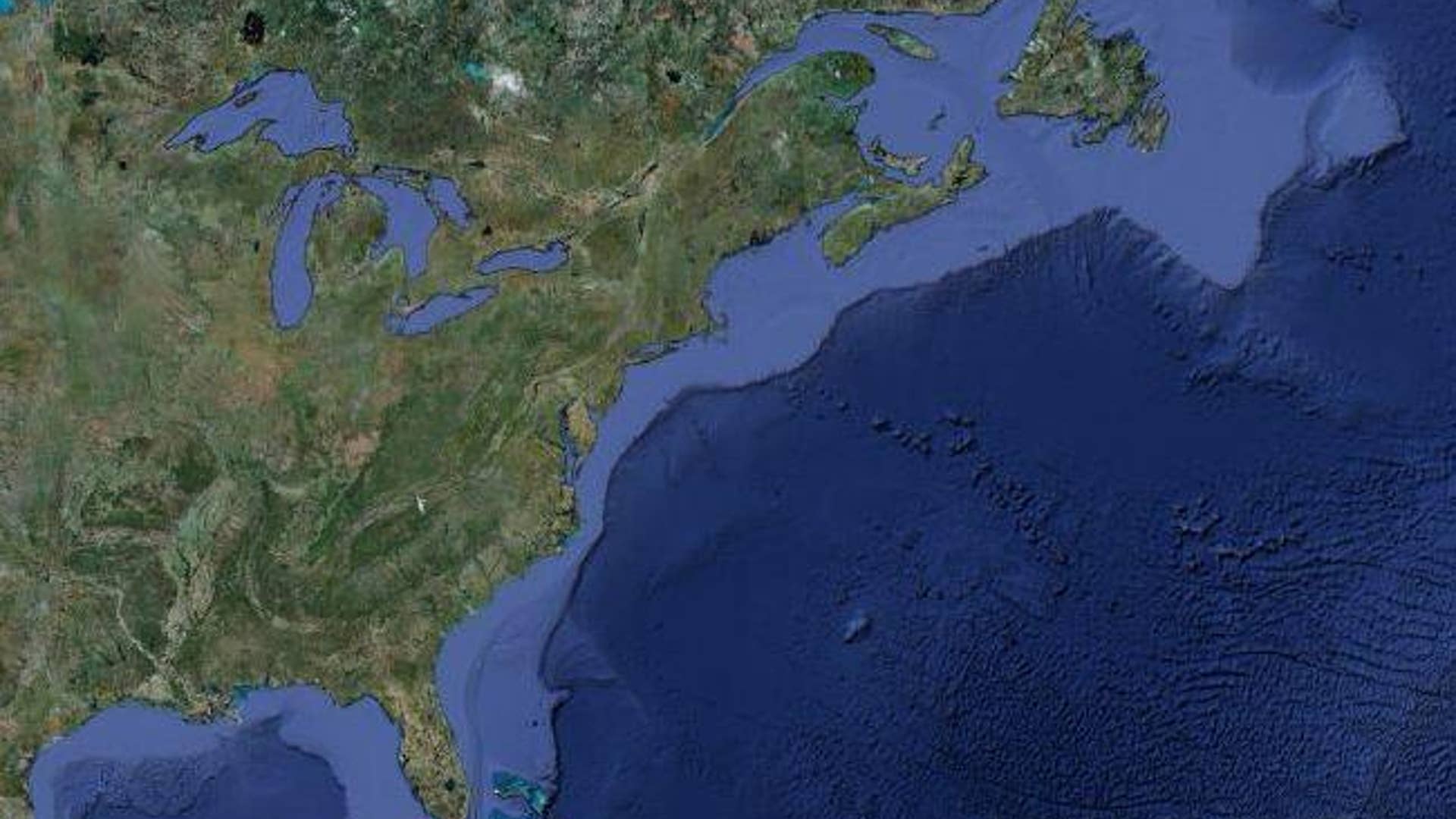
Though his story sounds like a child's tale, the famous Marco Polo's adventures were very much real. In the course of his adventures across Earth's largest continent, he met Genghis Khan's grandson and traveled the silk road (a trade route across Asia). NASA's rocket may have traveled farther, but try standing at the side of a swimming pool and shouting "LCROSS!"![North_America]() In a long boat through stormy seas, Leif Ericson was probably the first European to sail to North America. The Viking sailed from Greenland in 986, more than 500 years before Chris Columbus made his famous voyage.
In a long boat through stormy seas, Leif Ericson was probably the first European to sail to North America. The Viking sailed from Greenland in 986, more than 500 years before Chris Columbus made his famous voyage.Is Exploration Dead? Mankind’s 8 Greatest Exploration Adventures
Yeah, yeah, we know. NASA bombed the moon. Yawn. Is this what passes for exploration these days? A humdrum shot at the moon from the comfort of an armchair? What happened to mankind's great adventurers? Magellan ... Amelia Earhardt ... Yuri Gagarin ... John Glenn? Real exploration takes real people! On Columbus Day, take a look back at mankind's eight greatest exploration adventures. Then you decide ... which was the greatest "giant leap for mankind"?



Move Forward
- Is Exploration Dead? Mankind’s 8 Greatest Exploration Adventures


