Move Back
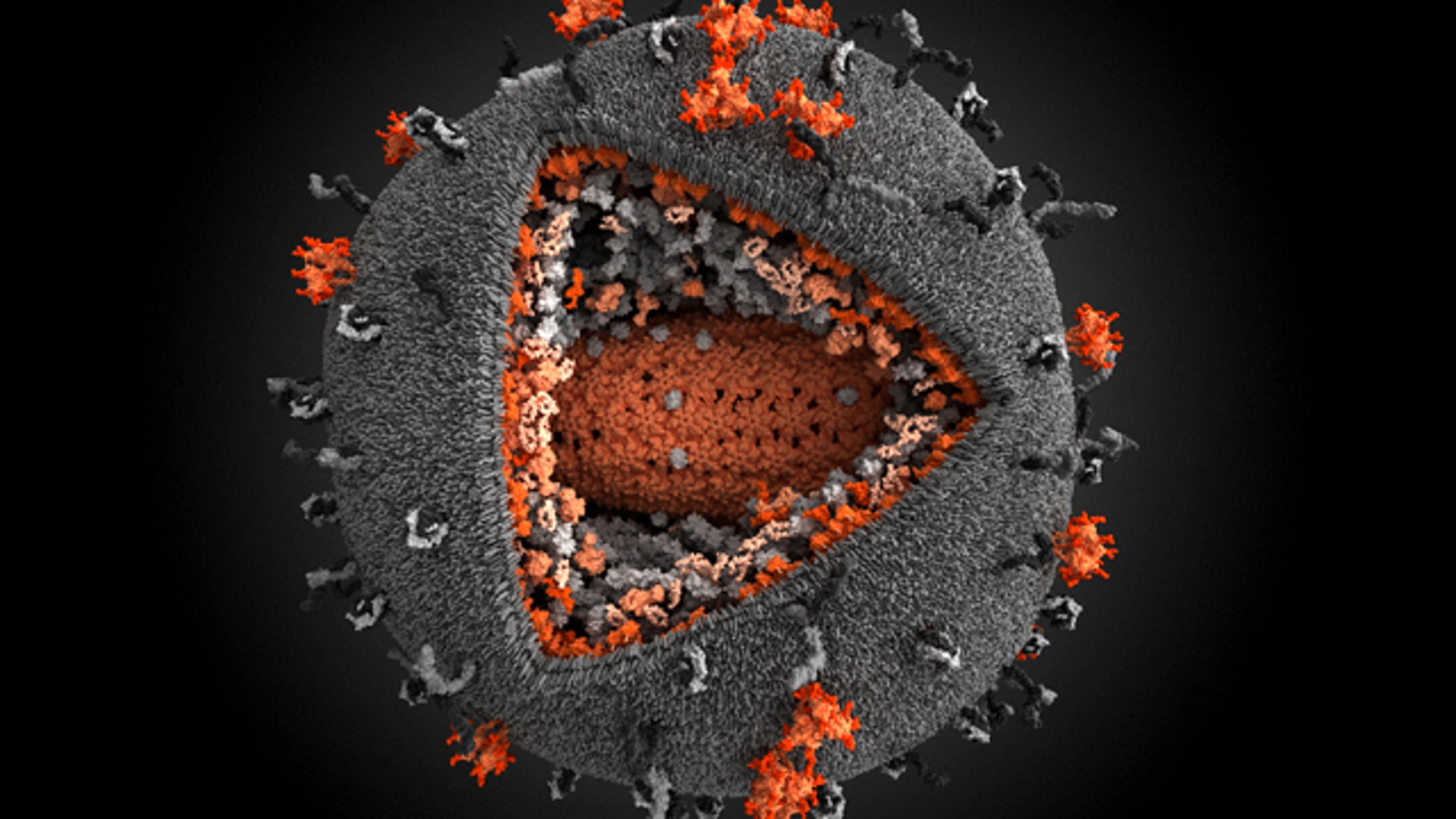
![HIV_Virus]() Illustrations - First PlaceHuman Immunodeficiency Virus 3D This model of HIV is the most detailed 3D-model of the virus ever made. It summarizes the results from scientific publications in the fields of virology, X-ray analysis and spectroscopy.
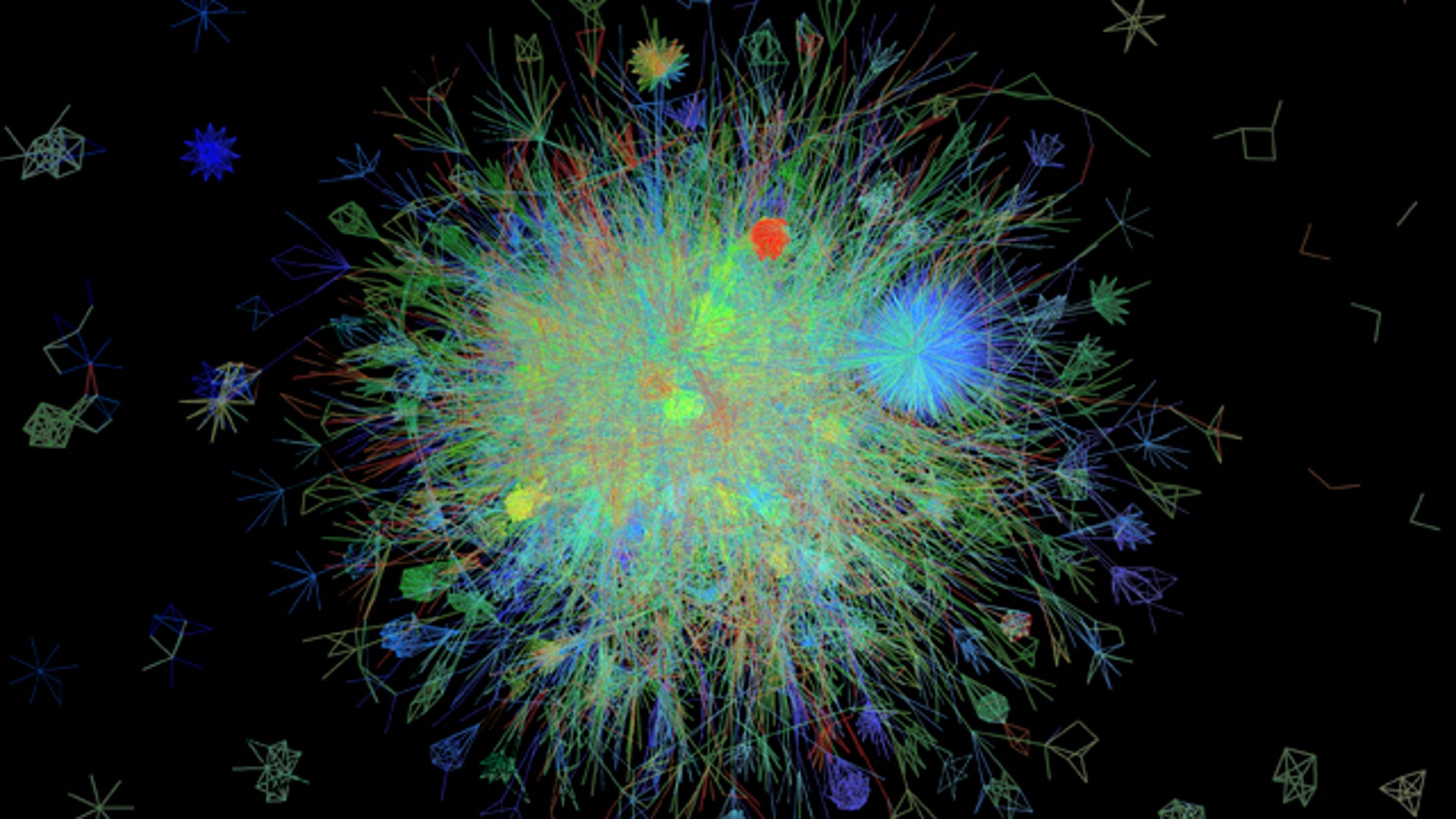
Illustrations - First PlaceHuman Immunodeficiency Virus 3D This model of HIV is the most detailed 3D-model of the virus ever made. It summarizes the results from scientific publications in the fields of virology, X-ray analysis and spectroscopy.![AraNet: A Genome-wide Gene Function Association Network for Arabidopsis thaliana]() Illustrations – Honorable Mention (3-way tie)AraNet: A Genome-wide Gene Function Association Network for Arabidopsis thaliana The image shows a portion of AraNet, a gene association network of the plant called Arabidopsis. AraNet was built from over 50 million experimental observations from Arabidopsis and other model organisms. Each line represents a functional link between two genes and the color indicates the strength of the link using a red-blue heat map scheme.
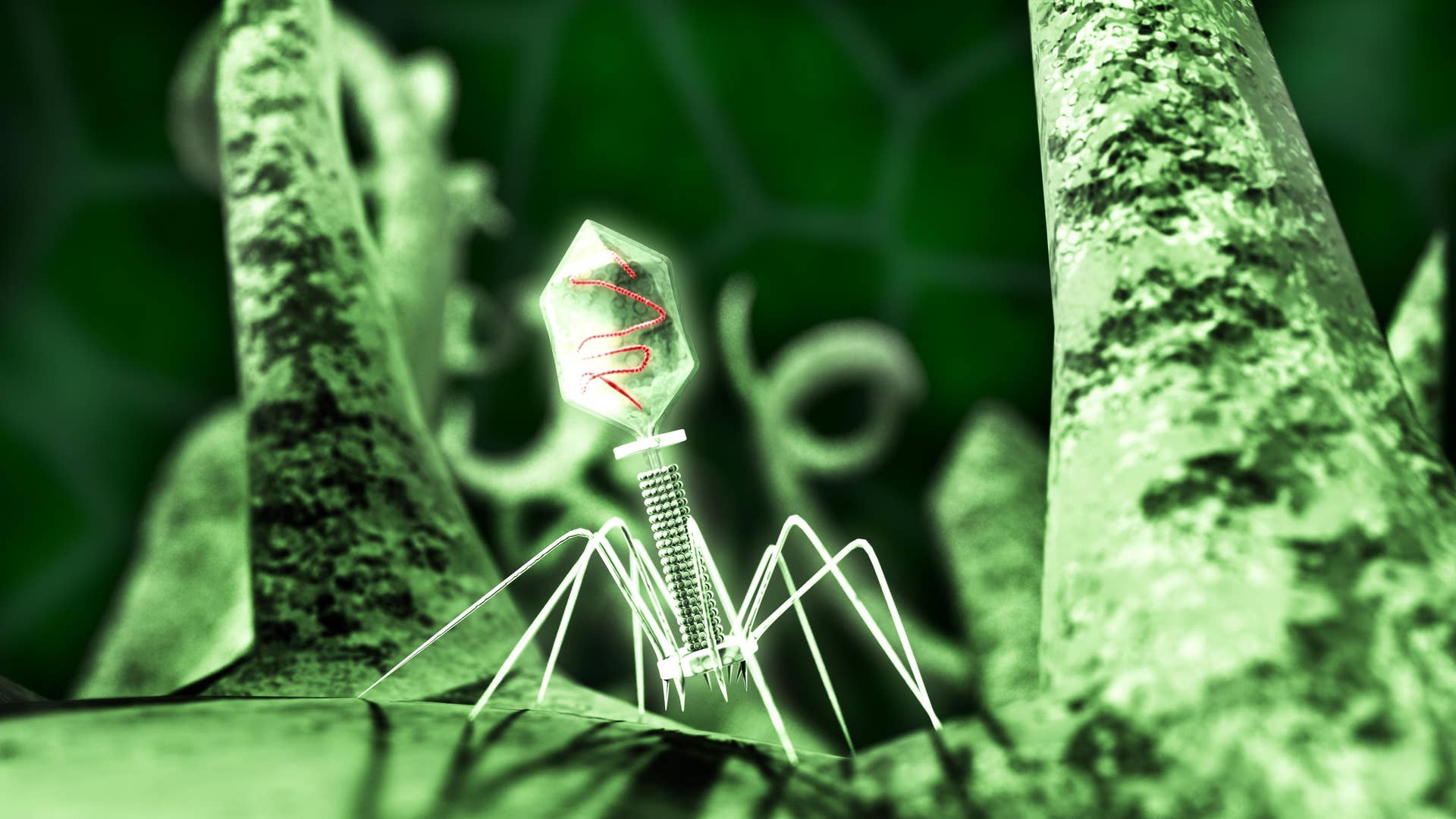
Illustrations – Honorable Mention (3-way tie)AraNet: A Genome-wide Gene Function Association Network for Arabidopsis thaliana The image shows a portion of AraNet, a gene association network of the plant called Arabidopsis. AraNet was built from over 50 million experimental observations from Arabidopsis and other model organisms. Each line represents a functional link between two genes and the color indicates the strength of the link using a red-blue heat map scheme.![enterobacteria]() Illustrations – Honorable Mention (3-way tie)Enterobacteria Phage T4 A 3D illustration of an enterobacteria phage T4 virus aggressively attacking a bacterium. Bacteriophages are viruses that infect bacteria such as E. coli and hijack their normal biological functions to use them as replication factories, leading to bacterial death, lysis and release of the viruses. They do this in B-movie horror style, with alien spindly legs and sucker-shaped mouths to relentlessly pursue their prey.
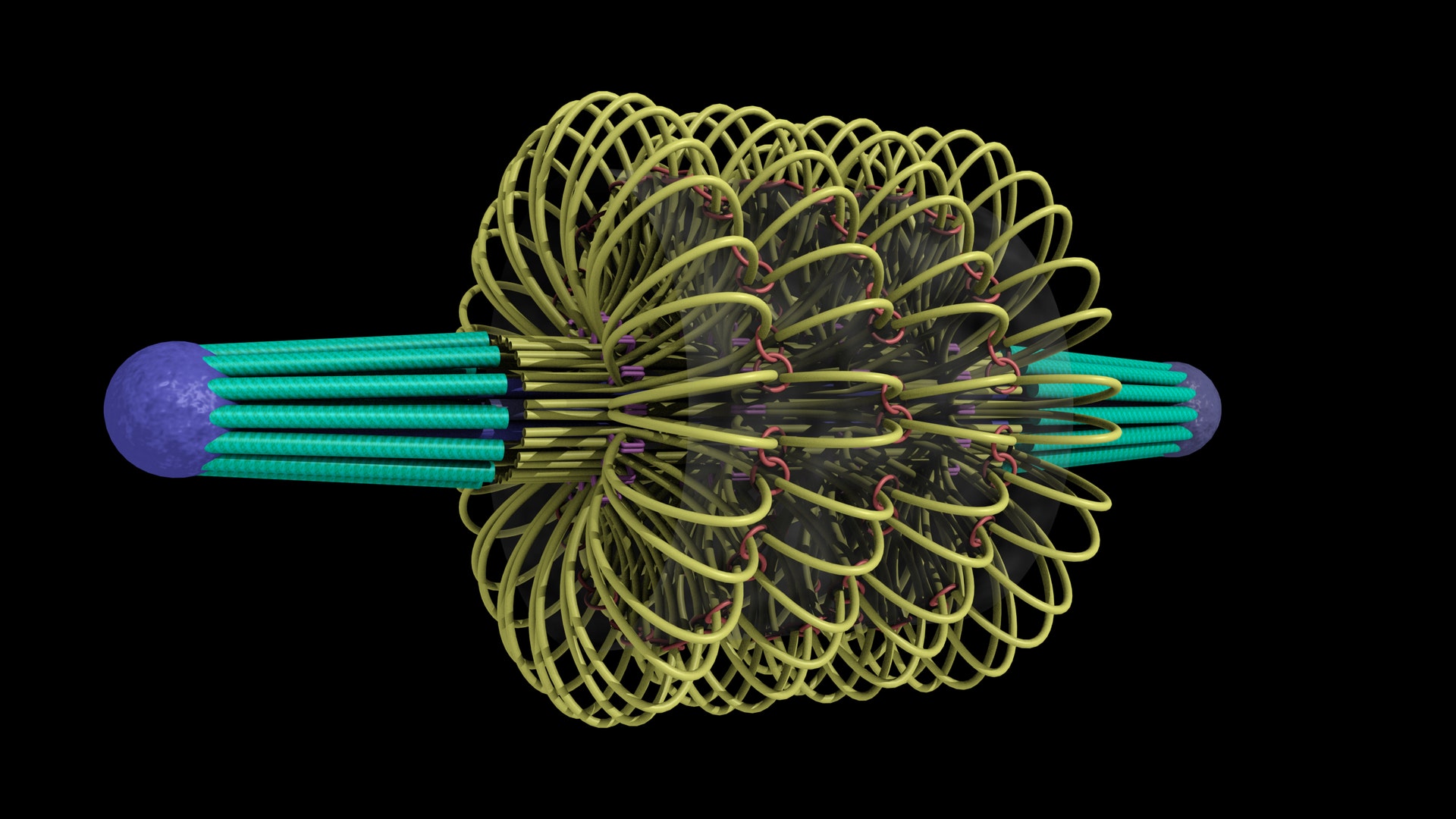
Illustrations – Honorable Mention (3-way tie)Enterobacteria Phage T4 A 3D illustration of an enterobacteria phage T4 virus aggressively attacking a bacterium. Bacteriophages are viruses that infect bacteria such as E. coli and hijack their normal biological functions to use them as replication factories, leading to bacterial death, lysis and release of the viruses. They do this in B-movie horror style, with alien spindly legs and sucker-shaped mouths to relentlessly pursue their prey.![Yeast Mitotic Spindle]() Illustrations – Honorable Mention (3-way tie)Proposed Structure of Yeast Mitotic Spindle A computer-generated 3D image of a proposed structure for the yeast mitotic spindle during metaphase developed over a two-year period of intense collaboration between cell biologists, computer scientists, physicists, and artists at www.cismm.org. Green microtubules pull on yellow DNA held by red cohesion and purple condensing proteins.
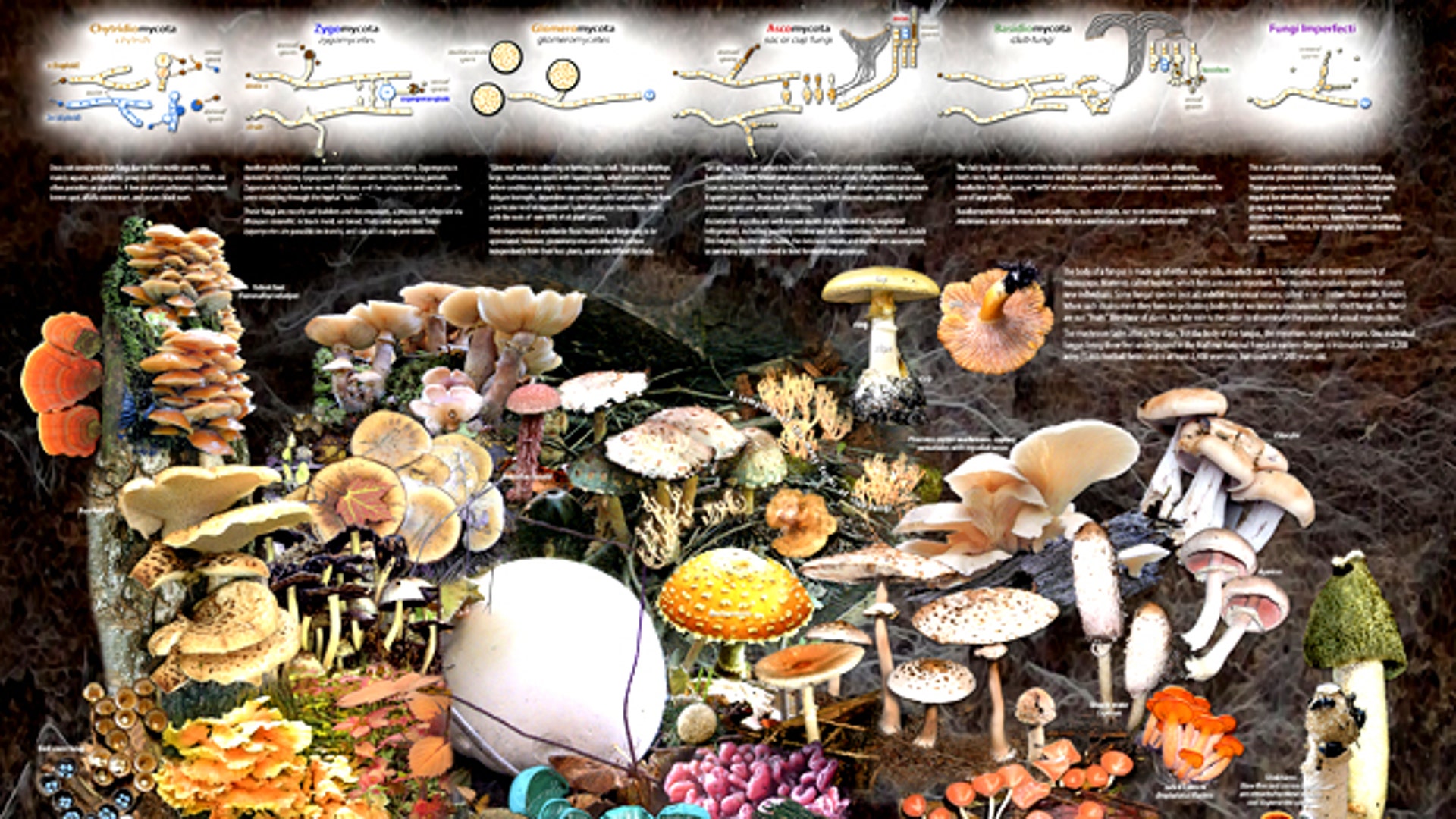
Illustrations – Honorable Mention (3-way tie)Proposed Structure of Yeast Mitotic Spindle A computer-generated 3D image of a proposed structure for the yeast mitotic spindle during metaphase developed over a two-year period of intense collaboration between cell biologists, computer scientists, physicists, and artists at www.cismm.org. Green microtubules pull on yellow DNA held by red cohesion and purple condensing proteins.![Intro_to_Fungi]() Informational Graphics – First PlaceIntroduction to Fungi Fungi provide our favorite foods and beverages, attack animal and plant species with devastating toxins, and create the soils and nutrients for the film of life on Earth. This splash of fungi illustrates their variety and briefly notes their impact on our lives and our world.
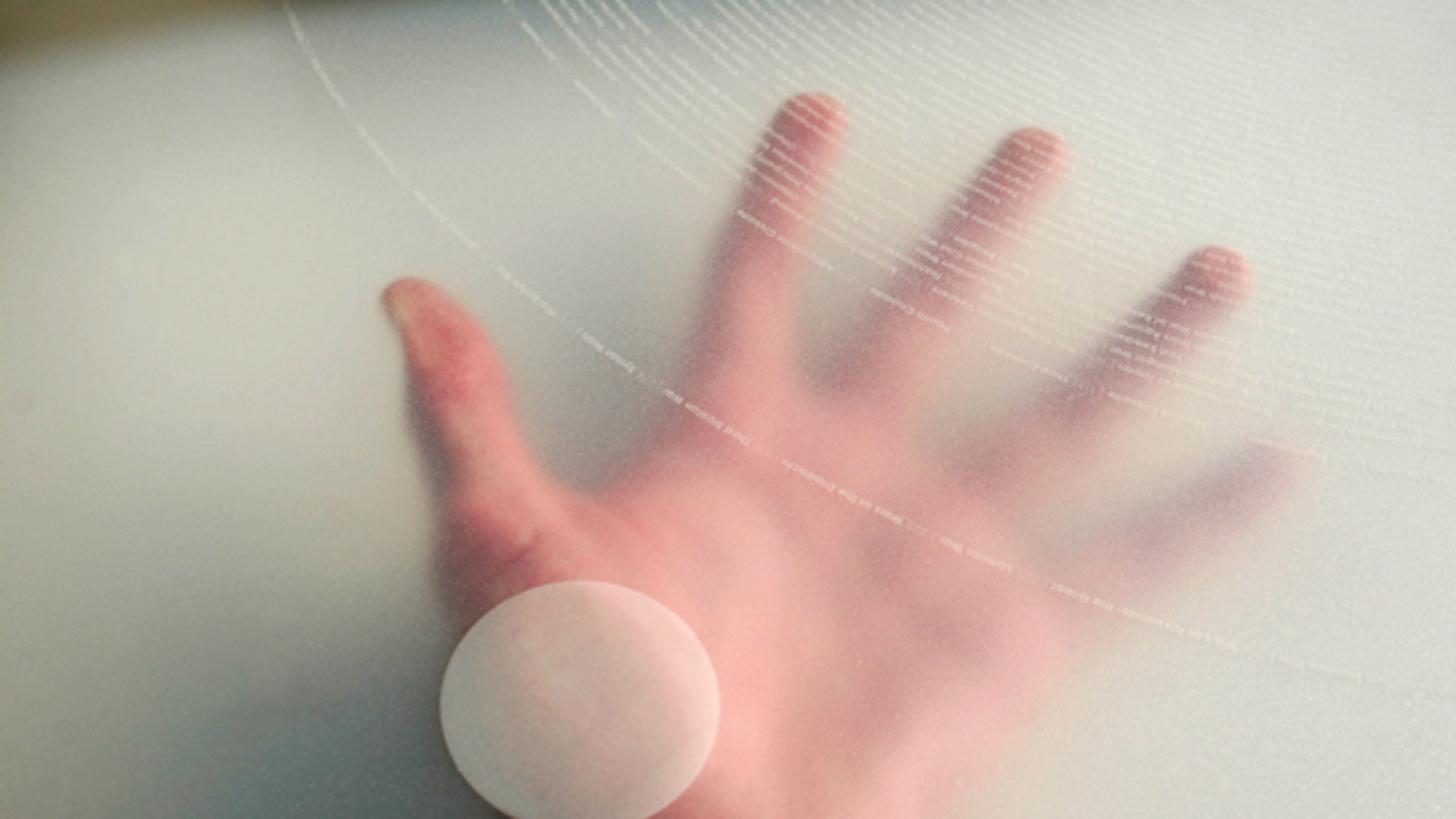
Informational Graphics – First PlaceIntroduction to Fungi Fungi provide our favorite foods and beverages, attack animal and plant species with devastating toxins, and create the soils and nutrients for the film of life on Earth. This splash of fungi illustrates their variety and briefly notes their impact on our lives and our world.![Everyone Ever in the World]() Informational Graphics – Honorable MentionEveryone Ever in the World Everyone Ever in the World is a visual representation of the number of people to have lived versus been killed in wars, massacres and genocide during the recorded history of humankind. The visualization uses existing paper area and paper loss to represent the concepts of life and death.
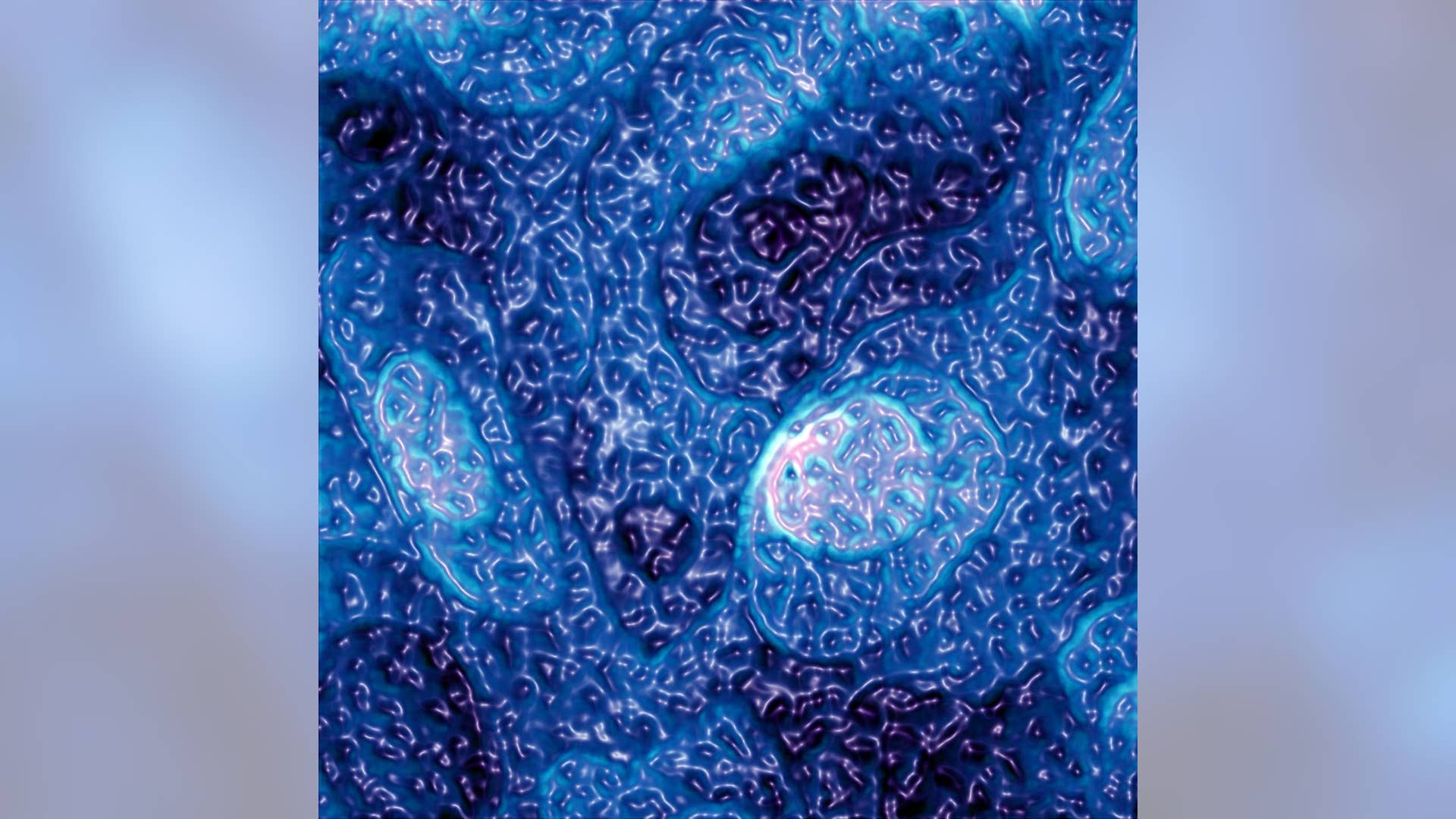
Informational Graphics – Honorable MentionEveryone Ever in the World Everyone Ever in the World is a visual representation of the number of people to have lived versus been killed in wars, massacres and genocide during the recorded history of humankind. The visualization uses existing paper area and paper loss to represent the concepts of life and death.![nanoscale_landscape]() Photography – First PlaceRough Waters This blue nanoscale landscape is created by two types of molecules on a gold surface that form a self-assembled layer, thereby enabling control of the surface characteristics -- opening up possibilities in self-cleaning materials and beyond.
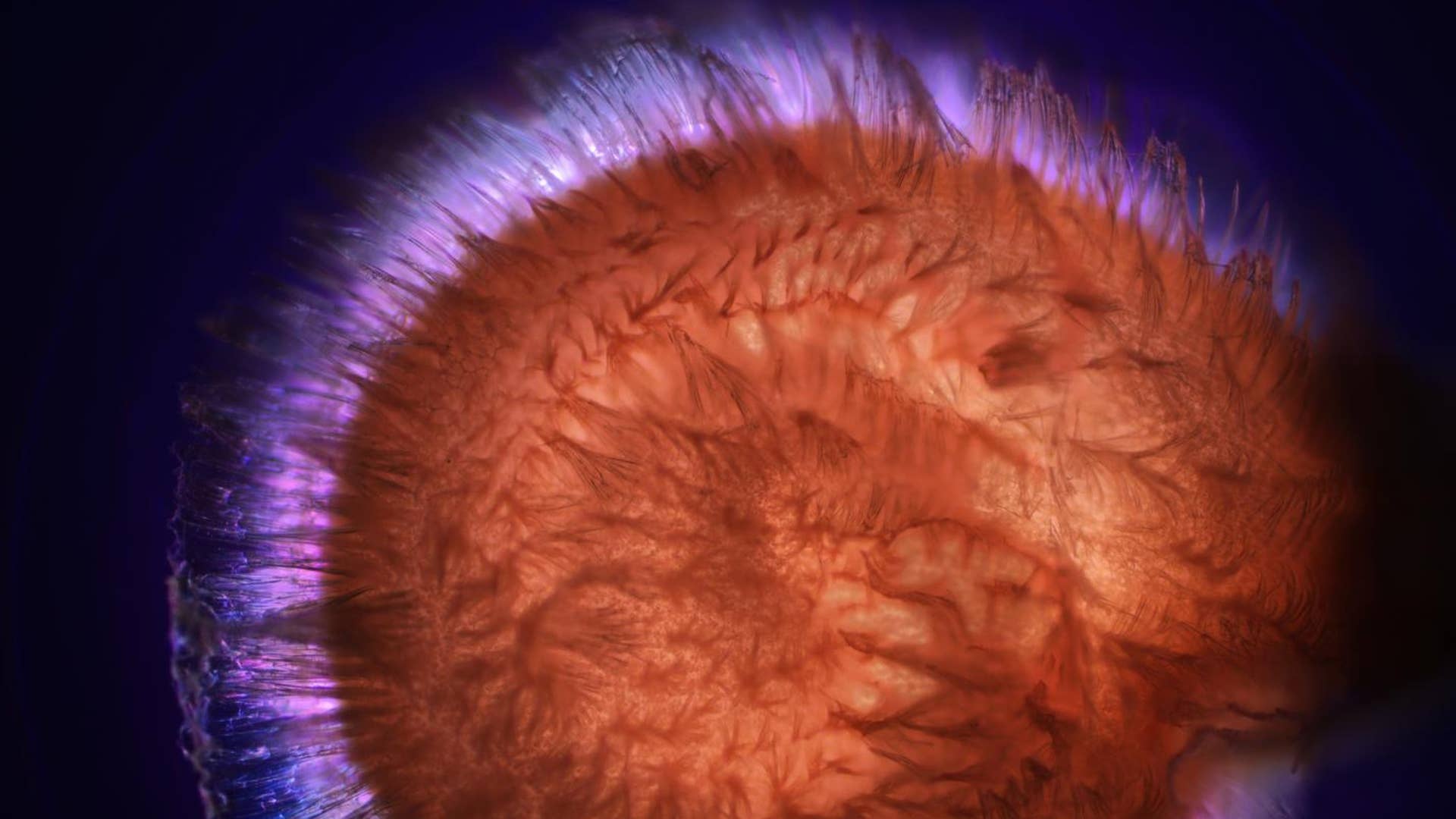
Photography – First PlaceRough Waters This blue nanoscale landscape is created by two types of molecules on a gold surface that form a self-assembled layer, thereby enabling control of the surface characteristics -- opening up possibilities in self-cleaning materials and beyond.![Hairs_on_a_tomato]() Photography – Honorable Mention (tie)Trichomes (Hairs) on the Seed of the Common Tomato The hairs on the surface of the seed of the common tomato secrete a mucinous film best appreciated as a clear membrane at the edge of the seed. The film contains insecticide chemicals and helps prevent desiccation as well as anchoring the seed to the soil.
Photography – Honorable Mention (tie)Trichomes (Hairs) on the Seed of the Common Tomato The hairs on the surface of the seed of the common tomato secrete a mucinous film best appreciated as a clear membrane at the edge of the seed. The film contains insecticide chemicals and helps prevent desiccation as well as anchoring the seed to the soil.![Centipede_milirobot]() Photography – Honorable Mention (tie)Centipede Millirobot Centipede-inspired robots may offer performance benefits over more common rigid body types. The design and modeling of a multi-segment millirobot gives insight into how biological critters walk, including how to use body undulations to enhance locomotion and if there is an optimal number of legs for efficiency and stability.
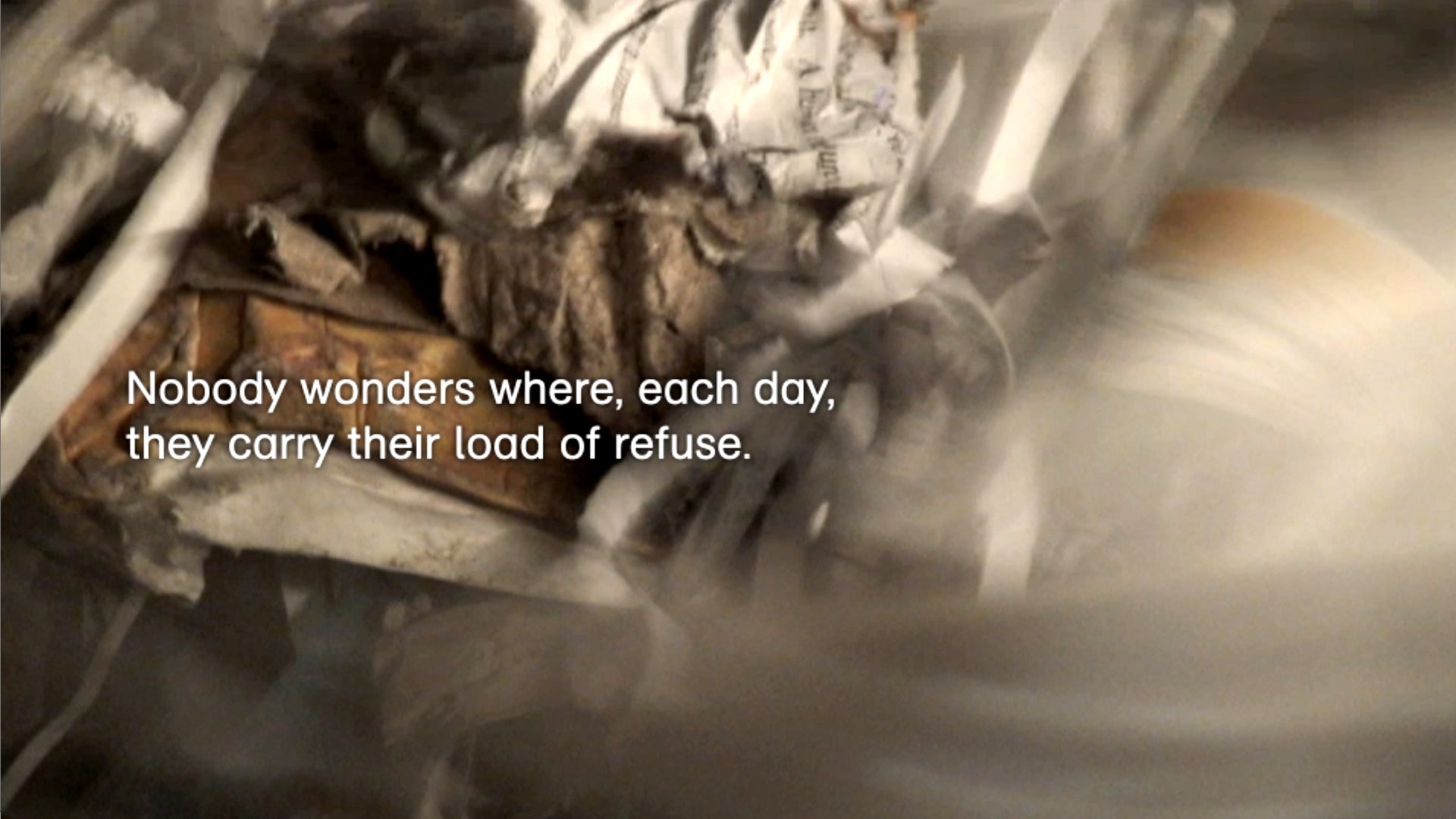
Photography – Honorable Mention (tie)Centipede Millirobot Centipede-inspired robots may offer performance benefits over more common rigid body types. The design and modeling of a multi-segment millirobot gives insight into how biological critters walk, including how to use body undulations to enhance locomotion and if there is an optimal number of legs for efficiency and stability.![where_does_garbage_go]() Noninteractive Media – First PlaceTrashTrack Imagine if we could use smart tags to follow where our garbage goes ... we could reveal the final destinations of our everyday objects and increase awareness of sustainable practices. The Sensible City Lab invited 500 people in Seattle to tag their trash and followed a total of 3,000 garbage items. Here's a still from the video they made.
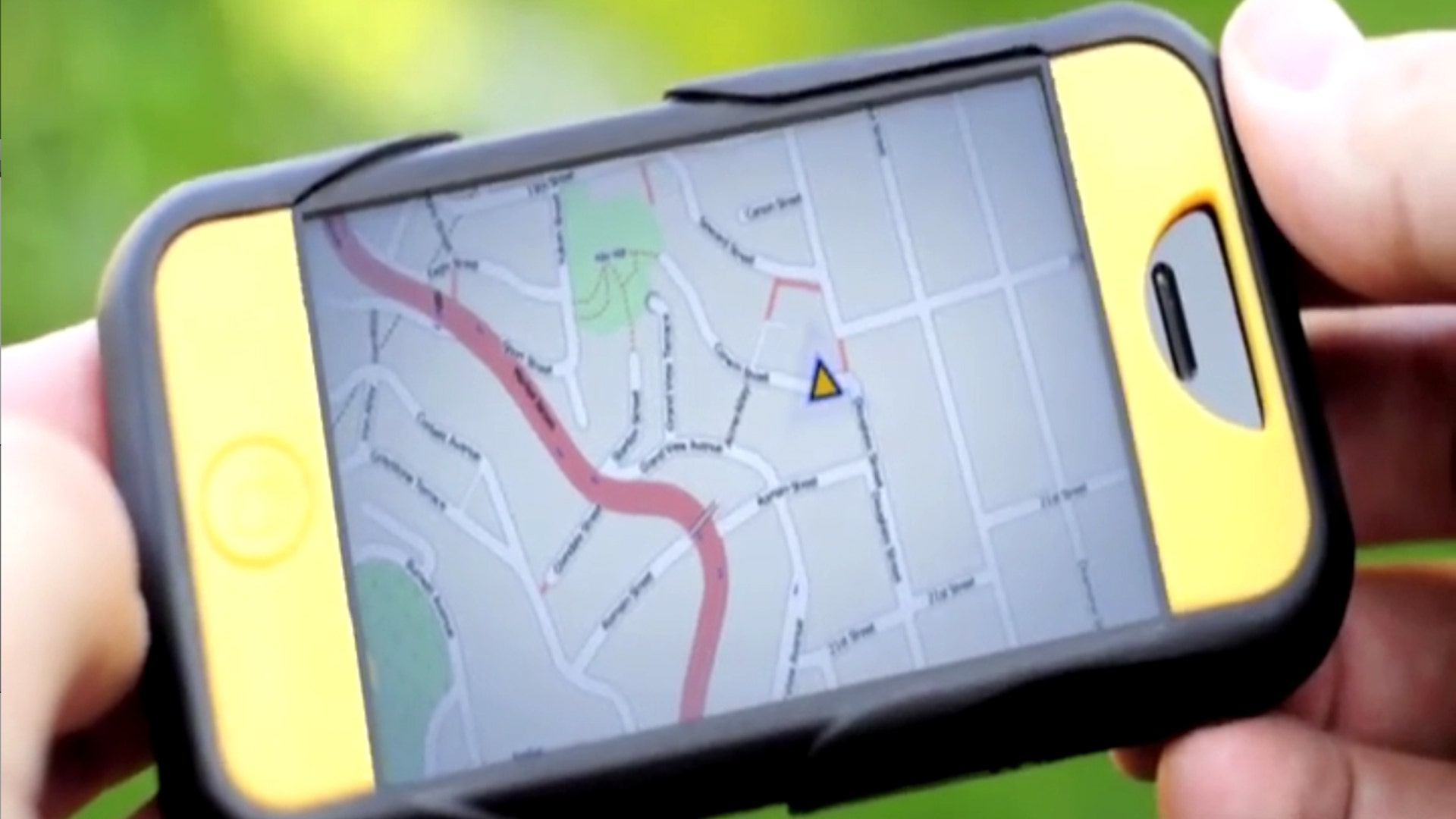
Noninteractive Media – First PlaceTrashTrack Imagine if we could use smart tags to follow where our garbage goes ... we could reveal the final destinations of our everyday objects and increase awareness of sustainable practices. The Sensible City Lab invited 500 people in Seattle to tag their trash and followed a total of 3,000 garbage items. Here's a still from the video they made.![GPS_and_relativity]() Noninteractive Media – Honorable Mention (4-way tie)GPS and Relativity The Global Positioning System is a navigational tool used by millions of people everyday. Surprisingly, it relies on Einstein's theory of relativity to achieve its phenomenal accuracy.
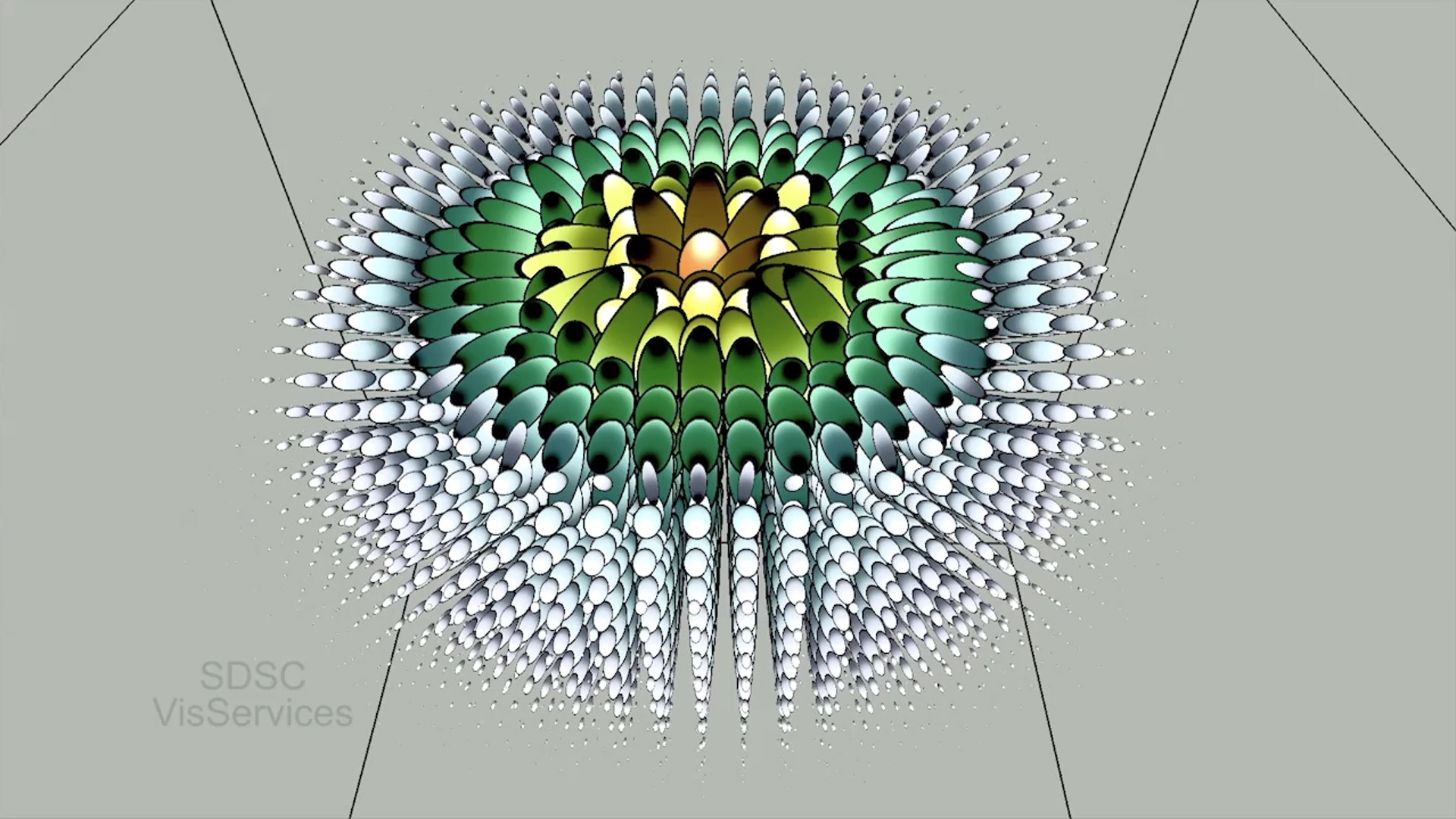
Noninteractive Media – Honorable Mention (4-way tie)GPS and Relativity The Global Positioning System is a navigational tool used by millions of people everyday. Surprisingly, it relies on Einstein's theory of relativity to achieve its phenomenal accuracy.![glyphsea]() Noninteractive Media – Honorable Mention (4-way tie)GlyphSea A novel method to visualize vector data, where the magnitude is shown by color and size of the glyph (ellipsoid) and the direction is indicated by the dipole dots (the white and black spots on the poles of ellipsoids represent the head and tail of the vector respectively).
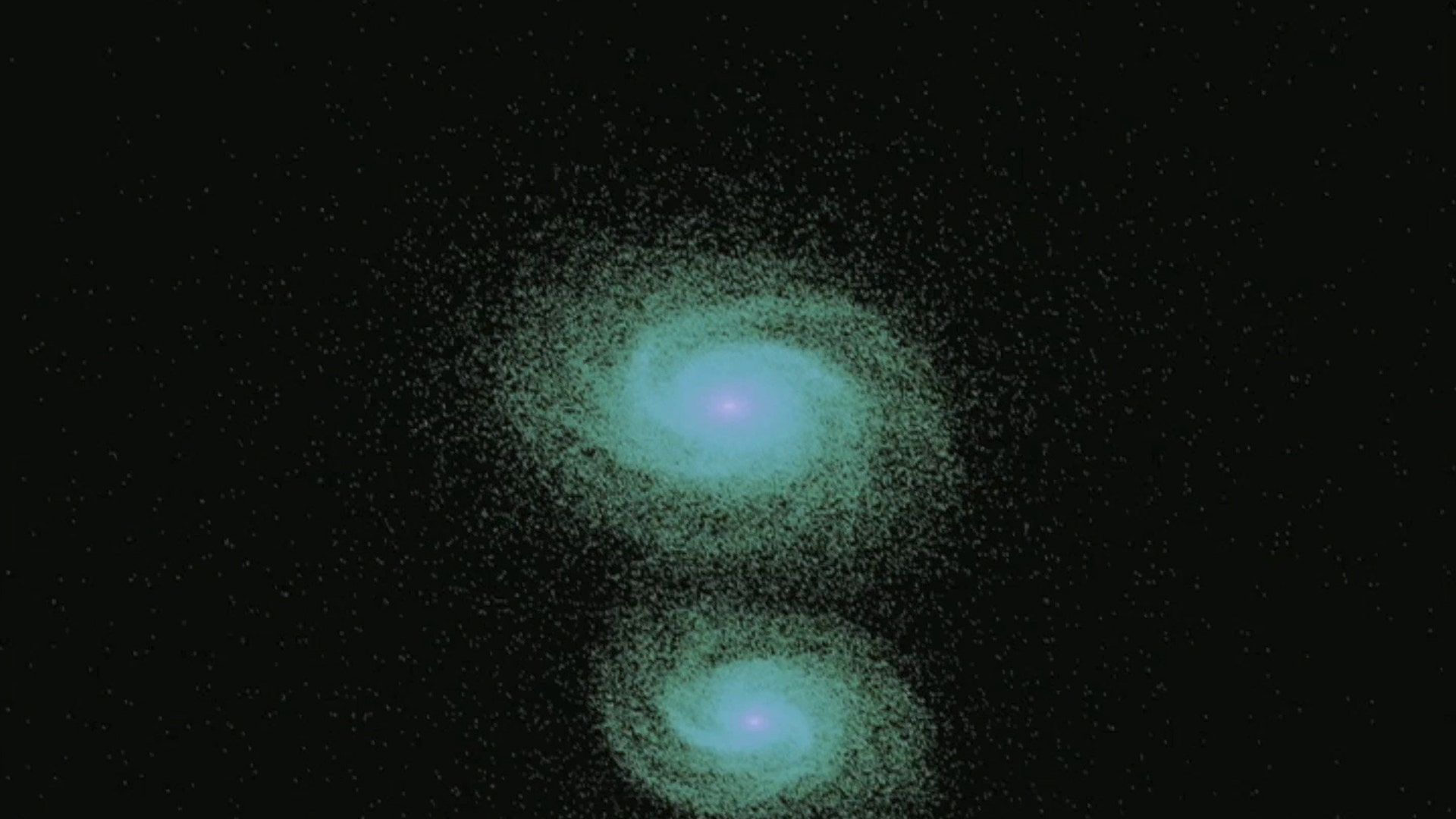
Noninteractive Media – Honorable Mention (4-way tie)GlyphSea A novel method to visualize vector data, where the magnitude is shown by color and size of the glyph (ellipsoid) and the direction is indicated by the dipole dots (the white and black spots on the poles of ellipsoids represent the head and tail of the vector respectively).![binary_quasars]() Noninteractive Media – Honorable Mention (4-way tie)Computer Simulation of a Binary Quasar Scientists are still trying to figure out what turns on quasars, rapidly accreting black holes housed at the center of all galaxies. This video tells the story of one particular scenario, an observed binary quasar, and a computer model of the galaxy merger that likely triggered such a dramatic event.
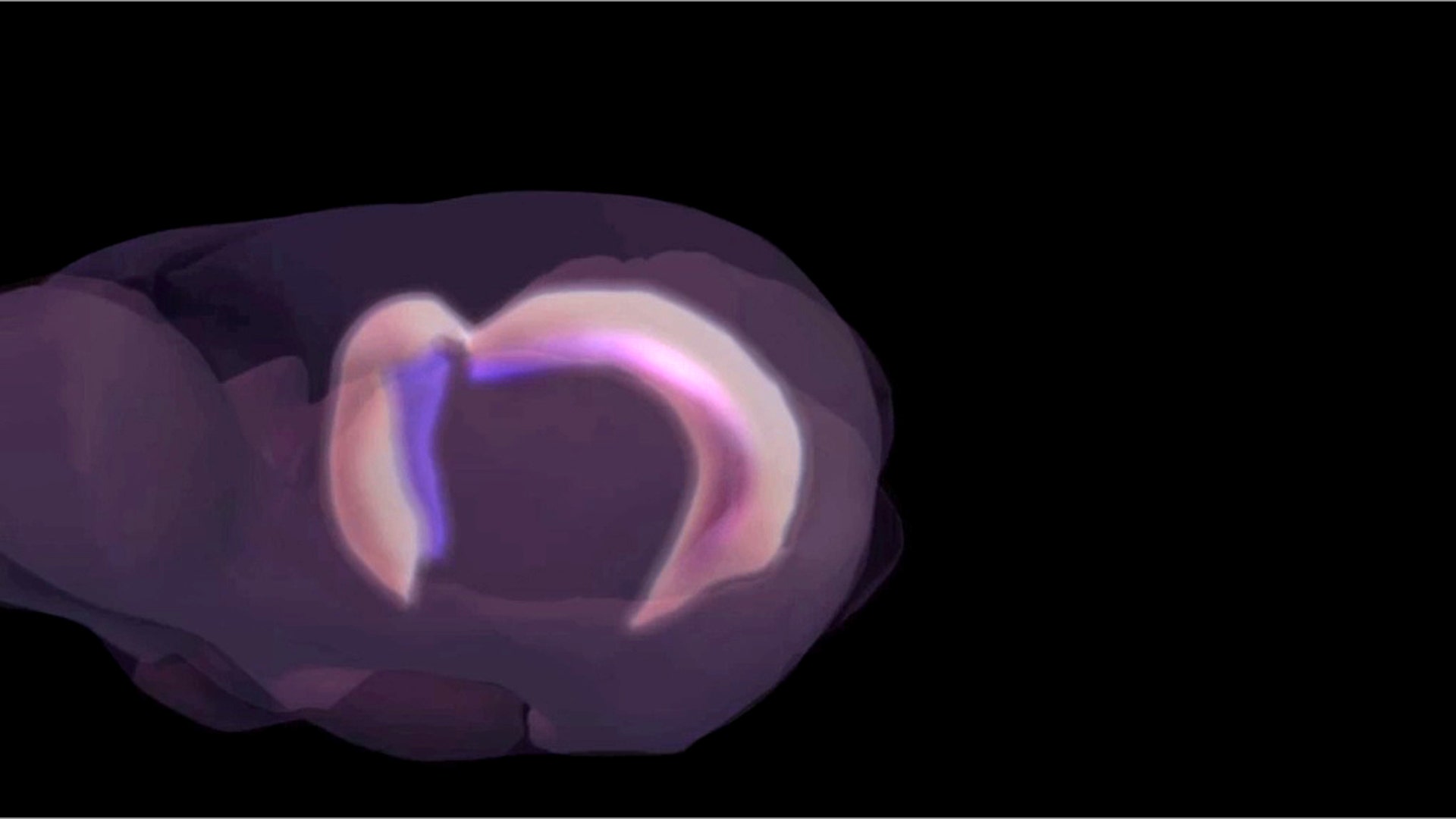
Noninteractive Media – Honorable Mention (4-way tie)Computer Simulation of a Binary Quasar Scientists are still trying to figure out what turns on quasars, rapidly accreting black holes housed at the center of all galaxies. This video tells the story of one particular scenario, an observed binary quasar, and a computer model of the galaxy merger that likely triggered such a dramatic event.![whole_brain_catalog]() Noninteractive Media – Honorable Mention (4-way tie)Visualization of the Whole Brain Catalog A visualization of what it will be like to explore the Whole Brain Catalog, an open source, open-access database of mouse brain imagery, being developed by Mark Ellisman and his team at UCSD.
Noninteractive Media – Honorable Mention (4-way tie)Visualization of the Whole Brain Catalog A visualization of what it will be like to explore the Whole Brain Catalog, an open source, open-access database of mouse brain imagery, being developed by Mark Ellisman and his team at UCSD.EyePoppers: The Best Science Pictures of the Year
From a 3D B-movie horror style illustration of a virus aggressively attacking a bacterium -- with alien spindly legs and a sucker-shaped mouth to fungi to trash and beyond, the winners of the 2010 Science and Engineering Visual Challenge prove eye popping indeed.

Move Forward
- EyePoppers: The Best Science Pictures of the Year


