Move Back
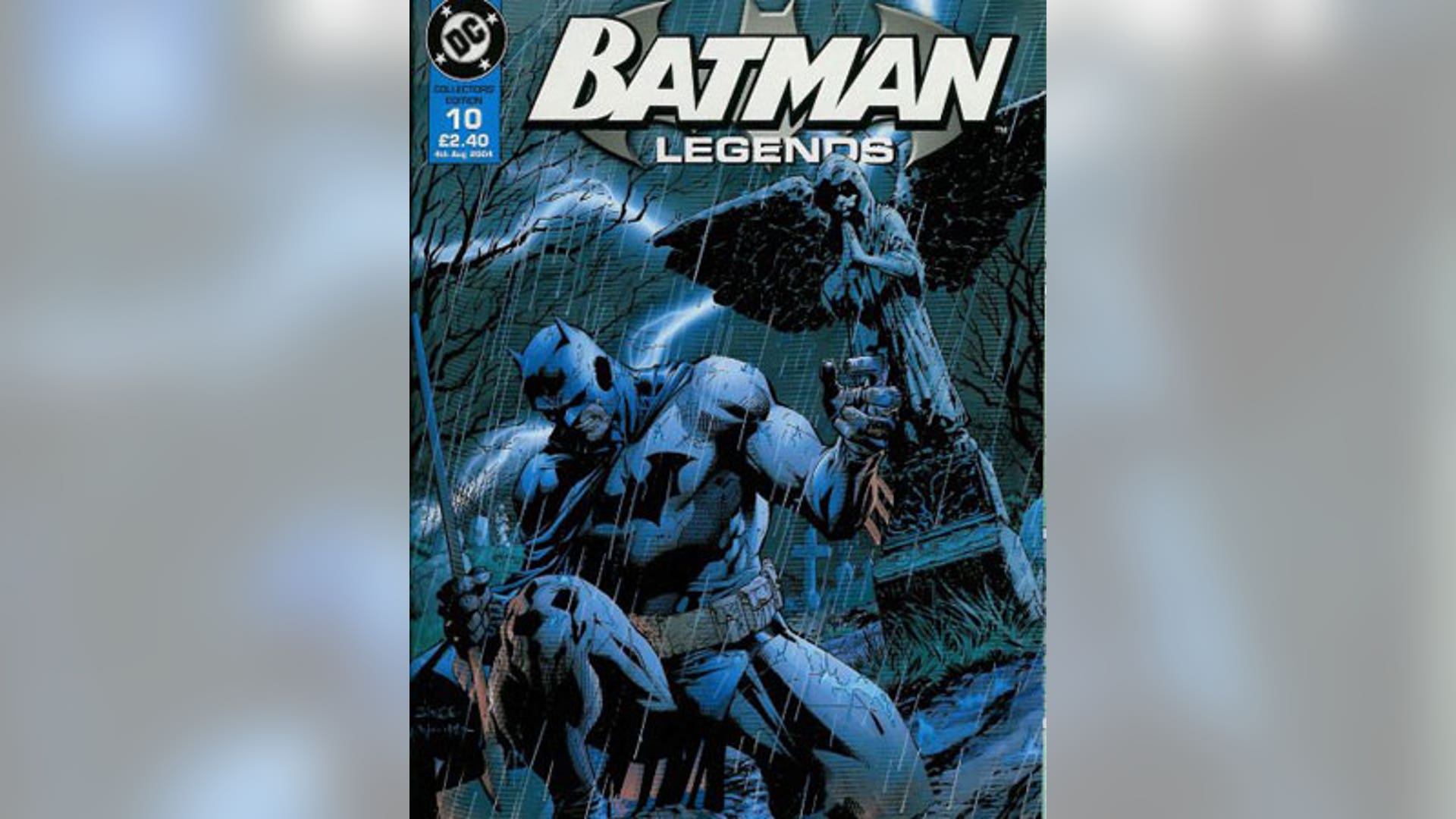
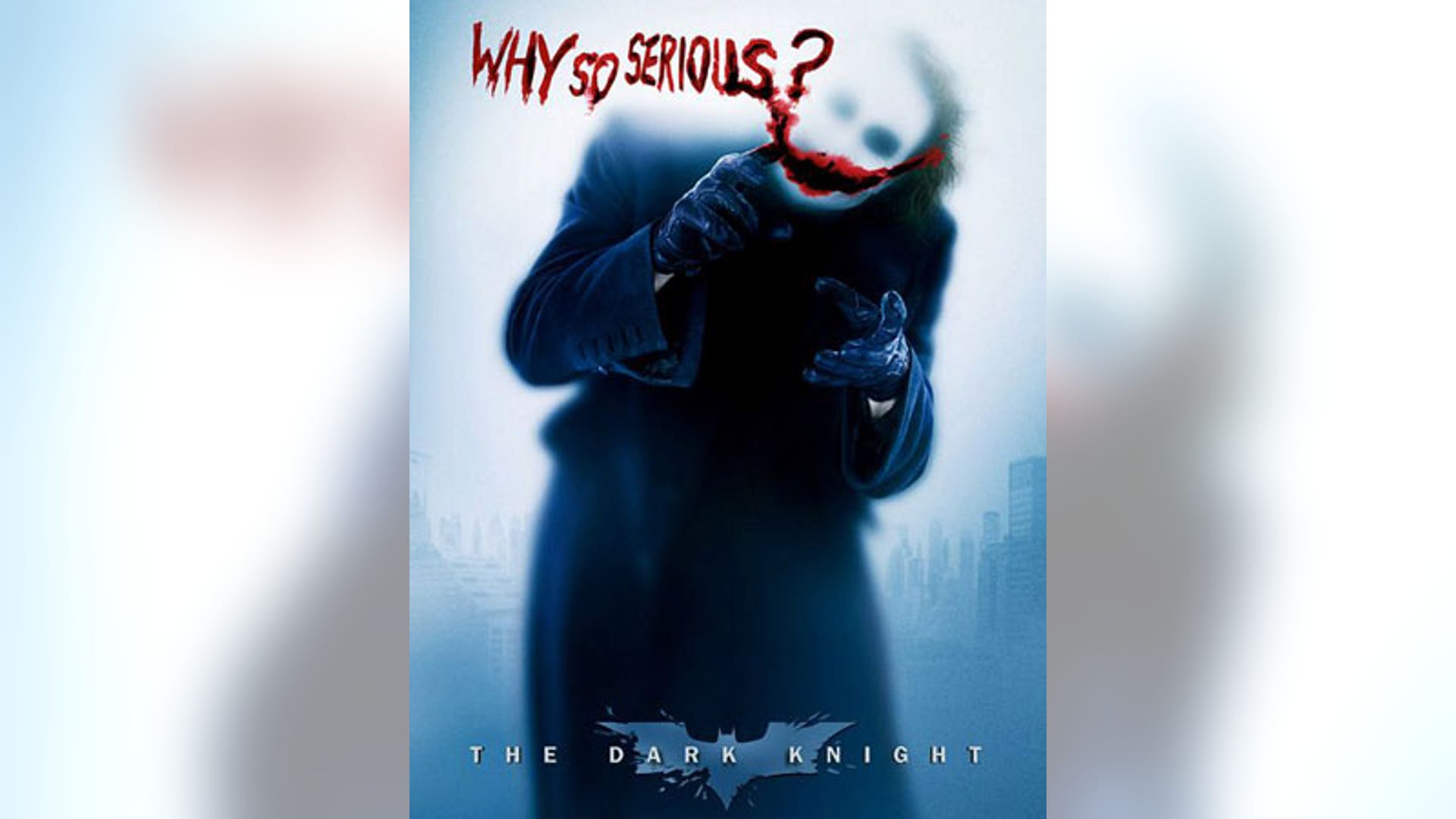
![10 Secrets to a $1 Billion Blockbuster]() 1. Buy Into The Business. Get a pre-sold commodity - franchises are gold. "When I walk into 'Dark Knight,' I know that whatever journey this movie takes me on, for the next two-and-a-half hours, it's in essence a Batman movie," says Thilk. "It's basic branding: It's pre-sold to some extent, and it's instantly familiar."
1. Buy Into The Business. Get a pre-sold commodity - franchises are gold. "When I walk into 'Dark Knight,' I know that whatever journey this movie takes me on, for the next two-and-a-half hours, it's in essence a Batman movie," says Thilk. "It's basic branding: It's pre-sold to some extent, and it's instantly familiar."![10 Secrets to a $1 Billion Blockbuster]() 2. Win, Place and Show. First in a series kicks things off, the middle entry does all right - but being that last and final entry in a three-story arc is key. Both "King" ($1.13 billion) and "Pirates 3" ($1.06 billion) wrap up their stories (though more Pirates and more J.R.R. Tolkien stories are on the horizon). "People want closure to a storyline," says Thilk. "You have the accumulated goodwill of two previous campaigns, and there's a snowball effect."
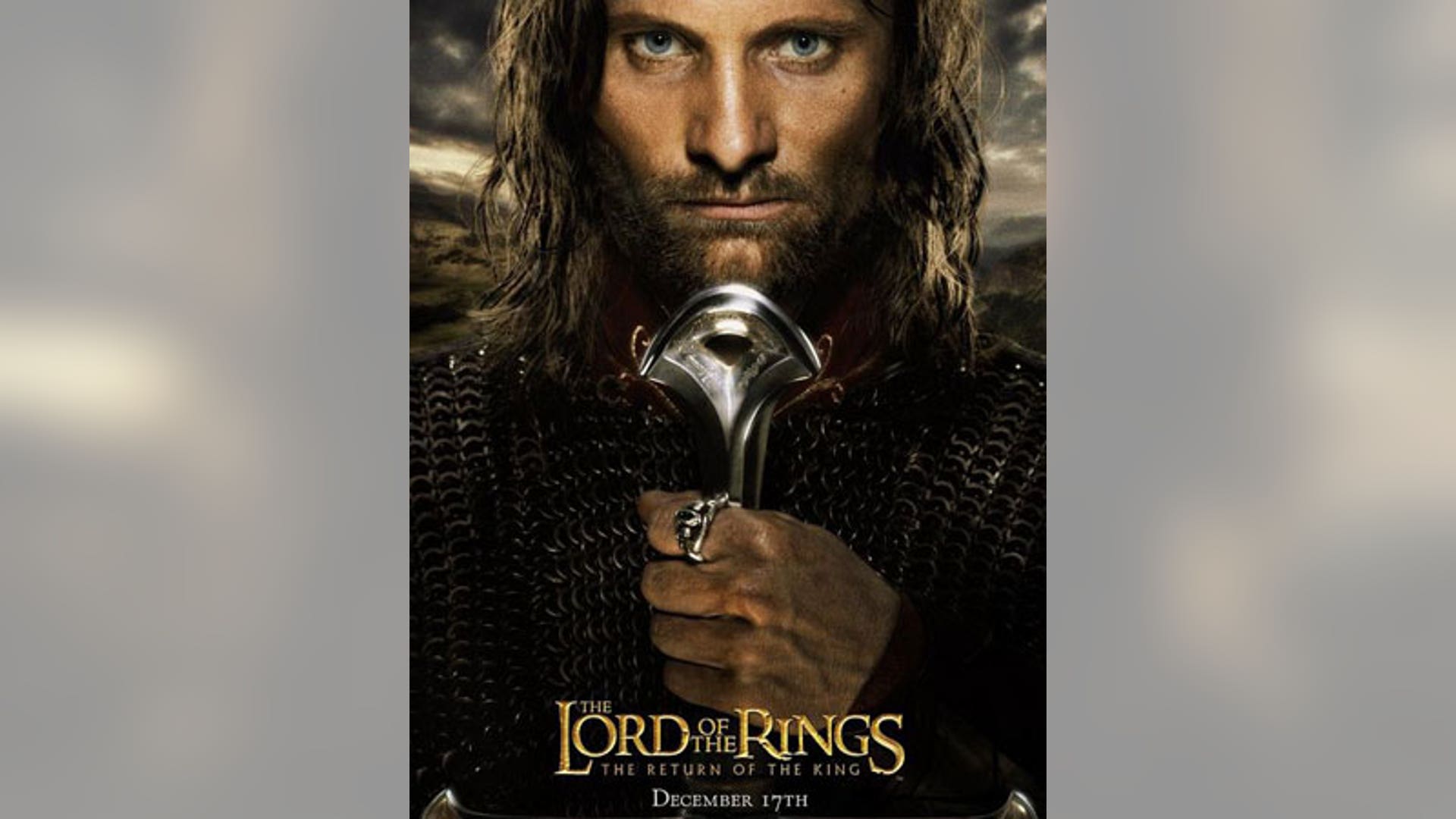
2. Win, Place and Show. First in a series kicks things off, the middle entry does all right - but being that last and final entry in a three-story arc is key. Both "King" ($1.13 billion) and "Pirates 3" ($1.06 billion) wrap up their stories (though more Pirates and more J.R.R. Tolkien stories are on the horizon). "People want closure to a storyline," says Thilk. "You have the accumulated goodwill of two previous campaigns, and there's a snowball effect."![10 Secrets to a $1 Billion Blockbuster]() 3. A Little Foreplay Helps. Wrapping up strong leads to big boxoffice, but your lead-ins have to be strong, too. Notes one industry insider, "The performance of the next installment of a franchise is often a reflection of how much people liked the preceding installment." One reason "Knight" hit big was that audiences enjoyed "Batman Begins" in 2005." "Titanic" had no lead-up - but promised two hot, rising stars - Leonardo DiCaprio and Kate Winslet - getting steamy.
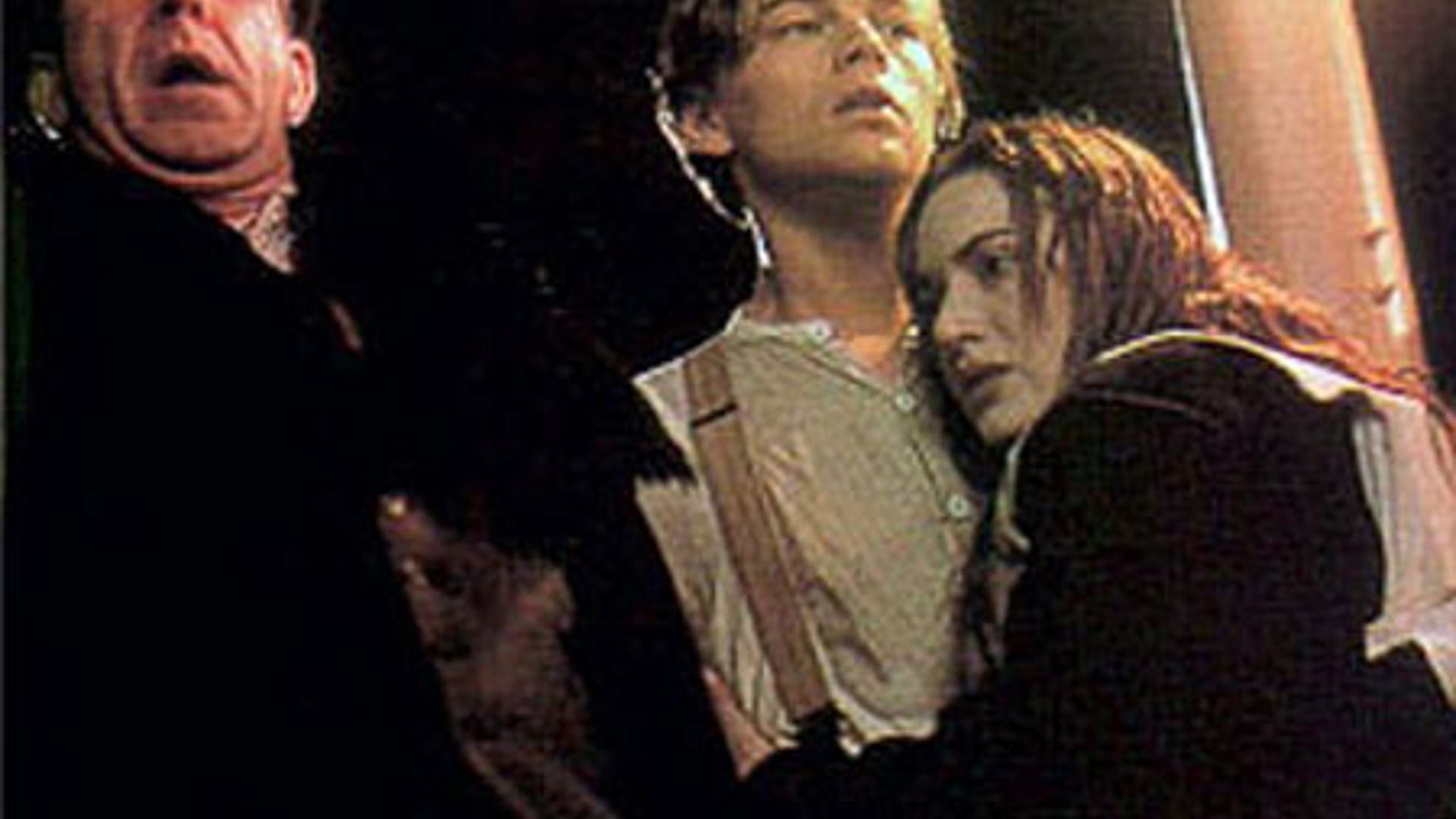
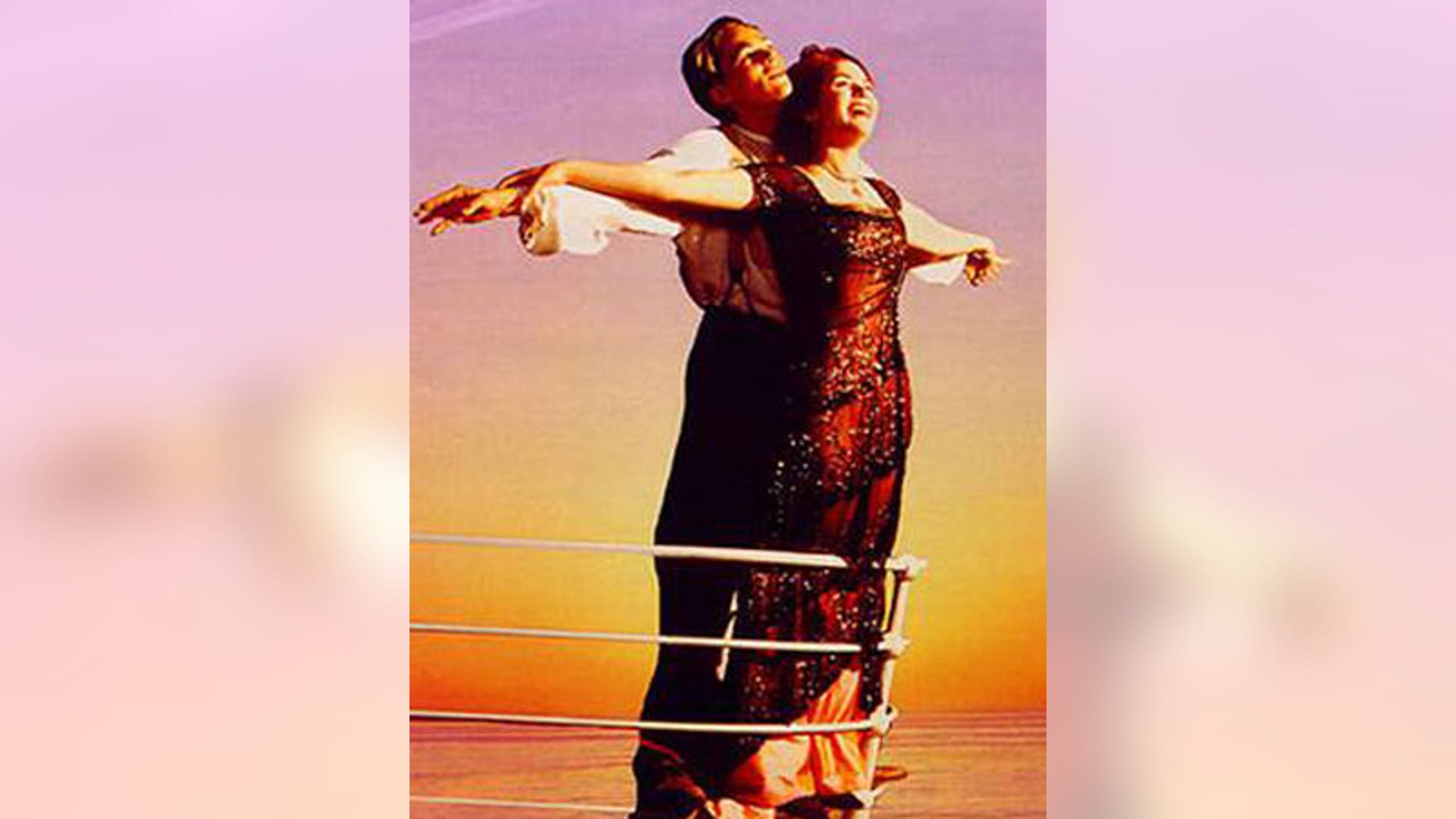
3. A Little Foreplay Helps. Wrapping up strong leads to big boxoffice, but your lead-ins have to be strong, too. Notes one industry insider, "The performance of the next installment of a franchise is often a reflection of how much people liked the preceding installment." One reason "Knight" hit big was that audiences enjoyed "Batman Begins" in 2005." "Titanic" had no lead-up - but promised two hot, rising stars - Leonardo DiCaprio and Kate Winslet - getting steamy.![10 Secrets to a $1 Billion Blockbuster]() 4. Broken Hearts. Speaking of which, each billion-dollar film included some form of epic, potentially doomed romance: Lifelong partners are separated forever ("Knight"), lovers of different races are long-estranged ("King"), aspiring pirates are destined to be apart for years ("Pirates") and a brief romantic dalliance resonates decades later ("Titanic"). Explosions thrill half of the crowd; the emotional ripples affect the other half. "Teenagers with lots of disposable income kept coming back to swoon over Leo DiCaprio," says Thilk. "That comes into play to a great extent."
4. Broken Hearts. Speaking of which, each billion-dollar film included some form of epic, potentially doomed romance: Lifelong partners are separated forever ("Knight"), lovers of different races are long-estranged ("King"), aspiring pirates are destined to be apart for years ("Pirates") and a brief romantic dalliance resonates decades later ("Titanic"). Explosions thrill half of the crowd; the emotional ripples affect the other half. "Teenagers with lots of disposable income kept coming back to swoon over Leo DiCaprio," says Thilk. "That comes into play to a great extent."![10 Secrets to a $1 Billion Blockbuster]() 5. Bring 'Em Back. Notes Thilk, "You don't reach a billion dollars without repeat viewings." Butts need to fill seats more than once, and studios have a bag of tricks to get them to return. "Knight" $64.9 million with a remastered Imax release, for example; many comic-book loving reviewers insisted on seeing the picture twice before offering an opinion. "It was dense, and needed a closer look." Says Thilk. "These films have a good deal of payoff for people to come back - you're going to get more out of the movie the second time around."
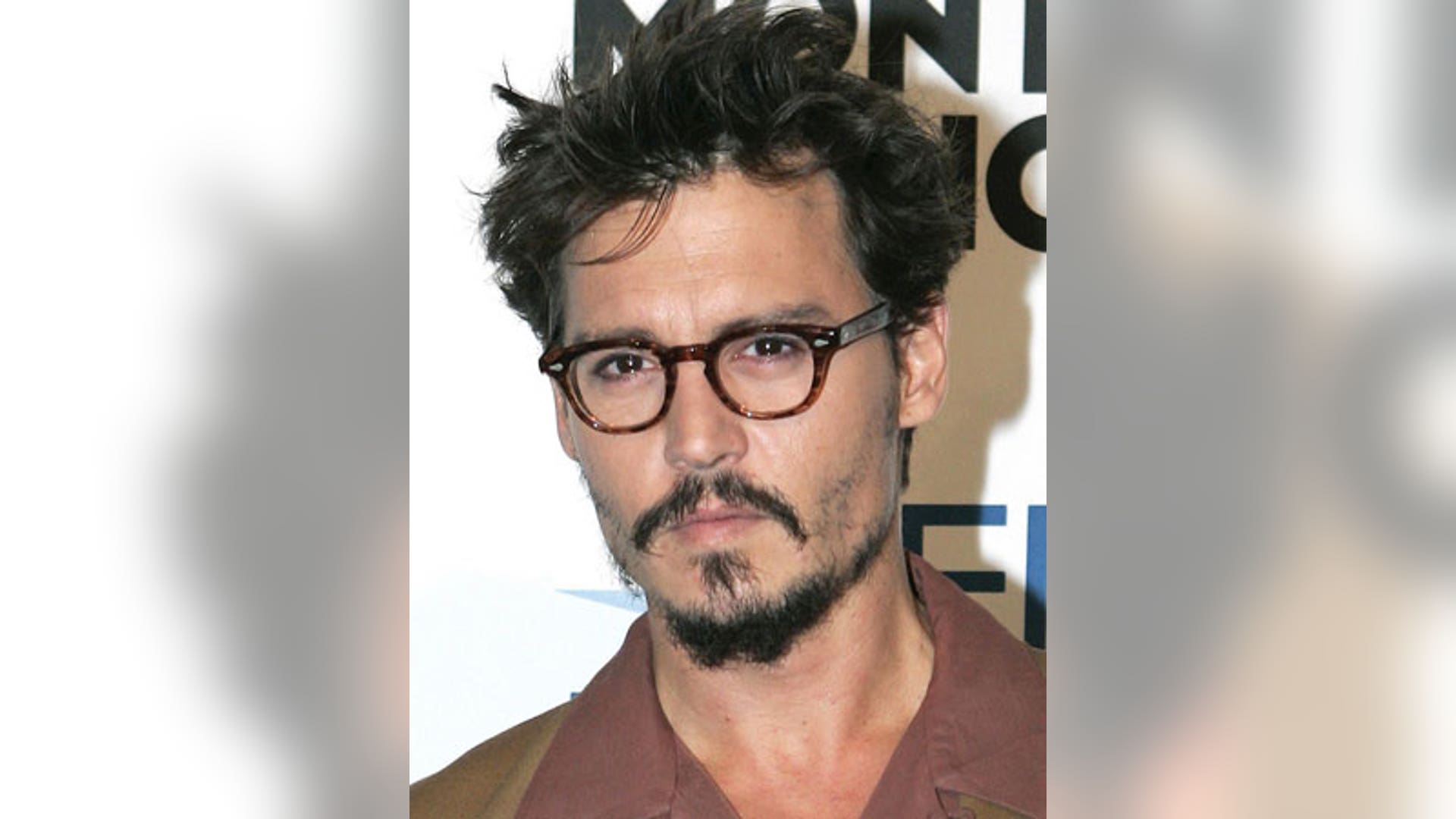
5. Bring 'Em Back. Notes Thilk, "You don't reach a billion dollars without repeat viewings." Butts need to fill seats more than once, and studios have a bag of tricks to get them to return. "Knight" $64.9 million with a remastered Imax release, for example; many comic-book loving reviewers insisted on seeing the picture twice before offering an opinion. "It was dense, and needed a closer look." Says Thilk. "These films have a good deal of payoff for people to come back - you're going to get more out of the movie the second time around."![10 Secrets to a $1 Billion Blockbuster]() 6. All the Right People. A billion-dollar film tends not to have B-list actors - but neither does it feature A-list megastars. "Pirates" brought Johnny Depp's career back from France, but neither Winslet or DiCaprio were smokin' hot Oscar-quality when they set to sea. And then there's the Heath Ledger factor - not only did he posthumously win an Oscar for his Joker role in "Knight," but this will virtually always be considered his "final" performance. "It sounds crass, but there was a bit of morbid curiosity about seeing him," says Thilk. "And he was playing a flamboyant character, a character that really allowed him to cut loose."
6. All the Right People. A billion-dollar film tends not to have B-list actors - but neither does it feature A-list megastars. "Pirates" brought Johnny Depp's career back from France, but neither Winslet or DiCaprio were smokin' hot Oscar-quality when they set to sea. And then there's the Heath Ledger factor - not only did he posthumously win an Oscar for his Joker role in "Knight," but this will virtually always be considered his "final" performance. "It sounds crass, but there was a bit of morbid curiosity about seeing him," says Thilk. "And he was playing a flamboyant character, a character that really allowed him to cut loose."![10 Secrets to a $1 Billion Blockbuster]() 7. Get Out the Non-American Vote. It takes a global village to make a billion dollar film: "Titanic," "King" and "Pirates" all saw international grosses top U.S. take; "Knight" still has earned more in the U.S., but the rest of the world is likely to overtake that soon. (With "Titanic," international gross alone earned $1.2 billion.) "They all have special effects, swordplay," says Thilk. "They're not the most subtle examples of emotive storytelling you can find. That's why they end up being big boxoffice winners overseas - an explosion looks the same on a Japanese movie screen as it does on an American movie screen."
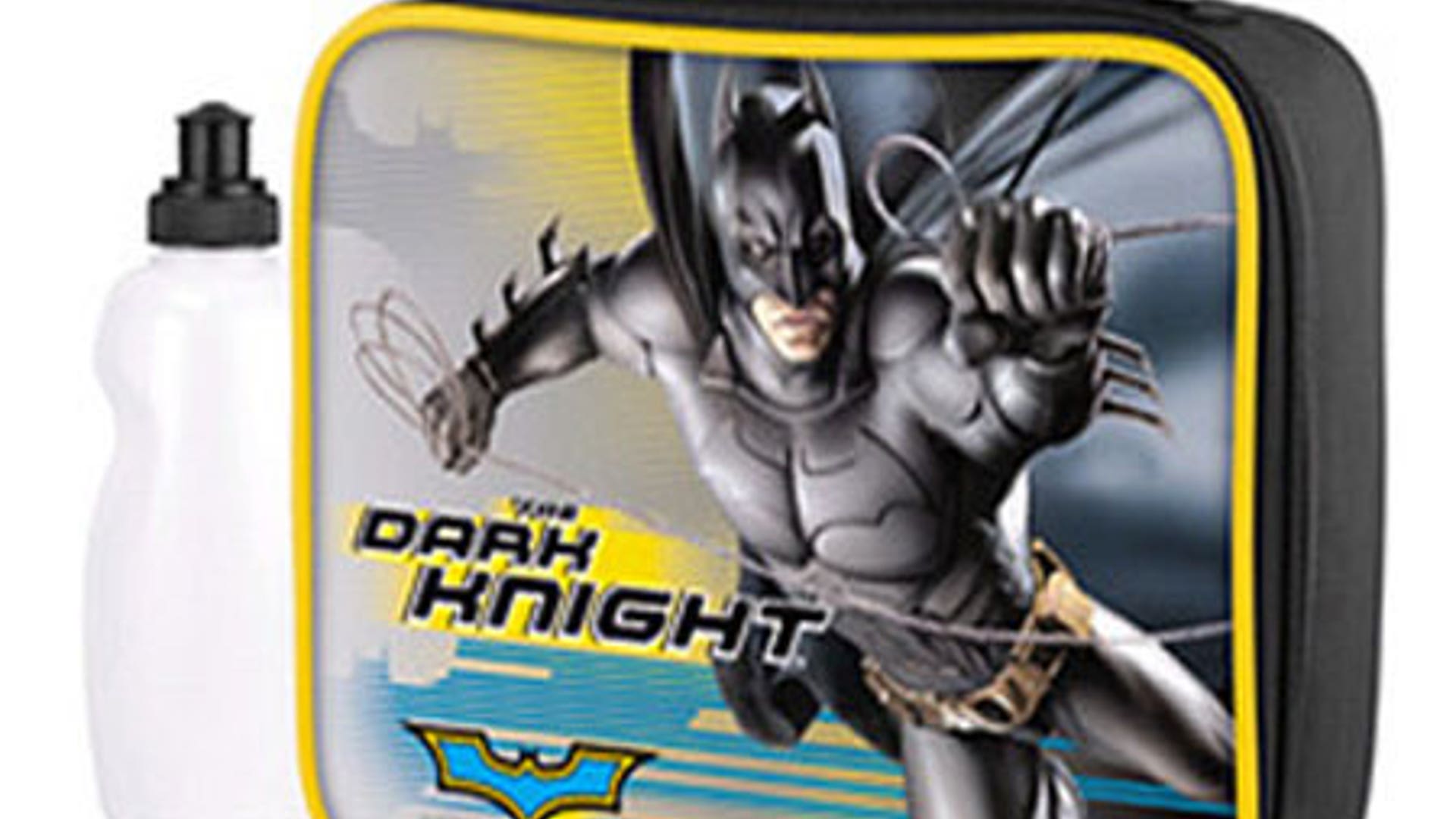
7. Get Out the Non-American Vote. It takes a global village to make a billion dollar film: "Titanic," "King" and "Pirates" all saw international grosses top U.S. take; "Knight" still has earned more in the U.S., but the rest of the world is likely to overtake that soon. (With "Titanic," international gross alone earned $1.2 billion.) "They all have special effects, swordplay," says Thilk. "They're not the most subtle examples of emotive storytelling you can find. That's why they end up being big boxoffice winners overseas - an explosion looks the same on a Japanese movie screen as it does on an American movie screen."![10 Secrets to a $1 Billion Blockbuster]() 8. The Power of Tzotchkes. Never underestimate the appeal of a Happy Meal toy. While ancillary products like soundtrack CDs, book tie-ins, and toys don't contribute directly to boxoffice dollars, they're indirectly crucial to success. "Even if a young kid doesn't know what the movie is, he'll get the toy and then turn to his mom and say, 'I want to see that movie!'" explains Thilk. "You wouldn't see the revitalization of franchises like these if it weren't about using product marketing as a component of the overall marketing mix."
8. The Power of Tzotchkes. Never underestimate the appeal of a Happy Meal toy. While ancillary products like soundtrack CDs, book tie-ins, and toys don't contribute directly to boxoffice dollars, they're indirectly crucial to success. "Even if a young kid doesn't know what the movie is, he'll get the toy and then turn to his mom and say, 'I want to see that movie!'" explains Thilk. "You wouldn't see the revitalization of franchises like these if it weren't about using product marketing as a component of the overall marketing mix."![10 Secrets to a $1 Billion Blockbuster]() 9. Timing is Everything. There are all sorts of formulas to help executives know when to release a film into the wild - and based on these four, December and early Summer are good times ("Knight" came out on July 14 in the U.S.; "Pirates" on June 24; "Titanic" on December 14 and "Return" on December 17). That said, what's also important to a film's success is that it somehow taps into the zeitgeist. Notes Thilk, "There are a dozen things you can quantify and a dozen things you can't, and it's the rare combination of all of those things that leads to these uber-successful movies."
9. Timing is Everything. There are all sorts of formulas to help executives know when to release a film into the wild - and based on these four, December and early Summer are good times ("Knight" came out on July 14 in the U.S.; "Pirates" on June 24; "Titanic" on December 14 and "Return" on December 17). That said, what's also important to a film's success is that it somehow taps into the zeitgeist. Notes Thilk, "There are a dozen things you can quantify and a dozen things you can't, and it's the rare combination of all of those things that leads to these uber-successful movies."![10 Secrets to a $1 Billion Blockbuster]() 10. Finally: Make a Good Movie, StupidYou can brand until the cows come home, sell every toy in the world, feature classy-but-not-too-famous actors - and nothing helps if it's all empty celluloid. In the case of franchises, come up with a dud and you may kill off the whole golden goose. "The ultimate fate of a movie is going to depend on the quality of the movie made," says Thilk. "If you haven't made a good movie, you're not going to come close to a billion dollars at the boxoffice. So make a good movie and you're well on your way."
10. Finally: Make a Good Movie, StupidYou can brand until the cows come home, sell every toy in the world, feature classy-but-not-too-famous actors - and nothing helps if it's all empty celluloid. In the case of franchises, come up with a dud and you may kill off the whole golden goose. "The ultimate fate of a movie is going to depend on the quality of the movie made," says Thilk. "If you haven't made a good movie, you're not going to come close to a billion dollars at the boxoffice. So make a good movie and you're well on your way."


Move Forward
- 10 Secrets to a $1 Billion Blockbuster


